
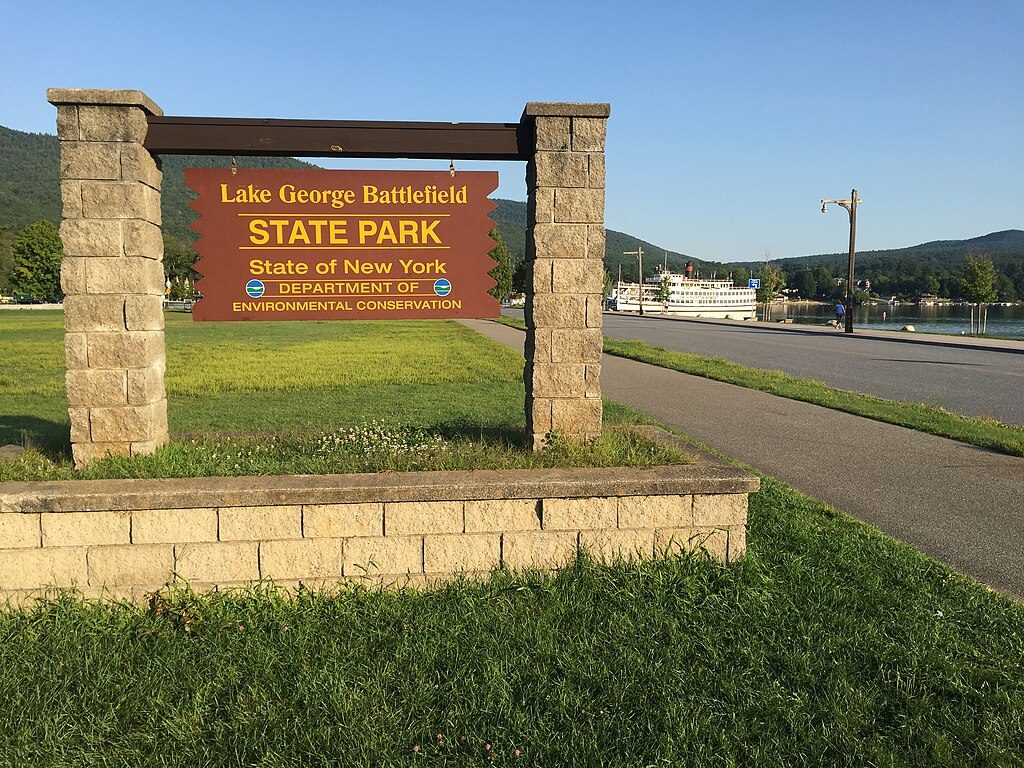
Place · 0 mi away

Tucked inside Lake George Battlefield Park, Fort George Ruins is where the story matters more than the visuals. You’re looking at low, grass-covered earthworks and bits of stone foundation—modest at first glance, but powerful when you connect them to the French & Indian War and the American Revolution.
Expect subtle embankments, stonework mounds, and a few markers explaining what once stood here. It’s a peaceful, lightly wooded patch of high ground with the feel of a historic site rather than a tourist attraction. Nearby park amenities (picnic areas, open lawns, other monuments) make it easy to linger.
This is one of the few tangible spots in town that directly ties into both 18th‑century conflicts. Built by the British in 1759 after the fall of Fort William Henry, Fort George later figured into Revolutionary War logistics. Archaeology has identified foundations, hut sites, and barracks—most reburied to protect them—so what you’re seeing is authentic footprint, not a modern rebuild.
Bring the Colonial Wars self‑guided walking tour on your phone (this is a featured stop) and read every sign on site. The interpretation is concise, so a little pre‑reading or a stop at the Battlefield Park Visitor Center nearby pays off. Expect uneven ground; sturdy shoes help.
Nothing dramatic—think songbirds, squirrels, chipmunks, maybe deer in the quieter hours. It can be buggy in summer, so plan accordingly.
If you’re into military or early American history, absolutely—this is a quiet, authentic counterpoint to the showier sites in the village. If you’re looking for towering walls and photo‑ops, it’ll feel underwhelming.
Mornings or late afternoons are the sweet spot: softer light for photos, cooler temps, and fewer people. Weekdays are calmer than weekends, and spring/fall bring the best mix of visibility and low crowds.
Place · 0 mi away
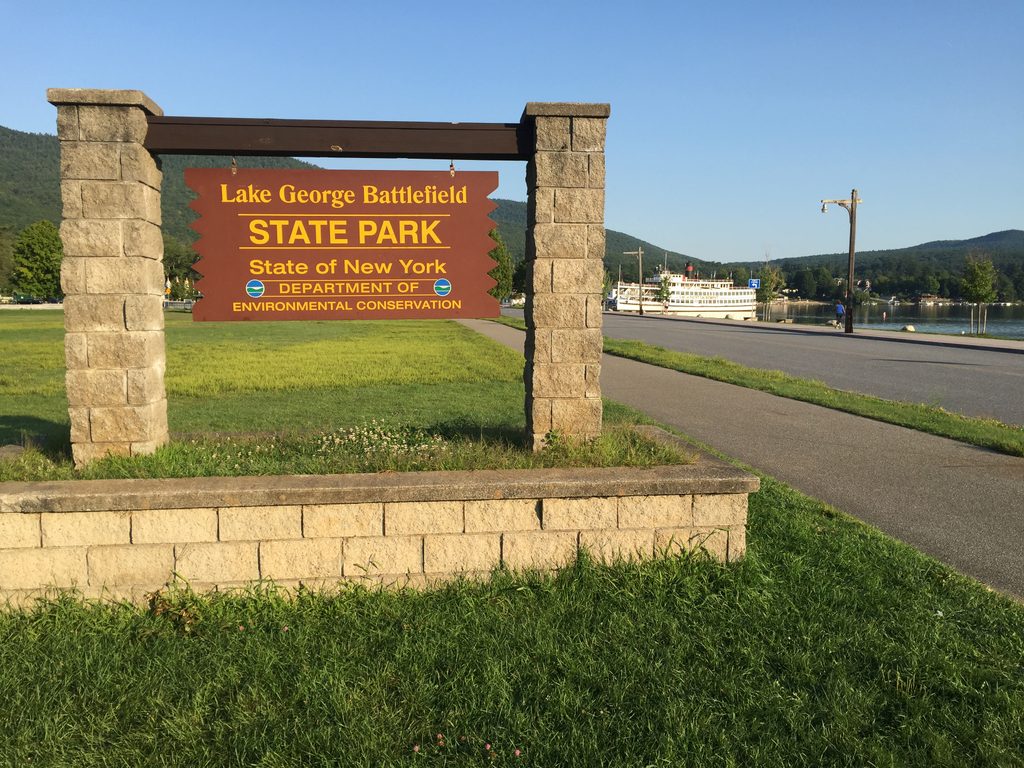
Place · 0 mi away
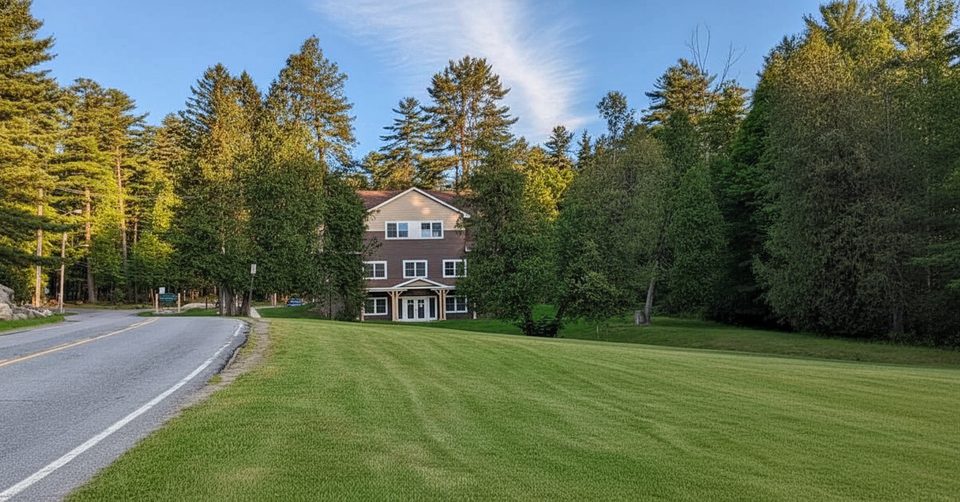
Place · 0.1 mi away

Place · 0.1 mi away
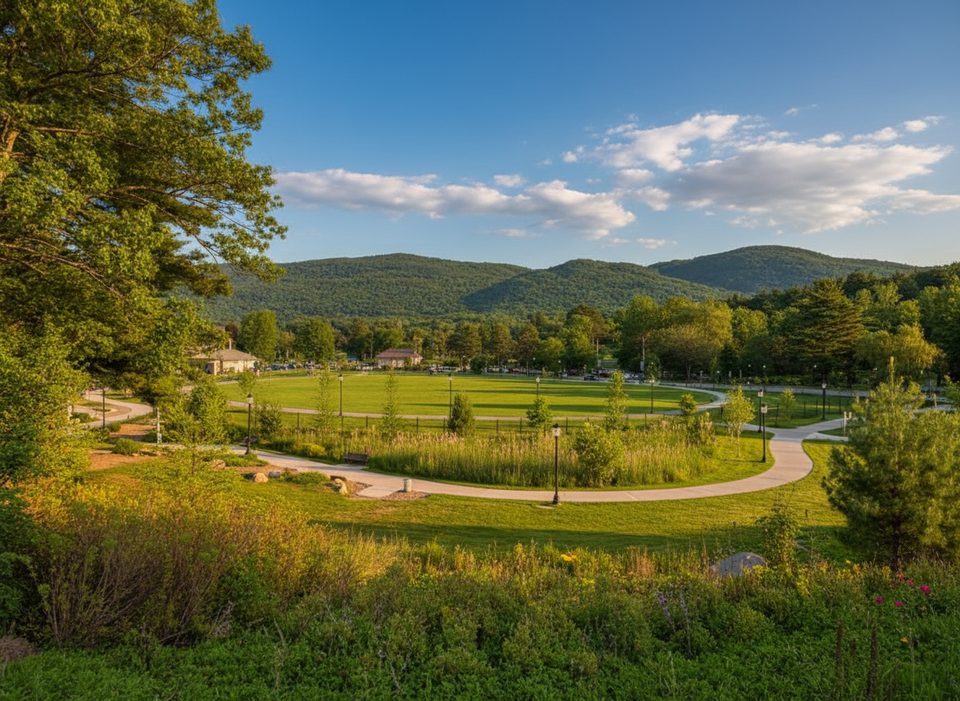
Easy · 0.3 mi away

Challenging · 0.9 mi away
Moderate · 1.5 mi away

Moderate · 5.5 mi away

Parkwolf Tour Guide
