Why go
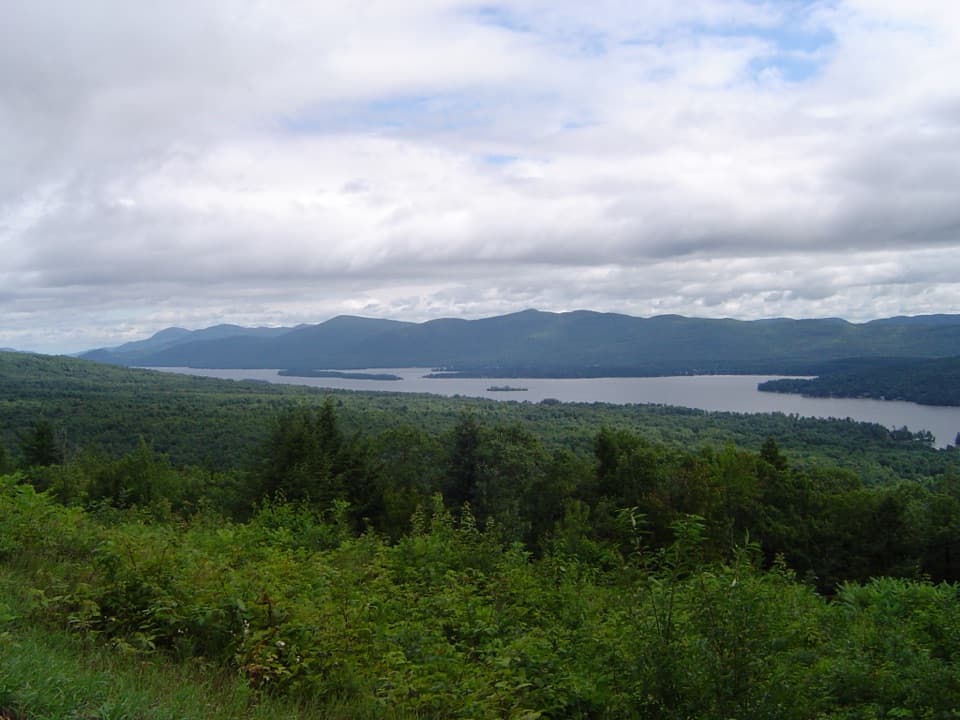
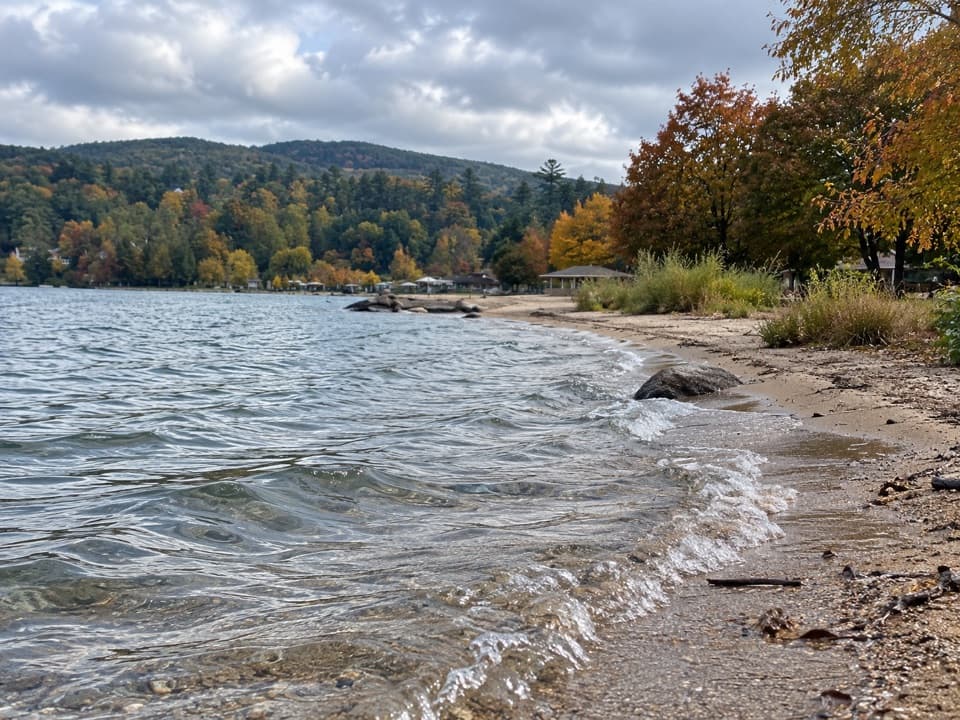
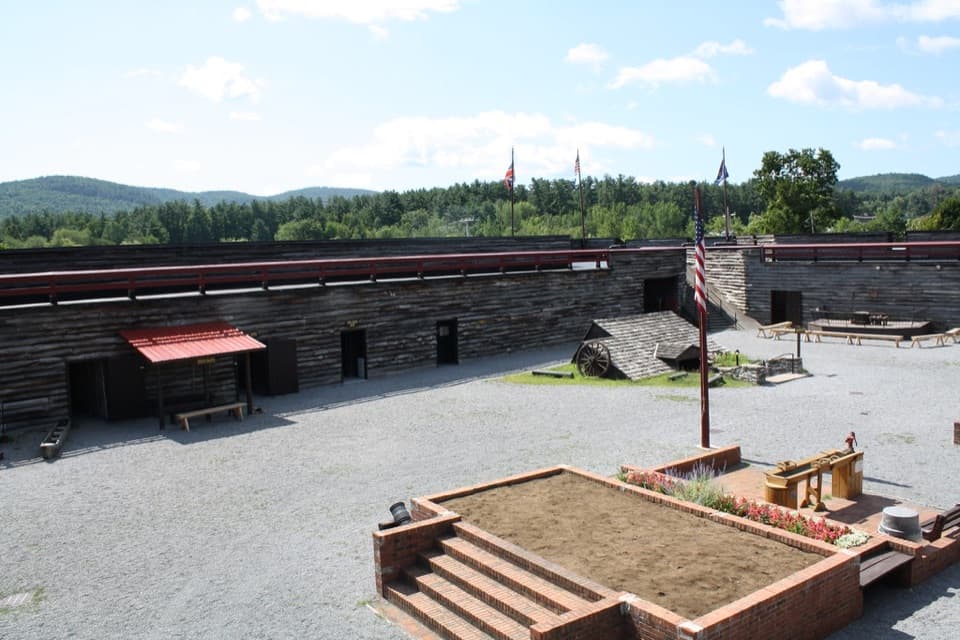
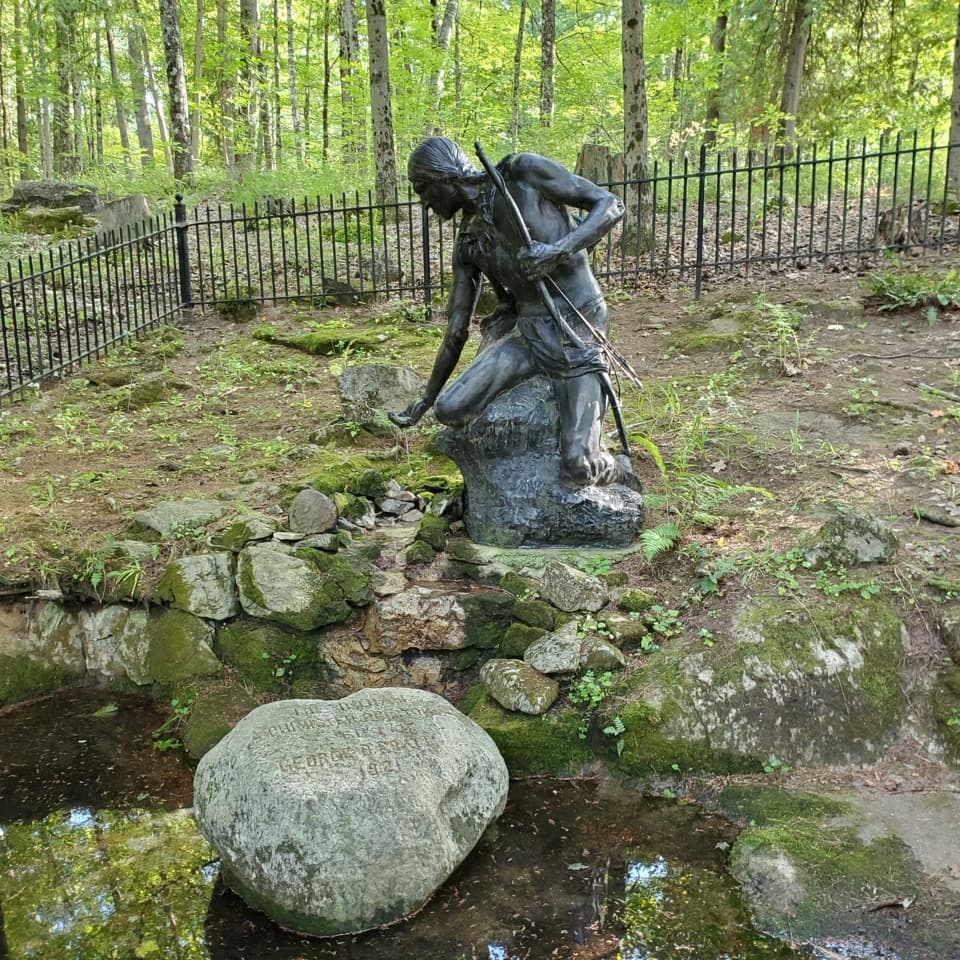
This is the place where Lake George’s past feels immediate: earthen trenches, the remains of Fort George, and a ring of monuments to people who shaped the region—Father Isaac Jogues, King Hendrick Theyanoguin, and William Johnson among them. It’s not a flashy stop; it’s a contemplative one, with lake views and big stretches of grass that let the 18th century sink in.
What you'll see
- Fort George ruins, battlefield earthworks, and archaeological sites dotted across roughly 118 acres.
- Dozens of interpretive panels and restored monuments that make a self-guided walk easy and worthwhile.
- A seasonal Visitor Interpretive Center on Fort George Road that anchors the story and often runs free, one‑hour Saturday tours in season.
A quick history hit
- French & Indian War: Site of the 1755 Battle of Lake George; the aftermath led to Fort William Henry and later Fort George.
- American Revolution: In 1776, this area hosted what’s noted as the largest smallpox hospital in North America.
- Commemoration: Early 20th‑century monuments—recently restored—reflect a century‑plus of preservation.
How to do it
- Start at the Visitor Center (seasonal) for context, then loop the interpretive paths to the Fort George site and key monuments.
- Bring a picnic—there are picnic tables, grills, and even pavilions you can rent for groups.
- If you’re biking, the Warren County Bikeway connects right through the area, making this an easy history stop on a ride.
Wildlife
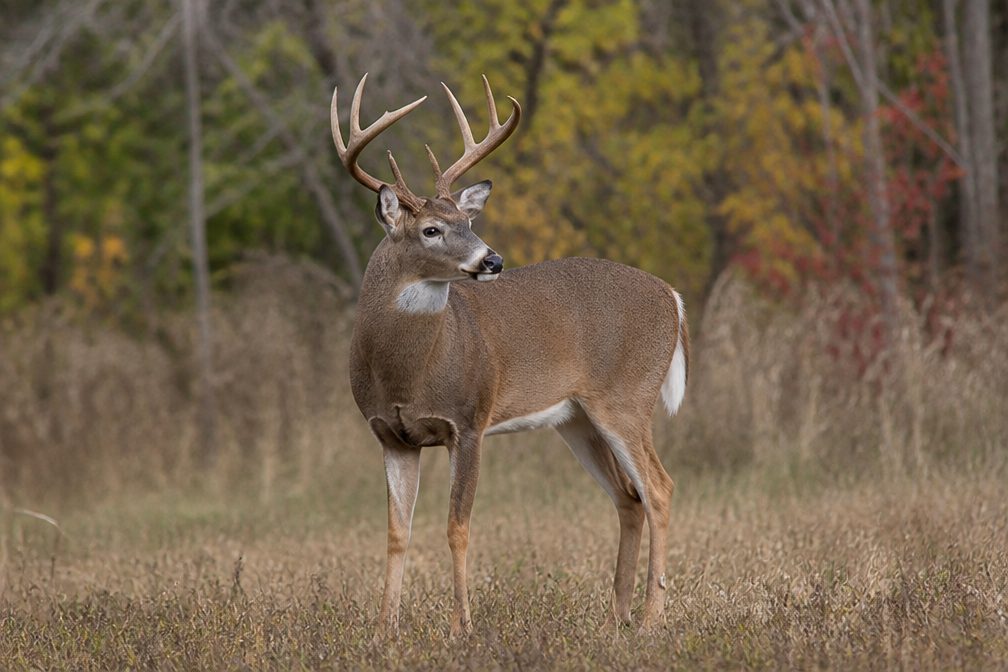
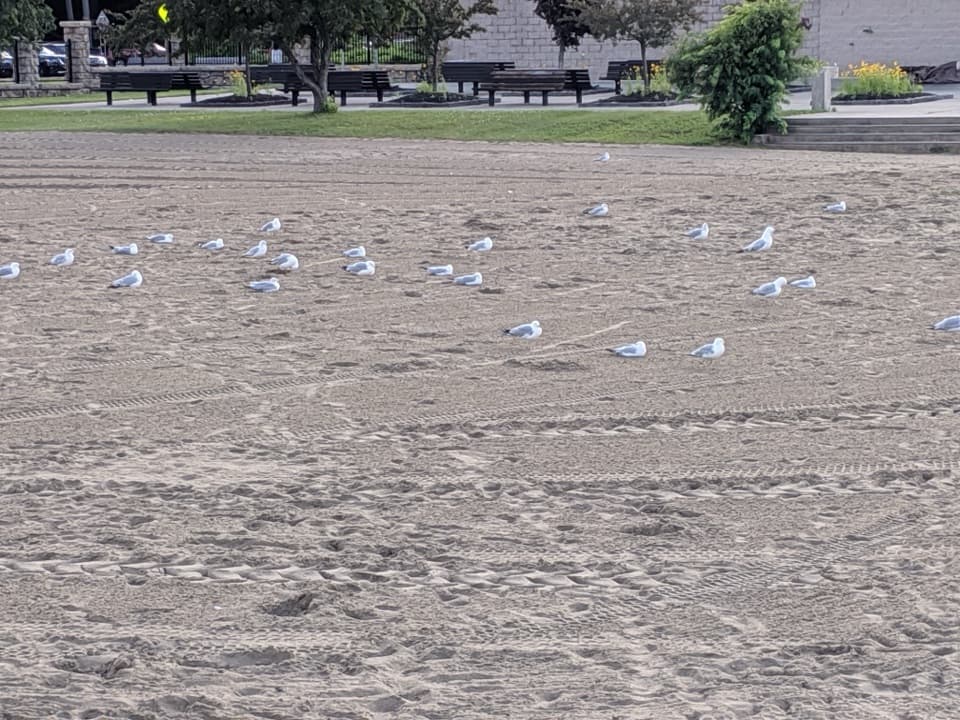
This is more history park than wildlife hotspot, but expect the usual Adirondack village regulars—songbirds, squirrels, and waterfowl near the shore—while you wander.
Practicalities
- Parking is generally fee-based in season (commonly cited as $10/car) and is free November–April.
- Facilities are basic; don’t expect the services you’d find at bigger recreation parks.
- Programming pops up throughout the year—especially archaeology-themed events—so check the event listings before you go.
Best time to visit
- Spring and fall: Best mix of mild weather, fewer crowds, and good light for photos.
- Summer: Busiest, but you’ll catch the most tours and special programs; go early morning or late afternoon for quieter paths and softer light.
- Weekdays beat weekends if you want a more reflective walk.