
Place · 1.1 mi away
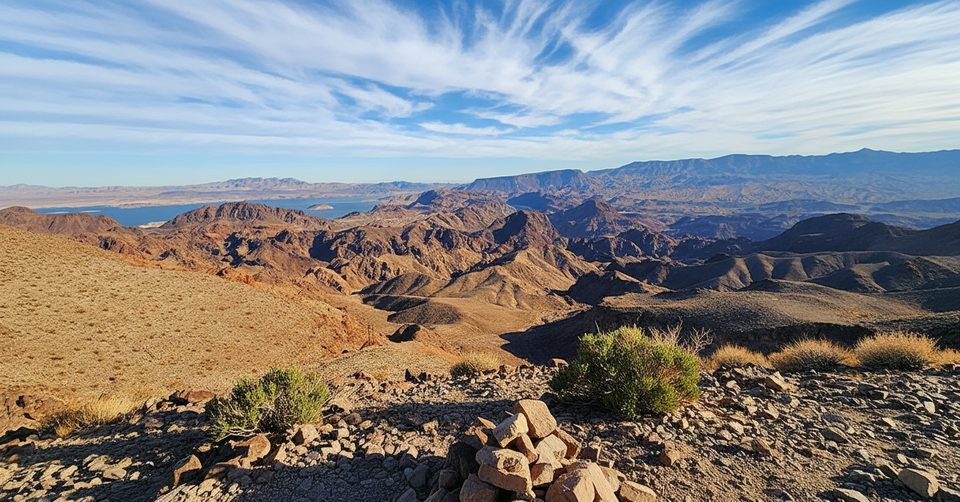
Black Canyon Overlook is about the big view: a high perch above the Colorado River’s namesake gorge with sightlines toward Lake Mead. Getting there is half the fun—a moderate 7.4‑mile out‑and‑back over desert singletrack that trades shade for wide‑open Mojave scenery.
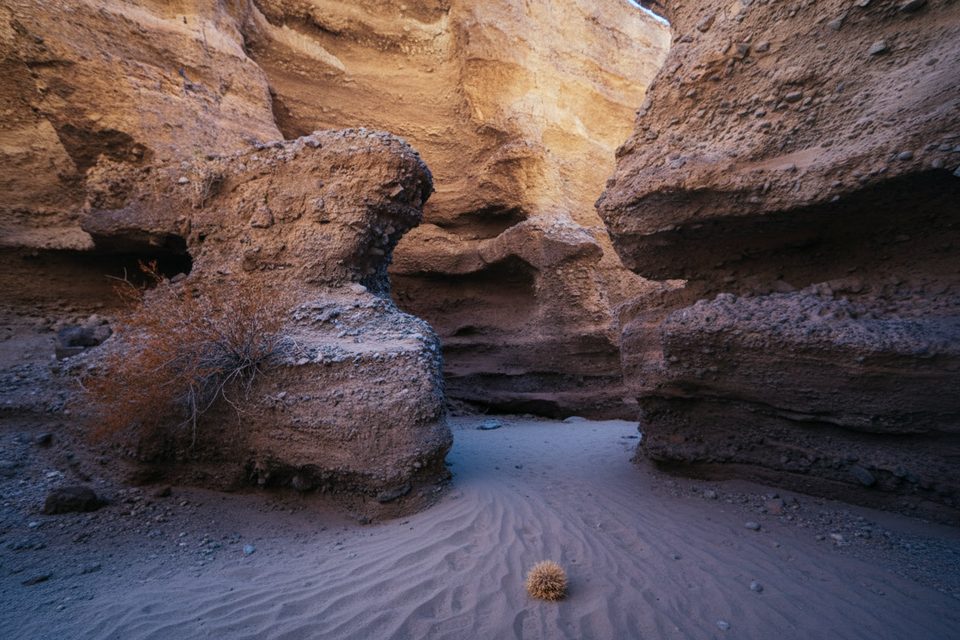
Expect layered desert vistas and the deep cleft of Black Canyon. The landscape here cuts through dark, late‑Tertiary volcanic rocks set against much older Precambrian metamorphic formations—an eye‑level crash course in the area’s geologic timeline. Keep scanning cliffs and slopes; desert bighorn sheep are known to haunt these walls.
Footing alternates between hardpack and loose gravel, especially near the overlook. It’s exposed the whole way, so plan for sun from the first step.
Over hundreds of millions of years, seas advanced and retreated, leaving limestones and shales; dune fields later formed the bright Aztec sandstone. About 17 million years ago the crust stretched, faults opened, and volcanic activity followed—setting the stage for today’s basalt‑capped highlands and fractured canyons. As lakes spilled and the Colorado River carved down, Black Canyon was cut open, exposing that deep history.
The cliffs along the river corridor are classic habitat for desert bighorn sheep. If you spot them, keep your distance and enjoy the sighting—early and late in the day are your best odds.
This overlook sits within Lake Mead National Recreation Area; standard NPS entrance fees apply. The route is popular but often quiet at the bookends of the day. There’s no reliable shade and the heat can be severe—carry plenty of water and electrolytes, wear sun protection, and check current park advisories before you go.
November through April is the sweet spot for cooler temps and safer hiking. Aim for early morning or late afternoon for softer light on the canyon walls and fewer people. In summer, avoid the midday window entirely; it’s not worth the risk.
Place · 1.1 mi away
Place · 1.1 mi away
Place · 1.1 mi away
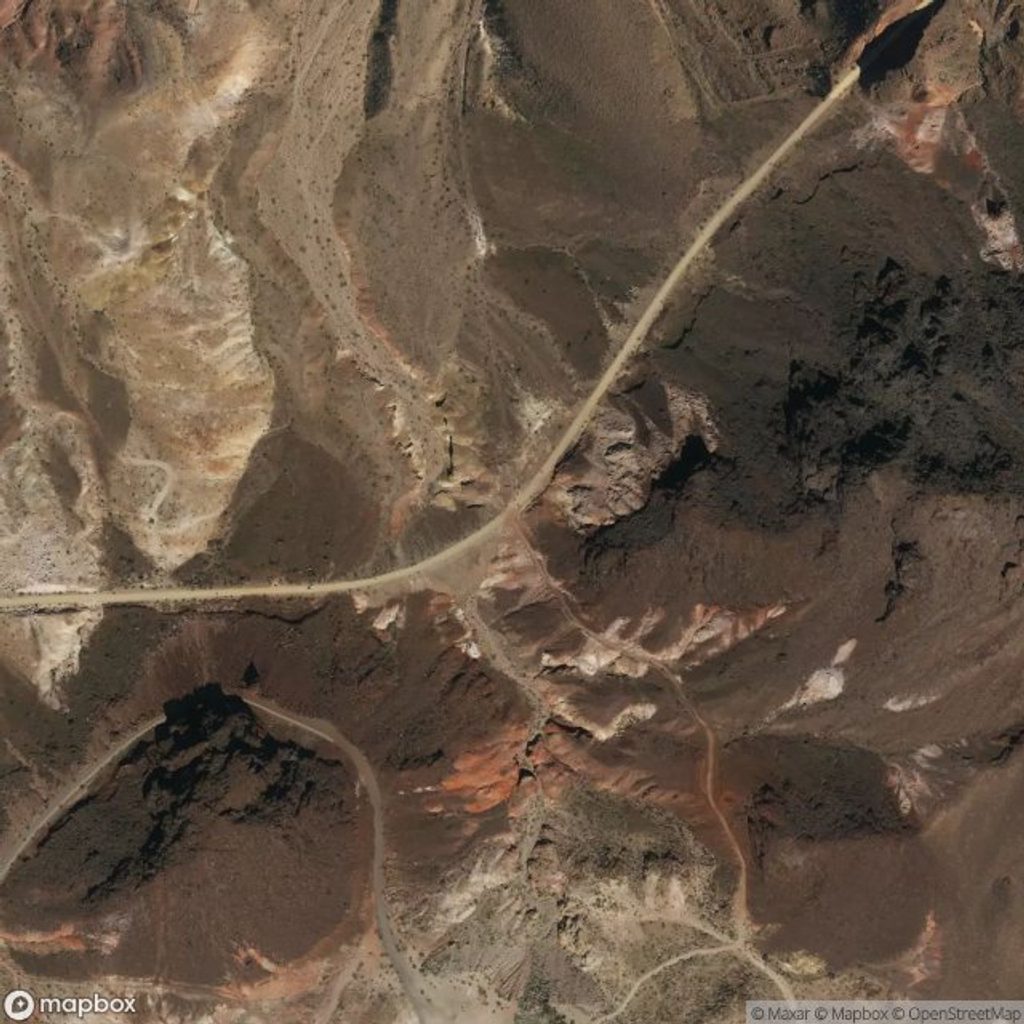
Place · 1.3 mi away
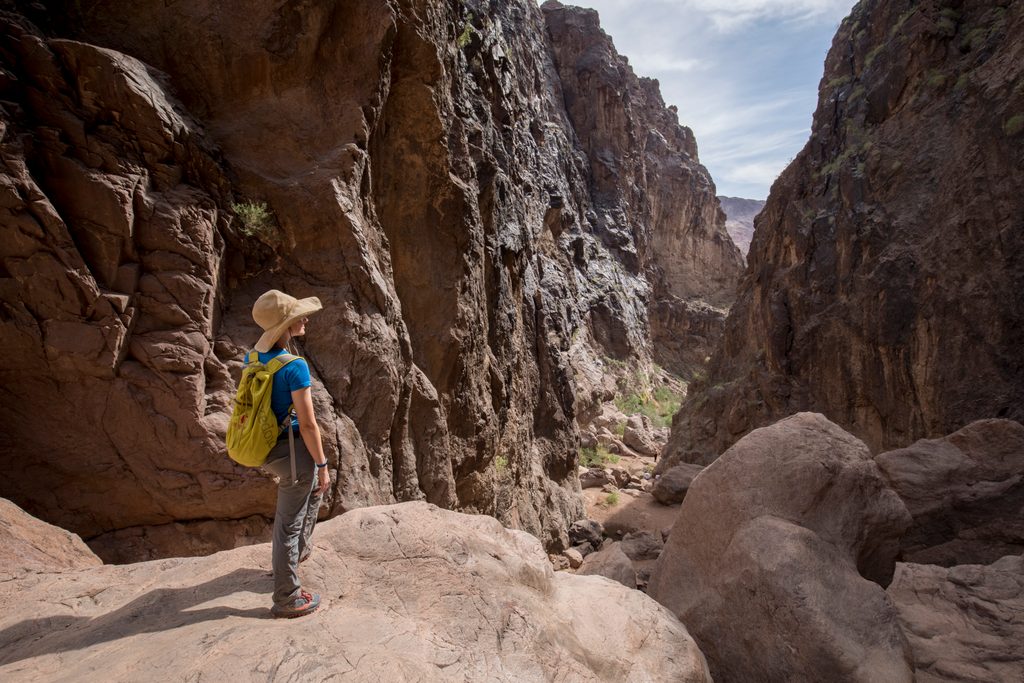
Challenging · 1 mi away
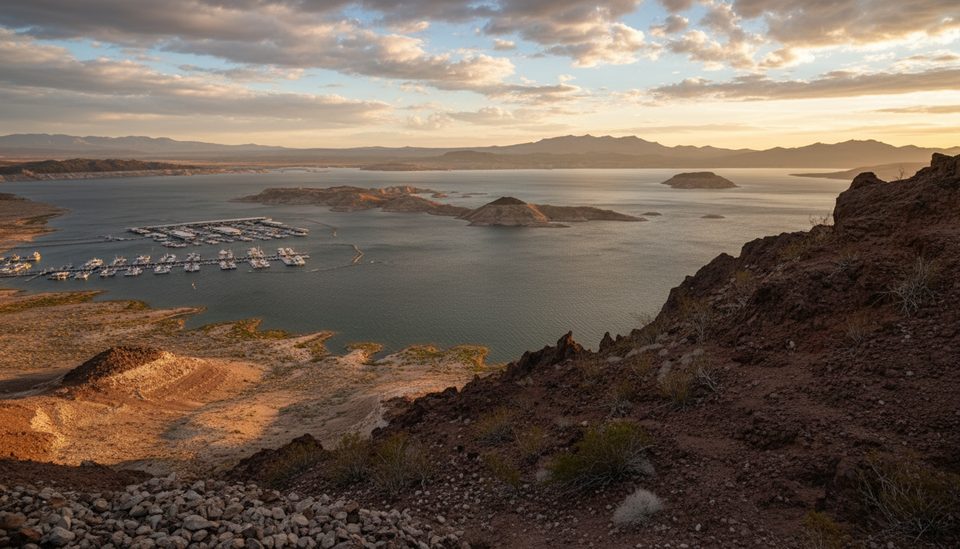
Easy · 1.7 mi away
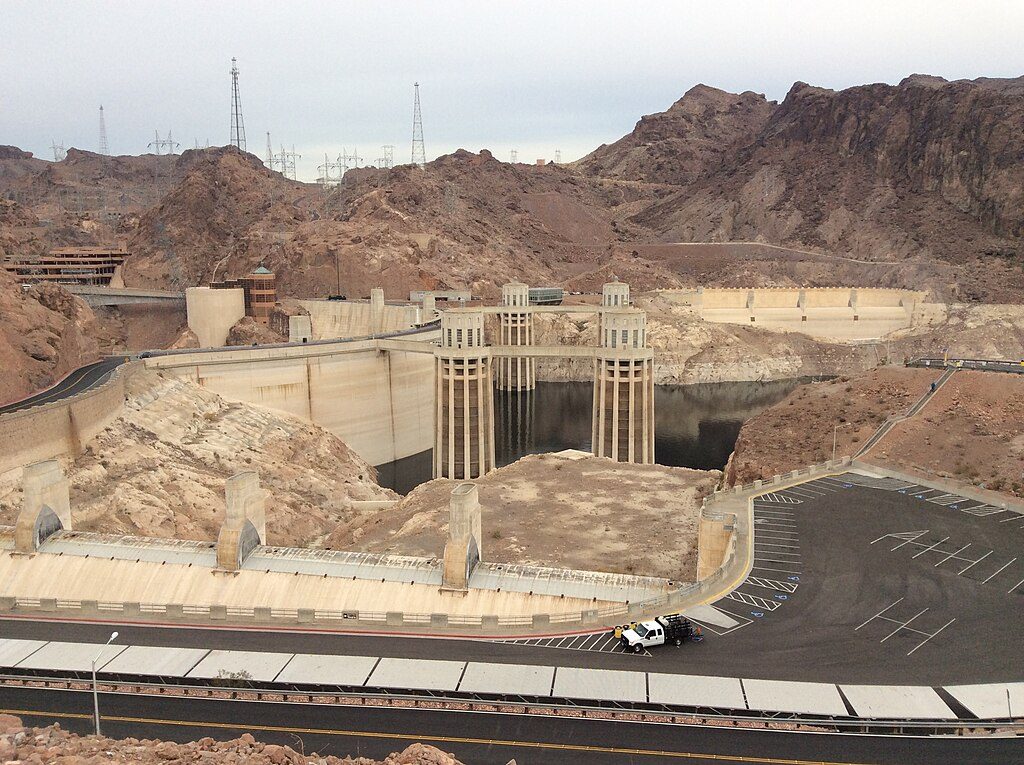
Moderate · 3 mi away
Easy · 4.1 mi away

Parkwolf Tour Guide
