
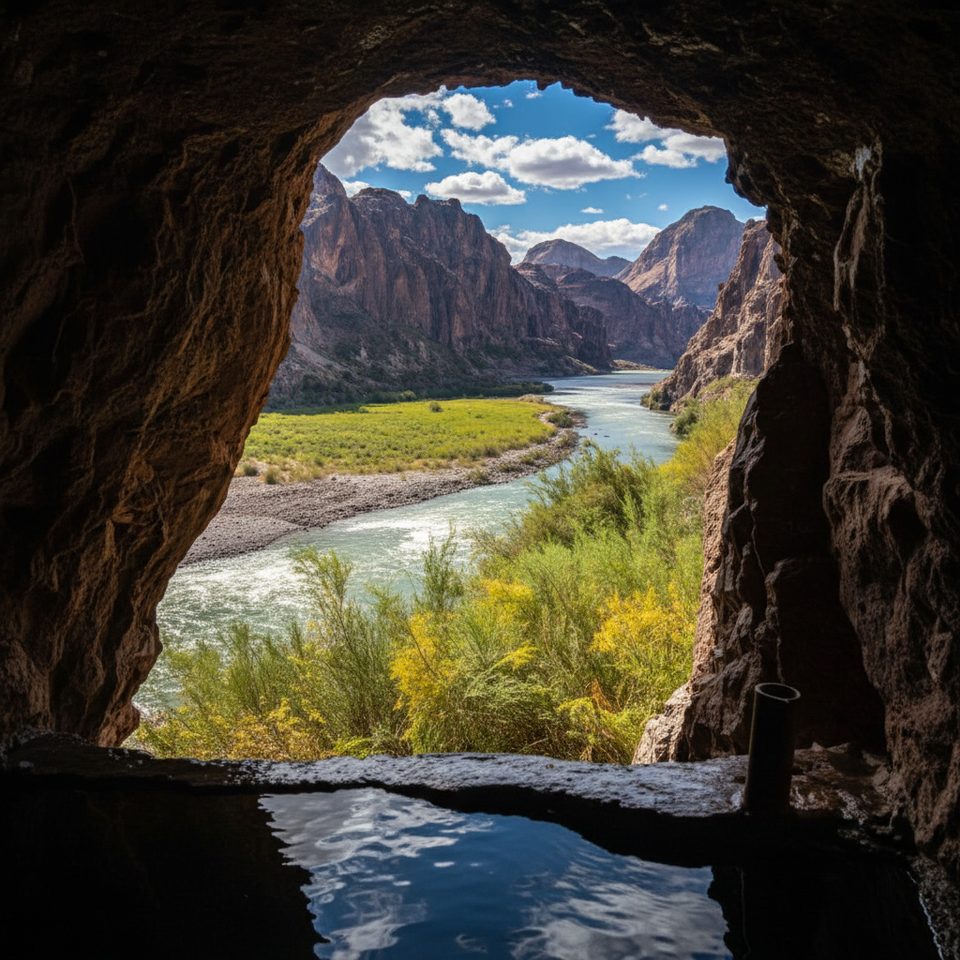
Place · 0.2 mi away
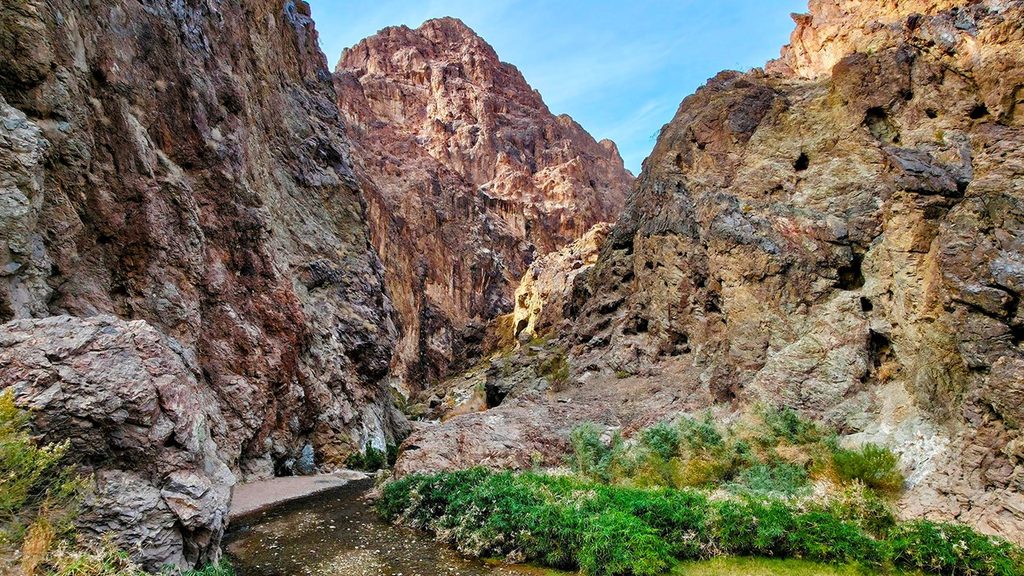
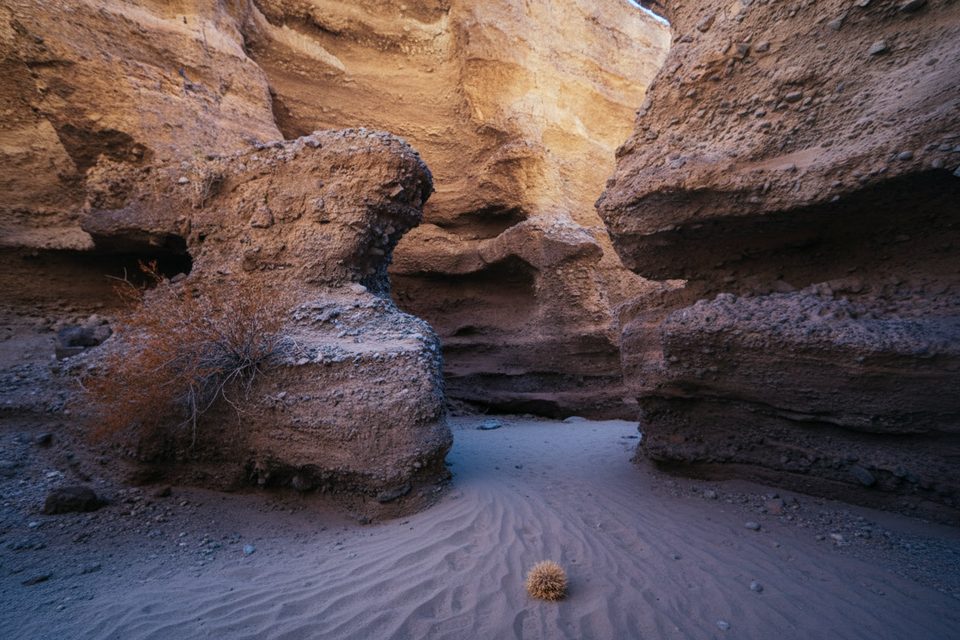
Goldstrike Canyon Hot Springs is a raw, beautiful slice of desert adventure: geothermally heated water (about 109°F at the source) seeps from the canyon walls and pools up in a series of primitive rock tubs on the way to the Colorado River. It’s one of the more dramatic, rewarding experiences around the lake—if you’re up for a serious scramble.
From the trailhead just off US‑93 near the Mike O’Callaghan–Pat Tillman Memorial Bridge, you’ll descend roughly 2.5 miles through sandy wash, narrow slots, and big boulder piles to the river. Expect seven to eight rope‑assisted drops; none of these ropes are managed or inspected by the park, so test every line and be ready to downclimb if needed. The route includes steep dryfalls and slick rock. Some sources even consider technical gear; bottom line: know your limits. Pools vary in temperature and flow; upper tubs can silt in or dry out while others downstream stay pleasantly hot.
This canyon closes seasonally for extreme heat—typically May 15 to September 30. Respect the closure. Flash floods are a real hazard; skip the hike if rain is in the forecast. Carry all the water you’ll need and electrolytes. Do not drink from any pool. Thermal waters can harbor organisms like Naegleria fowleri—keep your head above water and avoid getting water up your nose. The park considers this route strenuous and not recommended for pets due to the dryfalls.
You’re walking a faulted, volcanic landscape where fractures channel groundwater deep enough to heat, then send it back to the surface. Gold Strike Canyon exposes plutonic rock, volcanic breccias, dikes, and multiple faults; the springs emerge near the termination of the Palm Tree fault where it meets the Salt Cedar fault zone, leaving gypsum crusts and a carbonate mound around discharge points.
Keep an eye out for desert bighorn sheep on the cliffs and a whole cast of desert dwellers—rattlesnakes, lizards, tarantulas, scorpions, even leopard frogs near water. Give everything space and watch where you place hands and feet in the scrambles.
Go in fall, winter, or early spring. Start at dawn for cooler temps, better light bouncing into the canyon, and fewer people. Weekdays are quieter; weekend parking fills fast. Shoulder‑season mornings offer the most comfortable soak without the heat risk.
Grippy closed‑toe shoes, optional light gloves for the ropes, layers, plenty of snacks, a small first‑aid kit, and 2–3+ liters of water per person. A headlamp is smart if your day runs long. And remember: pack out every scrap.
Place · 0.2 mi away
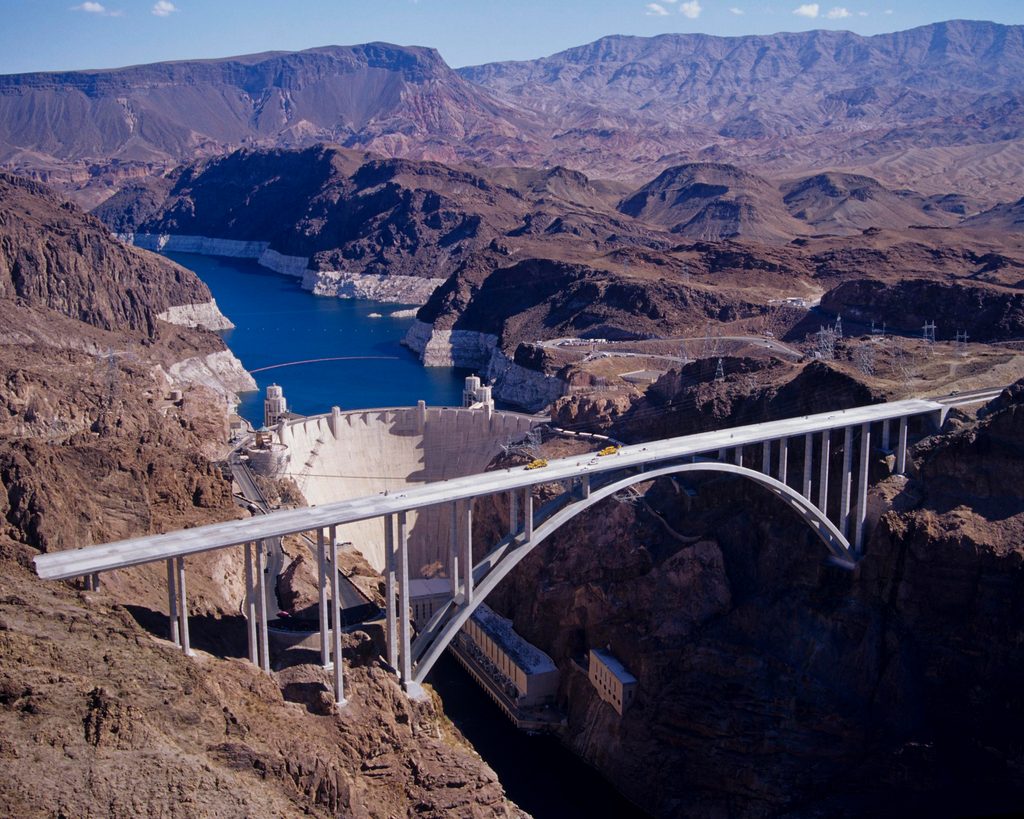
Place · 0.8 mi away
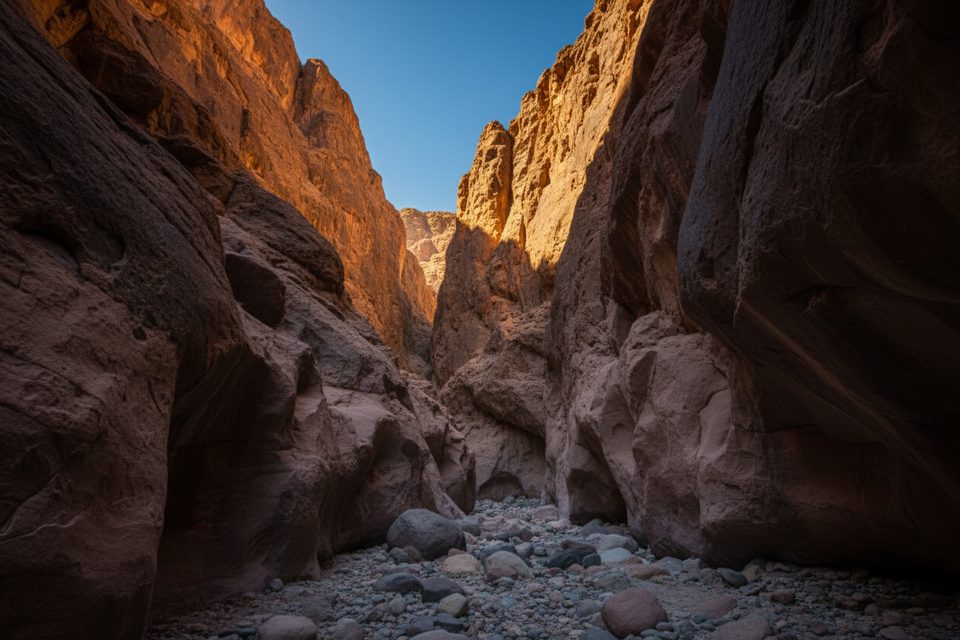
Place · 1.1 mi away
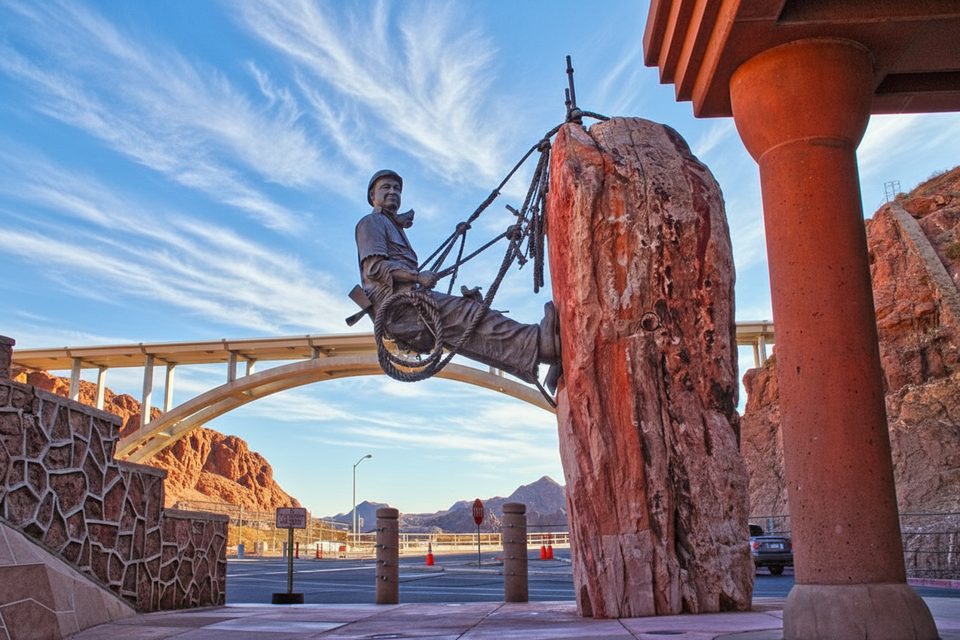
Place · 1.1 mi away
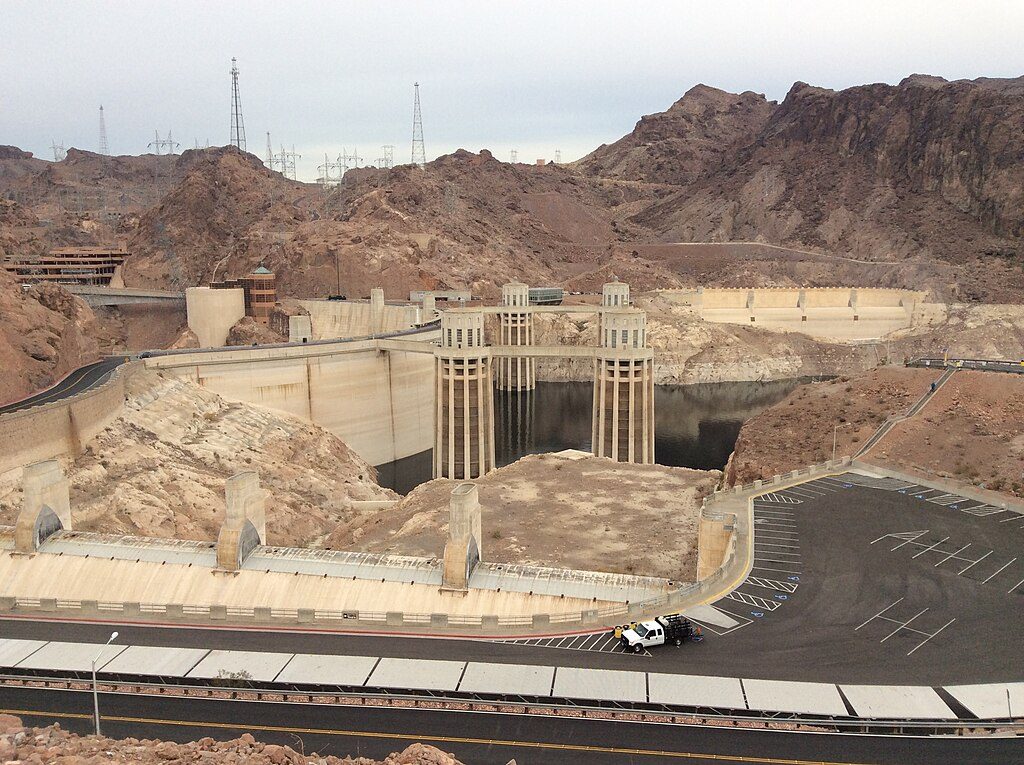
Moderate · 1.1 mi away
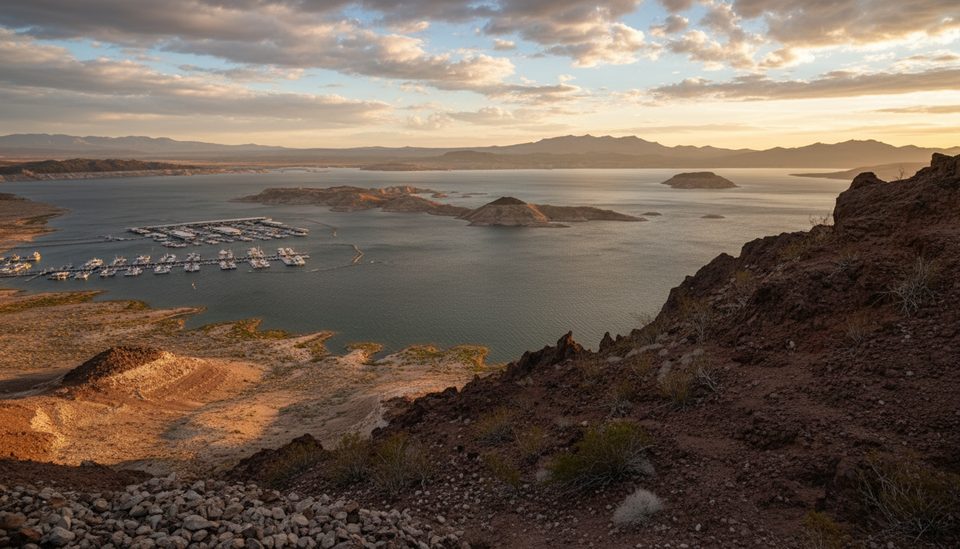
Easy · 1.6 mi away
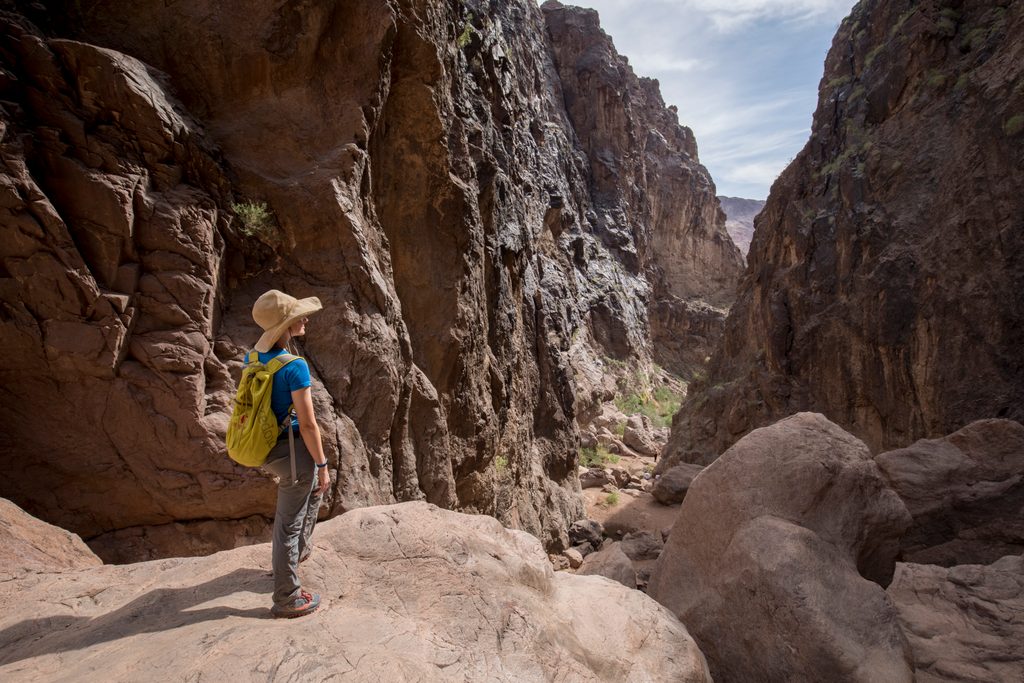
Challenging · 1.9 mi away
Easy · 2.4 mi away

Parkwolf Tour Guide
