
Place · 4.6 mi away
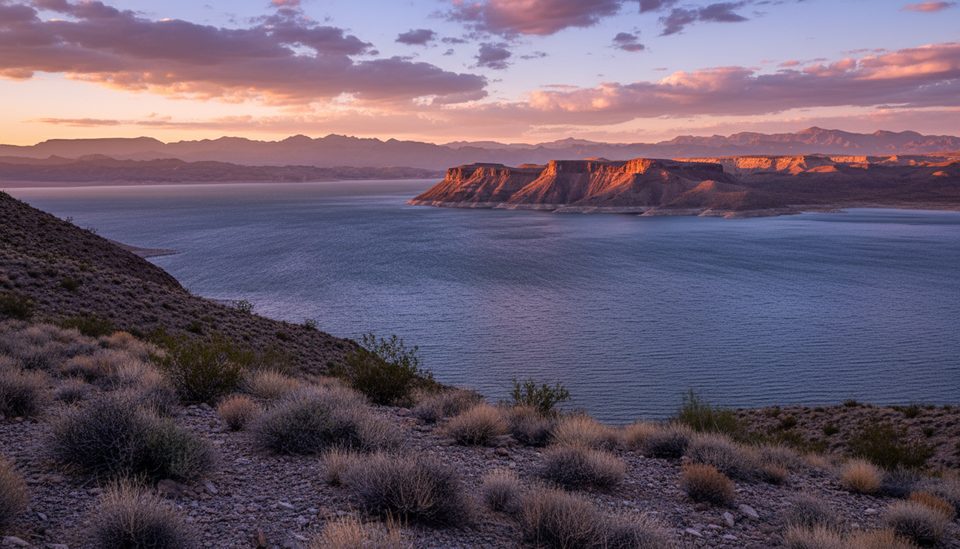
Gregg's Hideout is a true backcountry camping cove on the Arizona side of Lake Mead—quiet, starkly beautiful, and wonderfully far from everything. Expect rocky Mojave Desert terrain, sparse vegetation, and wide-open lake vistas. It’s primitive and first-come/first-served, with two composting toilets but no water, electricity, or trash service. Solitude is a big part of the draw.
Most visitors approach on long stretches of dirt, then a rougher, narrower road inside the recreation area with loose gravel, sand, sharp rocks, and multiple washes. High clearance is required; 4WD is recommended—especially after rain, when the final wash section can flash flood, and for the climb out of the cove. Approved backcountry roads are marked with yellow arrows and black road numbers; driving off unmarked routes is prohibited. An alternate approach from Pearce Ferry Road reaches the cove area in roughly 17 miles of dirt.
This is dispersed shoreline-style camping when lake levels allow access. There are two non-flush composting/vault toilets, but no potable water, power, or trash. Bring everything you need and pack out everything you bring. Expect little to no shade.
When water is up, you can camp near the shoreline for swimming or launching small craft; when it’s low, plan on a walk to the water. Anglers target common Lake Mead species such as striped and largemouth bass, catfish, crappie, and sunfish. A valid fishing license is required; check current regulations and lake conditions before you go. The remoteness also suits low-key hiking and simply soaking up the quiet.
The approach passes through classic Mojave country with Joshua trees, yuccas, barrel cactus, and ocotillo. Wildlife in this region can include desert bighorn sheep, coyotes, kit foxes, burros, many lizards, rattlesnakes, and raptors—give them space and watch your step in rocky, brushy spots.
Back-road travel here is no joke: sharp rocks threaten tires, sand can be deep, and washes are flood-prone. There’s typically no service for major carriers. Carry plenty of water, travel with a real spare and repair kit, and tell someone your plan and return time. Avoid the drive during or after rain.
Late fall through spring offers the best camping weather. Summer commonly runs over 100°F (reports up to around 109°F), and there’s virtually no shade—only attempt it with serious heat planning. For photography and cooler temps, aim for early and late in the day. Even on weekends it’s often quiet thanks to the long, rough approach.
Place · 4.6 mi away
Place · 5.2 mi away
Place · 5.3 mi away
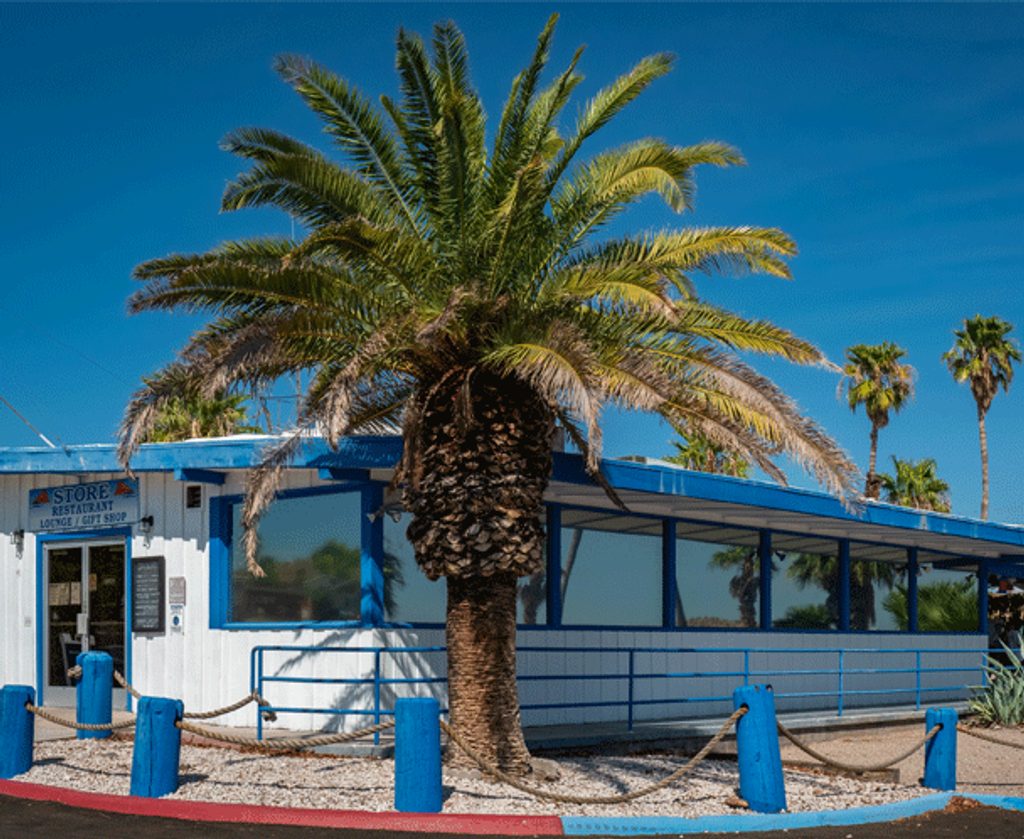
Place · 5.3 mi away
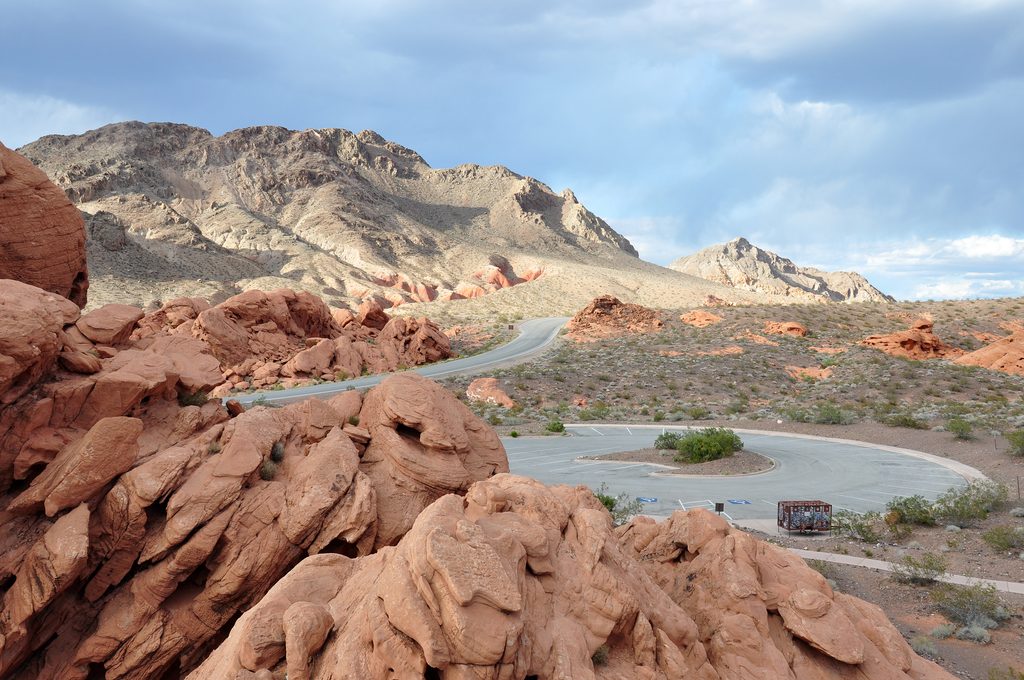
Easy · 22.5 mi away
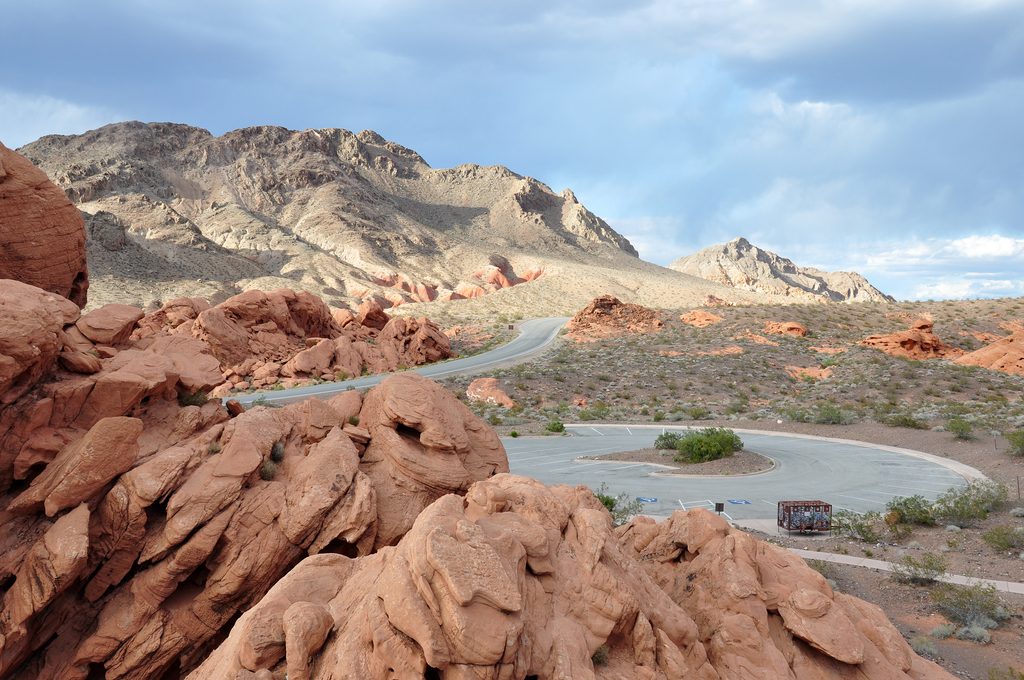
Easy · 22.6 mi away
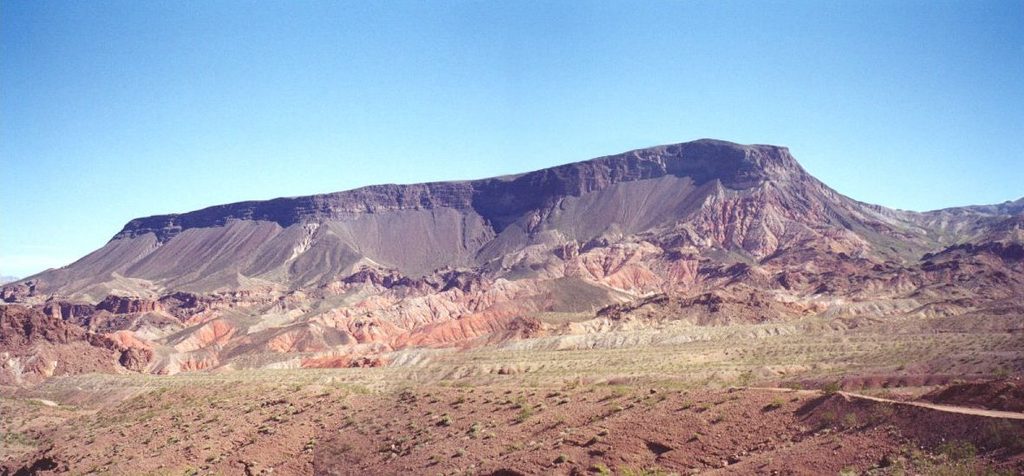
Challenging · 24.4 mi away
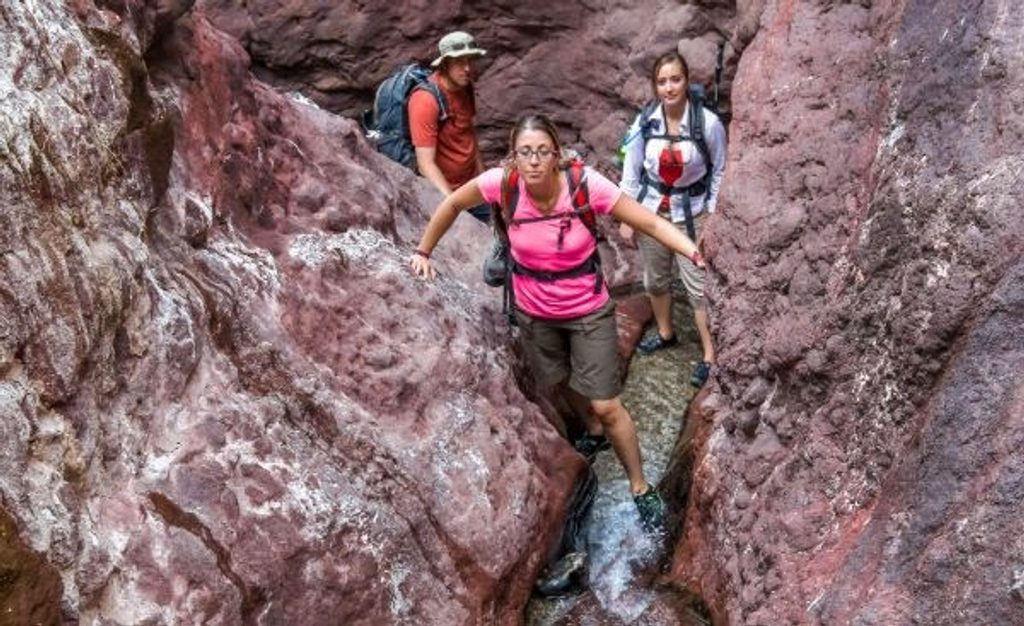
Challenging · 26 mi away

Parkwolf Tour Guide
