
Place · 1.3 mi away
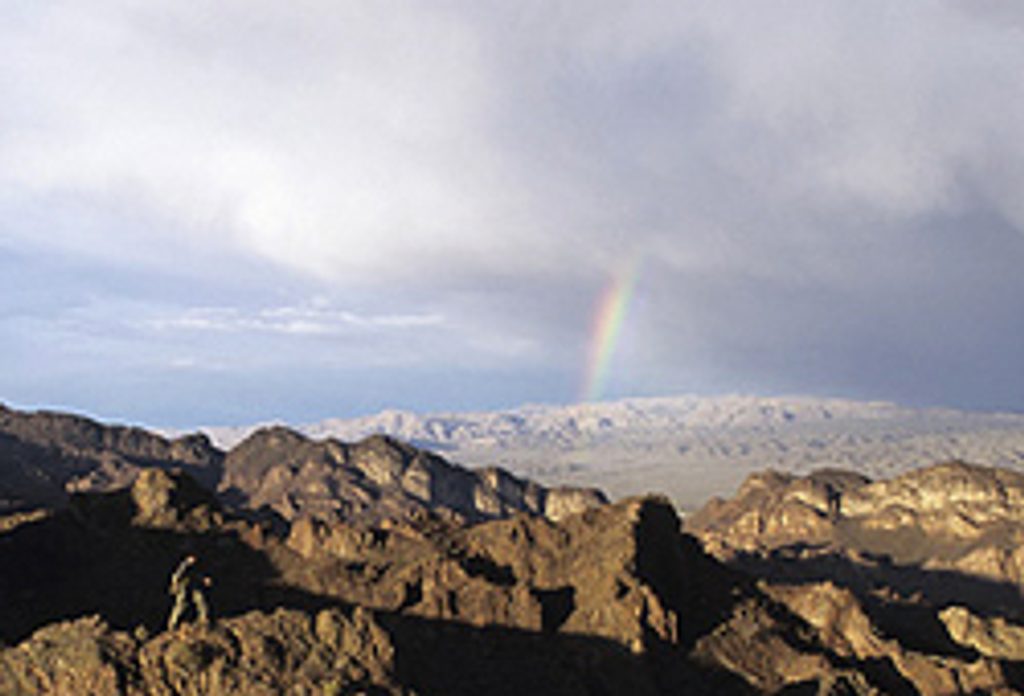
Jimbilnan Wilderness is a quiet, 18,879‑acre slice of backcountry on the north side of Lake Mead. Designated in 2002 and managed by the National Park Service, it adjoins Pinto Valley Wilderness and stretches from the northeast flank of the Black Mountains toward the lake. The name itself is a mash‑up of Jim, Bill, and Nancy—the NPS staff who surveyed the area—fitting for a place that still feels hand‑picked for solitude.
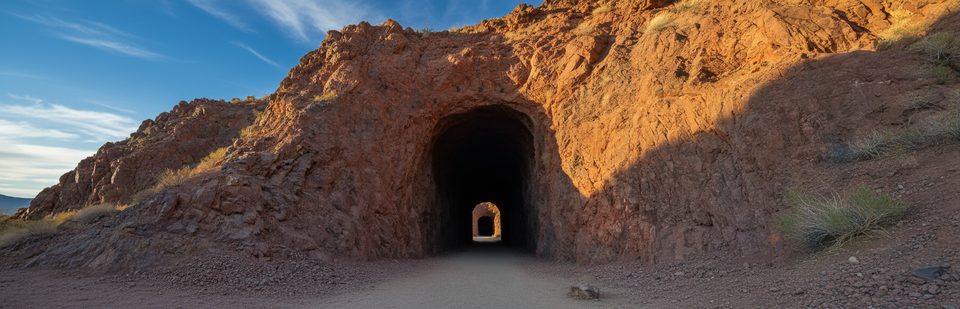
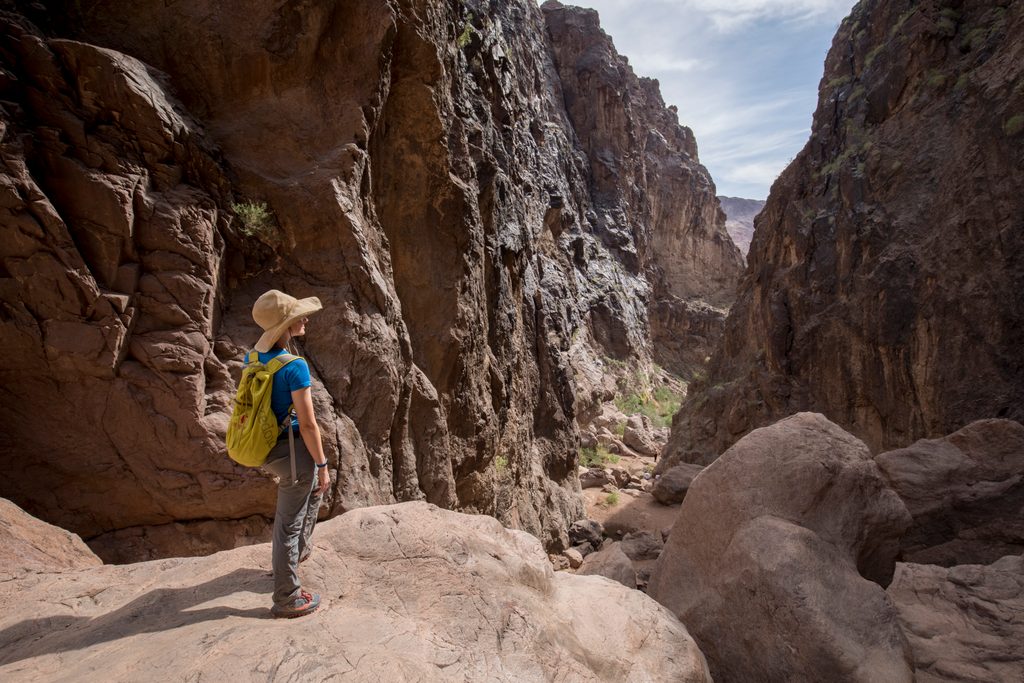
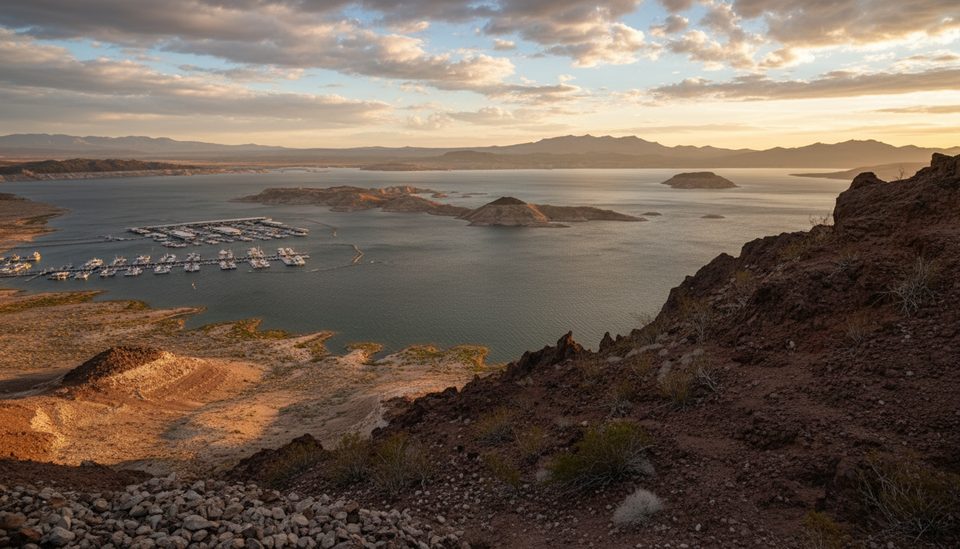
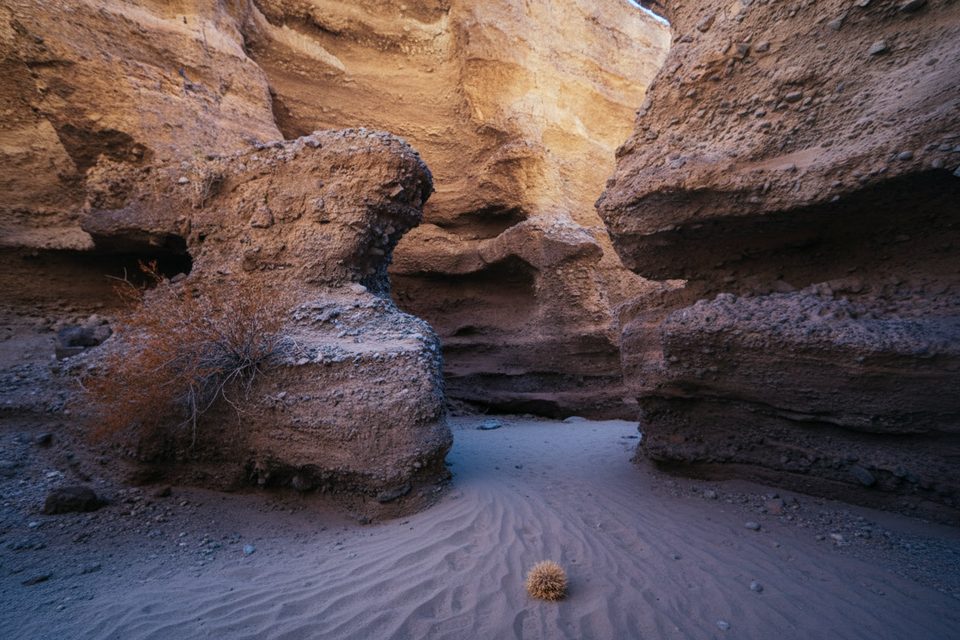
Picture steep, eroded canyons draining a high desert plateau, punctuated by jagged pillars and rock spires that glow orange and red in low light. Views swing wide toward Lake Mead and the Cathedral Peaks ridgeline. Vegetation is classic Mojave: creosote bush scrub with yucca and scattered cacti, plus sensitive plants like Las Vegas bearpoppy, sticky buckwheat, and milkvetch species. Wildlife is a real draw—desert bighorn sheep are often encountered. Raptors such as peregrine falcon, red‑tailed hawk, American kestrel, and Cooper’s hawk hunt the ridges, while near the lake you might spot bald eagles, American white pelicans, ospreys, and white‑faced ibis.
There are no developed trails or signed trailheads here—travel is off‑trail in broad washes and side canyons. Expect loose rock, occasional dryfalls, and light scrambling. It’s primitive and quiet, with high chances of having entire canyons to yourself. Some long‑distance hikers on the Mojave‑Sonoran route pass through for exactly that reason.
Most visitors approach from Northshore Road and use the dirt Boathouse Cove Road, which runs between Jimbilnan and Pinto Valley Wilderness. The first mile is generally fine for high‑clearance; beyond that, conditions can require 4WD. Boat‑in access to the wilderness margins from Lake Mead coves is also possible. A primitive parking/camping area exists at the end of Boathouse Cove Road, but policies and conditions change—verify current rules before you rely on it.
This is designated wilderness: no motorized or mechanized travel within the boundary. Pack out everything. Well‑behaved dogs are allowed; keep them under control around wildlife and in heat. Camping is dispersed and low‑impact only; check current Lake Mead NRA alerts before your trip—some nearby areas (like parts of Government Wash as of August 1, 2024) have seen vehicle and overnight restrictions, even though hiking and shoreline use may remain open.
Late fall through spring is the season here. Summer heat is extreme and there is no natural water. For photography and wildlife, aim for early and late day when rock spires fire up with color and bighorn are more active. Weekdays are reliably empty; even on weekends, crowds are minimal.
Place · 1.3 mi away
Place · 1.3 mi away
Place · 1.3 mi away
Place · 1.4 mi away
Challenging · 2.5 mi away
Easy · 3.3 mi away
Moderate · 5.4 mi away
Easy · 6.6 mi away

Parkwolf Tour Guide
