
Place · 0 mi away
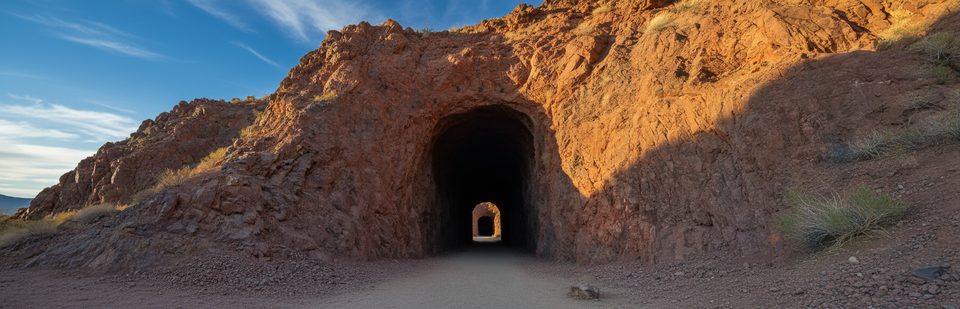
This is the photogenic heart of the Historic Railroad Trail: five oversized, Hoover Dam–era tunnels bored through volcanic hillsides above Boulder Basin. The grade is gentle and the surface is compact gravel, so you get maximum scenery for minimal effort as Lake Mead spreads out below.
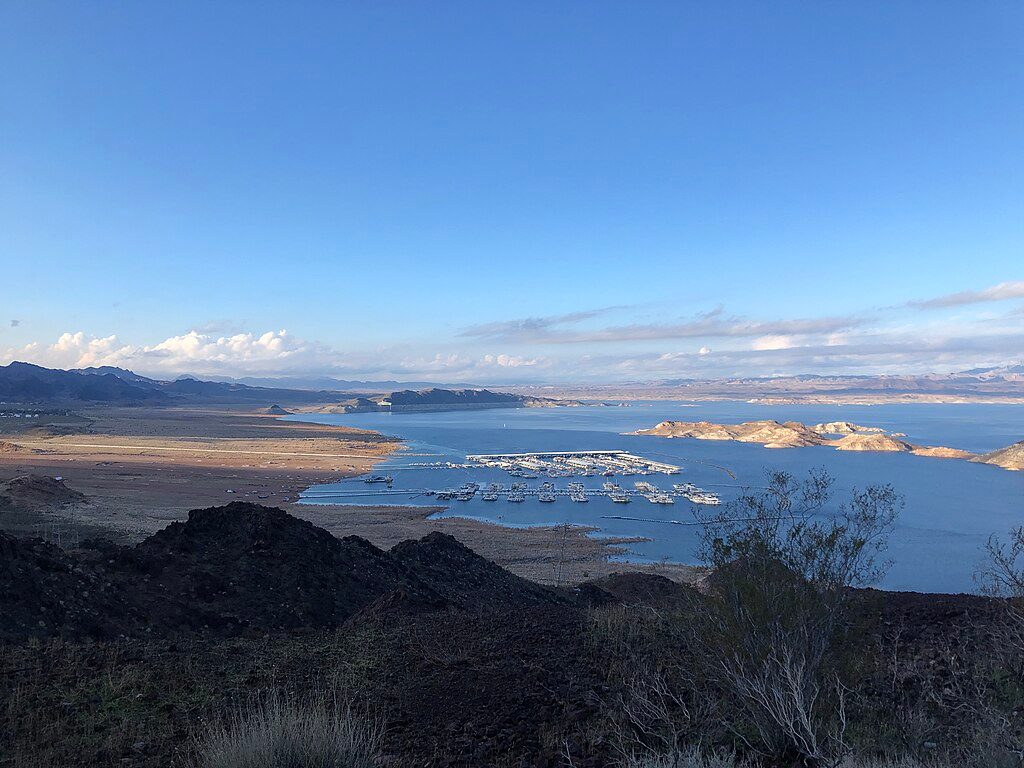
Each tunnel was built to fit dam-bound trains—roughly 25 feet wide, about 30 feet tall, and around 300 feet long—so they feel cavernous as you walk or bike through. One tunnel still shows the original vertical timbering, while others bear modern rockfall protections; two even use shipping-container corridors as added shields. Between tunnels, the trail frames sweeping views across Boulder Basin to dark, basalt‑capped mesas born of the area’s volcanic past.
The railroad grade was carved in 1931 to haul the massive supplies that built Hoover Dam. After the tracks were removed in 1962, the corridor eventually reopened as today’s multi‑use trail, with a public connection toward the dam added later. You’re quite literally walking through the region’s engineering story.
From the trailhead near the Lake Mead Visitor Center, it’s about 3.7 miles one way past all five tunnels, with an easy, mostly level profile. Expect fine gravel underfoot and a few short, slightly steeper bits, but nothing technical. Dogs are allowed on leash, and you’ll share the path with cyclists and runners—keep right and be alert through the tunnels.
Bats commonly roost in the tunnels seasonally—listen quietly and you may hear them. Desert bighorn sheep roam the cliffs above the lake; your best chance is early or late in the day when the heat breaks.
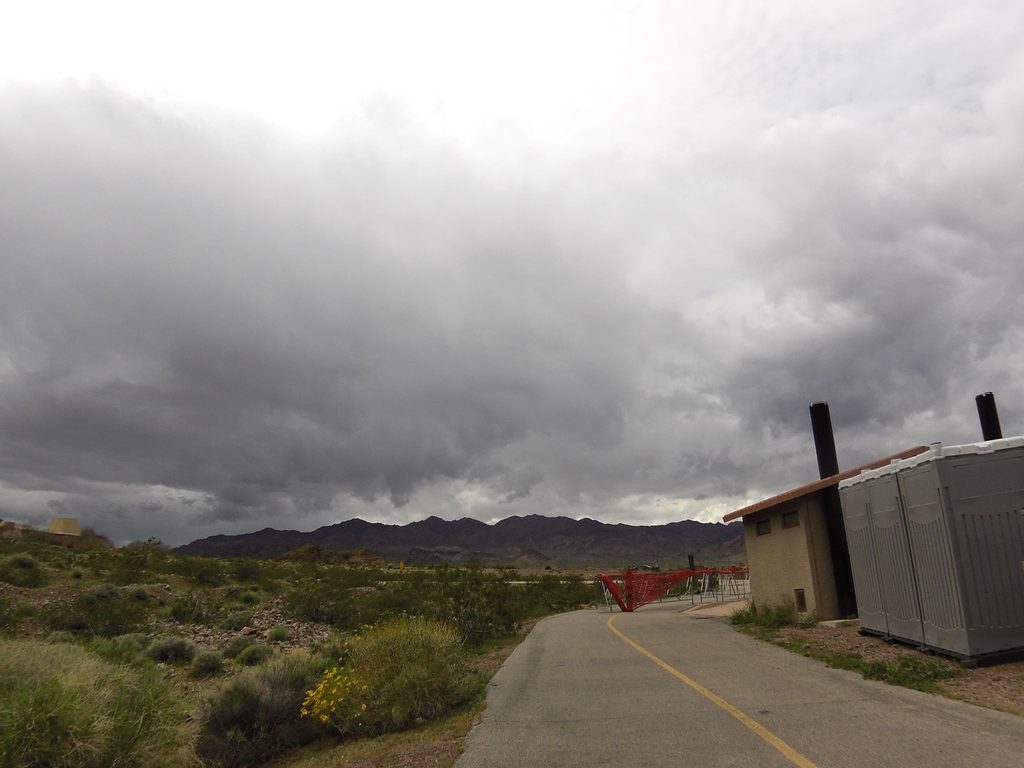
There are no facilities at the tunnels. Use restrooms at the main Historic Railroad Trailhead by the Lake Mead Visitor Center; limited facilities and a picnic spot lie farther along the route, not at the tunnel area. You’ll find benches here and there, plus a self‑service bike repair station at the trailhead.
Heat is the hazard. From late spring through early fall, the gravel and surrounding rock can bake—surface temps can soar when air temps spike—so carry more water than you think you need and start very early. Keep dogs leashed and yield appropriately. If you plan to continue toward Hoover Dam, know that security gates near the dam may at times be closed.
October–April is prime: cooler air, clearer views, and softer light. Aim for sunrise to mid‑morning for the most comfortable temps and fewer people; late mornings and afternoons tend to get busier. Golden-hour light plays beautifully across Boulder Basin, but plan your turnaround to finish before dark.
Place · 0 mi away
Place · 0 mi away
Place · 0.1 mi away
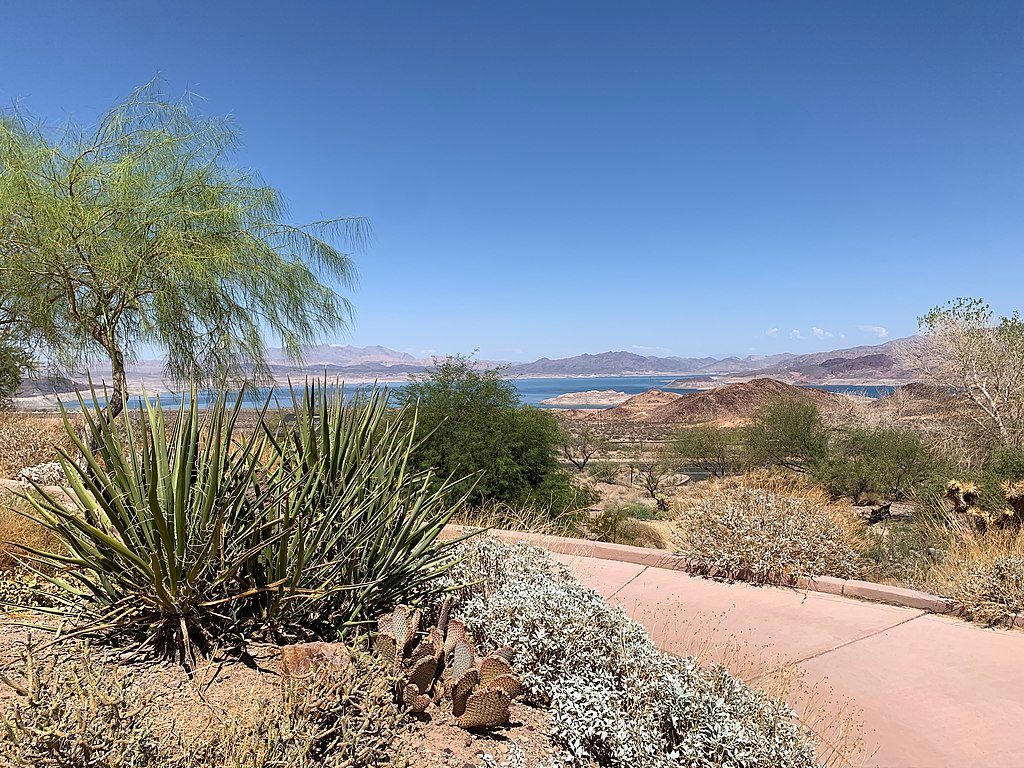
Place · 0.2 mi away
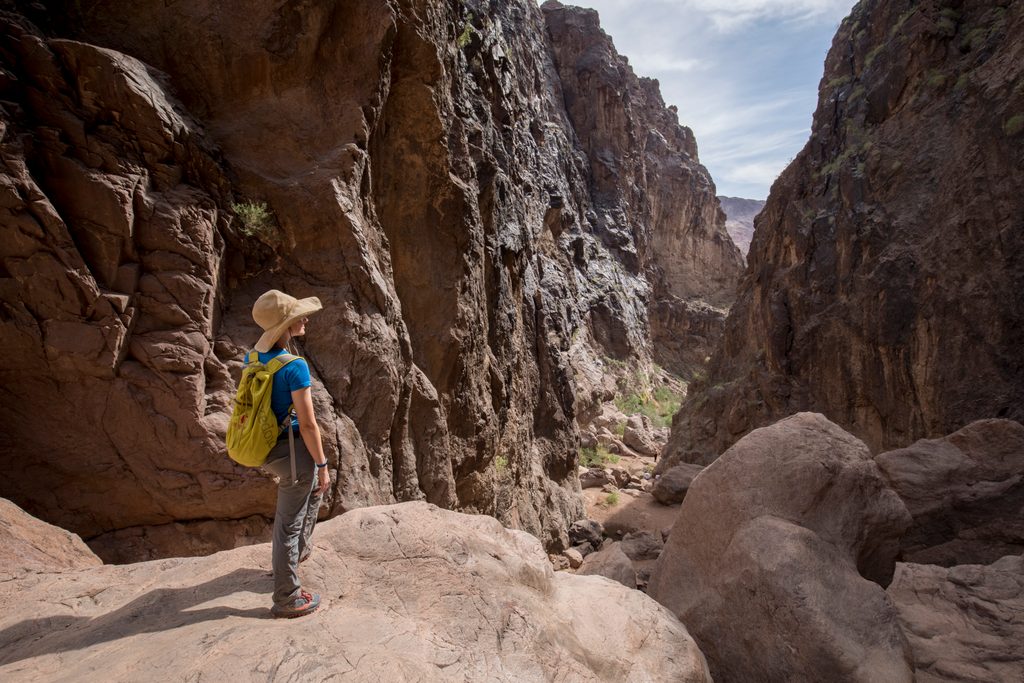
Challenging · 1.1 mi away
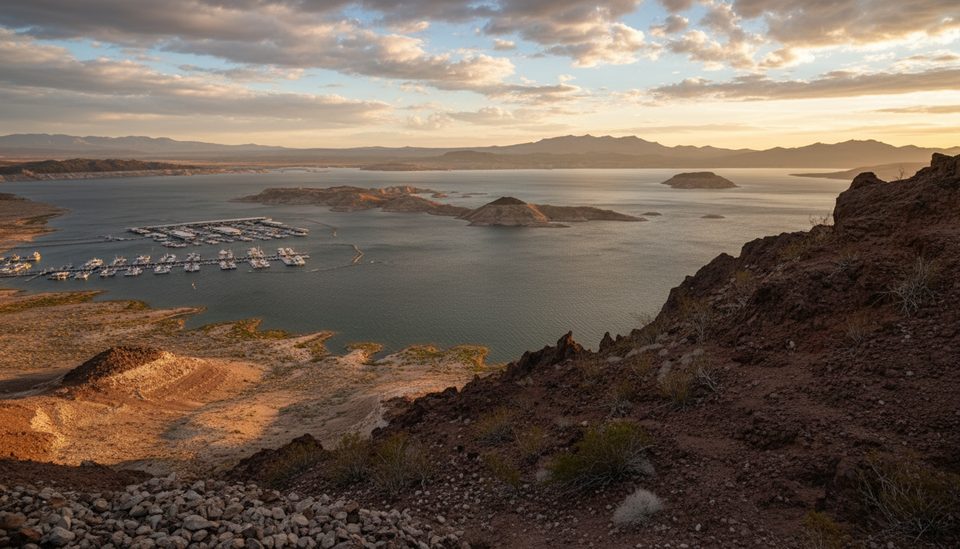
Easy · 1.8 mi away
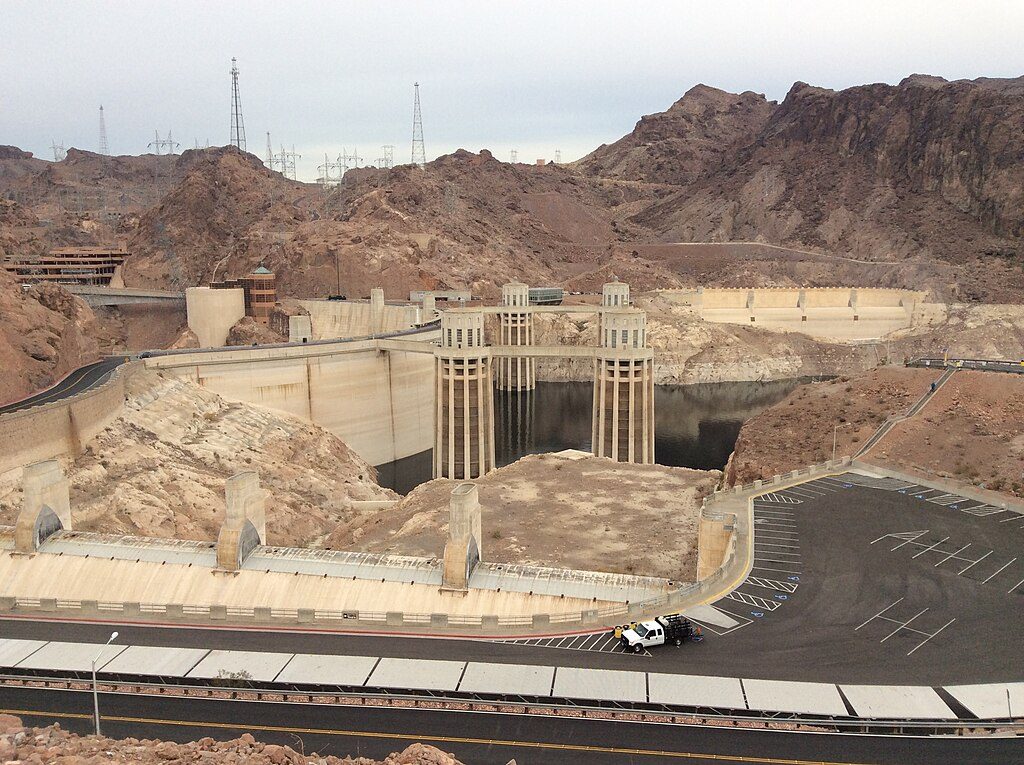
Moderate · 4 mi away
Easy · 5.3 mi away

Parkwolf Tour Guide
