
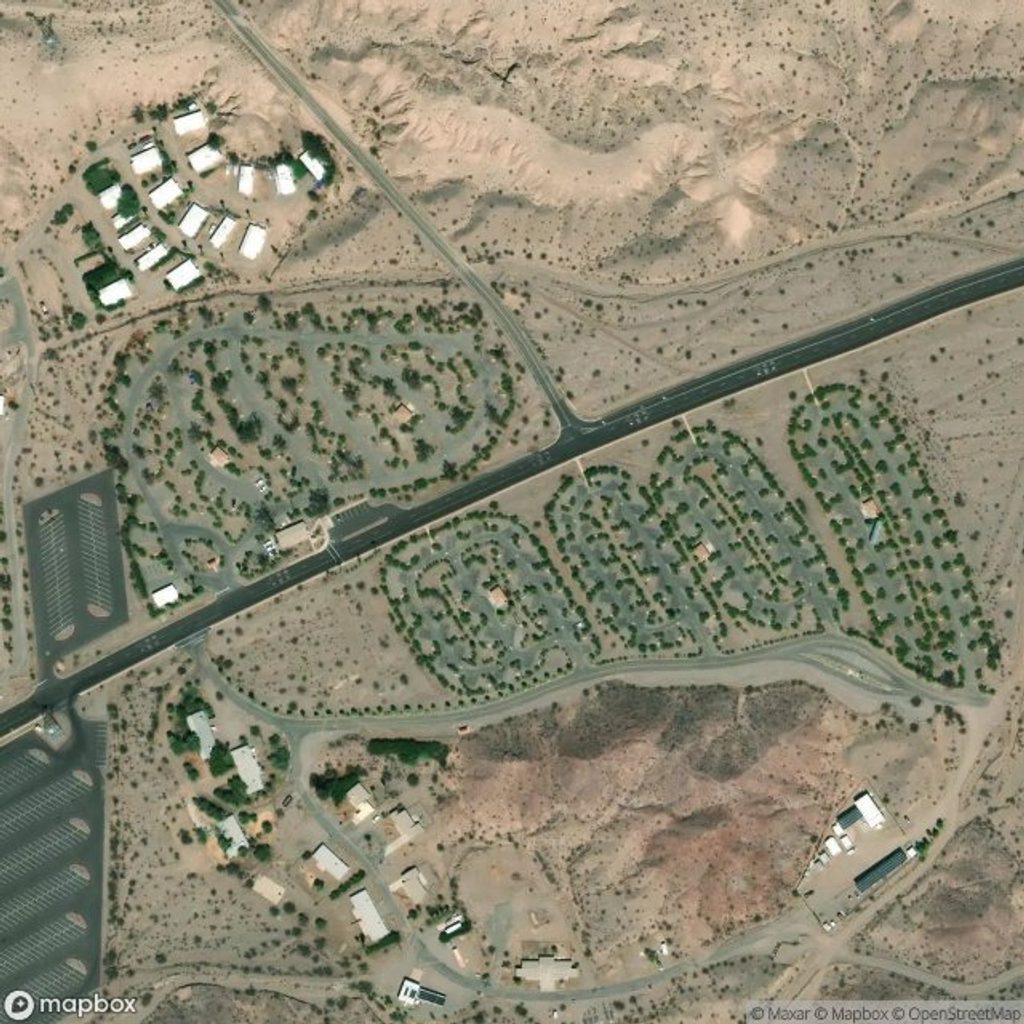
Place · 0.9 mi away
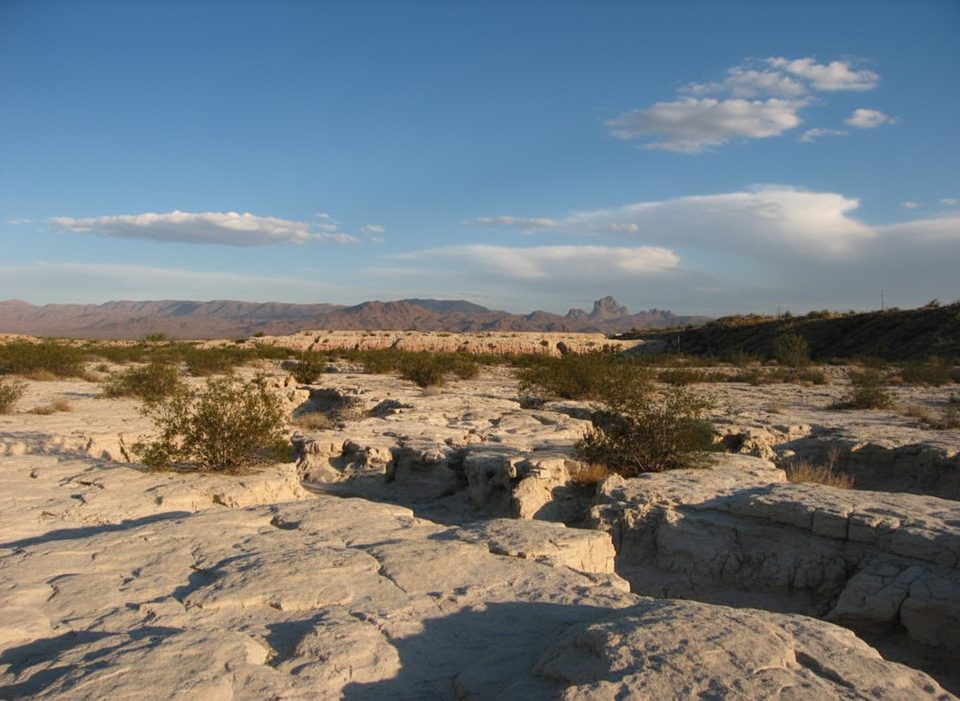
A short hop northeast of Katherine Landing, Katherine Mine is where the area’s gold rush story took shape. You won’t find tours or placards—just concrete foundations, rusting tanks, and the bones of a once‑busy operation. It’s a quick, atmospheric detour if you’re already at the marina and want a dose of history without the crowds.
Gold turned up in the Union Pass–Katherine district in the mid‑1860s. The big push here started in 1900 after teamster S.C. Bagg staked the “Catherine/Katherine” claim while hauling ore. Work sputtered through the 1900s, swelled again during the Oatman boom, then shifted into high gear when the Katherine Gold Mining Company added a deep vertical shaft and a cyanide mill in the 1920s. Ownership changes, a 1934 fire, and a late‑1930s revival followed. By April 15, 1943, the mill shut under wartime orders. The mine itself produced under $2 million in gold and silver; the mill handled even more from other area mines.
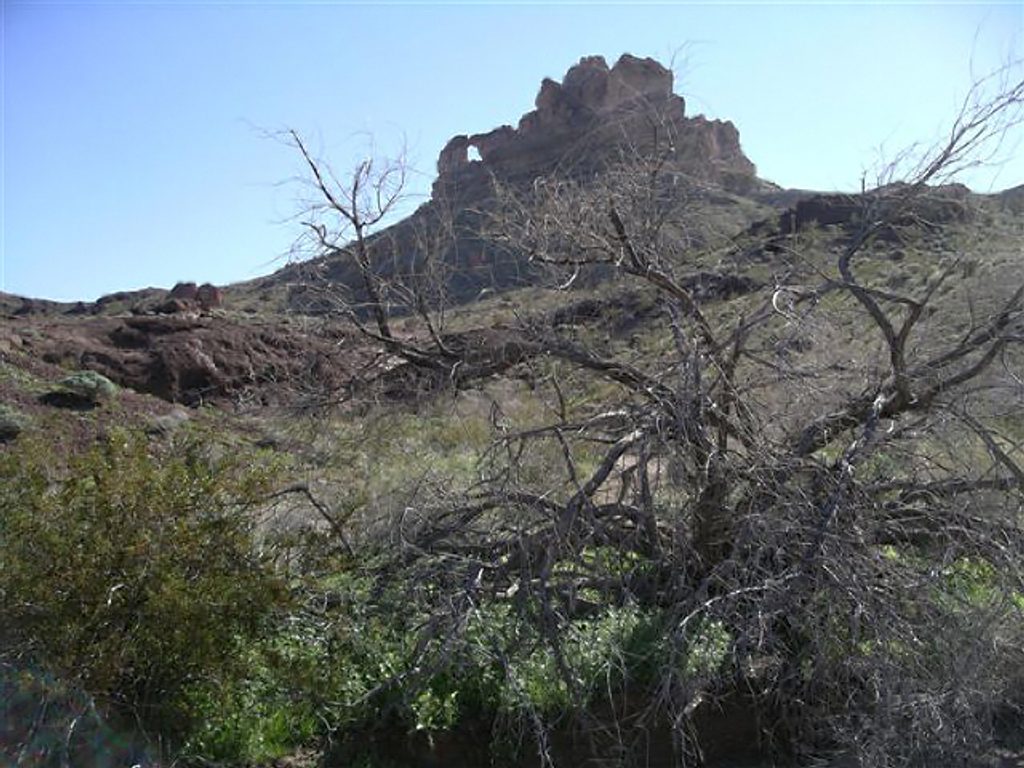
Expect a scatter of foundations and ironwork on desert slopes; the underground workings are flooded and timbered, out of sight—and best left that way. The setting is stark, quiet, and surprisingly photogenic if you like industrial ruins against Mojave desert backdrops.
There’s no maintained trail to the old workings, and conditions can change. Stay on obvious paths, avoid tailings piles, and never enter shafts or adits. Typical Mojave hazards apply: extreme heat, limited shade and water, rough ground, and rattlesnakes. Check current park conditions before you go and let someone know your plan.
Base at Katherine Landing for water, food, lodging, and camping; it’s the logical staging point before poking around the historic district.
Go in cooler weather and early or late in the day to dodge heat and glare. Weekdays are the quietest. Summer afternoons are a hard no here—save them for the lake instead.
Place · 0.9 mi away
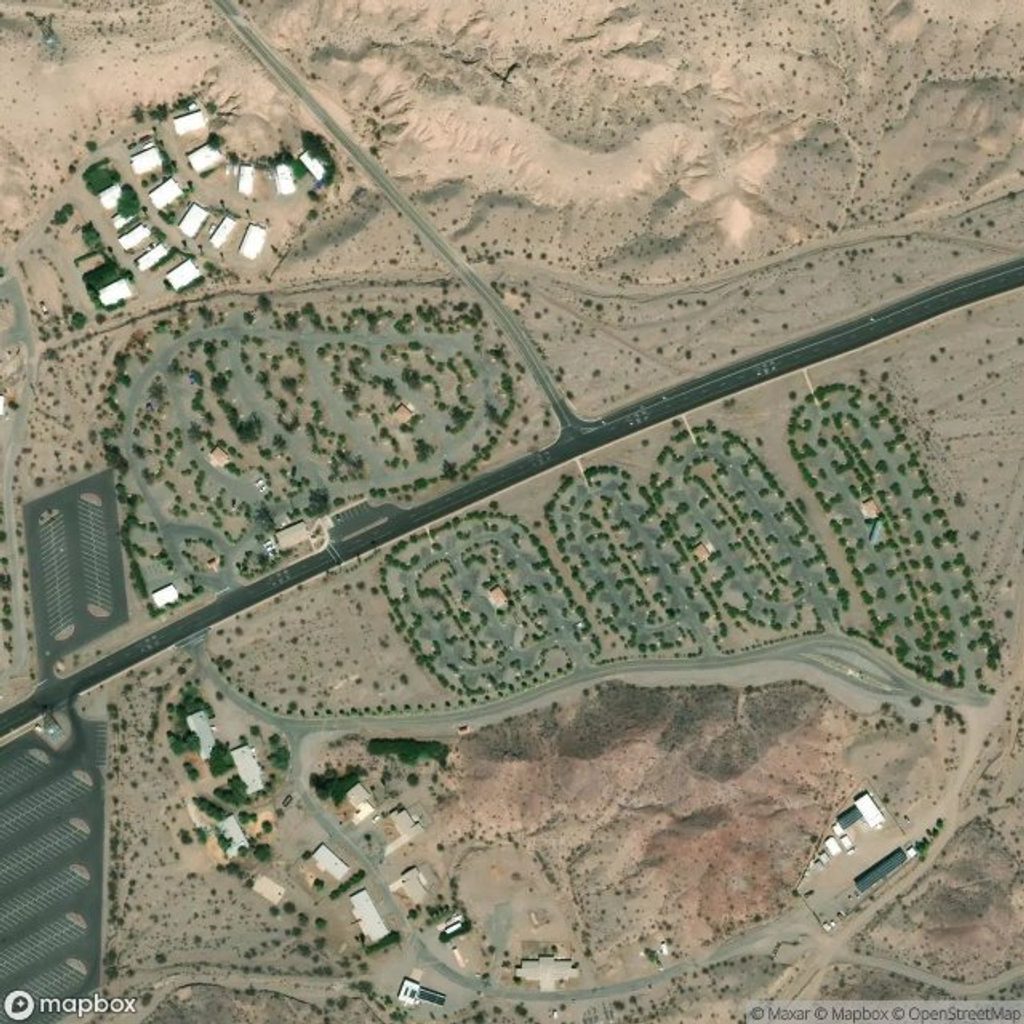
Place · 0.9 mi away
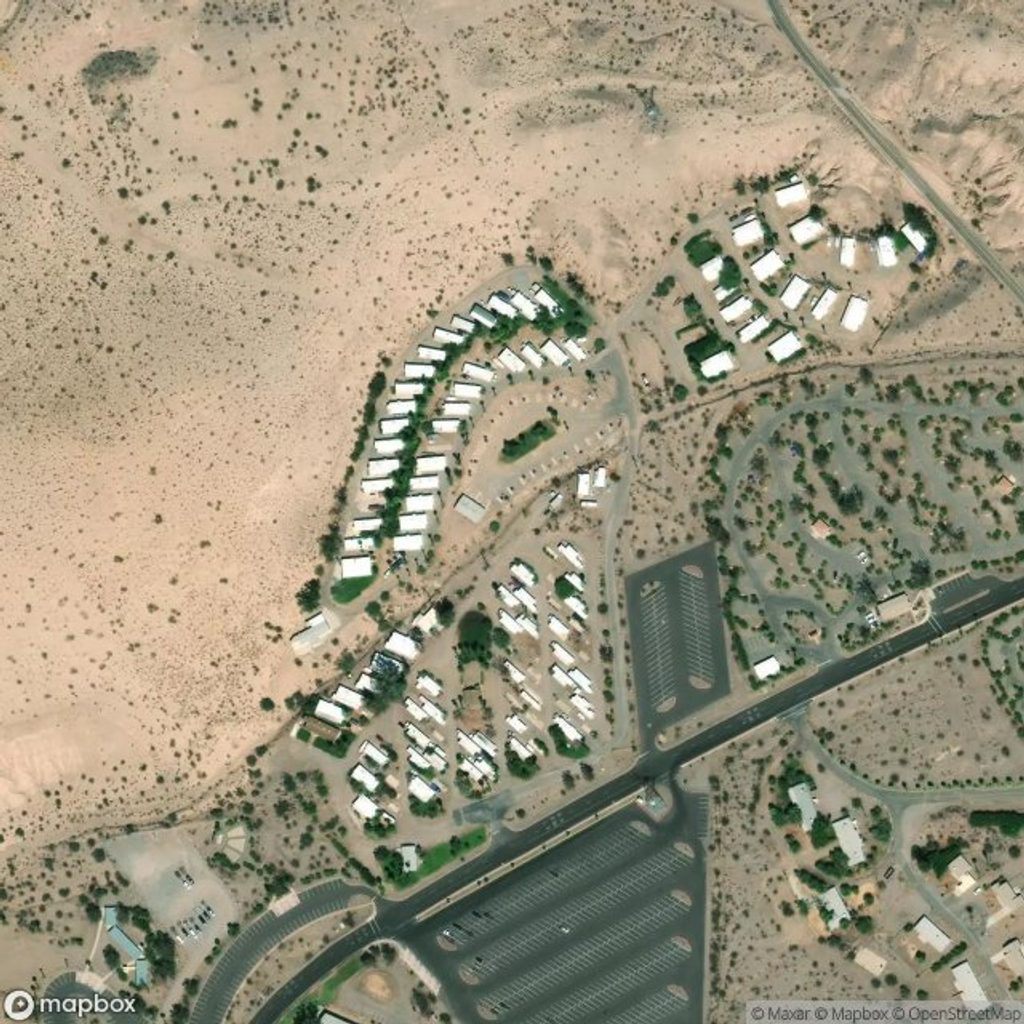
Place · 1 mi away
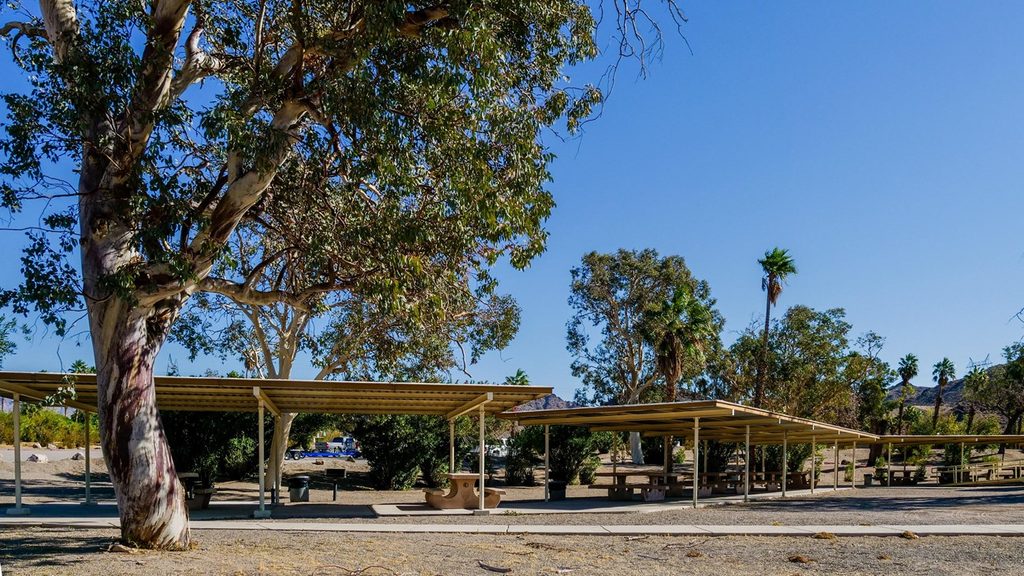
Place · 1.2 mi away
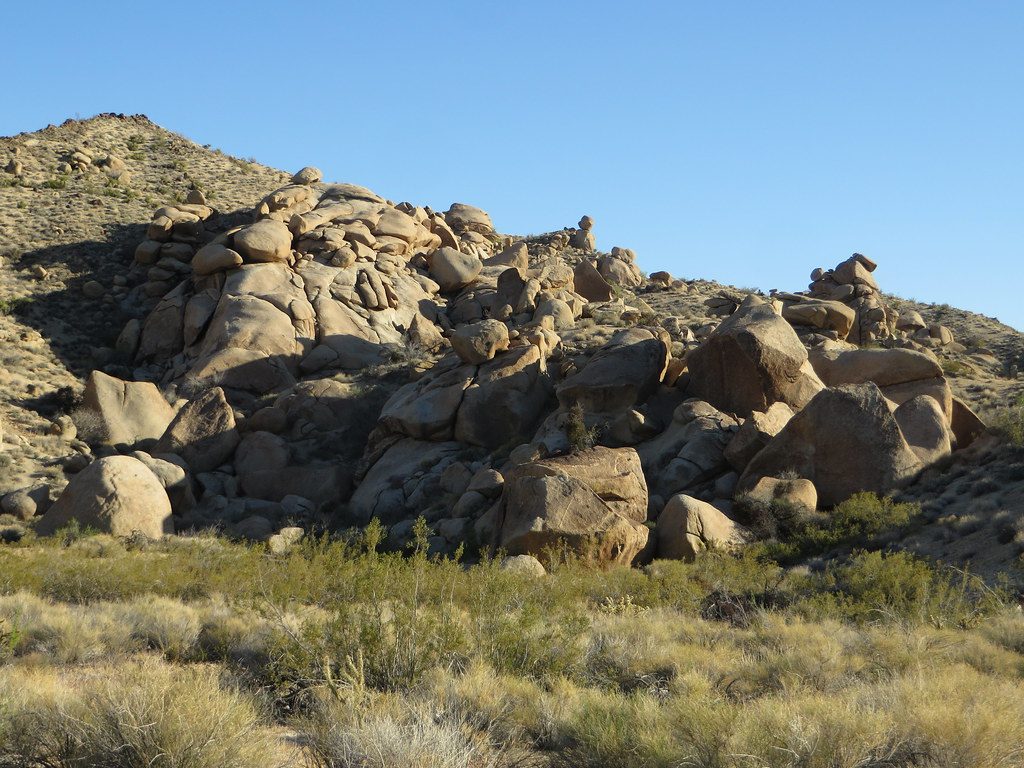
Moderate · 7.5 mi away
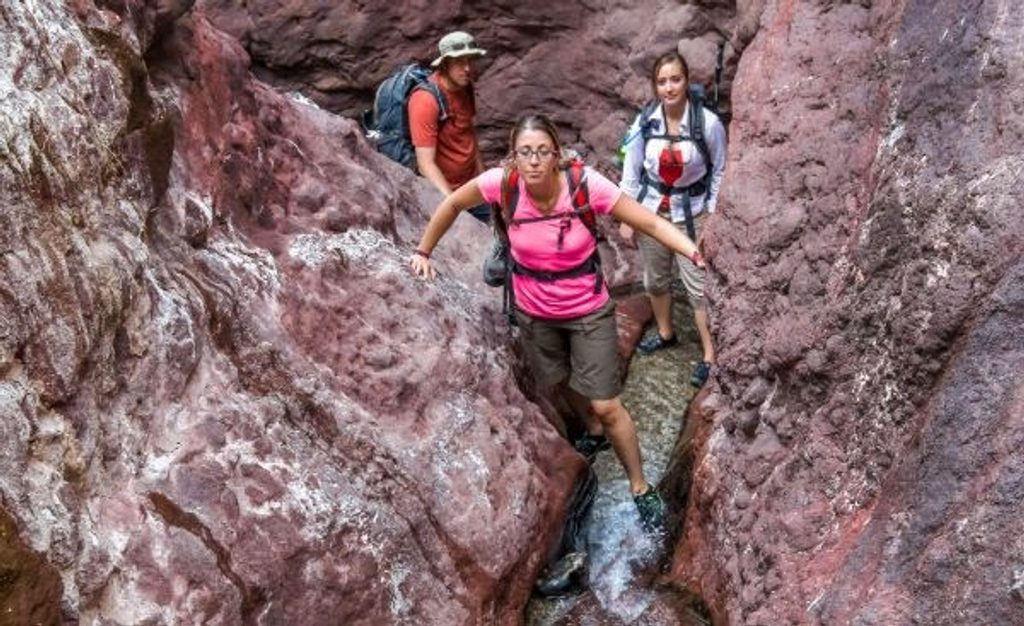
Challenging · 52.3 mi away
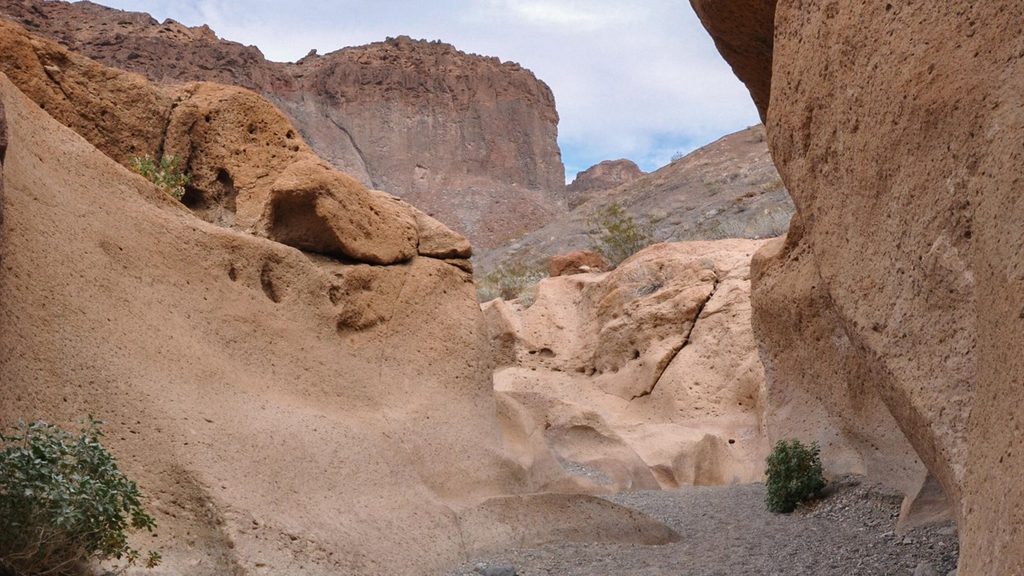
Challenging · 52.3 mi away
Moderate · 52.3 mi away

Parkwolf Tour Guide
