
Place · 0.4 mi away
Moderate
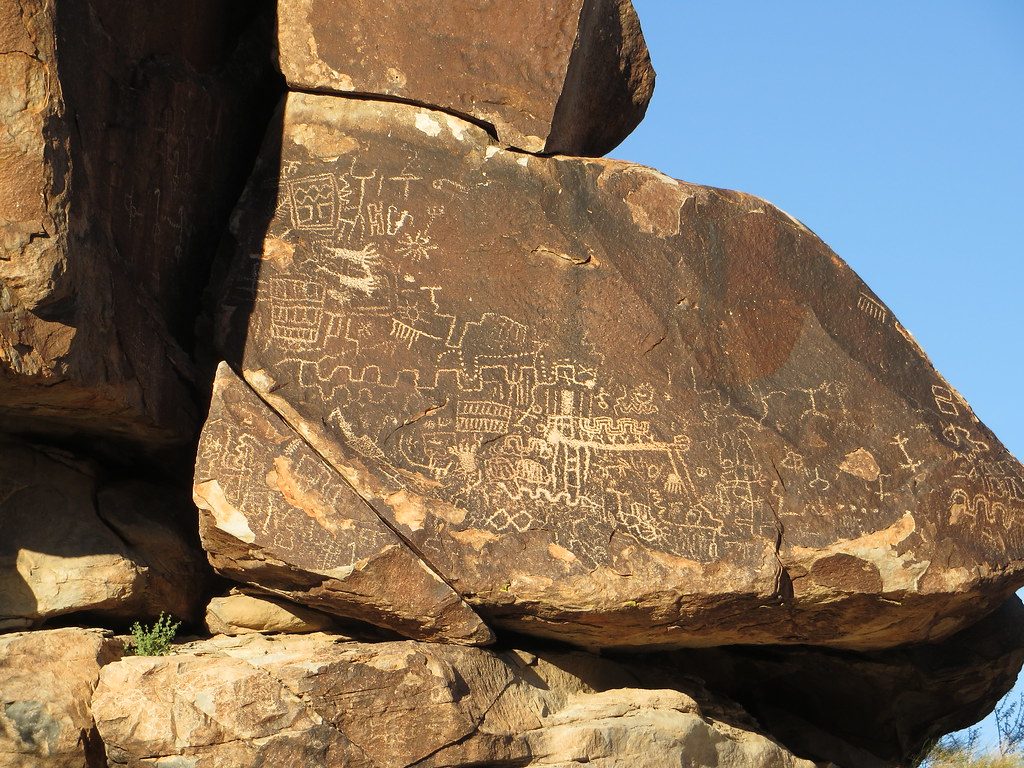
Grapevine Canyon is a short, scenic desert canyon in the Newberry Mountains, best known for its dense Native American rock art. You’ll pass more than 700 examples of ancient rock art—petroglyphs and some pictographs—right at the canyon mouth, many commonly described as about 1,000 years old. Look, photograph, and do not touch. Researchers also suggest some imagery may relate to shamanic practices involving trance states and plants like Datura.
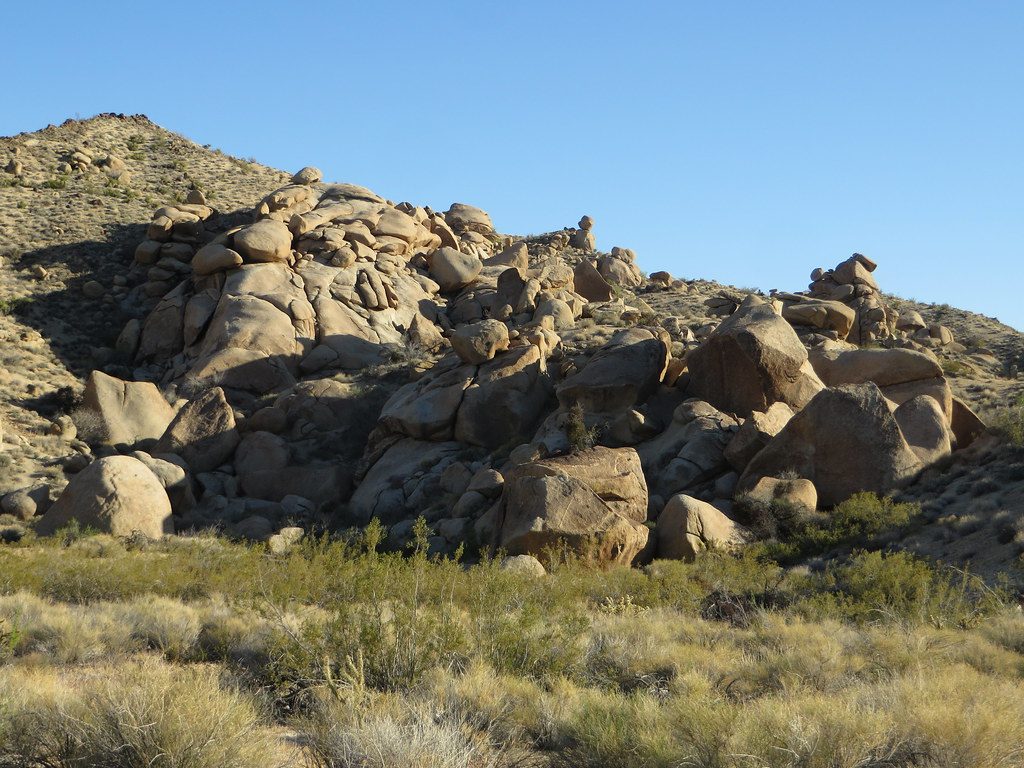
Plan on about 3.3 miles TOTAL, out-and-back, with roughly 374 feet of gain if you continue beyond the rock art to the seasonal falls. It’s easy to the petroglyph panels; beyond that, expect moderate effort with soft sand, slick granite, and light scrambling. Highlights include wild grapevines draping the walls, up to three seasonal waterfalls after rains, and polished “bathtub” basins in the bedrock. As you climb, keeping left around large granite slabs is a commonly recommended line and can open views toward the Colorado River valley.
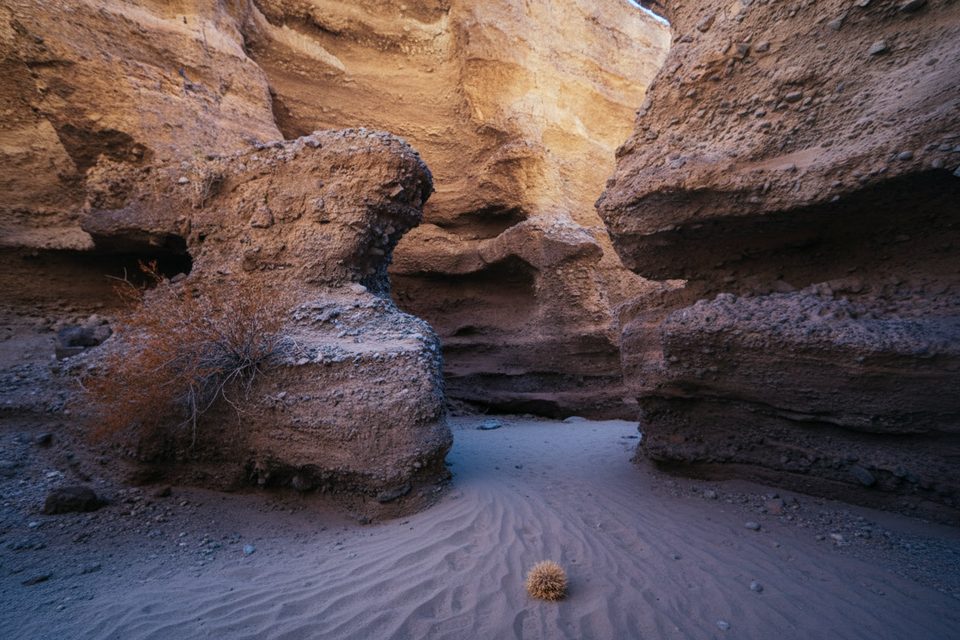
From the dirt lot, follow the sandy wash toward the canyon mouth and you’ll immediately start spotting petroglyphs on both sides of the entrance, many at eye level and then climbing dozens of feet up the walls. To continue, follow use paths and the wash upstream. The route isn’t formally signed; footprints and cairn-free intuition rule here. A short slot requires a small scramble, with an easier bypass on the left. Past wet spells, you’ll encounter a series of falls and pools; above the third falls, look for smooth rock basins.
Fall through spring is the sweet spot. Summer heat can be dangerous here—save it for cool mornings in the cooler months. Waterfalls and pools are seasonal and most likely after recent rains, so your experience will vary by weather.
Access is via unpaved Christmas Tree Pass Road off NV‑163, then a short spur to a large dirt parking area with a primitive toilet and no water. Trails are visible but not well marked—download an offline map. The sandy wash can feel like a slog, and slickrock and boulders demand sturdy footwear. Cholla cactus lines parts of the canyon; watch your step and your pup’s paws. Flash floods are a risk—avoid narrow sections during storms. This is a sacred cultural site: never touch, trace, or add to the rock art; modern graffiti is vandalism.
Large dirt lot off a short spur from Christmas Tree Pass Road (off NV‑163); primitive toilet, no water.
Unmarked routes, slick granite, light scrambling, cholla cactus, flash‑flood risk, and protected rock art—look, don’t touch. Dogs allowed but the terrain is tough on paws.
Place · 0.4 mi away
Place · 4.2 mi away
Place · 5.1 mi away
Place · 5.2 mi away
Challenging · 52.1 mi away
Challenging · 52.1 mi away
Moderate · 52.1 mi away
Easy · 52.4 mi away

Parkwolf Tour Guide
