
Place · 0.7 mi away
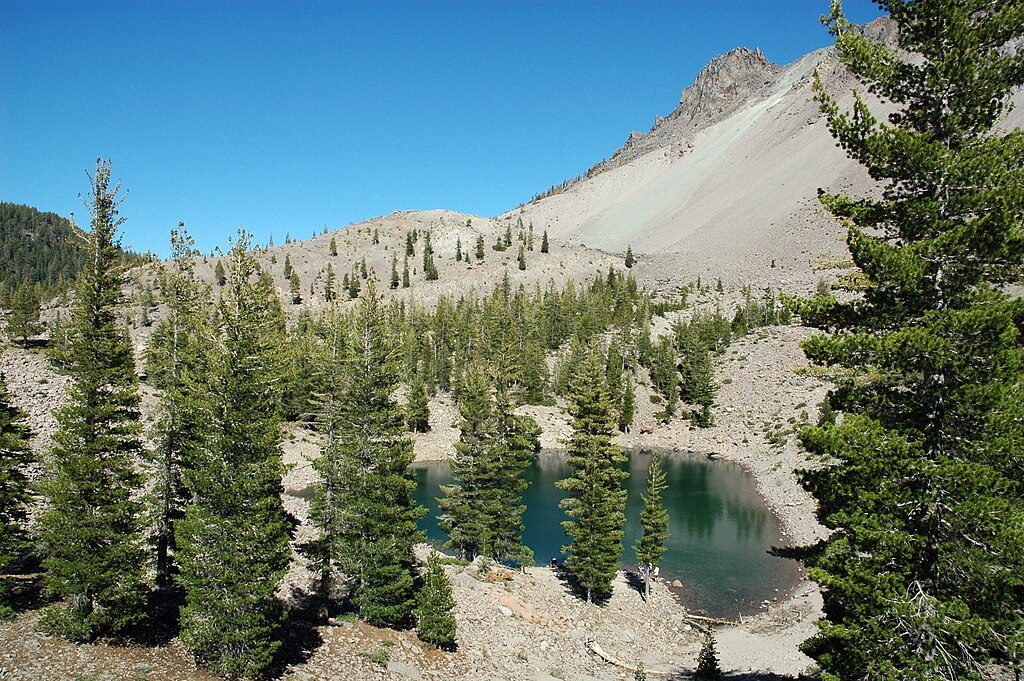
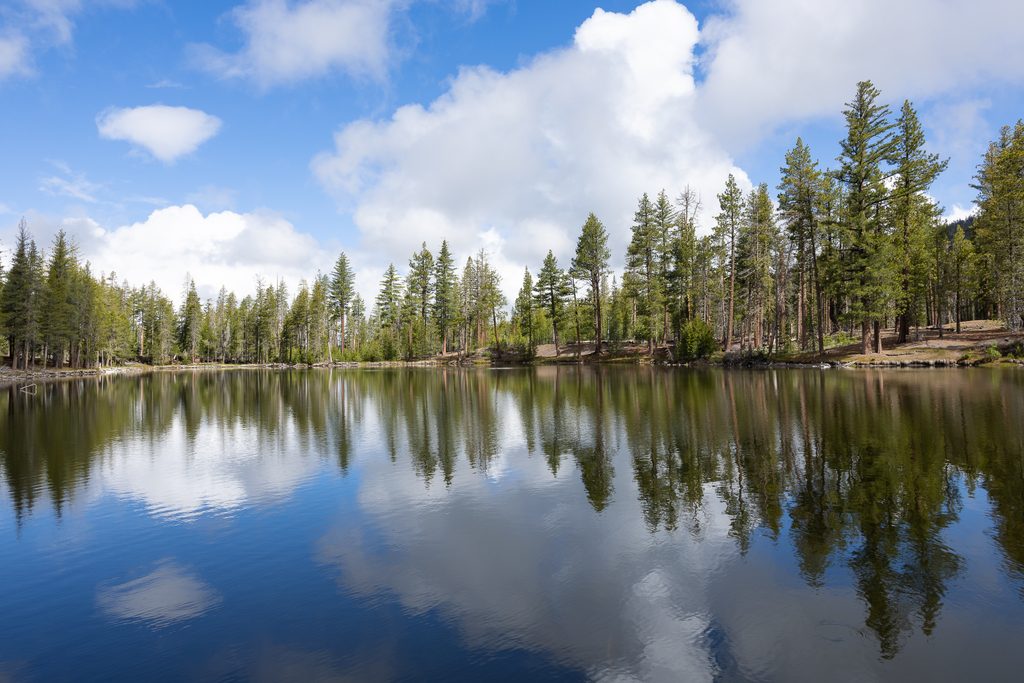
Crags Lake is a small, often ephemeral basin tucked right beneath Chaos Crags—a stark, pink dacite dome complex. The payoff isn’t a classic alpine lake vibe year‑round; it’s the raw volcanic scenery and the feeling of standing in a landscape shaped by very recent geologic drama.
Plan on roughly 4 miles round‑trip with about 1,000 feet of gain, taking most hikers 2–3 hours. You’ll start in shady white fir and Jeffrey pine, cross a small stream, then climb more steeply to an open ridge with big views before dropping into the lake basin. Expect a few looser, steeper sections near the top; trekking poles are handy.
Chaos Crags formed a little over 1,000 years ago—geologically yesterday. About 300 years ago, part of the dome let loose in a massive rock avalanche called the Chaos Jumbles, which rumbled nearly three miles and helped shape the Manzanita Lake area. From the ridge and basin, you’re looking right at the source, with Hat Creek Valley and even the distant Thousand Lakes Wilderness in view on clear days.
Crags Lake is seasonal. In wetter years and earlier in summer, it can be colorful and even inviting for a quick dip. By late summer or in drier years, the basin can shrink dramatically or be nearly dry. Don’t count on it for water.
Deer are commonly spotted along this route. Keep your distance, secure your snacks, and enjoy the quiet—you’re likely to hear birds working the forest edge as you climb.
The trailhead sits near the park’s north entrance by Manzanita Lake, with a small pullout. If it’s full, use nearby day‑use lots around Manzanita Lake or Loomis Plaza. Restrooms and water are available at developed areas nearby when open; don’t expect services at the lake itself. Pets aren’t allowed on park trails.
Stay on the maintained path; the loose dacite above the basin is unstable. Afternoon summer storms and even hail can pop up—start early, bring layers, sun protection, and plenty of water.
Late June through early fall after snowmelt is the sweet spot. For actual water in the basin (and better swimming and photos), aim for early to mid‑summer. Arrive early on weekends and holidays for parking, and watch for seasonal closures or changing conditions.
Place · 0.7 mi away
Place · 0.9 mi away
Place · 1.7 mi away
Place · 1.7 mi away
Moderate · 1.7 mi away
Easy · 1.7 mi away
Easy · 1.9 mi away
Easy · 2.1 mi away

Parkwolf Tour Guide
