
Place · 0 mi away
Moderate
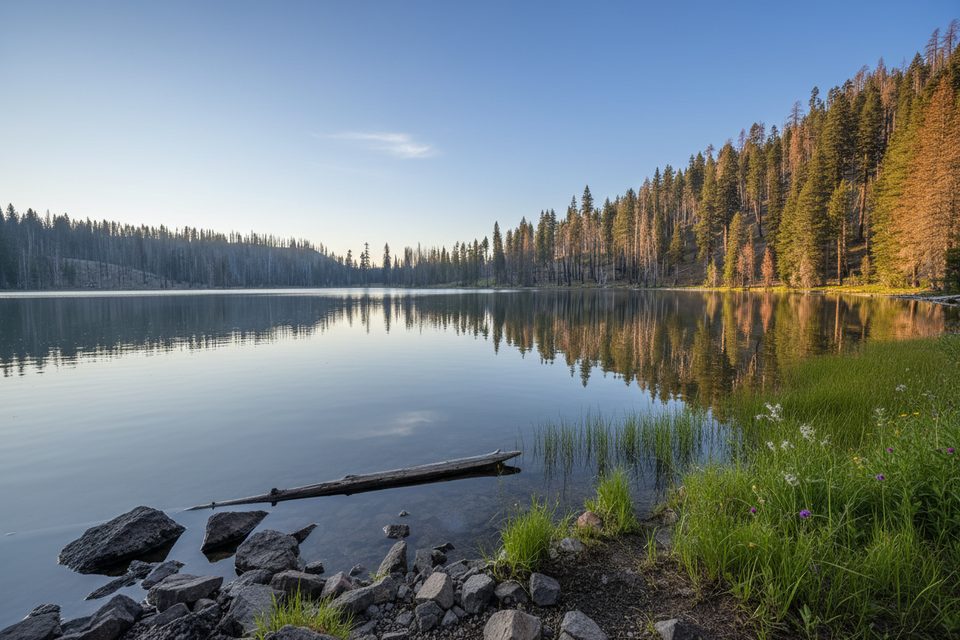
This is a moderate, lake-hopping out-and-back to a quiet basin at Rainbow Lake. It’s about 10.2 miles total (out and back) with roughly 1,345 feet of gain. The classic route starts at Summit Lake, then threads past Echo Lake and the Upper/Lower Twin Lakes before the final push to Rainbow. Expect a well-marked path with rolling hills and plenty of clear water to tempt a swim.
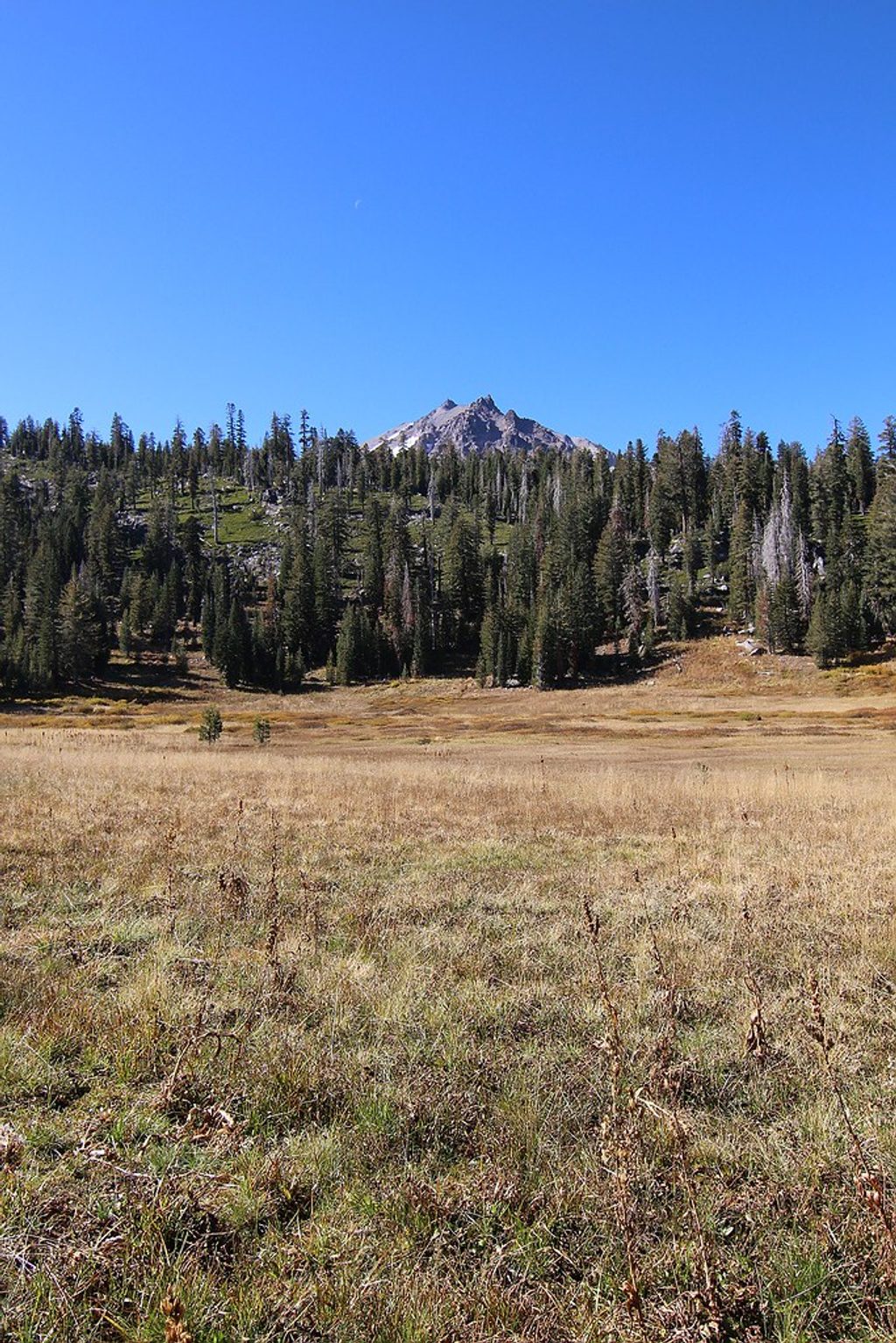
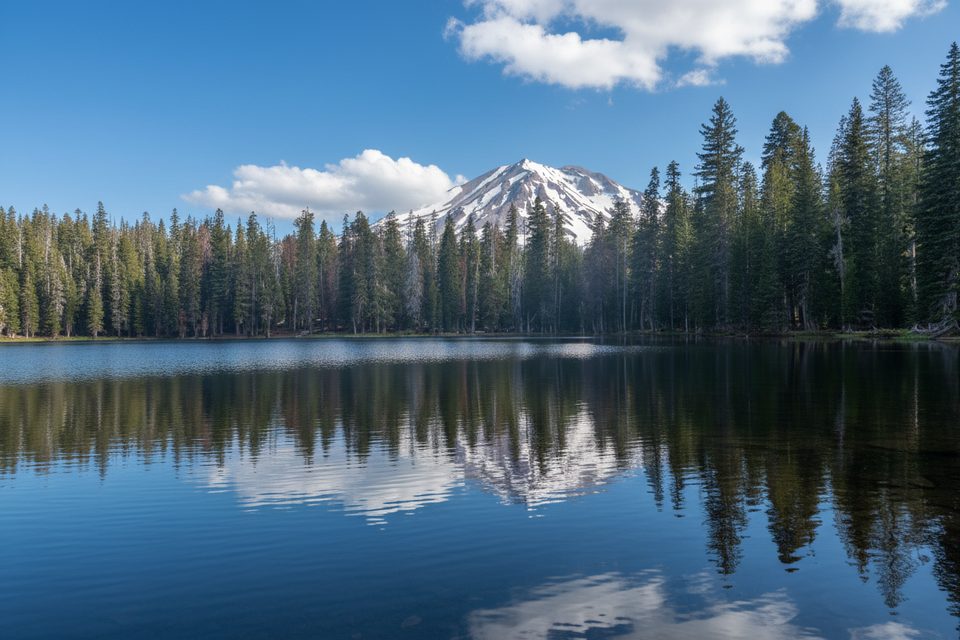
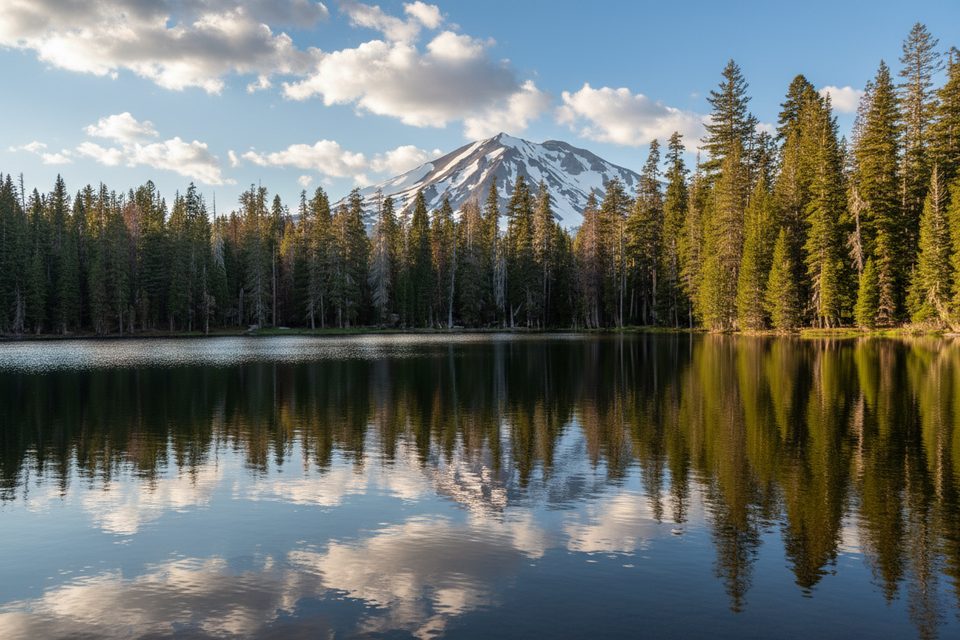
From the Summit Lake trailhead, you climb for roughly the first mile before a steady descent to Echo Lake, then continue down toward the Twin Lakes. The route briefly intersects the Pacific Crest Trail before turning toward Rainbow Lake. Underfoot, some stretches feel "beachy" thanks to sandy/volcanic cinders, which can slow your pace. Views of Lassen Peak pop in and out, and the lake chain keeps the scenery varied.
If you’re linking bigger routes, know that the "Rainbow Lake Trail" also refers to the easy connector between Snag Lake and Rainbow Lake deeper in the backcountry—often used in longer loops from the Butte Lake side. That approach is more sun-exposed and can include fire-impacted sections.
You’ll move through conifer forest interspersed with burn-scarred areas and low ground cover, with seasonal wildflowers in places. Lakes are clear and inviting for a quick dip. Keep an eye out for deer sign, and remember that bears are present; proper food storage is essential. Bald eagles have been spotted in the broader area.
Portions of the route cross burn areas with standing dead trees (snags). The tread is generally easy to follow, but you may encounter downed logs and exposed stretches. Mosquitoes can range from nuisance to fine depending on timing; nights can run chilly in shoulder seasons. Trekking poles help on the ups/downs and over blowdowns.
This is a popular overnight option. A wilderness permit is required for all backcountry overnights. No campfires are allowed in the backcountry. Echo Lake is closed to camping, and around Rainbow Lake you must set up at least 100 feet from the shoreline. Bear-resistant food storage is required—use a canister. Established backcountry sites exist near junctions by the Twin/Rainbow area.
For a bigger adventure, connect with the PCT or build a loop from the Butte Lake side via Snag Lake and Cinder Cone. Those variations showcase stark volcanic terrain and sandy cinders underfoot; they’re more exposed and can be hotter and dustier. The Cinder Cone side trip delivers sweeping views of the Painted Dunes and surrounding lava beds if you’ve got extra time.
Generally May through October is the sweet spot, with lingering snow early season and bugs peaking in late spring/early summer. Weekdays see fewer people, and traffic thins notably beyond Echo/Twin Lakes. For photos, aim for early or late light along the lakes; midday is best if you’re planning swims.
Park at the Summit Lake North Campground trailhead and follow signs toward Echo Lake and Twin Lakes.
Burn-scar areas with standing dead trees—avoid windy conditions and watch for blowdowns. Some sandy tread slows travel. Mosquitoes in season. Overnight trips require wilderness permits, bear canisters, no campfires, no camping at Echo, and camping 100 feet from water.
Place · 0 mi away
Place · 0.3 mi away
Place · 0.4 mi away
Place · 2.1 mi away
Moderate · 0 mi away
Challenging · 0 mi away
Moderate · 0 mi away
Moderate · 0 mi away

Parkwolf Tour Guide
