
Place · 0 mi away
Challenging
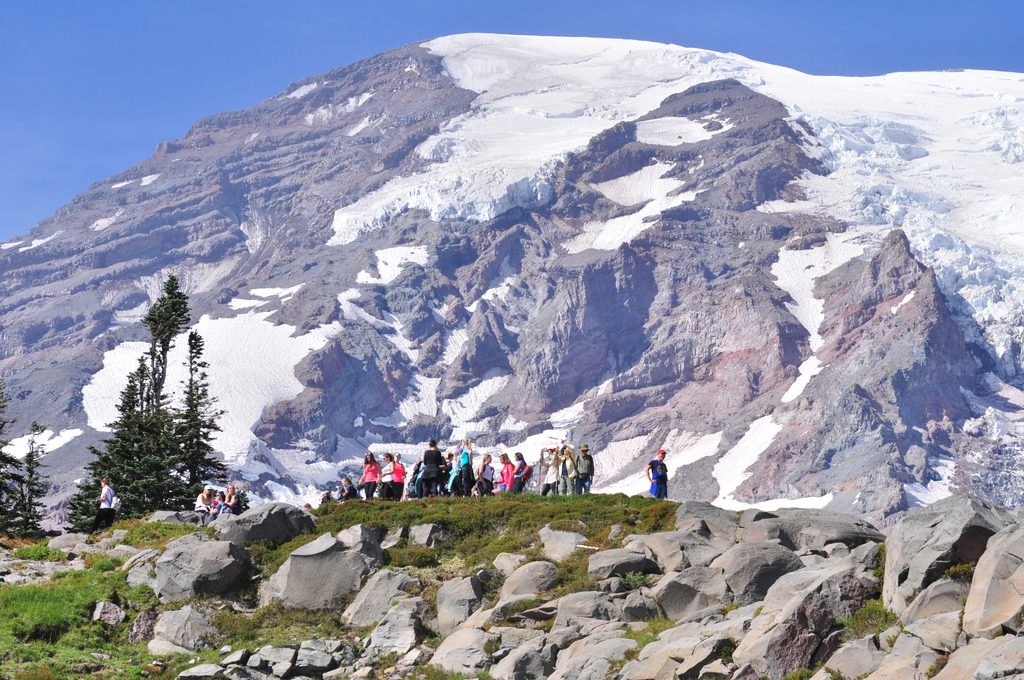
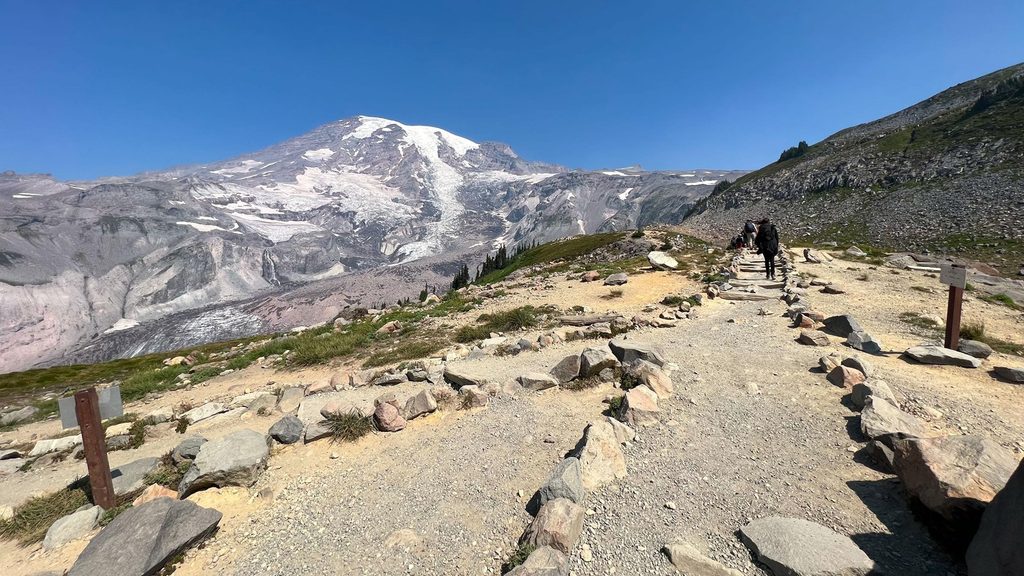
This is Paradise’s marquee hike for a reason: a high-elevation loop with front-row views of Mount Rainier, sweeping Cascades panoramas, and summer wildflower meadows. The Skyline Trail loop to Panorama Point is about 5.5 miles total with roughly 1,700–1,900 feet of climbing. Expect a steady ascent to just about 7,000 feet and a well-earned, all-directions viewpoint at Panorama Point.
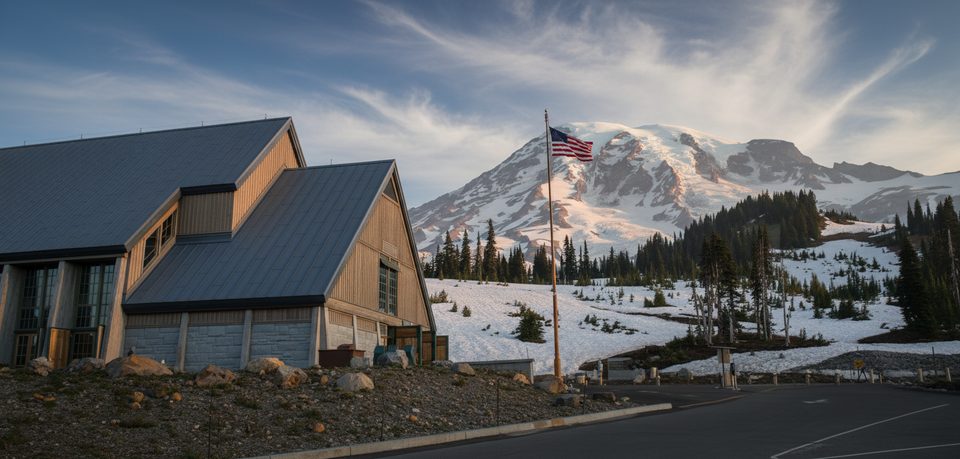
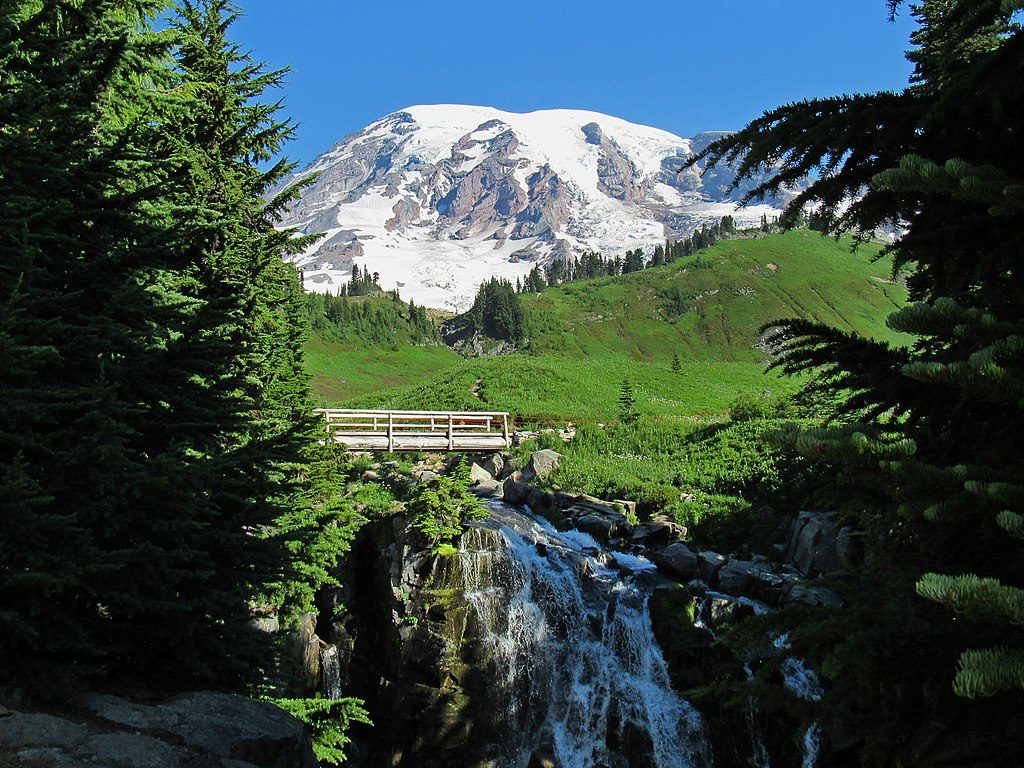
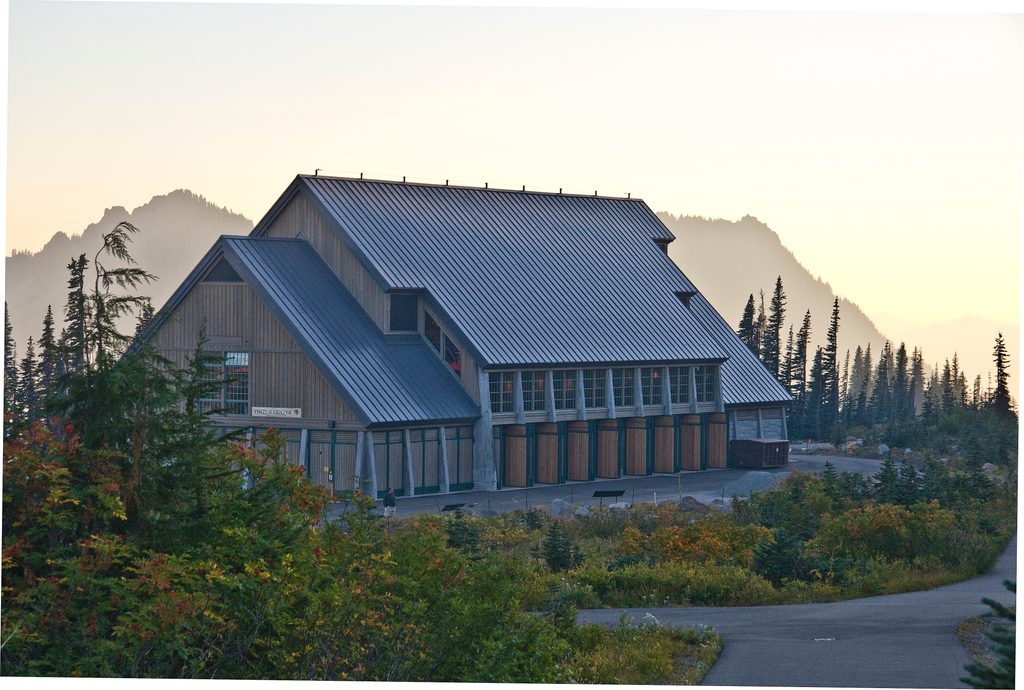
Start at the Paradise/Jackson Visitor Center steps (yes, the ones with the John Muir quote) and follow the Skyline Trail. Early on, you’ll pass Myrtle Falls, then climb through subalpine meadows that explode with wildflowers in summer. Higher up, the terrain turns rocky and stark, with close-up looks at Nisqually Glacier and the flanks of Rainier. From Panorama Point, take in the Tatoosh Range and, on clear days, distant Mount Adams and Mount St. Helens (even Mount Hood on the clearest days). There’s a signed network of junctions; common variations include the Golden Gate Trail or the High Skyline. The loop flows well in either direction.
The path is well-built near Paradise with stone steps and rock-lined tread, then grows rougher and more rugged as you climb. It’s a moderate-to-strenuous outing mainly due to the sustained grade and altitude. Figure on around 4 hours for most hikers, plus extra time for photo stops and a snack break at the top. There’s a pit toilet at Panorama Point—latch the door to keep wildlife out.
June through September is prime: meadows are snow-free (usually), flowers are blooming, and views are best. In the shoulder seasons—and sometimes well into summer—lingering snowfields can cover upper sections, which can be slick and require caution or traction. Winter turns this into a snowshoe/ski route with avalanche hazards suitable only for experienced travelers. Start early on summer weekends; Paradise parking fills fast and the trail gets crowded.
Park at Paradise/Jackson Visitor Center; the Skyline Trail starts by the main steps. Arrive early—lots fill quickly on summer days.
Snowfields can linger and be slick; higher sections are exposed to fast-changing weather. Stay on trail to protect fragile meadows. In winter, avalanche hazards exist. No water on route. At Panorama Point, latch the toilet door to keep wildlife out.
Place · 0 mi away
Place · 0 mi away
Place · 0 mi away
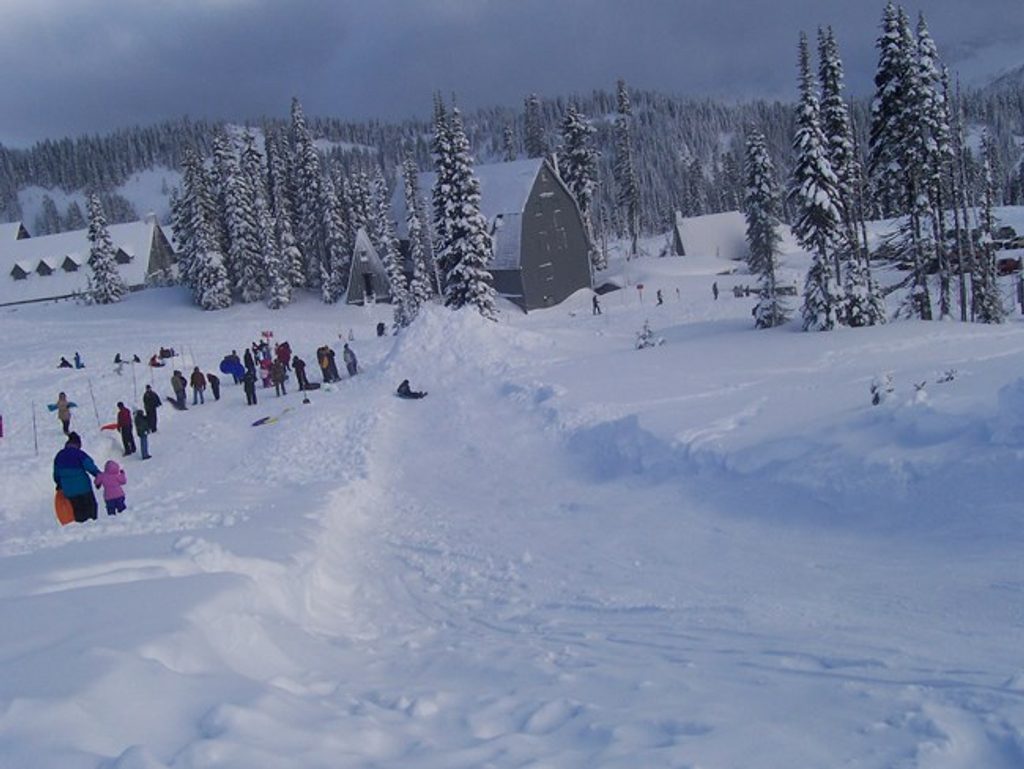
Place · 0.1 mi away
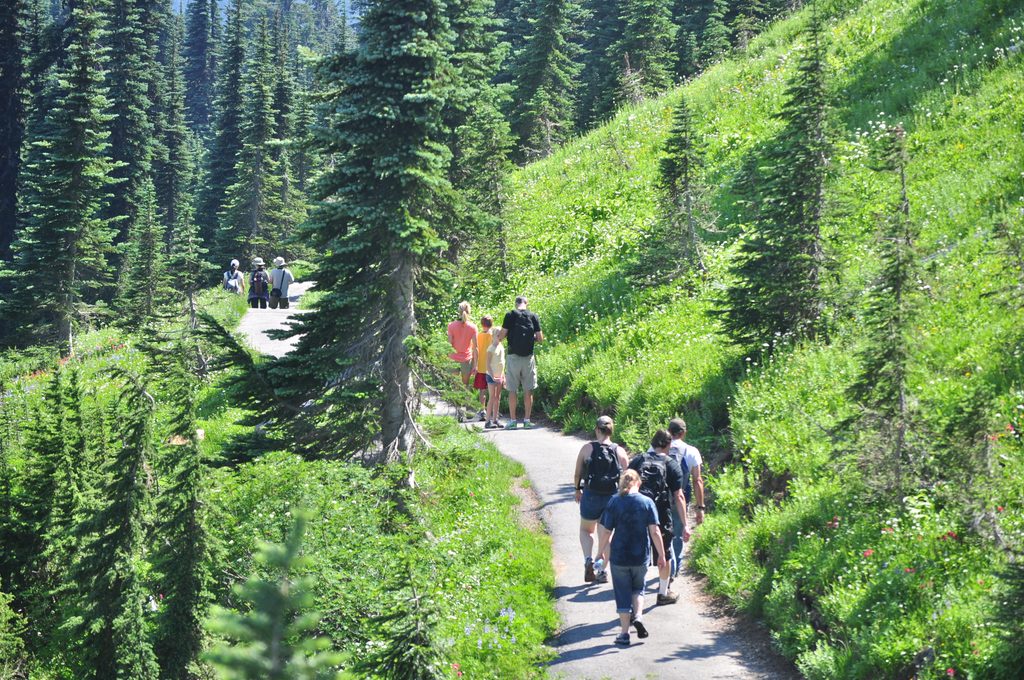
Moderate · 0 mi away
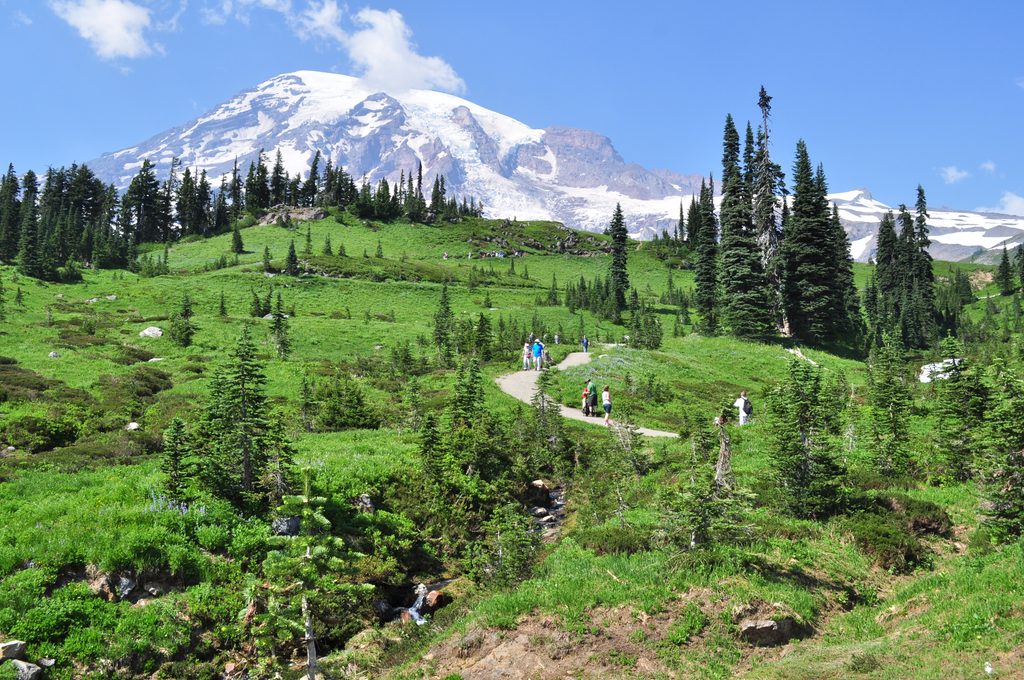
Easy · 0 mi away
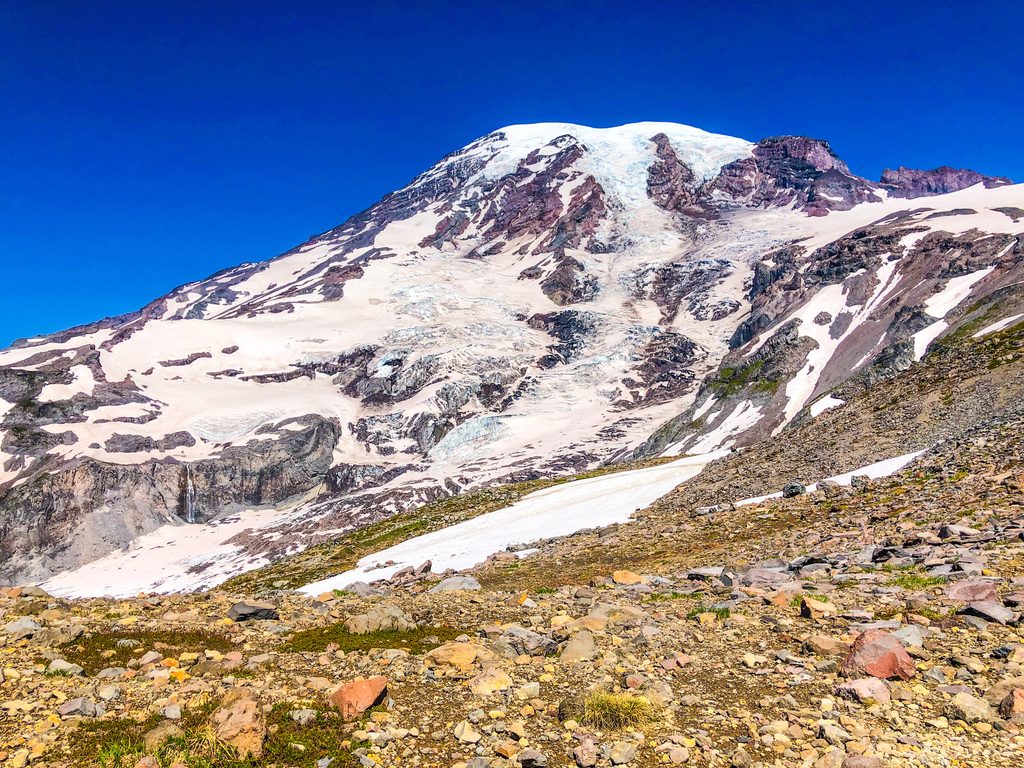
Challenging · 0 mi away
Challenging · 0 mi away

Parkwolf Tour Guide
