
Place · 0 mi away
Challenging
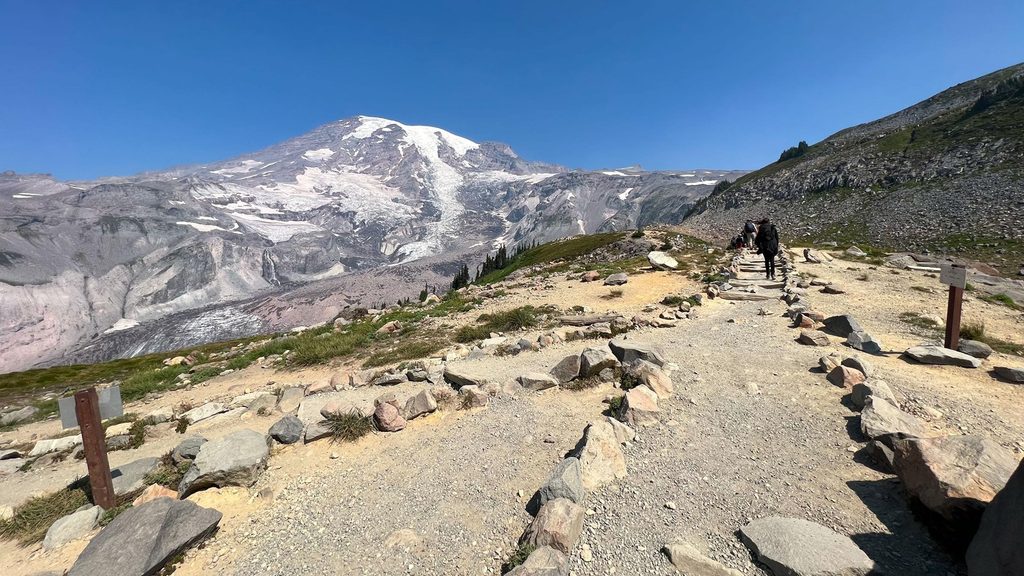
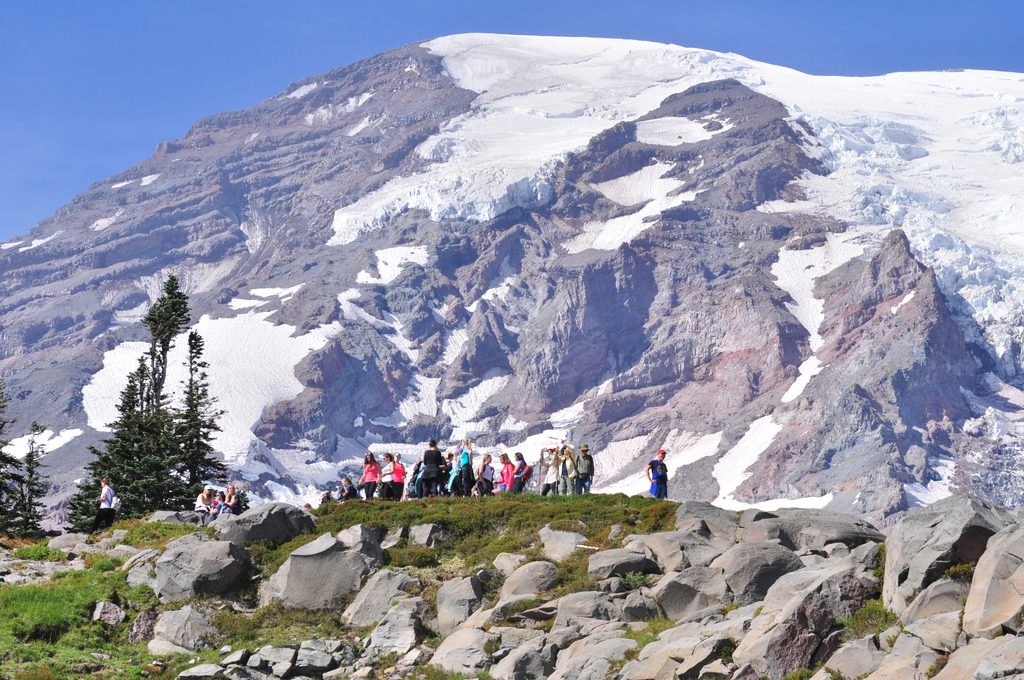
Upper Skyline is the high, rocky branch of the famous Skyline Trail loop from Paradise. If you want the face‑to‑face Rainier experience—glaciers rumbling nearby, marmots whistling, and meadows that look painted—this is the line to take. The standard loop that includes the Upper Skyline segment is about 5.5 miles total with roughly 1,700–1,800 feet of gain. Expect a stout climb to Panorama Point, then a traverse on the high route before descending toward Paradise.
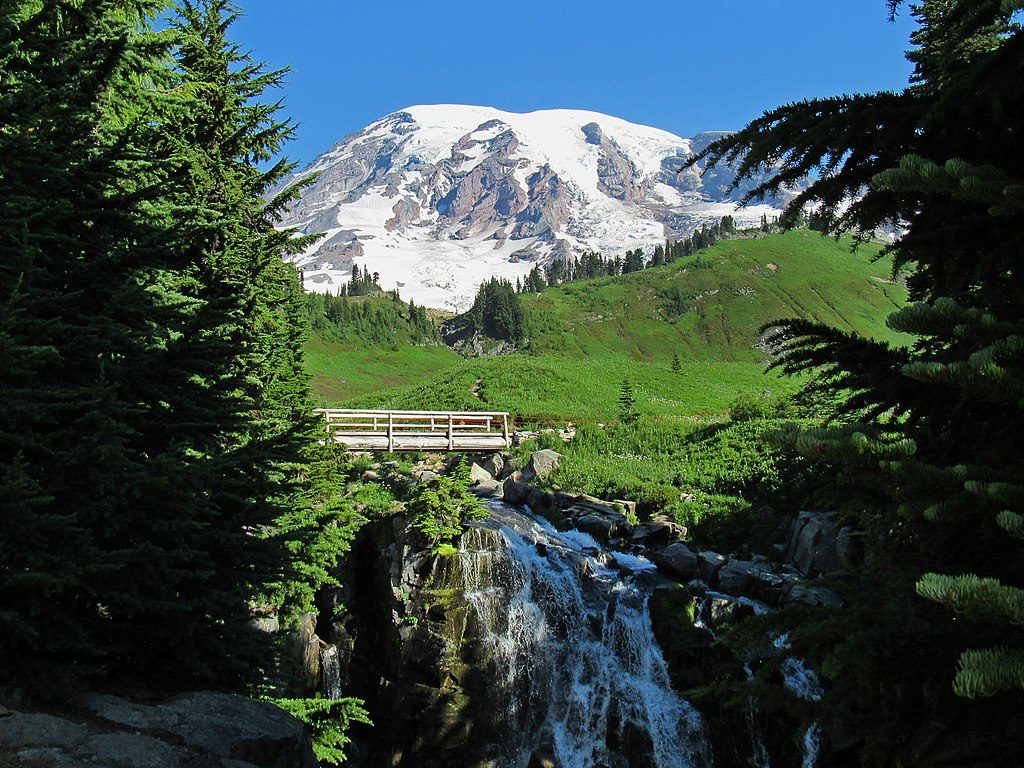
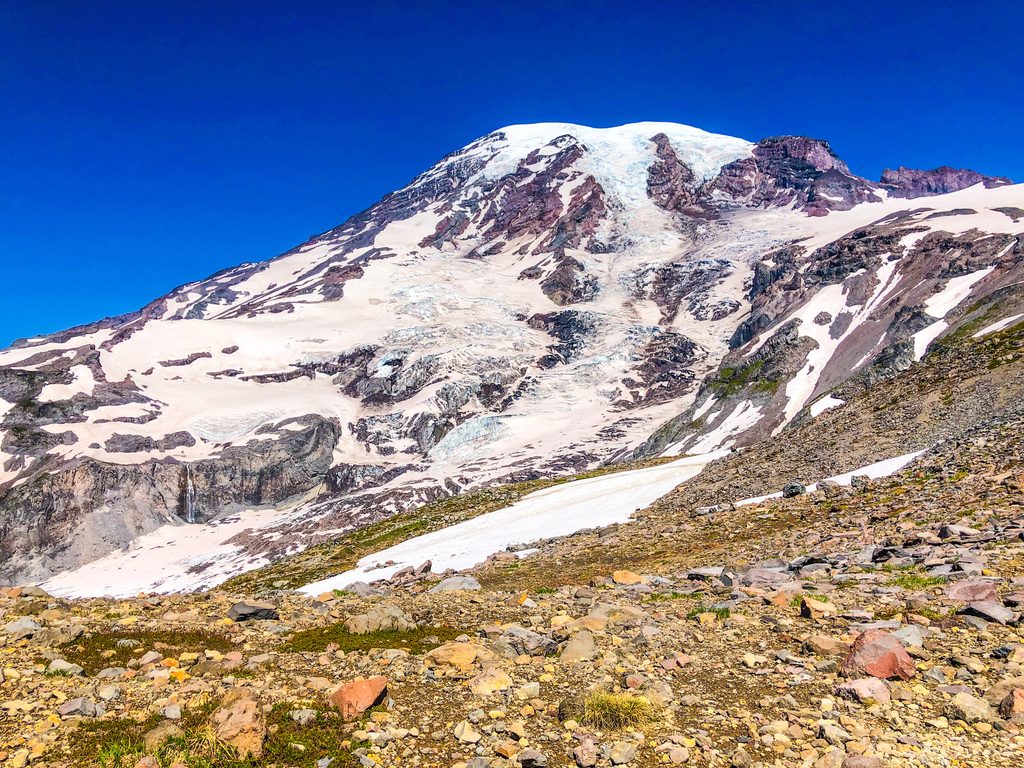
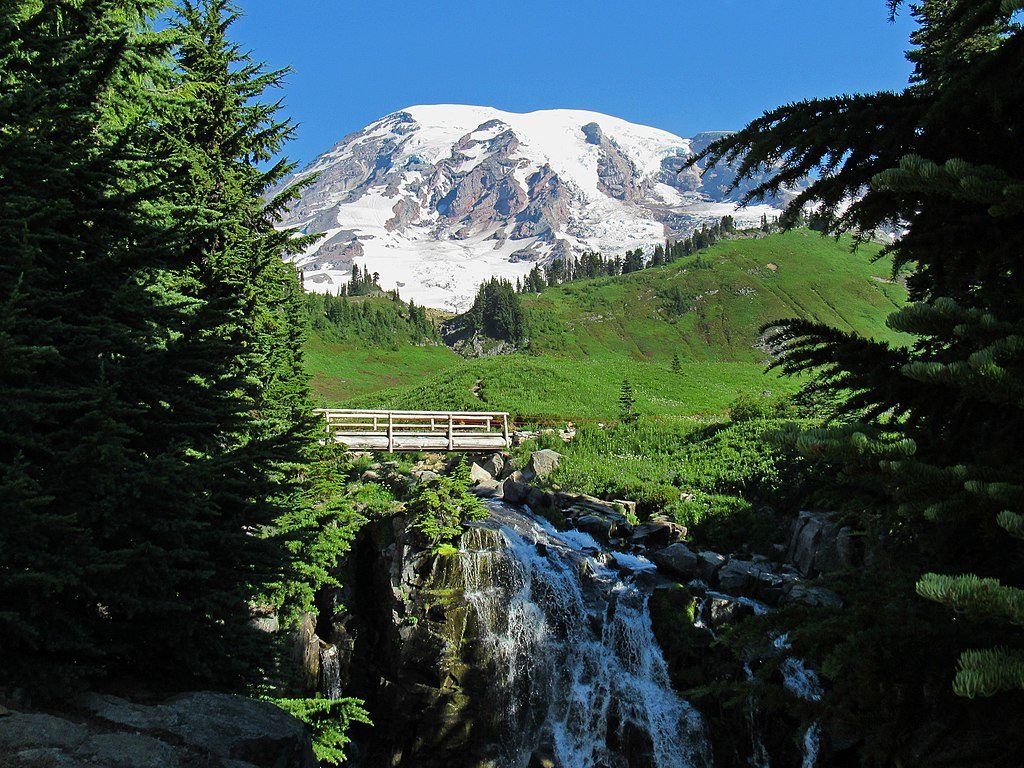
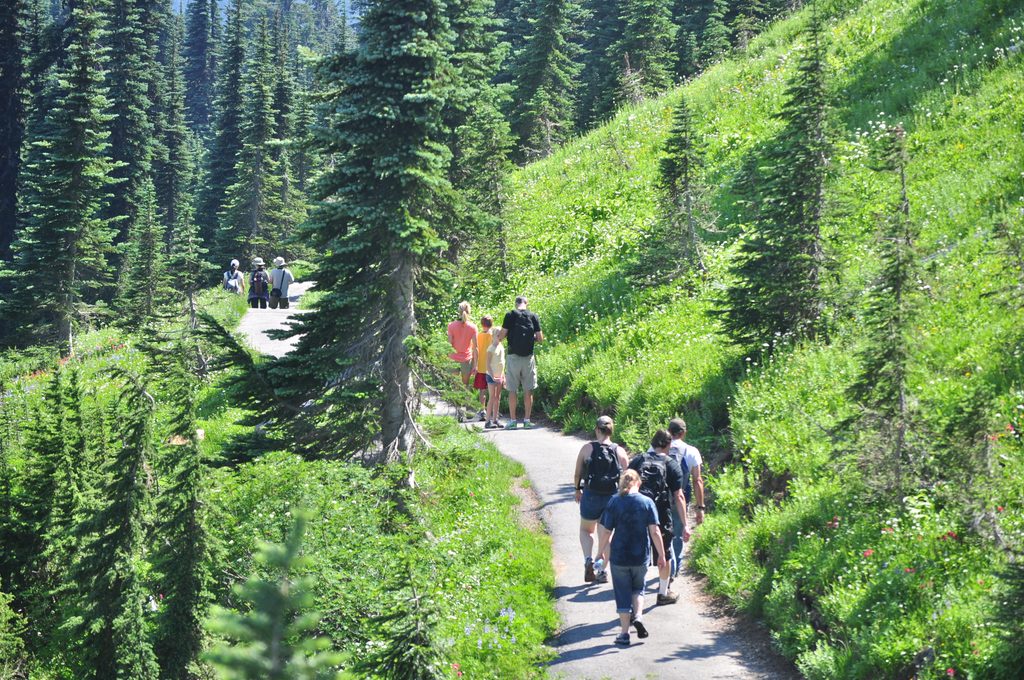
From the Paradise area, head toward Myrtle Falls (a photogenic warm‑up) and continue up through subalpine meadows toward Glacier Vista and Panorama Point. Above Panorama Point, the Upper Skyline branch takes the higher, rockier path with big‑sky exposure and close‑up looks at the Nisqually Glacier. On very clear days you can spot Mount Adams, Mount St. Helens, and even Mount Hood on the southern horizon. The descent ties back toward the Golden Gate junction and returns to Paradise through wildflower meadows.
The high route adds a bit of extra climbing (roughly a couple hundred feet) but avoids a longer, icier slope that can linger on the lower option. Up high, you’re in classic alpine “moonscape” terrain—moraines, rubble, and usually some early‑season snow patches. It’s dramatic, and it’s the best close‑up look at Rainier on the loop.
This loop is rightly called challenging: steep grades, uneven footing, and lingering snow are common well into summer, especially on the Upper Skyline traverse. The upper section is fully exposed—there’s little shade, and weather can flip quickly. A seasonal toilet sits at Panorama Point; otherwise, services are at the trailhead.
June through September is prime, with wildflowers typically peaking mid to late summer. Early season (June–July) often means snow travel on the upper section; late summer brings drier footing and those carpeted meadows. Crowds and parking are a reality at Paradise—weekdays and early starts are your friend for both cooler temps and nicer light.
Look for fresh glacial features along the Nisqually—moraines, meltwater channels, and shifting ice. Lower down, the meadows pop with summer wildflowers. Mountain goats and marmots show up regularly along the high ridges.
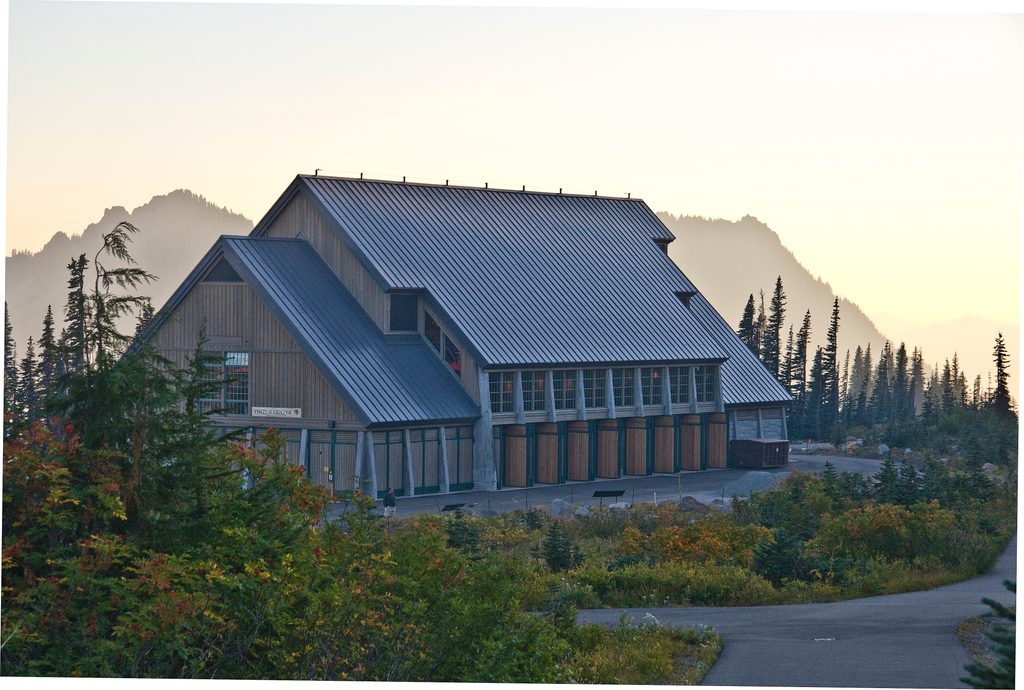
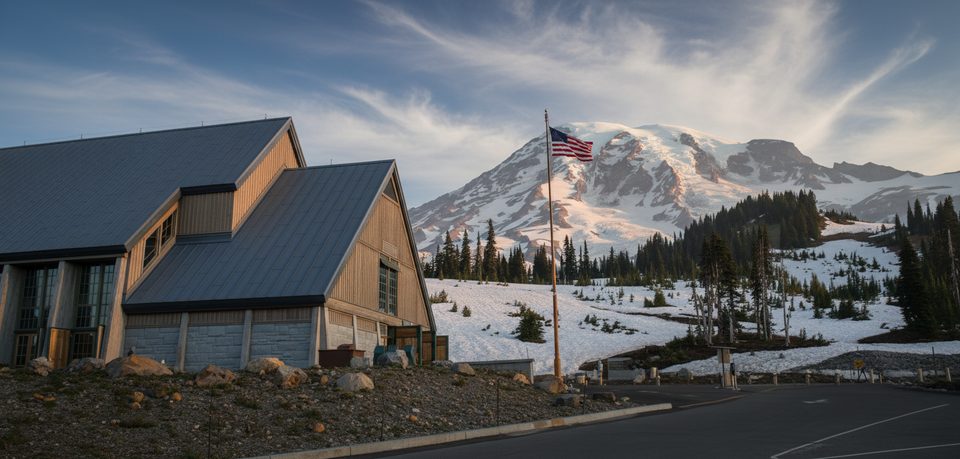
Park at Paradise (Visitor Center/Paradise Inn lots). These fill quickly—arrive early, ideally by 9 a.m. in peak season.
Expect steep, rocky footing and lingering snow above Panorama Point; the upper section is exposed with fast‑changing weather. In winter or early season, traction and experience with snow travel are essential.
Place · 0 mi away
Place · 0 mi away
Place · 0 mi away
Place · 0 mi away
Challenging · 0 mi away
Easy · 0 mi away
Challenging · 0 mi away
Moderate · 0 mi away

Parkwolf Tour Guide
