
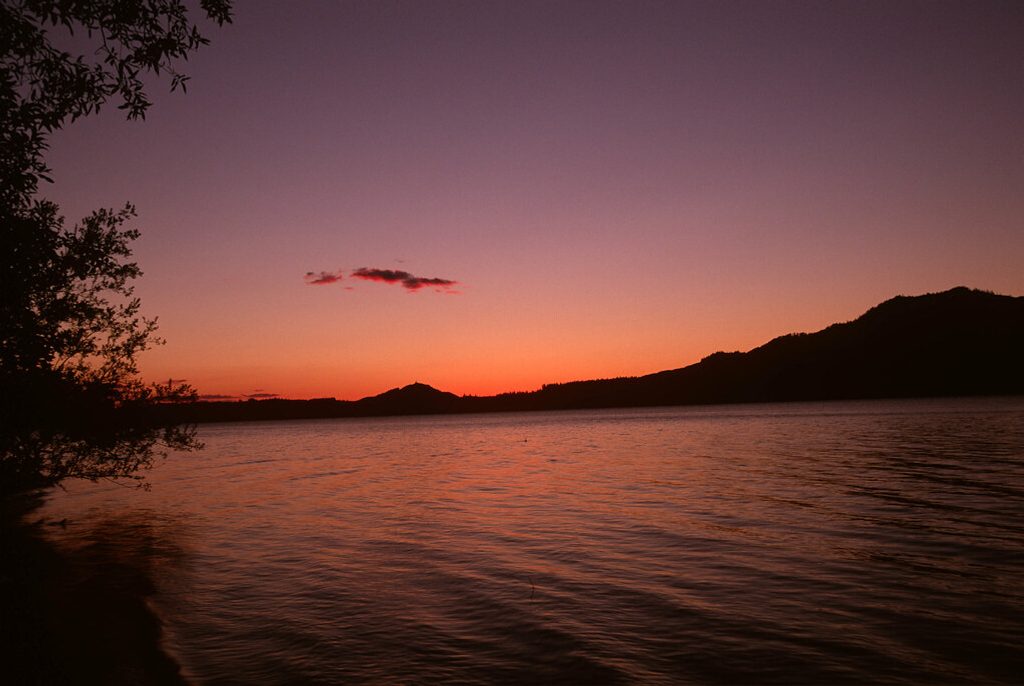
Place · 1.2 mi away
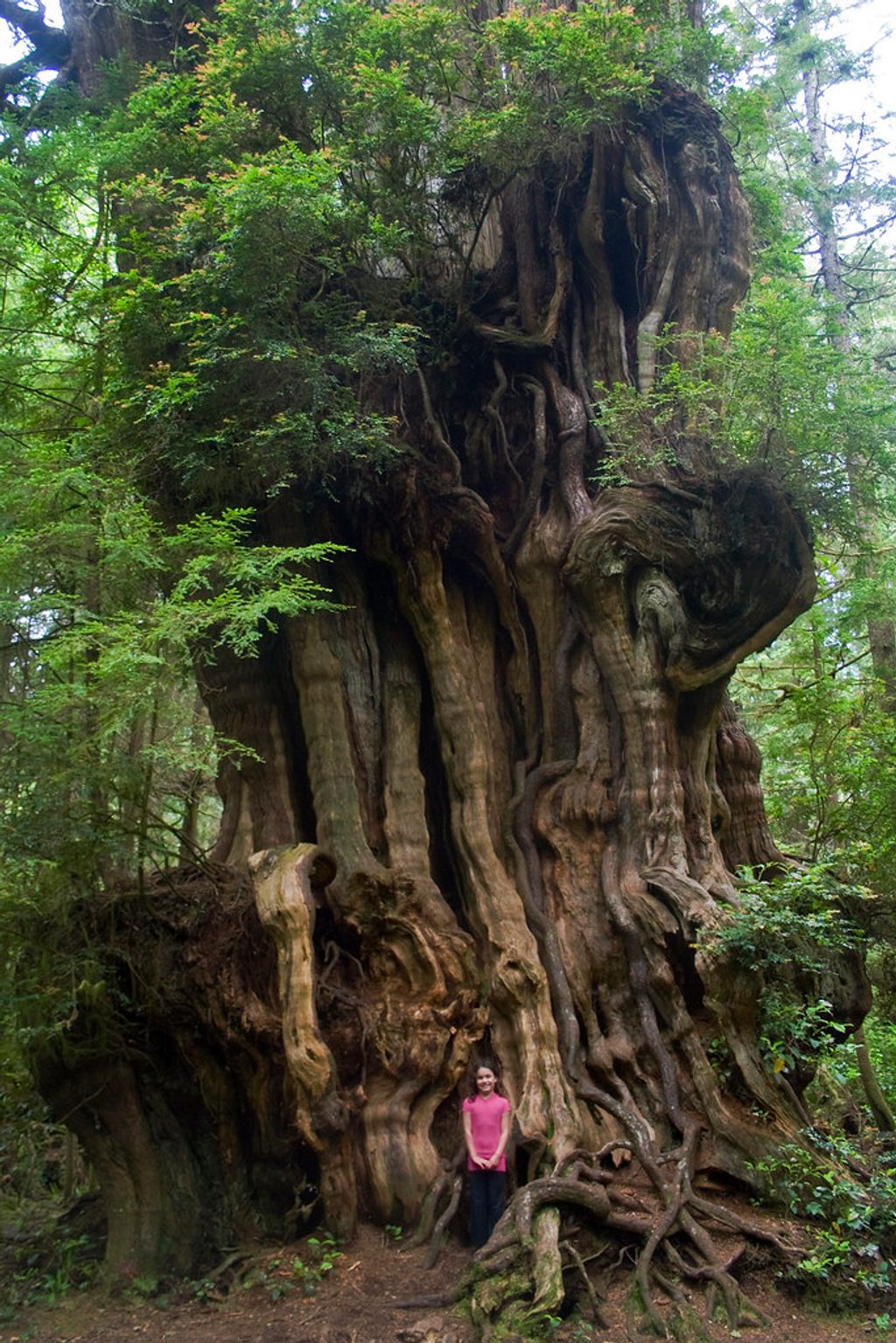
Once one of the largest Western red cedars anywhere, the Quinault Big Cedar stood about 174 feet tall with a circumference over 61 feet. A storm took it down in 2016, but the site remains a compelling stop: a colossal trunk sprawled across rainforest floor and a hulking stump that tells the story of centuries in one glance.
Expect a dramatic fallen giant surrounded by ferns, moss, and the soaked-green glow of the Quinault Rainforest. Even on the ground, the tangle of trunk and root mass is jaw‑dropping and photogenic. Rangers have left the tree where it fell to continue the forest’s natural cycle—so it’s look, don’t touch (and definitely don’t take).
It’s roughly a quarter‑mile from North Shore Road, but don’t expect a groomed nature stroll. The old path is no longer maintained and can be muddy, rooty, and slick, with occasional downed logs to step over. Signage may be missing and the pullout is small, so slow down as you approach and keep an eye out just past the guardrail. Boots are a good idea—this is true rain‑forest.
This was a thousand‑plus‑year‑old titan of the Quinault Valley, famous long before it fell. Seeing it now is a lesson in humility and ecology: nothing here lasts forever, and even the mightiest trees feed the next generation. The park intentionally left it in place to decompose naturally.
The Quinault Rainforest supports Roosevelt elk, black‑tailed deer, black bears, river otters, and a rich birdlife. You may not spot anything on this short visit, but keep your eyes and ears open—dawn and dusk are the most active times in these woods.
Come during a dry spell if you can—the unmaintained path gets slick and muddy when it’s wet. This is a quick stop that works well as part of a broader lap around Lake Quinault.
If the rough path or closure notes give you pause, head to nearby July Creek—there are other giant cedars and a rewarding rainforest feel without chasing a faded spur.
Place · 1.2 mi away
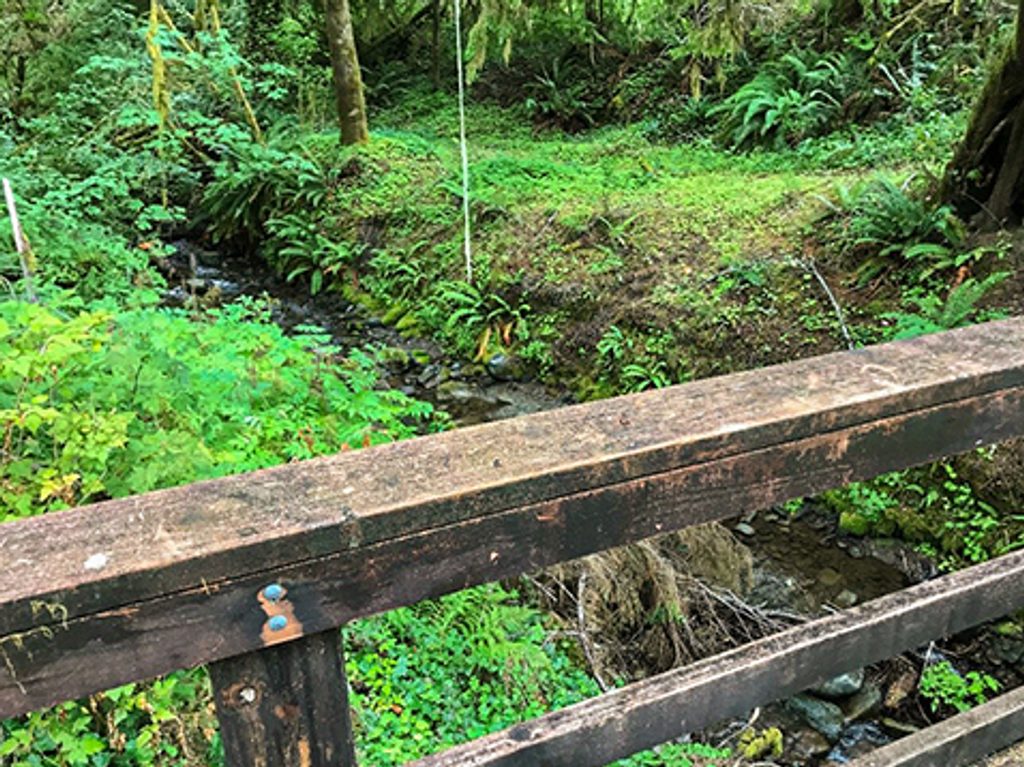
Place · 1.4 mi away
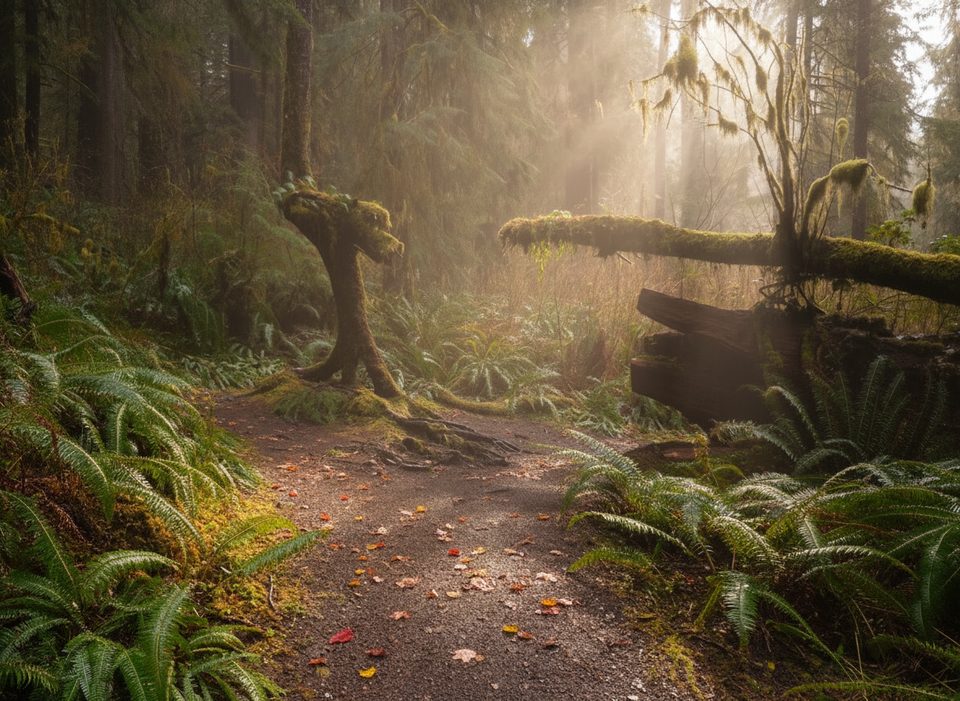
Place · 2 mi away
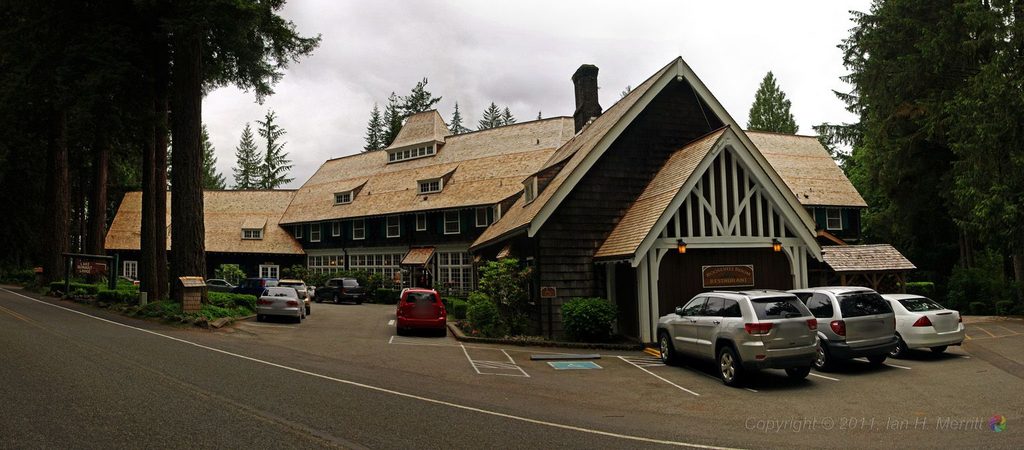
Place · 2.2 mi away
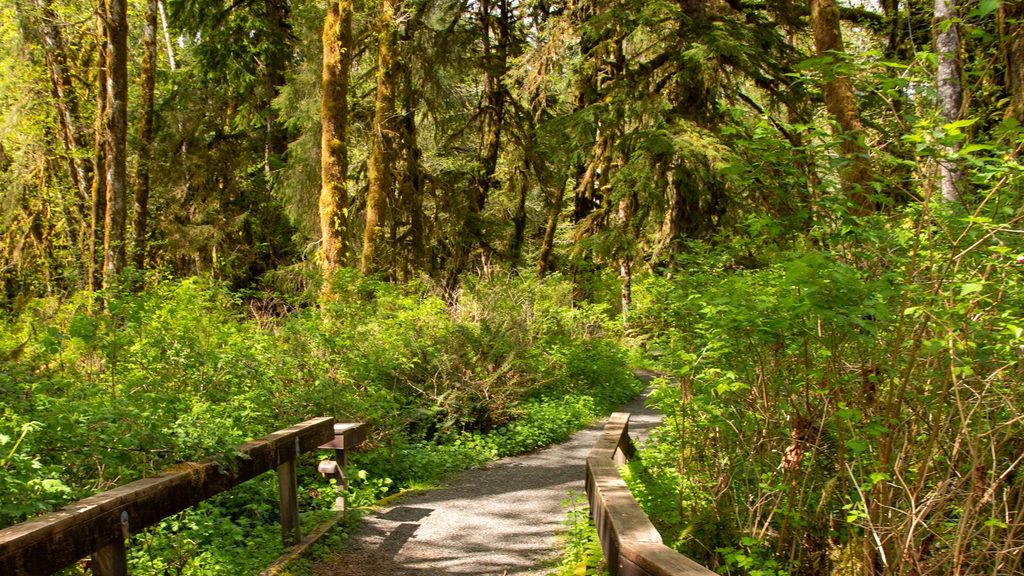
Easy · 3.6 mi away
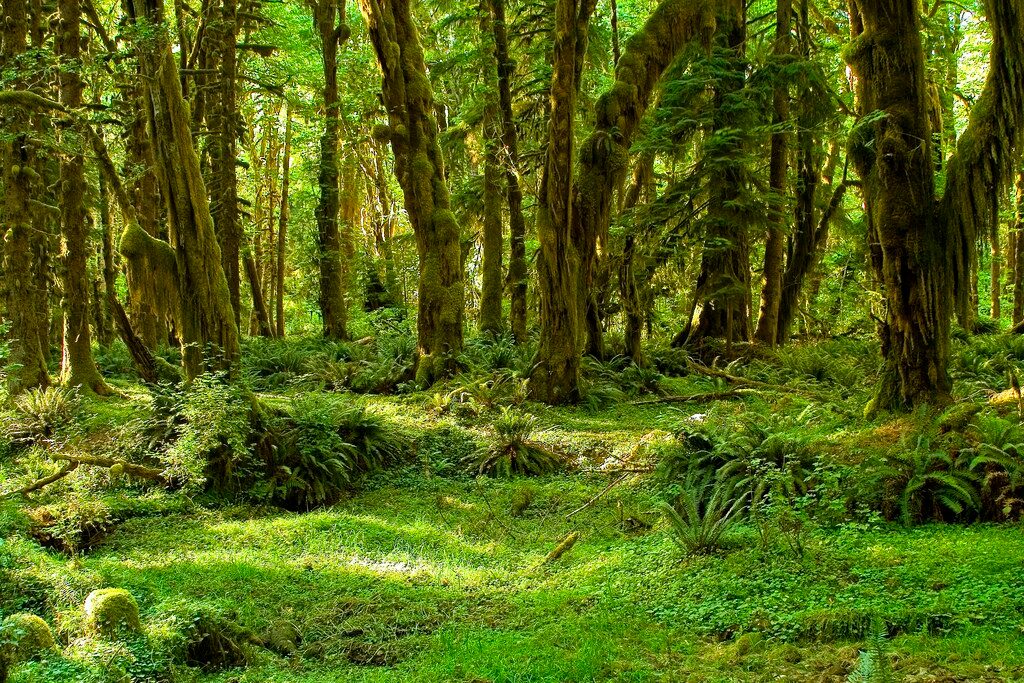
Easy · 3.6 mi away
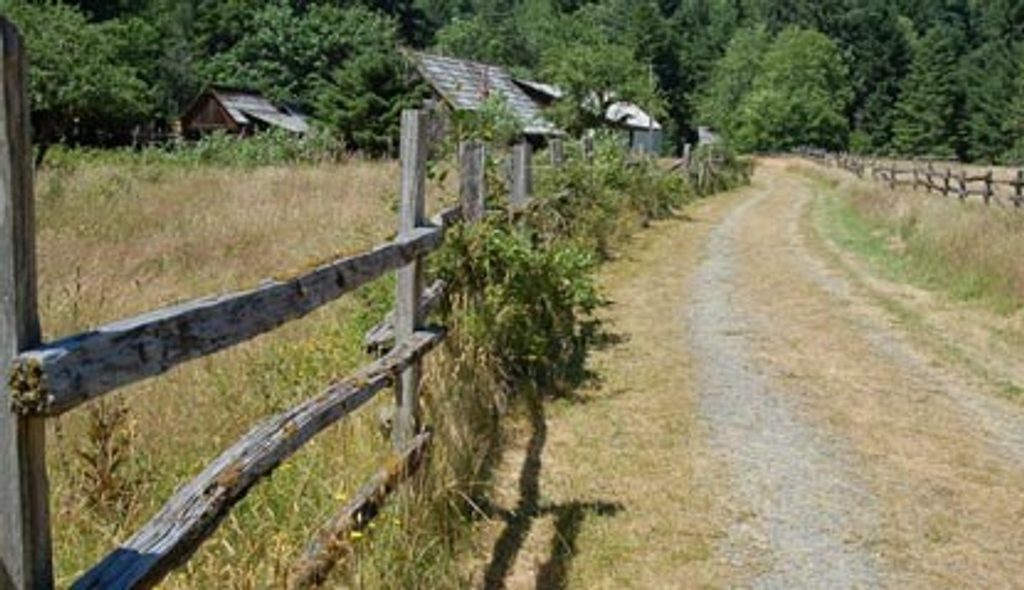
Easy · 3.6 mi away
Challenging · 11.5 mi away

Parkwolf Tour Guide
