
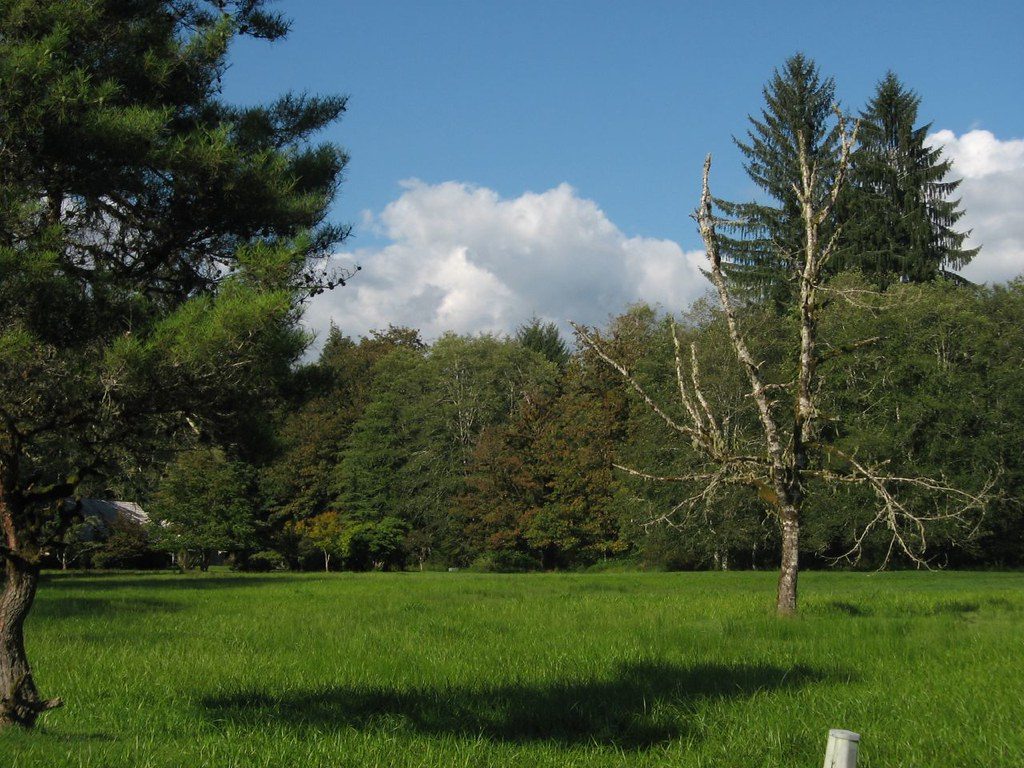
Place · 0.1 mi away
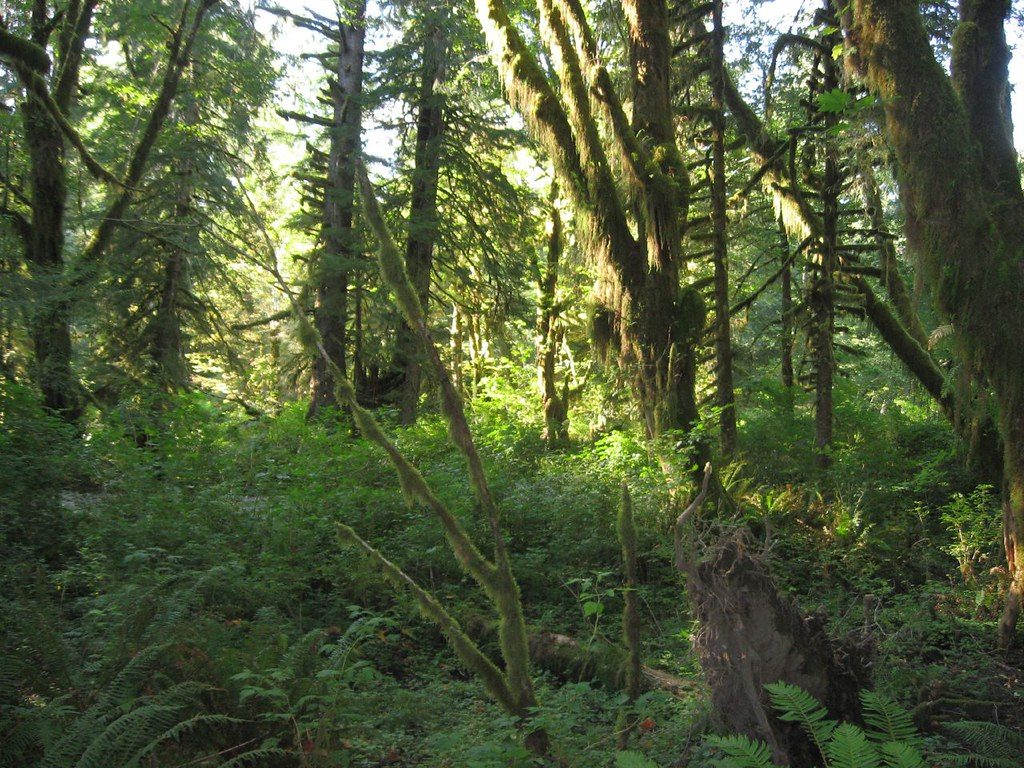
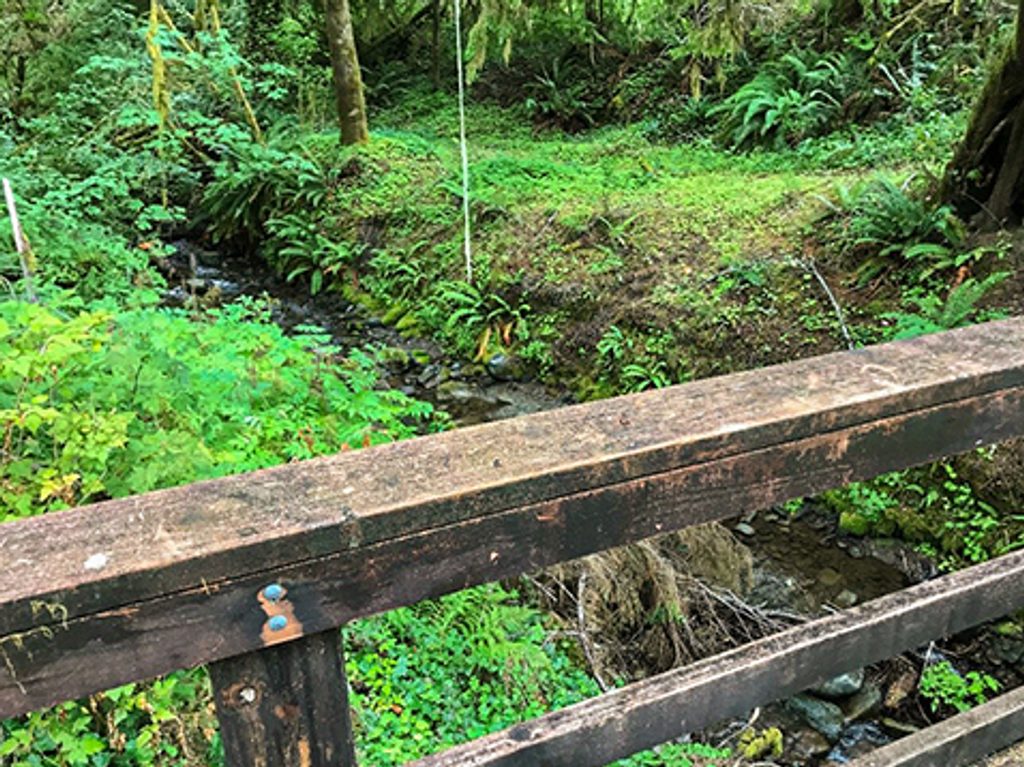
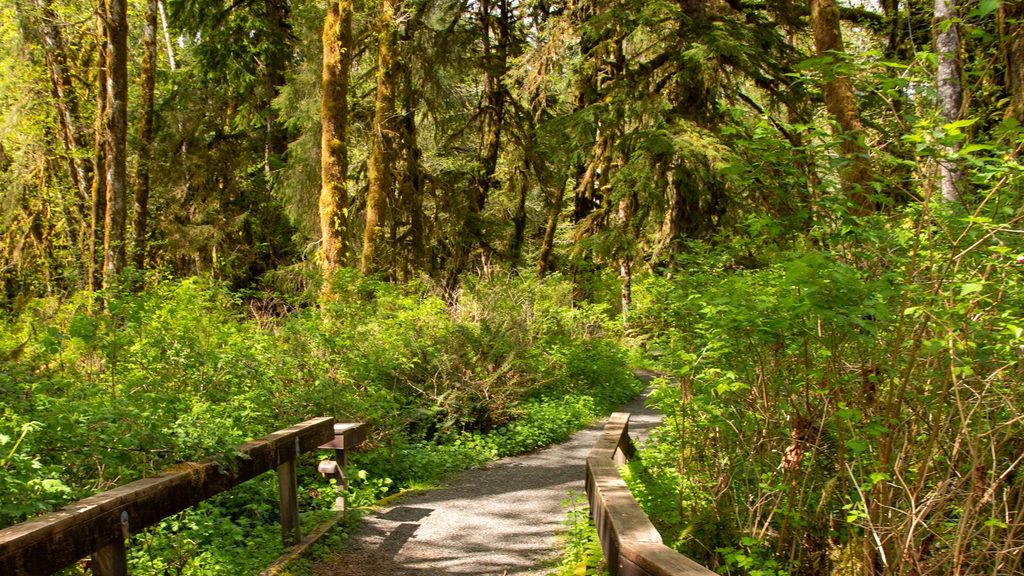
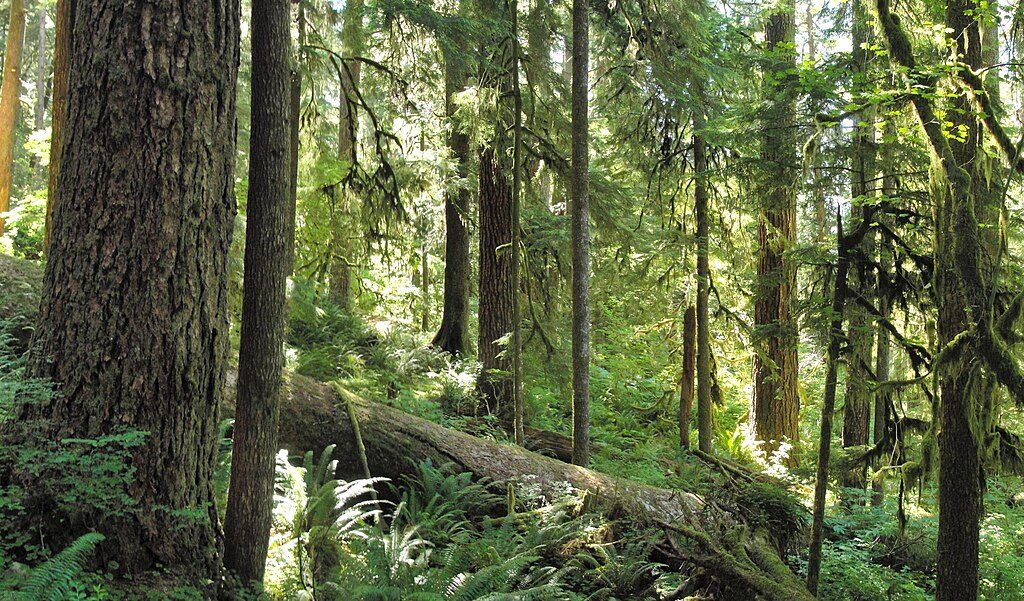
Quinault Rain Forest delivers that storybook, moss-draped vibe without the Hoh-size crowds. Centered around Lake Quinault on the park’s south side, it’s an easy place to sample temperate rainforest, take short walks, and still feel like you’ve stepped into another world.
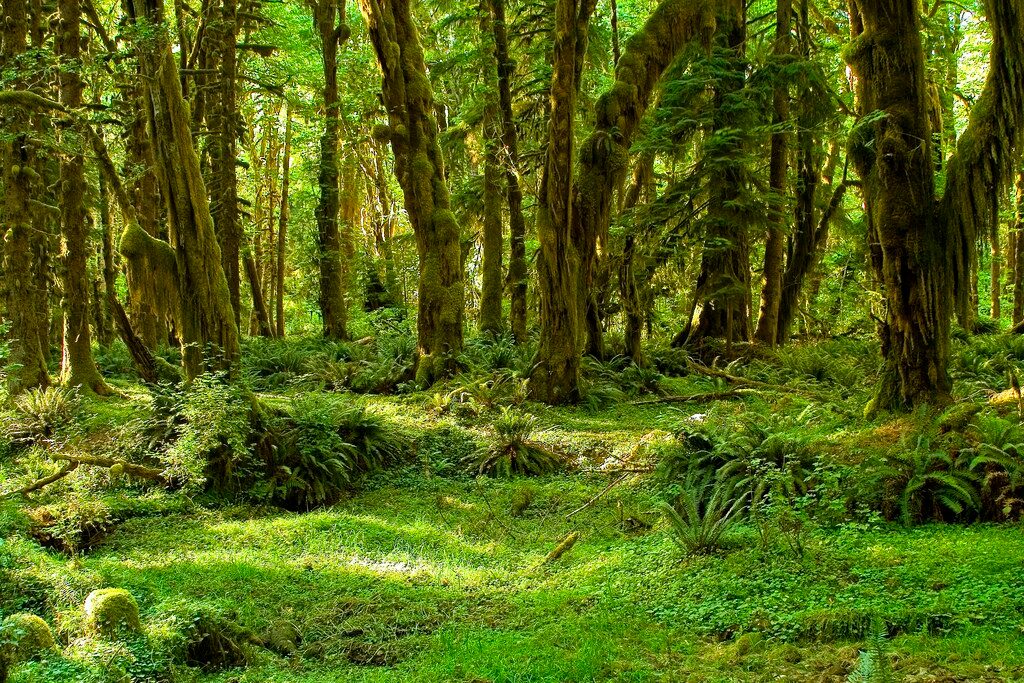
This valley is famous for the Valley of the Rainforest Giants—several champion trees live here, including the world’s largest Sitka spruce and record holders for western hemlock and western redcedar. The forest’s absurd rainfall fuels the neon greens, shaggy maples, and nurse logs you came for.
Roosevelt elk are the headliners—dawn and dusk are your best bet to spot them. The broader valley also supports black-tailed deer, black bears, bald eagles, and (more rarely seen) cougars. Keep distance, bring binoculars, and let wildlife have the right of way.
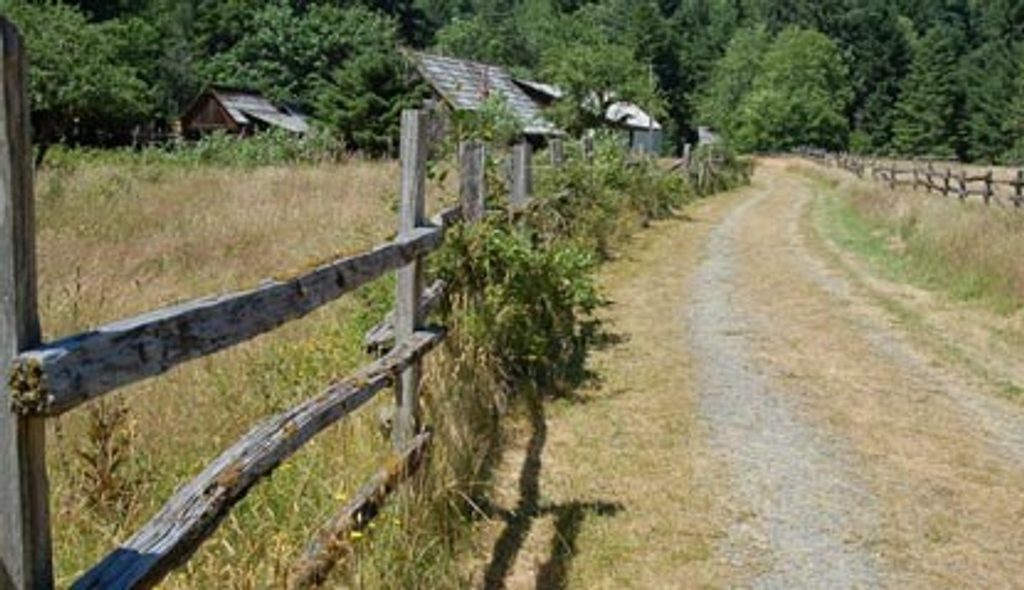
Most visitors combine the North Shore Road corridor (inside the park) with nearby national forest stops. The Quinault Rain Forest Ranger Station anchors several short, self-guided trails; Maple Glade is the quickest immersion. Expect a laid-back mix of pullouts, picnic spots, and short trailheads dotted around the lake.
Place · 0.1 mi away
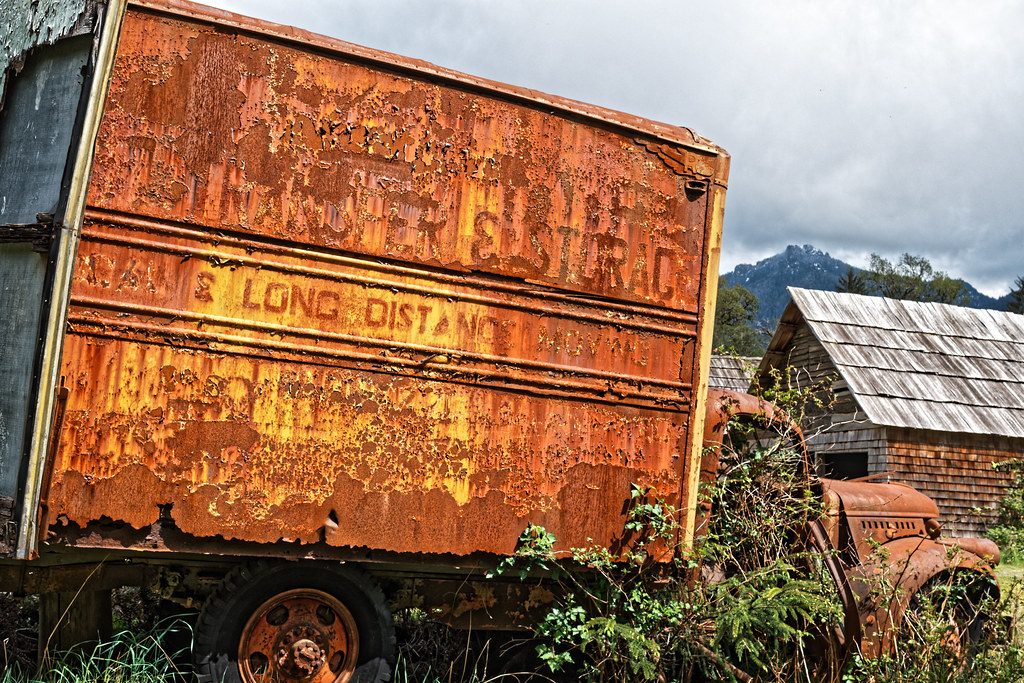
Place · 0.3 mi away
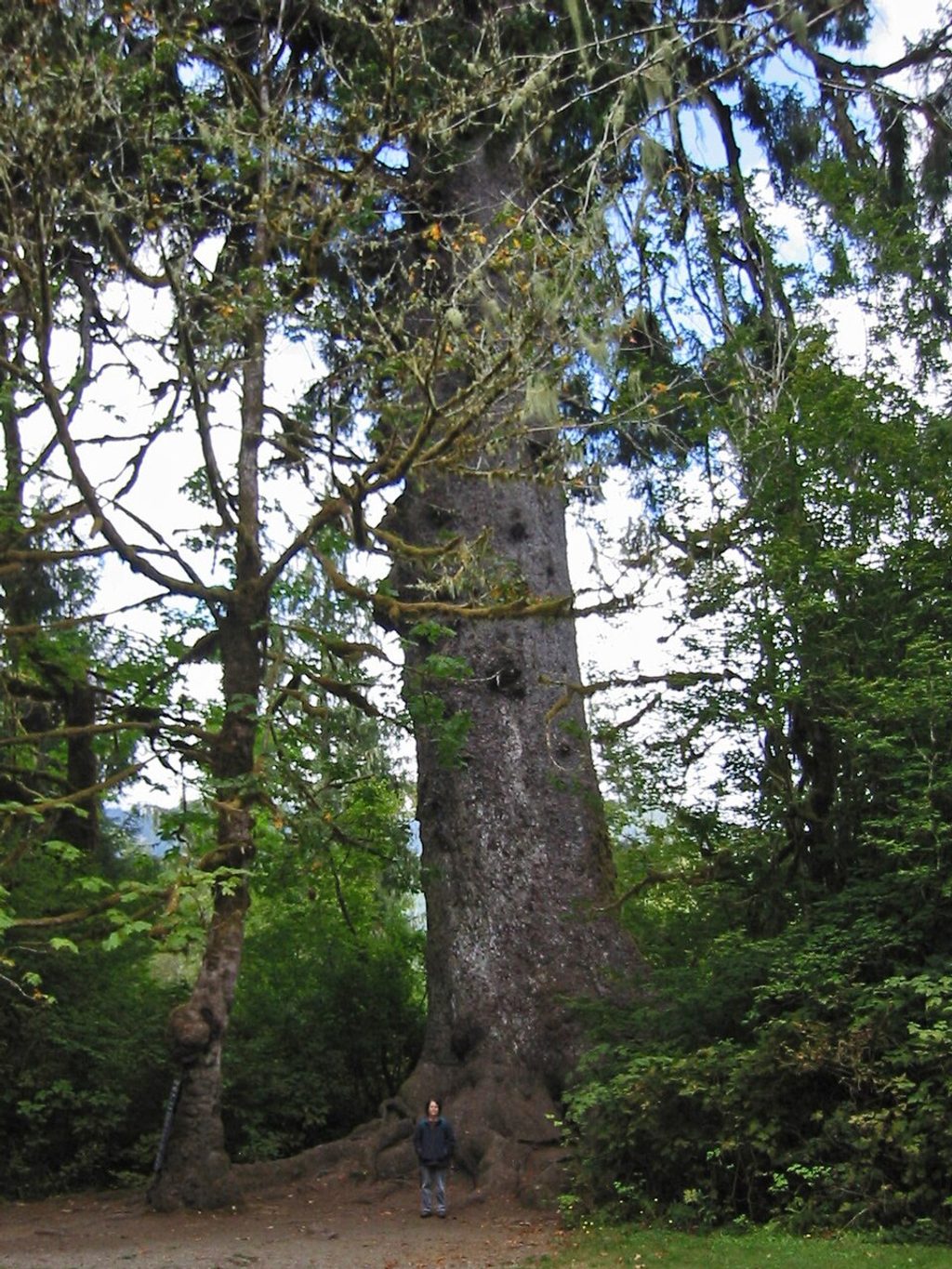
Place · 2 mi away
Place · 2.2 mi away
Easy · 0 mi away
Easy · 0.1 mi away
Easy · 0.1 mi away
Challenging · 8.8 mi away

Parkwolf Tour Guide
