
Place · 0.3 mi away
Challenging
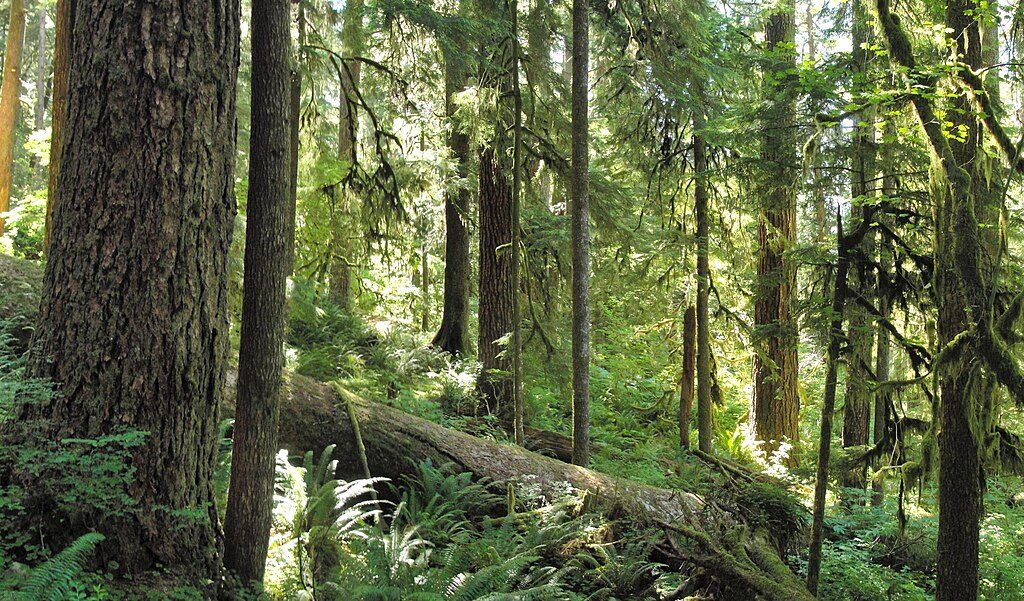
This is a true Quinault-to-high-country climb: 13.8 miles round-trip (6.9 miles one way) from the Irely Lake Trailhead up to the secluded Three Lakes basin. Expect about 2,900 feet of gain and a steady shift from dripping rainforest along Irely and Big creeks into cool montane fir and hemlock, then subalpine meadows and a small, quiet lake at the top. It’s beautiful, varied, and feels remote.
The tread is primitive and infrequently maintained—think roots, mud, blowdowns, and a few brushy stretches. Below, you’ll pass creeks, small cascades, and classic Quinault giants; higher up, the forest transitions to silver fir and Alaska/yellow cedar with open meadows around the basin. A short detour off-trail reveals a local celebrity: the world’s largest Alaska cedar. The trail meets the Skyline Primitive Trail near the basin, a traditional launch for the longer Queets–Quinault Skyline traverse.
Big Creek can be hazardous or even impassable during heavy rain or spring snowmelt. Early season can bring lingering snow in meadows and near the Skyline junction, hiding the tread and forcing careful navigation; when snow remains, the park advises expert map-and-compass skills and even ice axe/self-arrest proficiency. This is wilderness travel—expect a slower pace than the mileage suggests.
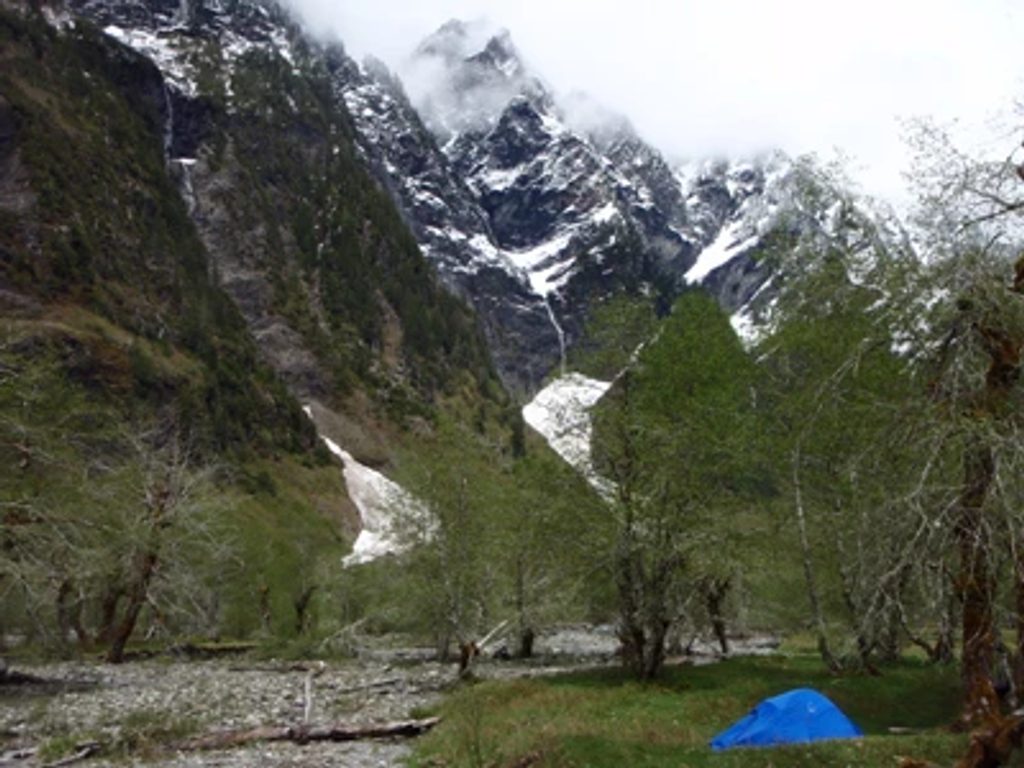
Designated backcountry campsites sit at Three Lakes, with a pit toilet and a bear wire. A wilderness permit is required for overnight stays. Campfires are prohibited. Stock are allowed for travel on the trail but not for camping at Three Lakes. If you continue along the Skyline Primitive Trail beyond the basin, bear canisters are required due to lack of suitable trees for food hangs. Treat all water from creeks and lakes before drinking.
Target early July through October for lower water and mostly snow-free travel. Earlier in the season, be ready to turn around at high creeks or snow-covered sections.
If you want solitude, old-growth grandeur, and an authentic, slightly scrappy climb to a subalpine lakes basin, this one delivers. If you prefer perfectly groomed trails, frequent signage, and easy creek crossings, pick something mellower on the Quinault instead.
Park at the Irely Lake Trailhead off North Shore Road near the North Fork Campground (Lake Quinault side).
Primitive tread, potential blowdowns, and early-season snow. Big Creek may be hazardous or impassable after heavy rain or snowmelt. Carry navigation; when snow remains, expert skills and ice axe/self-arrest proficiency are recommended. No pets; campfires prohibited.
Place · 0.3 mi away
Place · 0.7 mi away
Place · 3.3 mi away
Place · 3.6 mi away
Easy · 0 mi away
Moderate · 0.7 mi away
Challenging · 0.7 mi away
Moderate · 4.1 mi away

Parkwolf Tour Guide
