
Place
Challenging
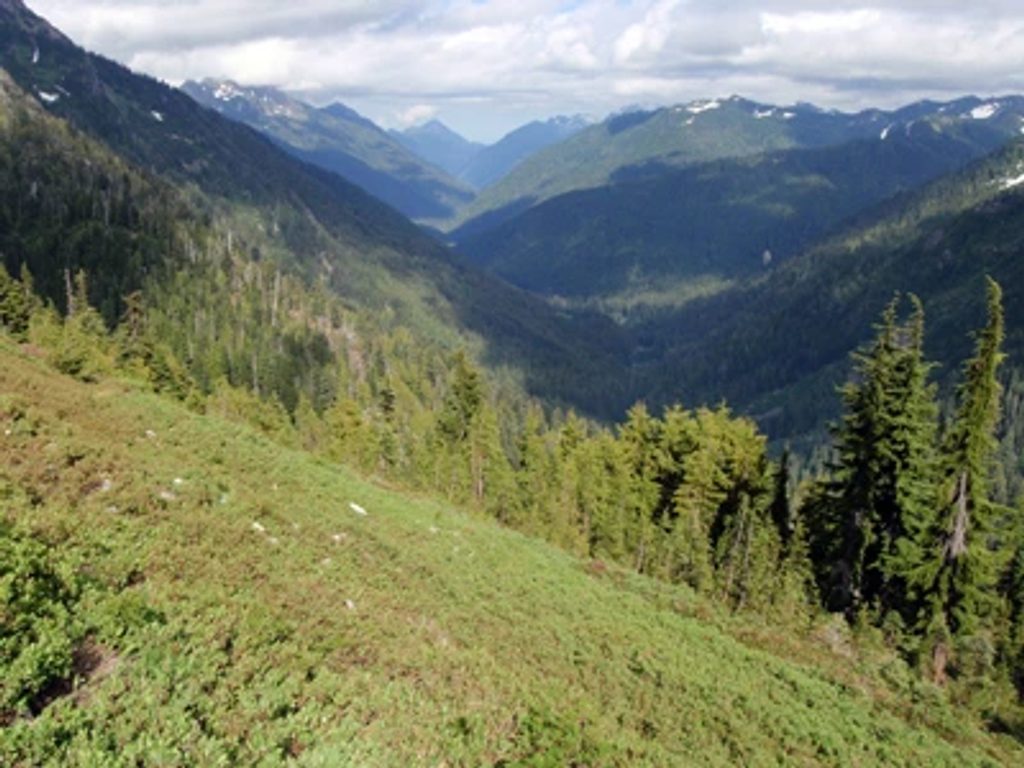
The Duckabush River Trail is a classic, quieter east-side entry into Olympic backcountry: mossy riverbanks, towering fir and cedar, a dramatic burn-scarred section, and a honest climb over Big Hump before the wilderness deepens. It’s best sampled as a day hike to scenic milestones, or savored as a multi-day backpack into the park’s interior.
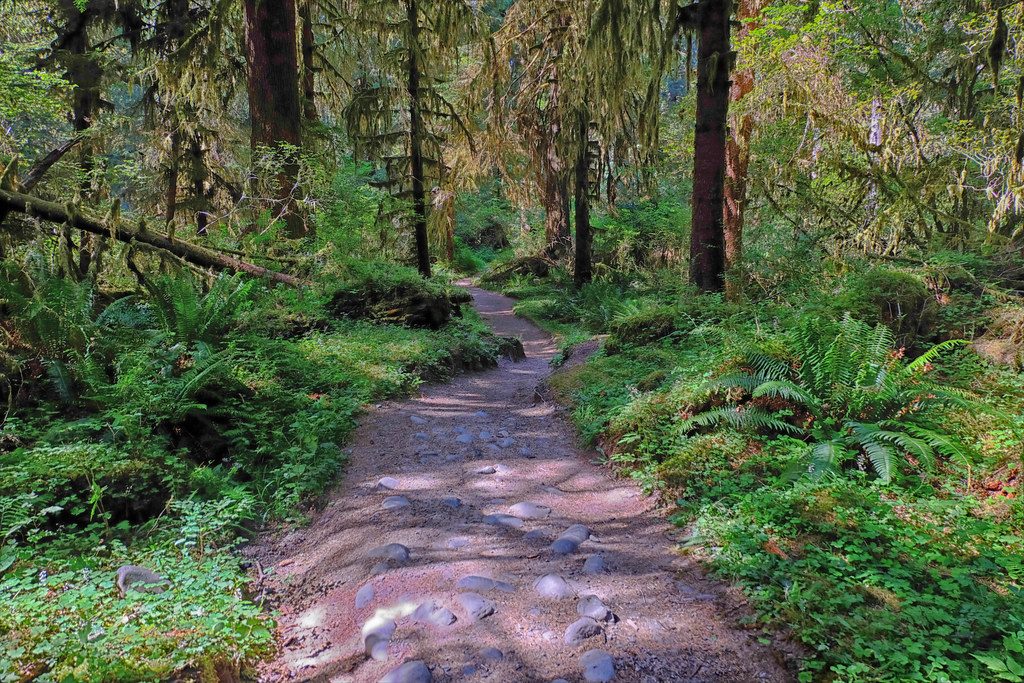
From the Duckabush Trailhead in Olympic National Forest, the path follows the river through second-growth forest, entering The Brothers Wilderness a little over a mile in. A superb riverside grove at about 2.6 miles makes an easy turnaround for families. Beyond, switchbacks ascend Big Hump on dark, lichen-speckled rock to an airy perch (nicknamed “Snack Rock”) with views into the valley. The trail then drops to the river again and continues past riverside camps like Five Mile Camp (~5 miles in). You reach Olympic National Park at roughly 6.2 miles; from there, the corridor runs another 16.1 miles to O’Neil Pass. In total, plan for about 22.3 miles one way to the pass. Many backpackers also use this route to reach Marmot and Hart Lakes.
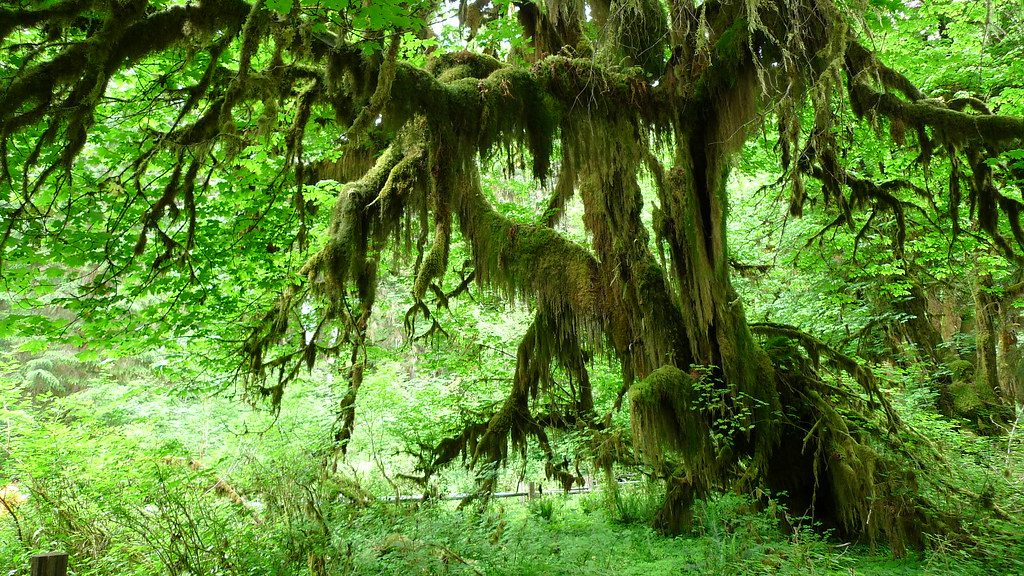
Expect a steady soundtrack of rapids and clear pools, shaded cathedral-like groves, and stretches of 2011 fire damage where stark snags and new growth create moody, photogenic contrasts. Trail crews give this route regular love, but blowdowns after storms are normal in such a big-valley corridor.
Short outings feel moderate; the full route is strenuous due to length, remoteness, and the Big Hump climb. Higher sections can hold snow any time—navigation skills matter when tread disappears, and if you’re pushing to snow-covered passes, you’ll need an ice axe and self-arrest skills. Water is abundant; always treat before drinking.
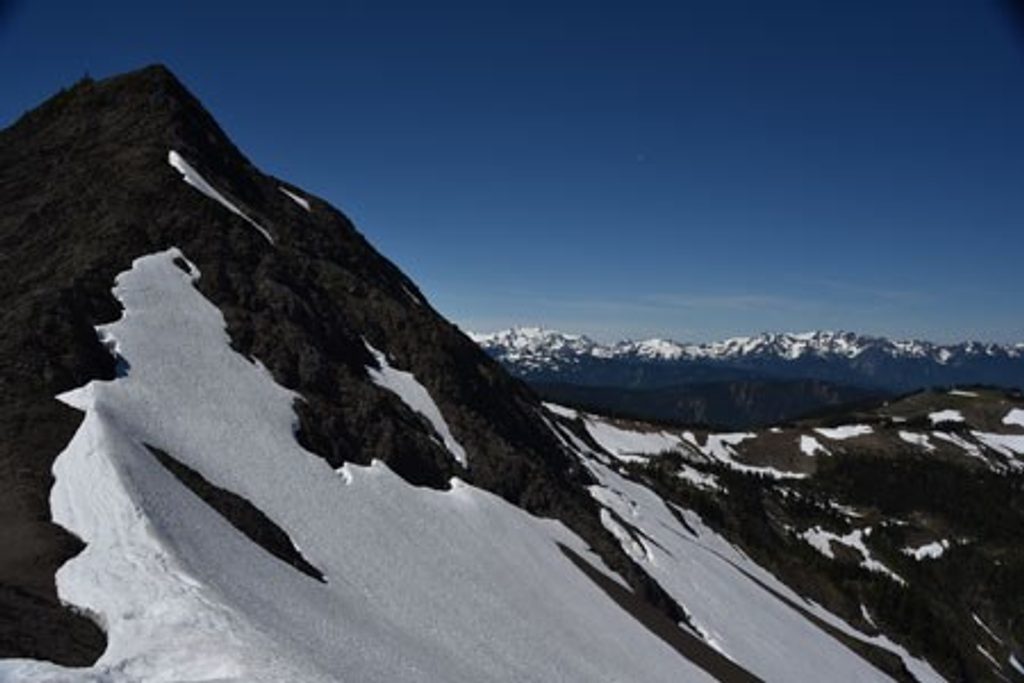
Lower miles are friendliest in spring (April–June) when they melt out early and crowds are still light. As you push higher into summer, expect lingering snow patches in the upper valley depending on the year. Start early on weekends if you want solitude near Big Hump; late-afternoon light along the river is lovely on the way out. Avoid the burn zone in high winds due to falling snags.
Park at the Duckabush Trailhead (National Forest). A Northwest Forest Pass or Interagency Pass is required for parking, and there’s a vault toilet at the trailhead. Overnight trips inside Olympic National Park require a park Wilderness Permit; bear wires are available at 10-Mile Camp, Upper Duckabush, and Marmot Lake. Dogs are allowed on leash only up to the park boundary (first 6.2 miles); no pets inside Olympic National Park.
Day hikers looking for a mellow river wander to 2.6 miles or a tougher out-and-back to Big Hump will be happy. Backpackers chasing solitude and a long, classic valley approach will love the upper miles. If you crave constant big views without the approach, this isn’t your best first choice on the peninsula—save it for when you want the quieter, immersive version of the Olympics.
Duckabush Trailhead in Olympic National Forest; NW Forest Pass or Interagency Pass required. Vault toilet at trailhead and a lower parking area for equestrians.
Wind can drop snags in the 2011 burn zone; higher sections may be snow-covered any time—carry navigation tools and, for snowy passes, an ice axe and self-arrest skills. Expect blowdowns and a few stream crossings.
Place
Place
Place
Place
Challenging
Moderate
Challenging
Challenging

Parkwolf Tour Guide
