
Place
Challenging
This is a demanding, remote outing to small, tree-lined lakes tucked below Aurora Ridge. Expect a long climb through forest to the ridge, some undulating travel up high, then a steep drop of roughly 300 feet into the Eagle Lakes basin. It’s a classic work-for-it destination with real solitude and a backcountry feel.
Distance is about 12.5 miles round-trip (out-and-back) with roughly 3,400 feet of total gain. That tally includes a sustained ascent of around 2,300 feet to gain the ridge, rolling sections along the ridge, and the final 300-foot descent to the lakes that you must re-climb on the way out. Plan for 7–9 hours for most hikers.
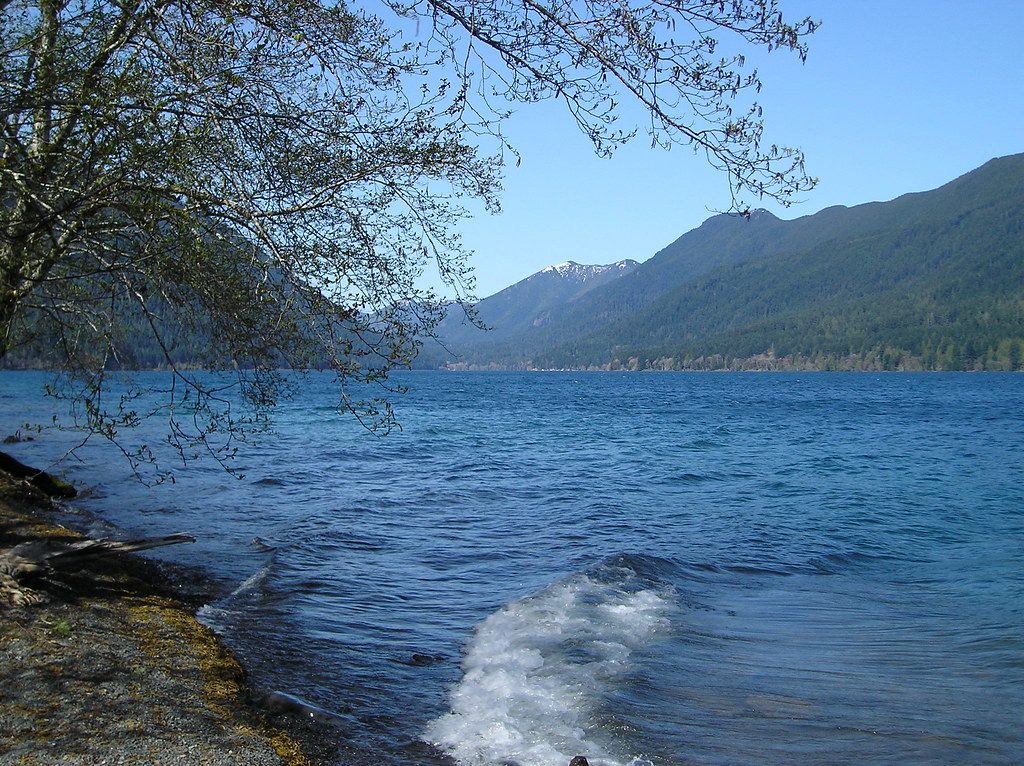
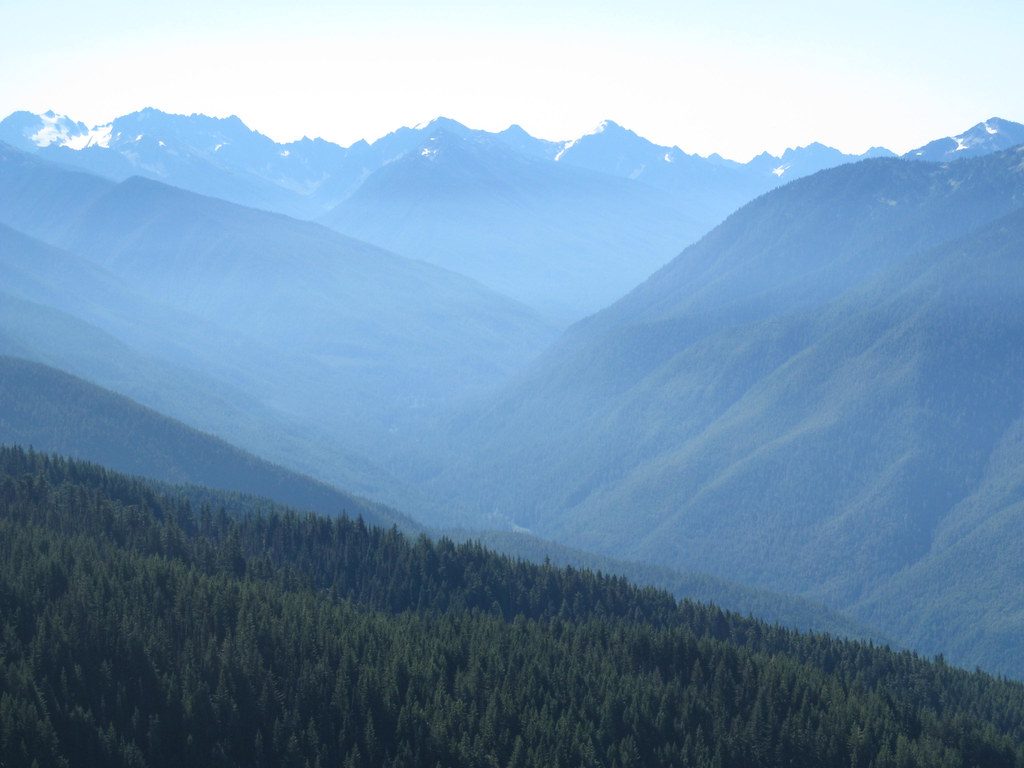
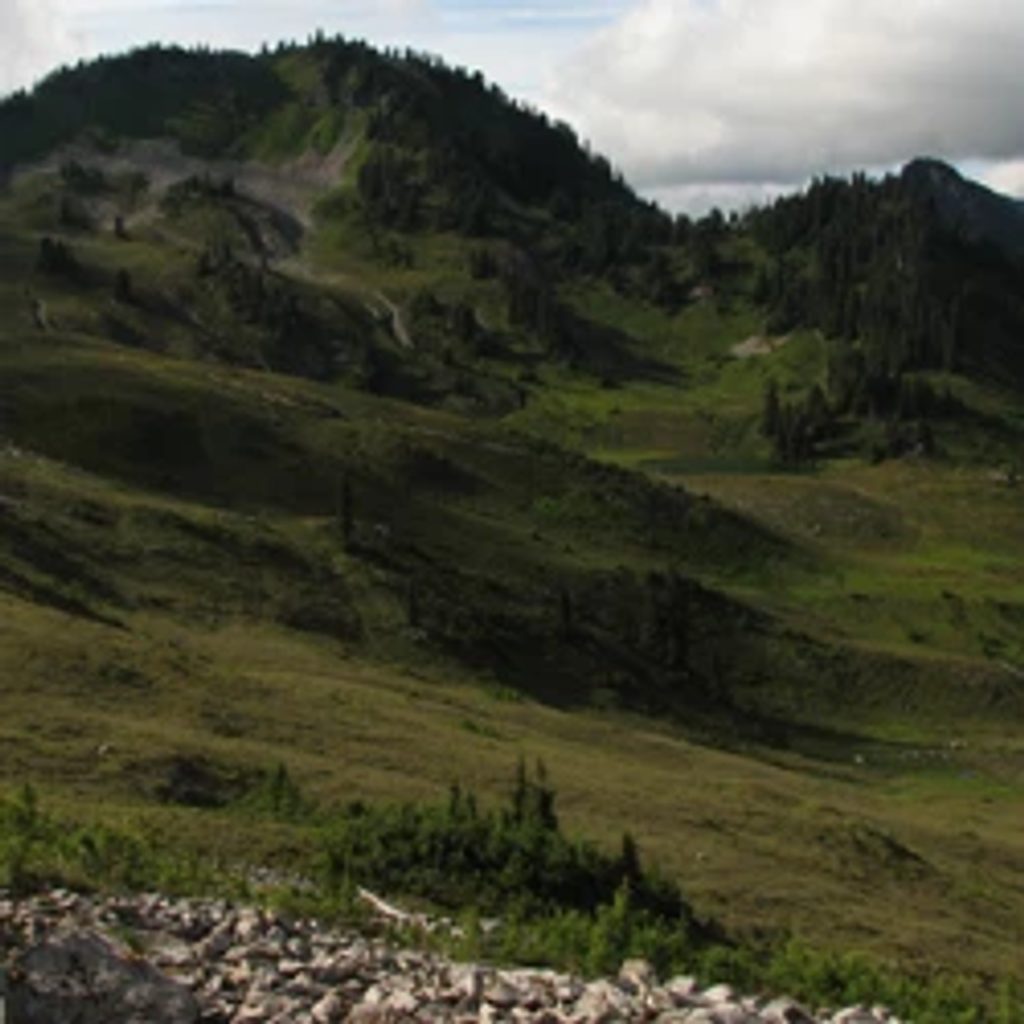
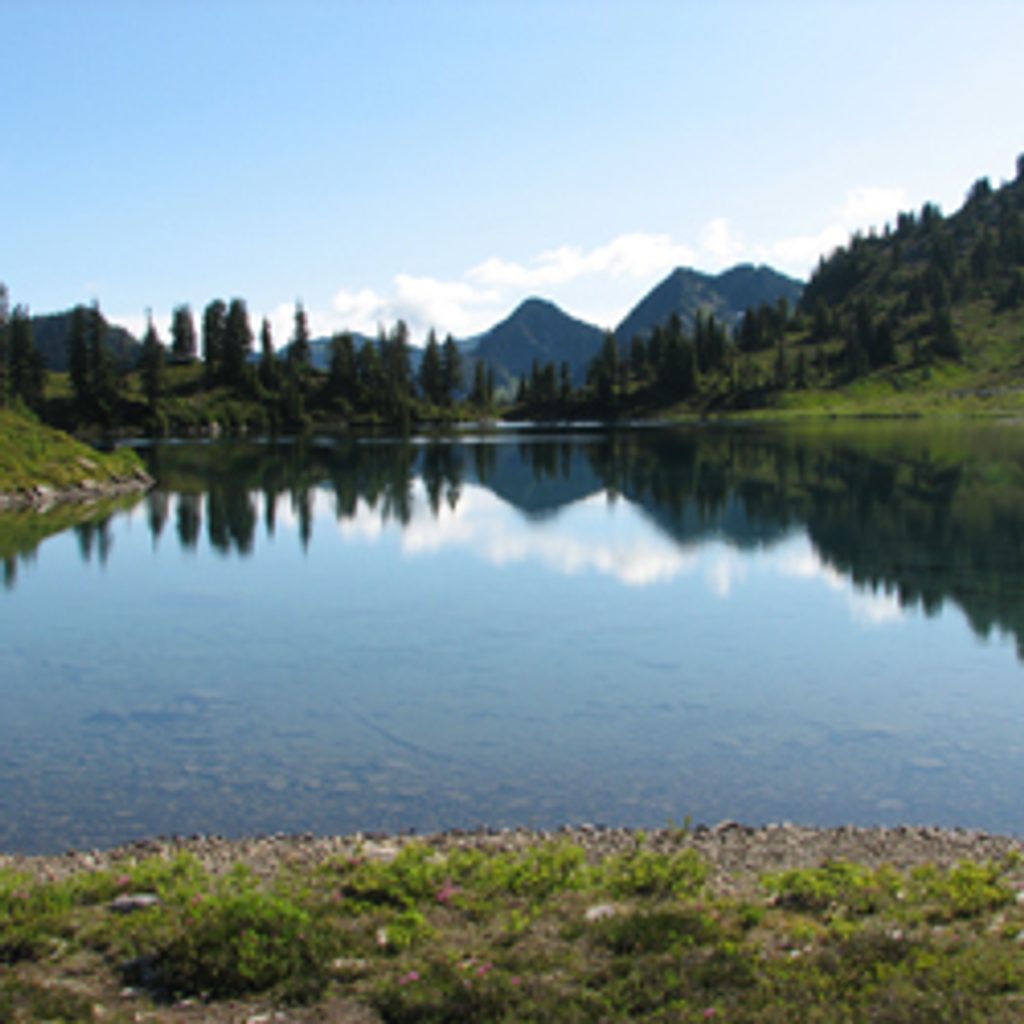
Scenery starts in dense forest and transitions to ridge walking with occasional glimpses before dropping into a quiet basin where the lakes sit ringed by trees. Reports note trout in the destination lake—anglers should review current park fishing regulations. Birdlife is active around the water, and the setting stays pleasantly wild thanks to light use.
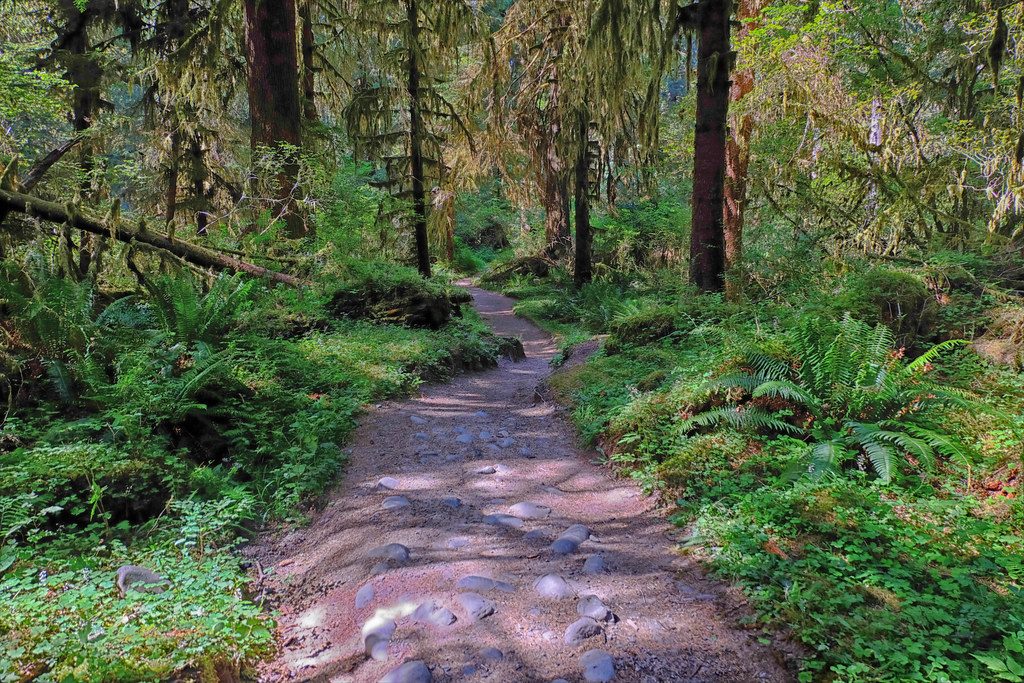
Trail character is primitive and lightly maintained in places: sections can feel overgrown, tread may be rooty or rough, and navigation can take attention. This is not a beginner hike. Bring layers, food, and plenty of water; there are no services. If you’re camping, a wilderness permit is required.
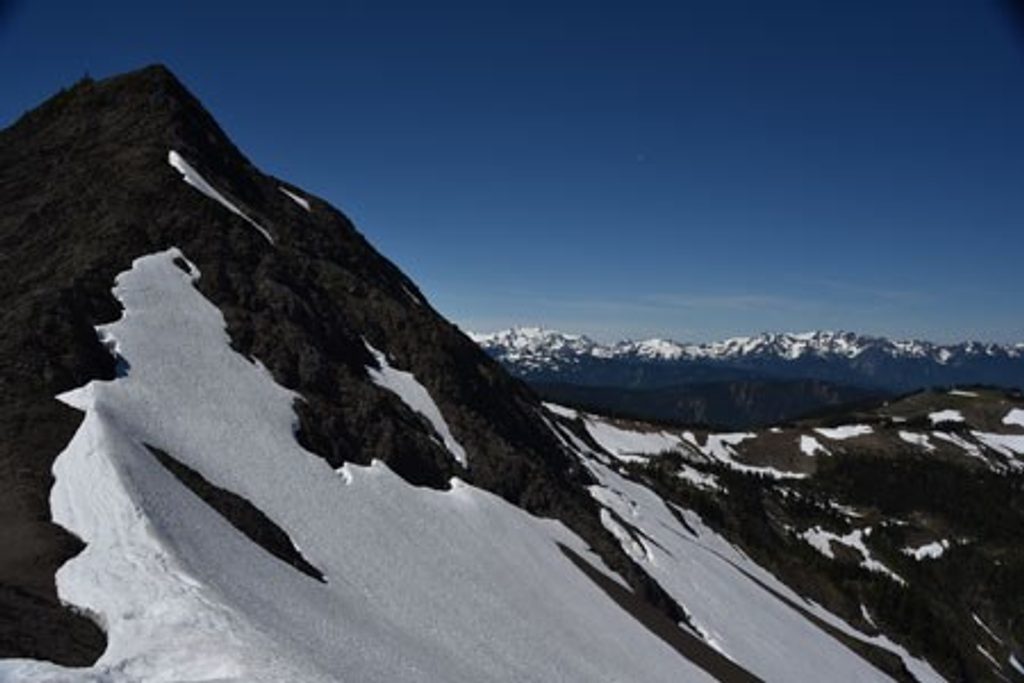
Best time to hike: Aim for snow-free months for safer footing and easier travel. This ridge-and-lake combo is far more pleasant when the route is dry and brush isn’t weighed down by weather. Always check current conditions and advisories before heading out.
Bottom line: If you want a hushed, effortful day to a small backcountry lake where you’re likely to have the shore mostly to yourself, this one delivers. If you’re after quick, big views or a casual lakeside stroll, look elsewhere in the park.
Park at the Aurora Ridge trailhead west of Lake Crescent off Sol Duc Hot Springs Road.
Remote, lightly traveled backcountry route with overgrown sections; carry a map/GPS, extra food and water. Expect a steep, rough final descent and a strenuous return climb. No pets. Wilderness permit required for overnight camping.
Place
Place
Place
Place
Challenging
Moderate
Challenging
Challenging

Parkwolf Tour Guide
