
Place
Challenging
This is the Staircase region’s big, rewarding sufferfest: roughly 20 miles round-trip with over 4,000 feet of gain from the North Fork Skokomish River to a 5,000-foot divide. You’ll start at the Staircase trailhead, cruise easy miles along mossy old-growth and the rushing river, then turn up the Flapjack Lakes Trail for a sustained climb to the lakes and a steep, alpine finish to Gladys Divide. It’s long, remote, and stunning—best for strong hikers who like quiet trails and real mountain scenery.
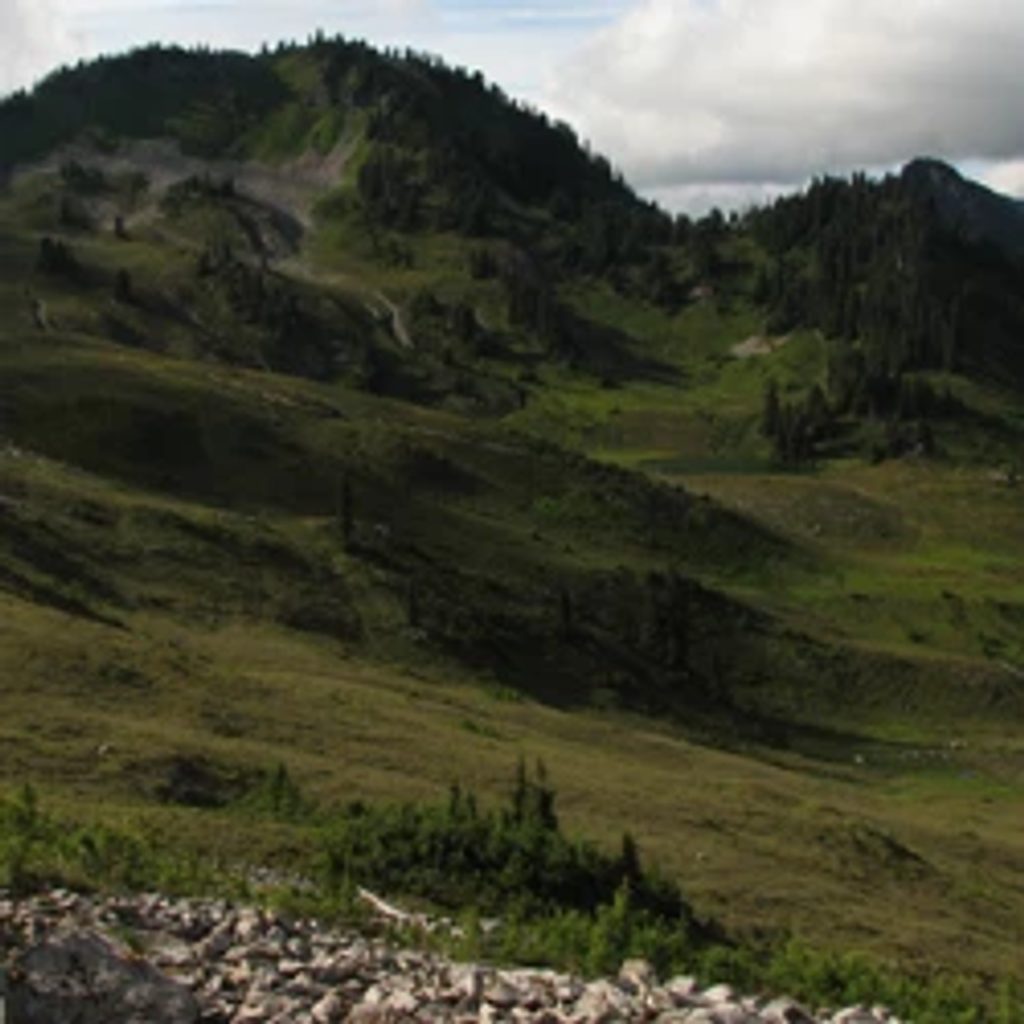
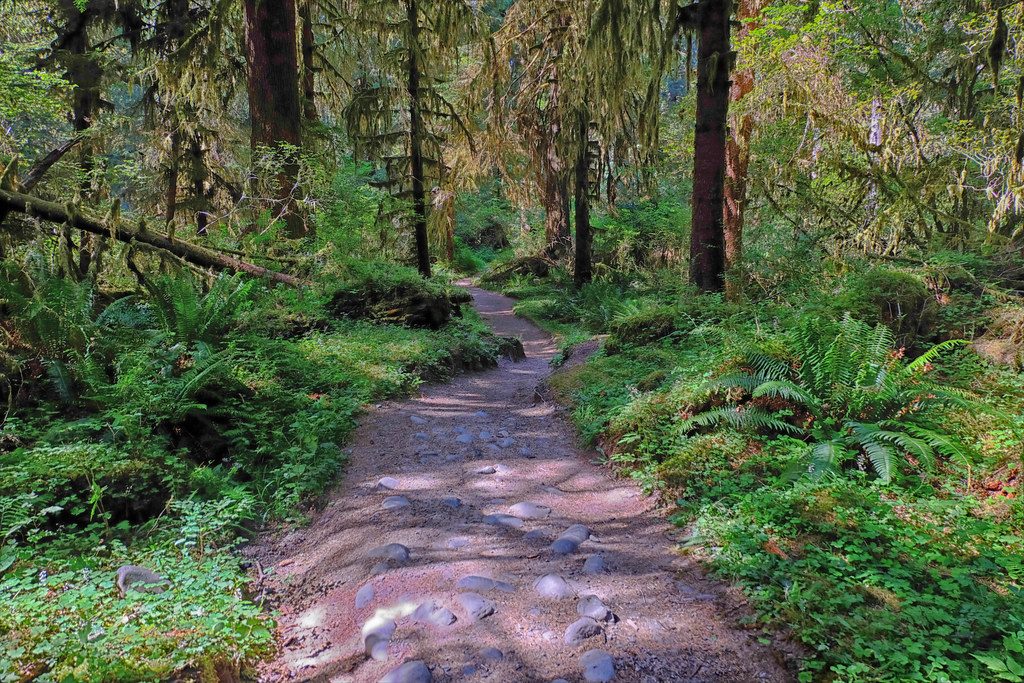
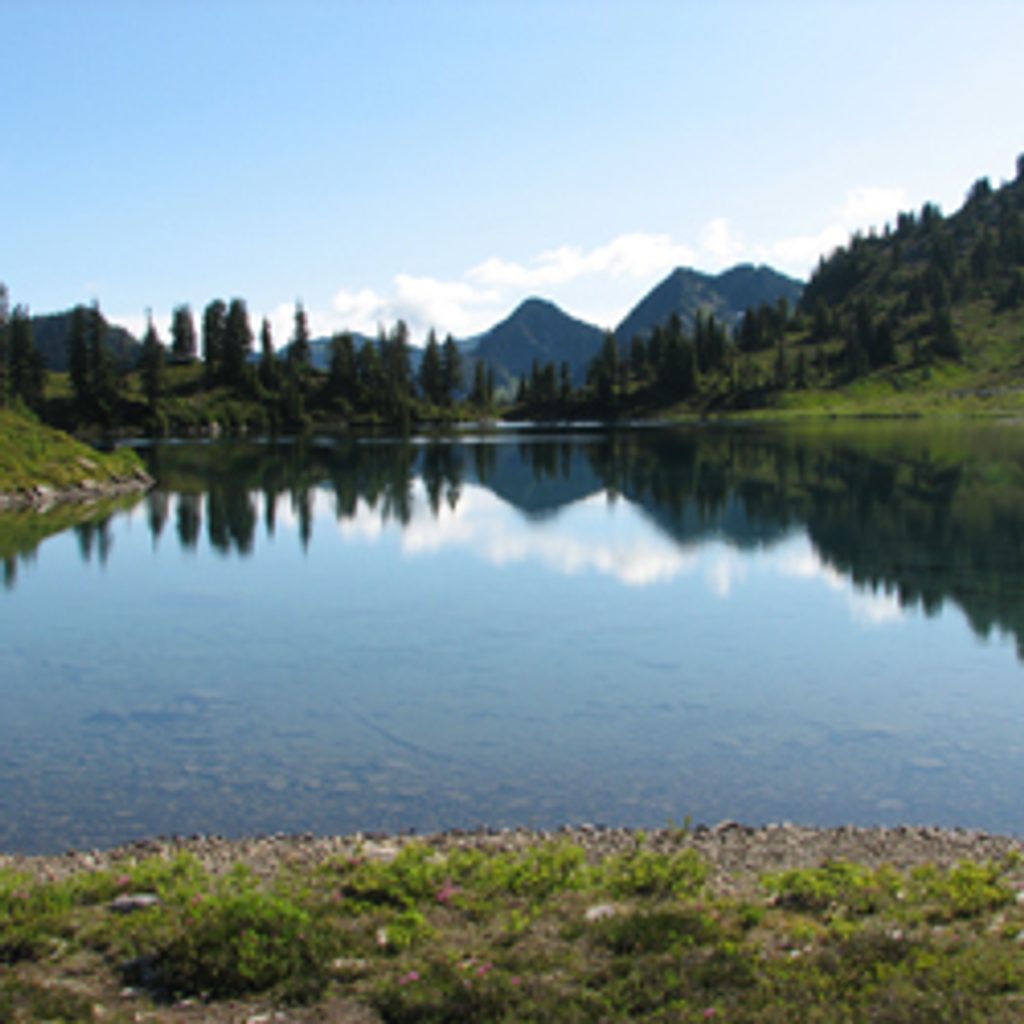
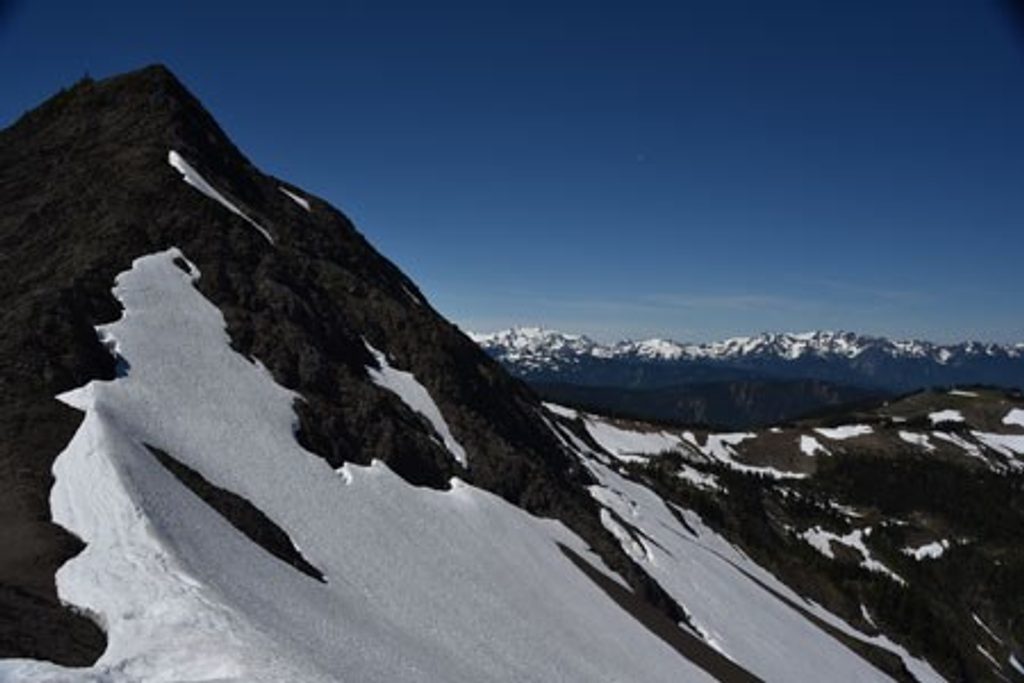
What you’ll see: old-growth forest, riverside sections, and Donahue Creek Falls on the approach; then Flapjack Lakes about seven miles in, set in a glacially carved basin that’s popular for camping. Above the lakes, the trail punches through meadows and subalpine terrain to the divide, where views open to the Sawtooth Ridge, Mount Cruiser, and the Hamma Hamma River headwaters. On clear days, you may even spot distant Mount Olympus.
Expect the character to change as you climb: well-defined and mellow along the river, then steeper and rougher after the lakes. Snow lingers here—sometimes well into summer—and lingering snowfields can obscure the route between Flapjack Lakes and the divide. When melted out, the path is straightforward; when buried, it’s a navigation project.
Side trips for the motivated: the steep spur to Black & White Lakes (fall color can be fantastic), and a less-defined bootpath beyond the divide to Mount Gladys (outside the park) for experienced, off-trail scramblers seeking 360-degree views. If you’re backpacking, Flapjack Lakes has established camps (permit required) and reliable water—filter everything.
Best time to hike: mid-May through October, with summer and early fall offering the most reliable dry trail and views. Spring and early season bring snow and potential avalanche hazard above the lakes; winter attempts require true snow travel and route-finding chops. Weekdays see fewer people than summer weekends.
Logistics you’ll care about: park at Staircase and display your National Park Pass. The approach road near Lake Cushman can have potholes—take it slow. Water is plentiful along streams and at the lakes, but treat/filter it. There’s a toilet near Flapjack Lakes on an unmarked spur. Pets aren’t allowed on park trails. For overnight trips, reserve a wilderness permit.
Bottom line: if you want a wild, quieter alternative to the park’s marquee day hikes and don’t mind putting in the miles, Gladys Divide delivers an A+ river-to-alpine arc. If you’re after shorter views with less commitment, consider turning around at Flapjack Lakes instead.
Park at the Staircase trailhead/ranger station; display a National Park Pass. Expect potholes on the approach near Lake Cushman.
Remote, strenuous outing with over 4,000 feet of gain. Snow and avalanche risk above Flapjack Lakes in spring/early season; route-finding from the lakes to the divide when snow lingers. Some exposed or rough sections; a stream wade is possible if you loop around the lakes. Treat all water. Wilderness permit required for camping; bear-aware food storage recommended. No pets.
Place
Place
Place
Place
Challenging
Moderate
Challenging
Challenging

Parkwolf Tour Guide
