
Place
Easy
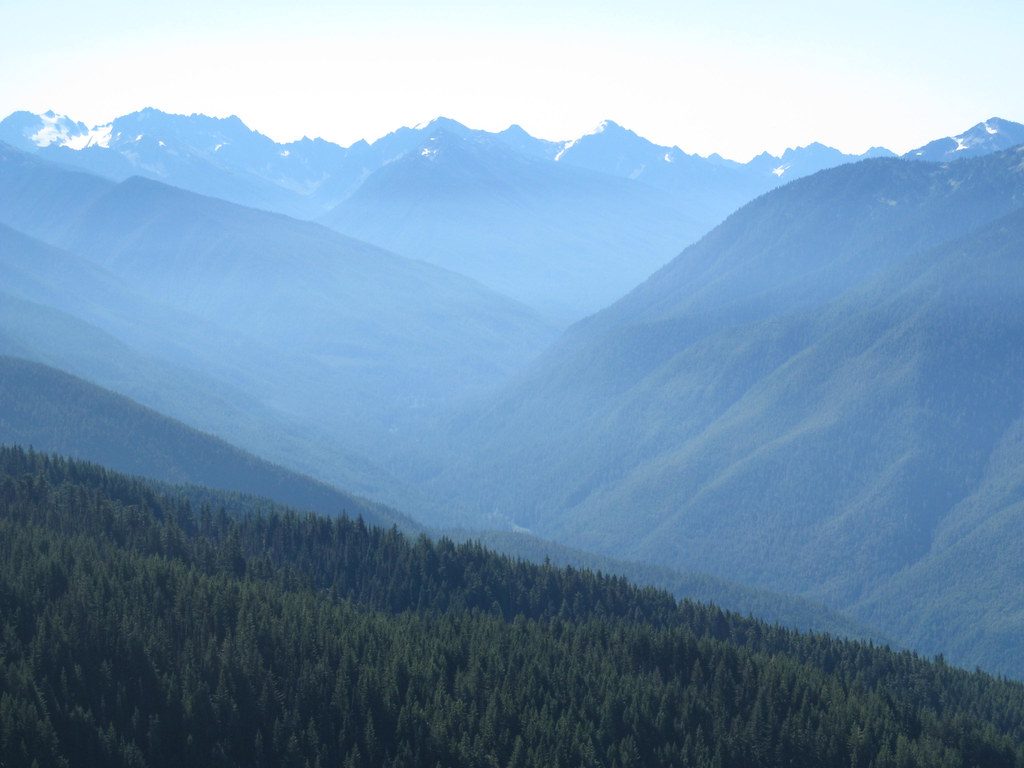
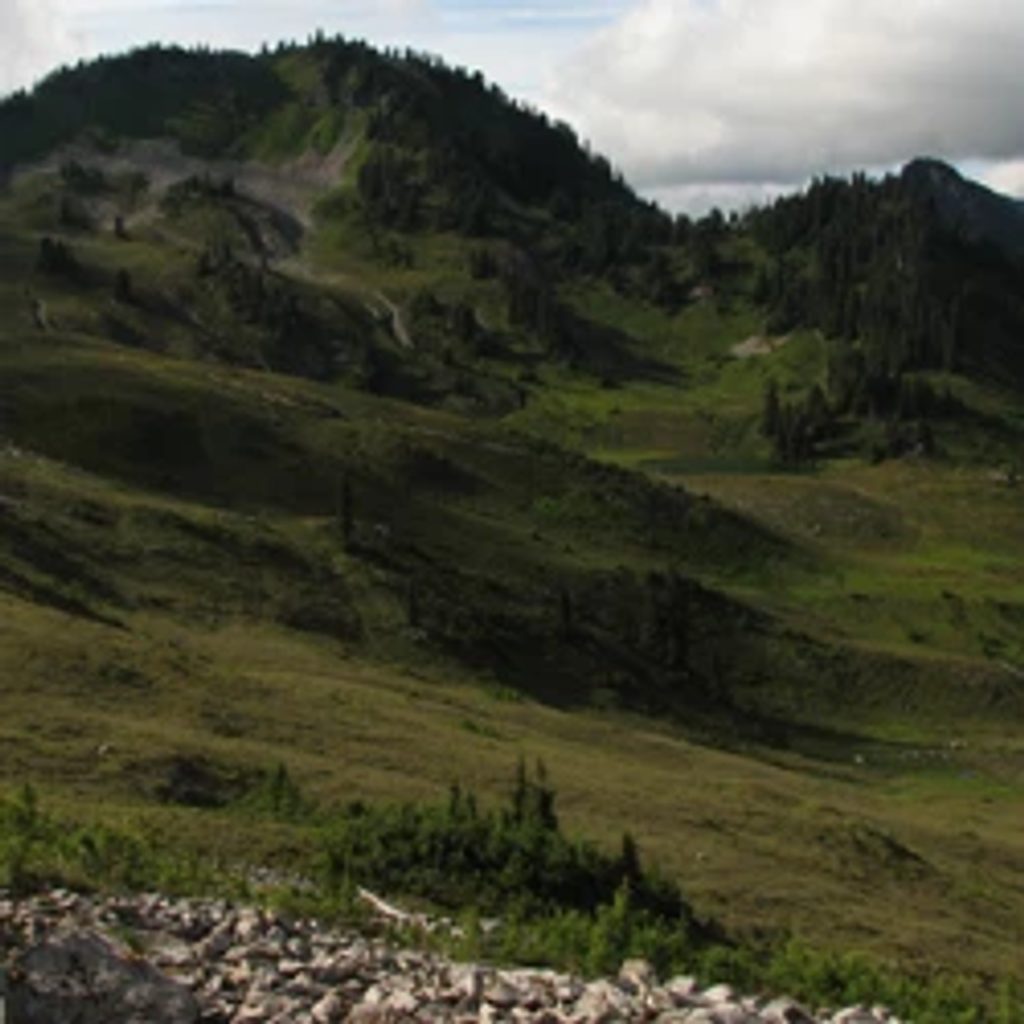
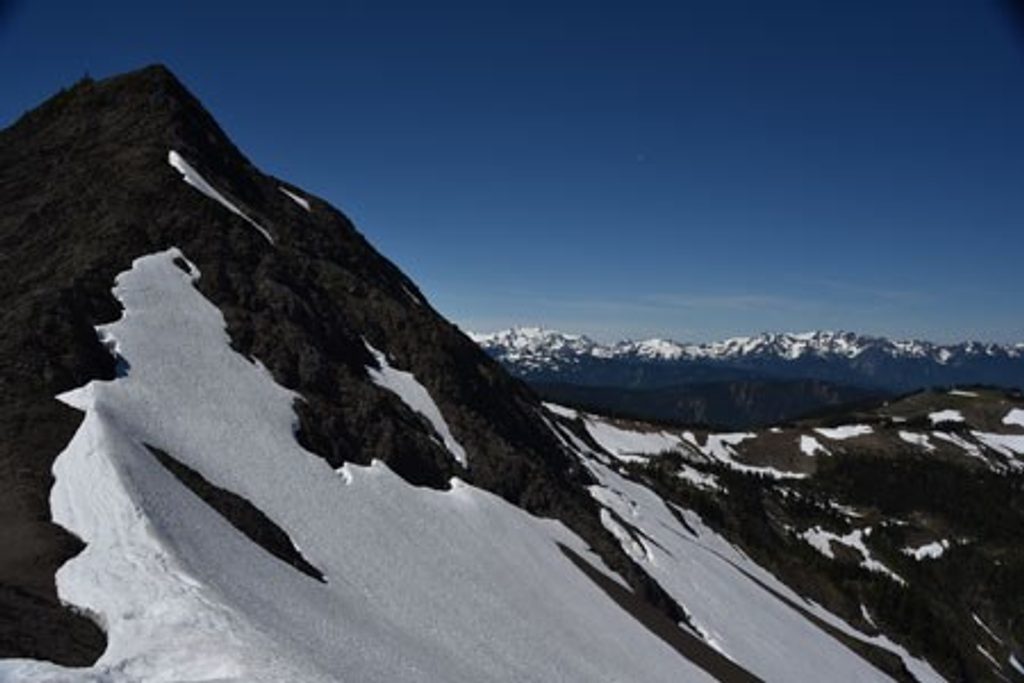
If you want Hurricane Ridge’s knock‑out scenery without the conga line, Sunrise Ridge is the move. This high, open ridgeline serves up panoramic Olympic peaks and, on clear days, glimpses of the Strait of Juan de Fuca. In summer the meadows light up with magenta paintbrush, lupine, penstemon, bistort, phlox, and larkspur. It’s classic alpine walking—airy, photogenic, and far quieter than nearby Hurricane Hill.
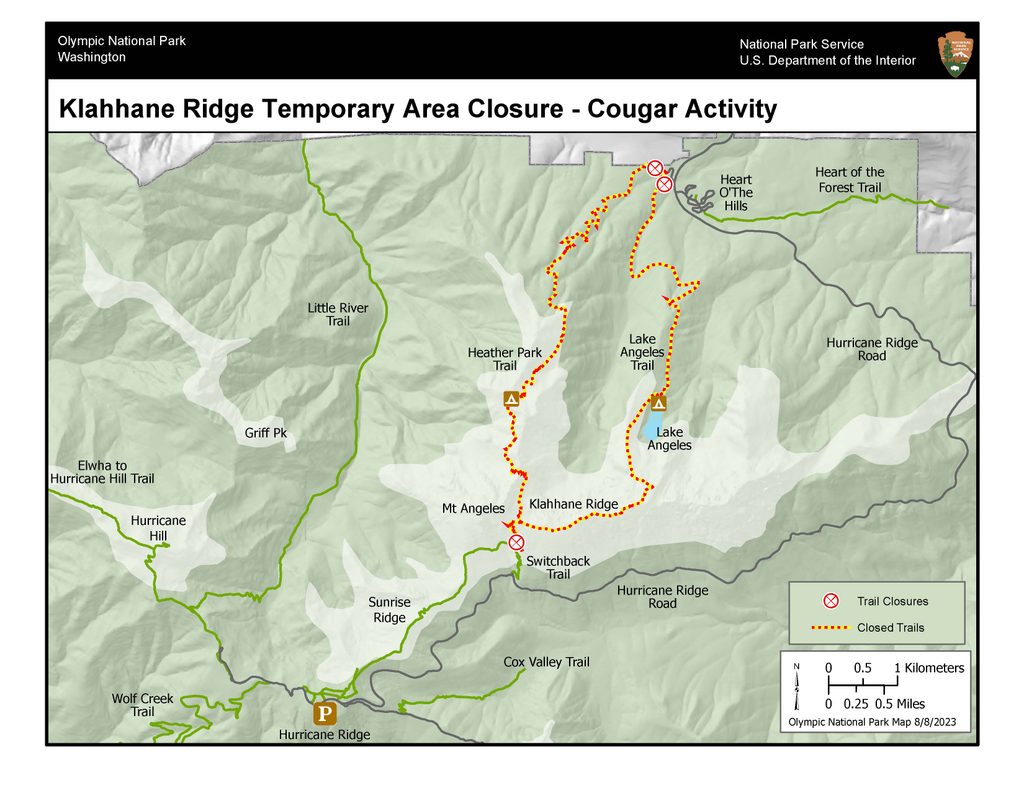
Start at the Hurricane Ridge Visitor Center (Big Meadow area). Follow the paved High Ridge Nature Trail briefly over a small knoll (serviced by a winter surface ski lift). The pavement ends; continue on dirt singletrack along the ridge. A short spur leads to Sunrise Point, then the main tread undulates across open slopes to the usual turnaround near the Switchback Trail junction. The standard hike is about 5.2–5.5 miles total out-and-back with roughly 1,000–1,100 feet of gain. Strong hikers can extend toward Klahhane Ridge or Mount Angeles for bigger days, but the core Sunrise Ridge outing holds its own.
Expect immediate alpine: little tree cover, rolling ups and downs, and sections with steep drop‑offs. The tread is narrow and can be dusty-slippery in dry spells. Views are the point—bring a camera and give yourself time to linger. Wildlife sightings are common; keep an eye out for deer, coyotes, ground squirrels, and the occasional black bear.
Late June through September is prime for snow-free travel, wildflowers, and stable weather. May and October can be lovely and quiet, but lingering snow or mud isn’t unusual. Hit it early or late in the day for softer light, calmer winds, and more solitude—plus better chances for wildlife.
You’re walking uplifted, glaciated sedimentary terrain, with ridgelines and cirques carved by ice. It’s a fragile subalpine ecosystem—stay on trail to protect the meadows.
A high-reward, lower-crowd ridge walk that starts right from the visitor center. If you’re debating between this and Hurricane Hill: for elbow room and equal views, Sunrise Ridge wins.
Park at the Hurricane Ridge Visitor Center/Big Meadow lot; it fills quickly—arrive early.
Exposure with steep drop-offs, narrow and sometimes loose tread, fast-changing mountain weather; winter travel can involve avalanche risk.
Place
Place
Place

Place
Challenging
Moderate
Challenging
Challenging

Parkwolf Tour Guide
