Place · 0.3 mi away

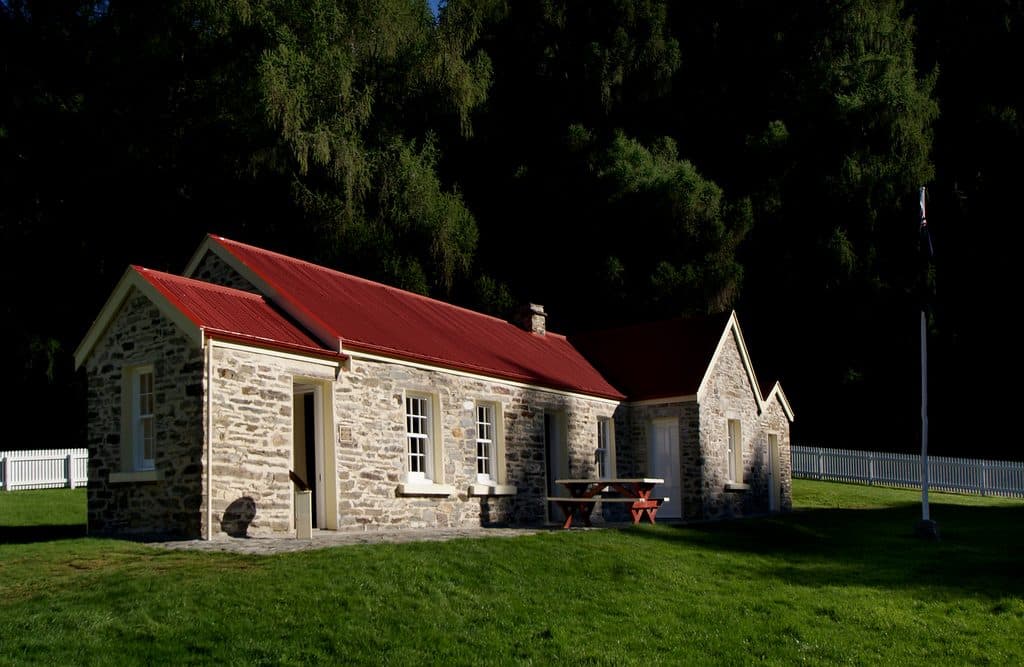
Tucked into the terraces of Skippers Canyon, Skippers School is a simple timber schoolhouse that tells the story of the Shotover River goldfields. It’s part of Mount Aurum Recreation Reserve and sits beside a basic DOC campsite, so you can step out of the car and straight into a little slice of 19th‑century life.
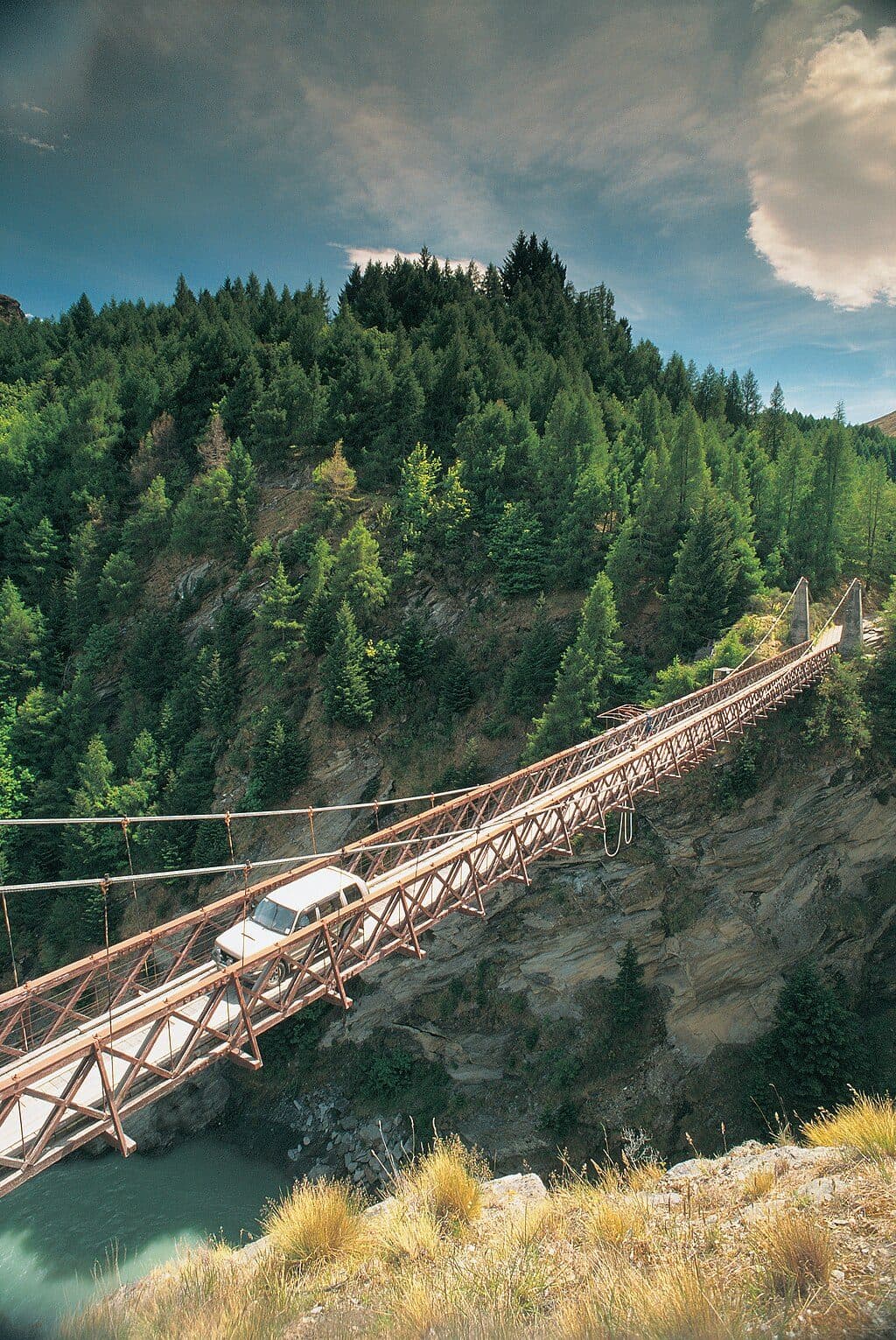
Expect a modest, restored schoolroom and a handful of historic features scattered around the flat terraces—old tailings, the small cemetery, and big views down to the gorge. The 1901 Skippers Suspension Bridge is just down the road and is a genuine highlight for photos and context.
Opened in 1879 for the children of miners at Skippers Point, the school served a tiny community until the population ebbed; it closed in 1927. The building later doubled as a woolshed before being restored from 1989 onward. It’s now heritage‑listed and managed by the Department of Conservation. The nearby Mt Aurum Homestead is gone after a 2018 fire, which makes the surviving schoolhouse feel even more precious.
Reaching Skippers School is half the adventure. Skippers Road is narrow, unguarded, and cut into schist bluffs above the Shotover—beautiful but unforgiving. Most rental car agreements don’t allow this road. If you’re not highly confident with steep gravel and drop‑offs, book a local 4WD tour instead. Slips and washouts aren’t uncommon; as of mid‑November 2025 there have been damage/closure notices, so check current status before you go.
The adjacent DOC campsite has toilets (typically flush, switching to long‑drop in winter) and a water supply that should be boiled or treated. Don’t expect shops or cell service; arrive self‑sufficient. Dogs are allowed in the recreation reserve but must be strictly controlled to protect wildlife and historic fabric. Please leave artefacts where you find them.
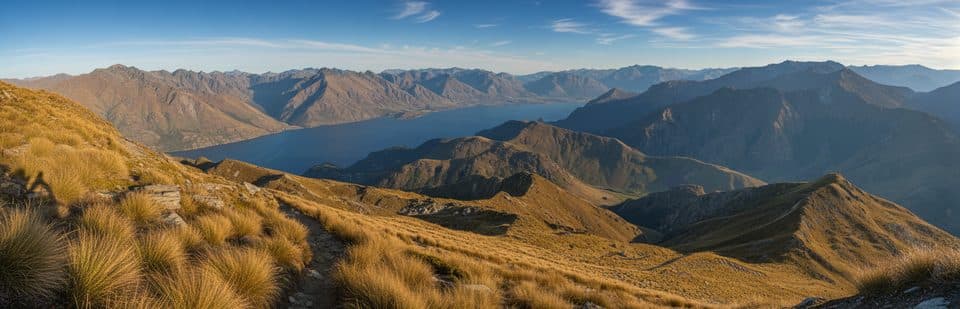
You’re standing in a gorge carved by the Shotover River through tough Otago schist. Those banded, blocky outcrops and terraces are classic Central Otago, uplifted and incised over the last couple of million years—great texture for wide shots and detail photos alike.
Keep an eye out for kārearea (New Zealand falcon) working the open country in the calm hours of morning and late afternoon. On warm, still days, skinks often bask on sun‑struck schist slabs—look carefully and don’t disturb them.
Aim for early morning or late afternoon for softer light on the bridge, gorge, and the schoolhouse itself. Weekdays generally see fewer tour vehicles. In winter, expect ice and the possibility of road restrictions; in summer, dust and heat build by midday.

Once you’ve made the drive, plan 30–60 minutes on foot to wander the schoolhouse, cemetery, and nearby tailings, plus extra time for the bridge viewpoint.