Overview
About MacKenzie State Recreation Area
Why stop
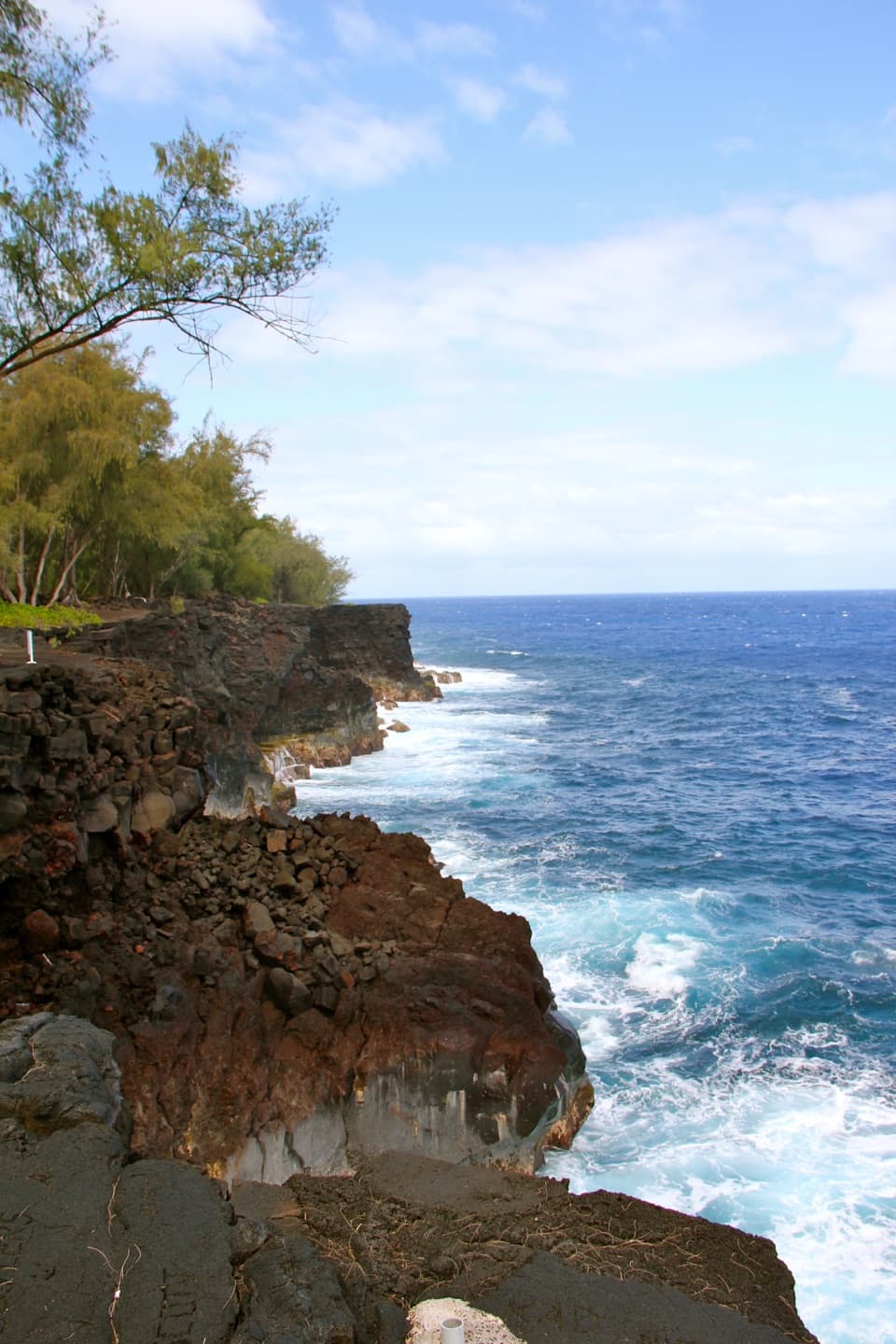
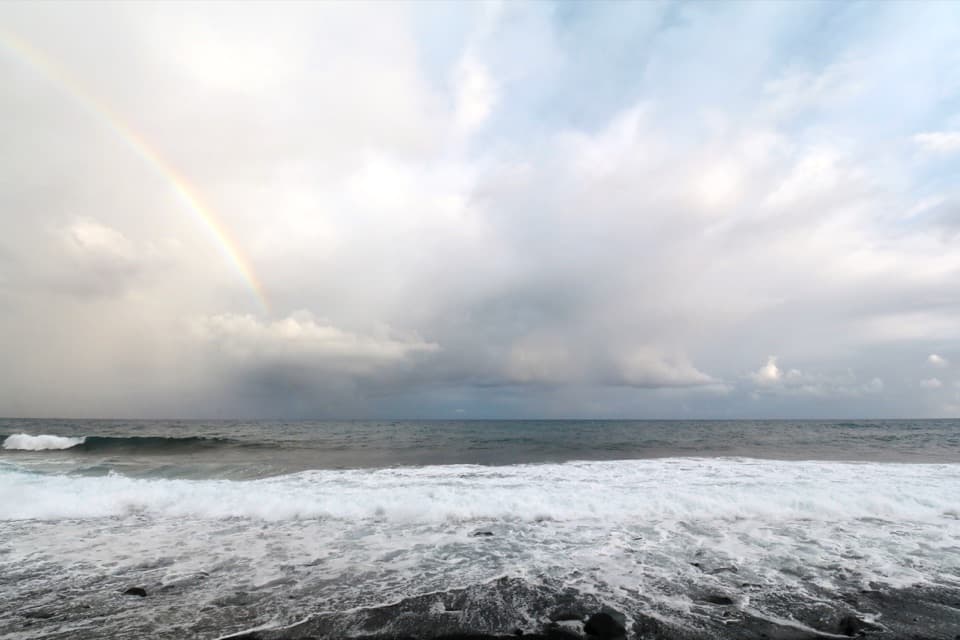
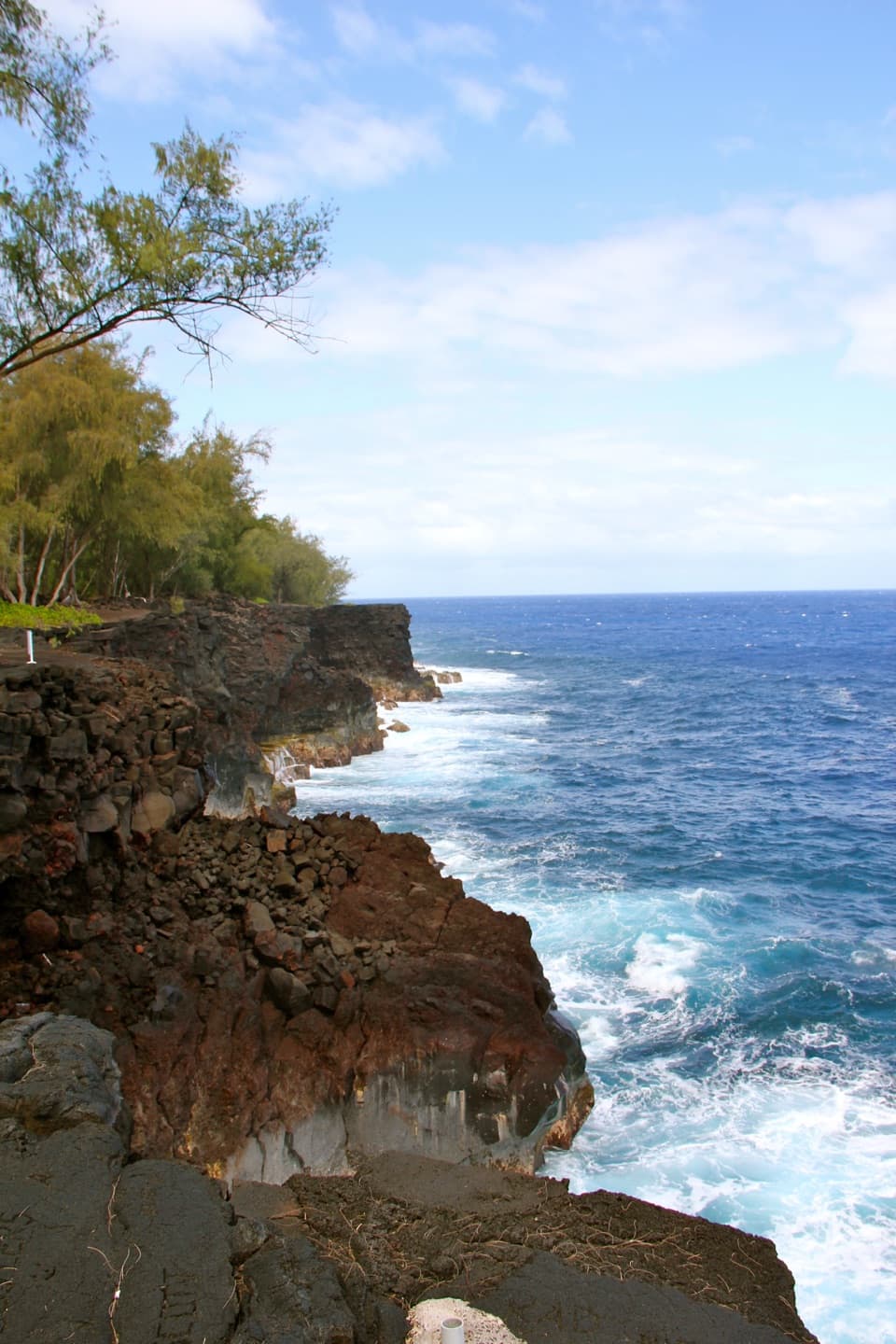
- Ironwoods shade a picnic grove above dramatic volcanic cliffs and surf.
Heads up
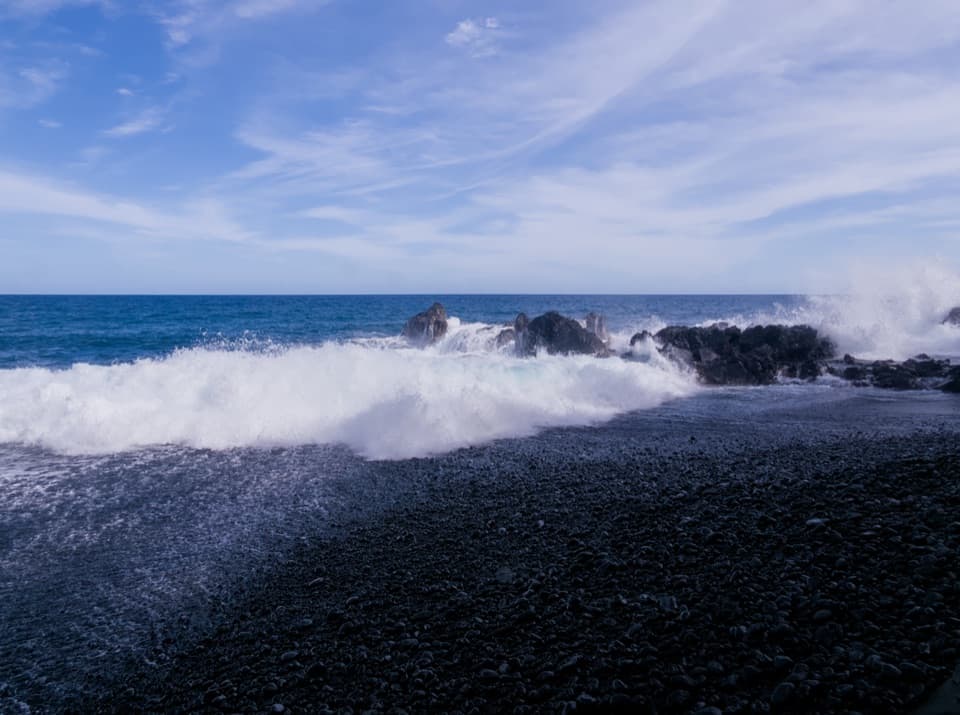
- Strong currents and exposed ledges make the shoreline a poor place to enter the water.
Map
Where it is

The highest, rockiest slopes around here are a summer buffet for grizzly bears.
Red Road Tour Guide
Your drive to MacKenzie State Recreation Area, narrated.
Parkwolf is a GPS audio tour guide for Red Road (Kapoho–Kalapana Road), Hawaii. As you drive, it chimes in with what’s ahead: hidden gems, upcoming stops, history, geology, and wildlife, right through your car’s speakers.
Recorded for this place
MacKenzie's Ironwood Grove“MacKenzie State Recreation Area is coming up, with an ironwood grove above the lava cliffs. I'd stop here for a picnic in the shade and a look at the sea.”
Plays as you drive up to MacKenzie State Recreation Area in the Parkwolf Red Road Tour Guide.
More stories near here in the app
- Pohoiki's Shared Catch
- The Frog Behind the Nighttime Whistle
- Pohoiki's Young Black Sand Beach
- Kalani's Hale Aloha Break
- 9 audio storiesacross Red Road’s roads, triggered by GPS as you drive
- Wildlife heatmapsfor Gold Dust Day Gecko, Coqui Frog, Shingle Urchin, and 4 more
- Works offlinemaps, 2 trails, 7 places, and audio download before you lose signal
- CarPlay readysimple controls built for the drive
“Fantastic app with many points of information… It’s great to just turn on while you’re driving and it gives you an audio tour of the national Park. We love it!!!!”


Guide
More about MacKenzie State Recreation Area
A quick stop on the Red RoadMacKenzie State Recreation Area is a 13.
MacKenzie State Recreation Area is a 13.1-acre state park on Hawaiʻi Island’s Puna coast, with an ironwood grove above low volcanic cliffs. It works best as a short sea-view and picnic stop while you’re driving the Red Road; visitors often make it a quick pause or picnic, and it can be a long drive if you’re coming from elsewhere on the island. Expect a rugged shoreline rather than a swimming beach.
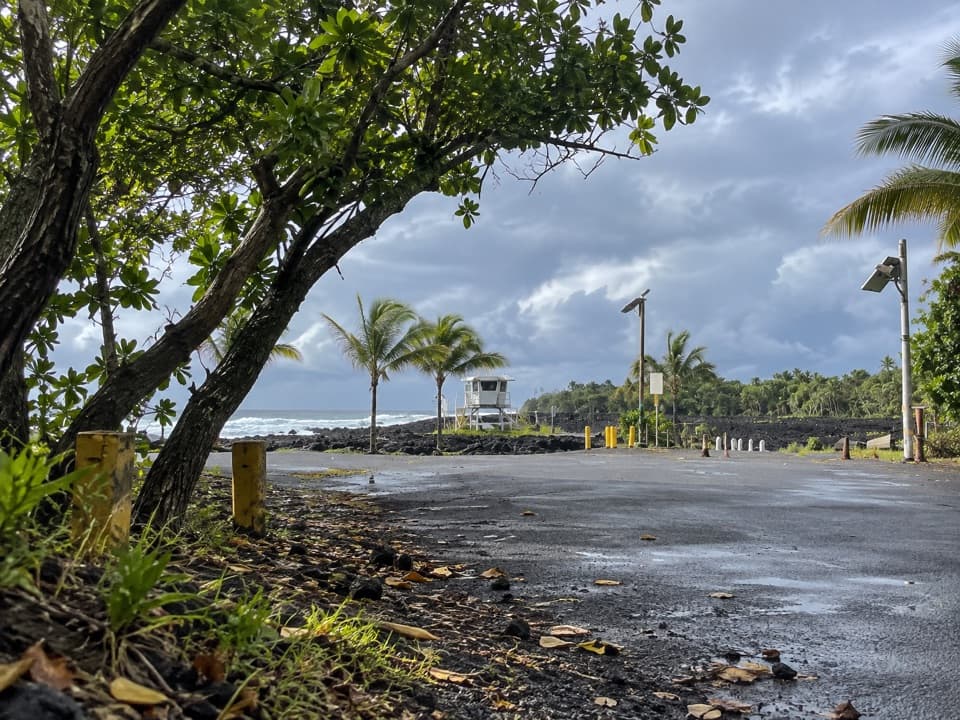
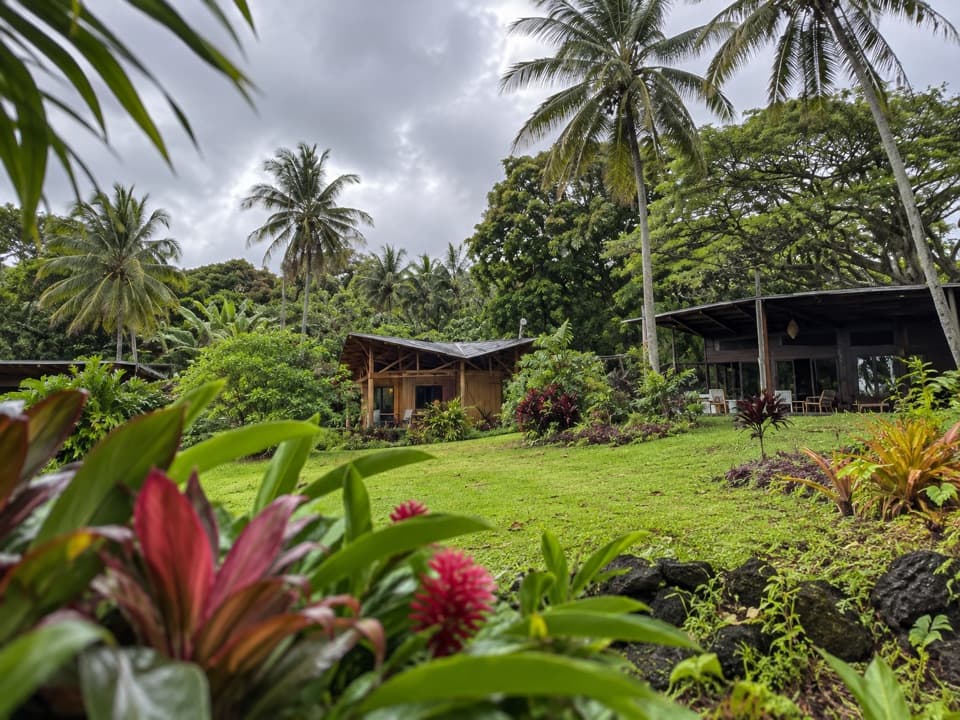
Picnic in the groveThe park has a picnic pavilion, tables, a restroom and trash cans.
The park has a picnic pavilion, tables, a restroom and trash cans. There’s no drinking water or food service listed, so bring water and anything you want to eat. The restroom type and upkeep vary in visitor reports, so plan for a basic facility. DLNR lists daylight access and does not allow pets or camping.
Keep back from the ledgesThe low lava cliffs are the main draw, but the park warns of strong currents and waves breaking…
The low lava cliffs are the main draw, but the park warns of strong currents and waves breaking on the ledges. Visitors report little or no barrier at parts of the edge, so keep well back, especially with children. Treat this as a cliffside lookout, not a place to enter the water. For a photo, include the ironwood trunks with the dark lava shelves and surf; you can show the coast’s scale without moving toward the drop.
A faint trace of the old coast routeDLNR says an old Hawaiian coastal trail crosses the recreation area; local trail guides…
DLNR says an old Hawaiian coastal trail crosses the recreation area; local trail guides associate it with the King’s Highway. The route is faint and can be overgrown or rough, and recent visitors have had trouble finding marked tread. Don’t count on a maintained loop, a specific distance, or an easy hike here.
The grove’s namesakeForest ranger Albert J. MacKenzie planted most of the park’s ironwoods in the 1930s.
Forest ranger Albert J. MacKenzie planted most of the park’s ironwoods in the 1930s. The recreation area was named for him after his death in 1938, so the shady grove is part of the park’s history as well as its most comfortable place to pause.
The road changed after 2018The 2018 Kīlauea lava flow buried the former Kapoho stretch of Highway 137 farther along the…
The 2018 Kīlauea lava flow buried the former Kapoho stretch of Highway 137 farther along the coast. Current road guides describe the Red Road outing between Kalapana and Pohoiki, with MacKenzie on the surviving coastal route; older directions that continue through Kapoho no longer describe the road as it is today.
Wildlife
Wildlife in Red Road
 57 sightingsGold Dust Day GeckoMost seen around 11 AMSighting map
 14 sightingsCoqui FrogMost seen around 9 PMSighting map
 13 sightingsShingle UrchinMost seen around 10 AMSighting map
 20 sightingsSally Lightfoot CrabMost seen around 6 AMSighting map
 21 sightingsGolden PloverMost seen around 8 AMSighting map
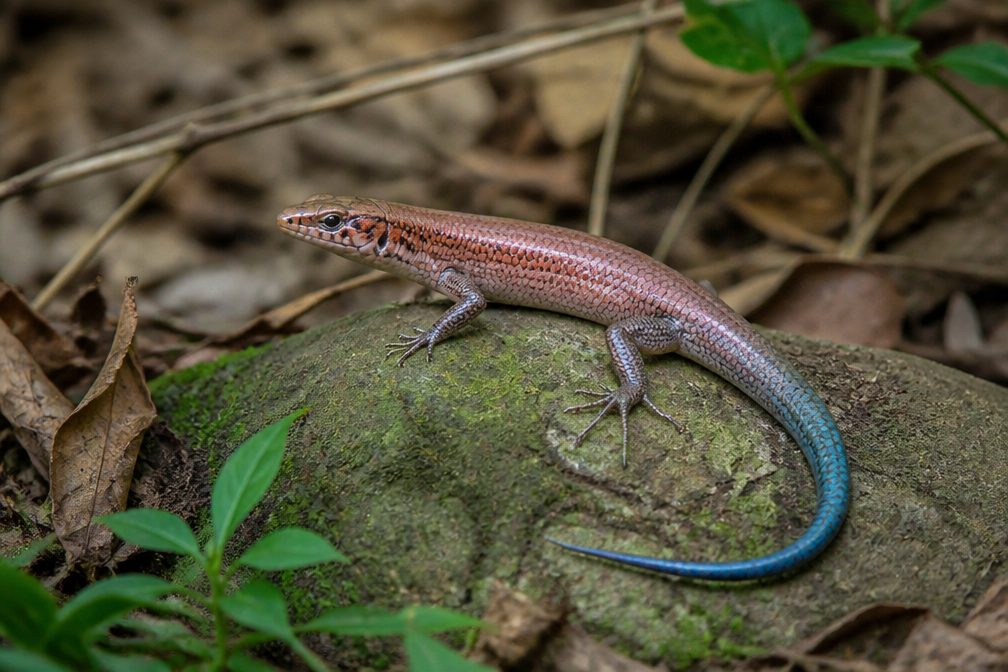 10 sightingsAzure-tailed SkinkMost seen around 11 AMSighting map
Sighting maps show where each species has been reported across Red Road. Wildlife moves, so no sighting is guaranteed.