
Place · 0.3 mi away
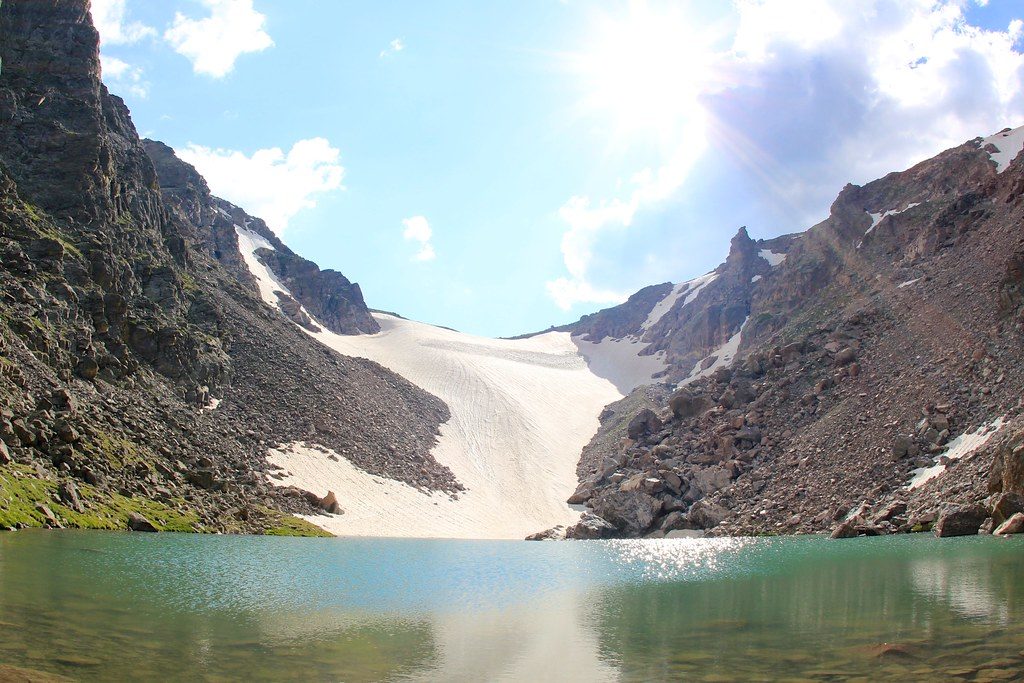
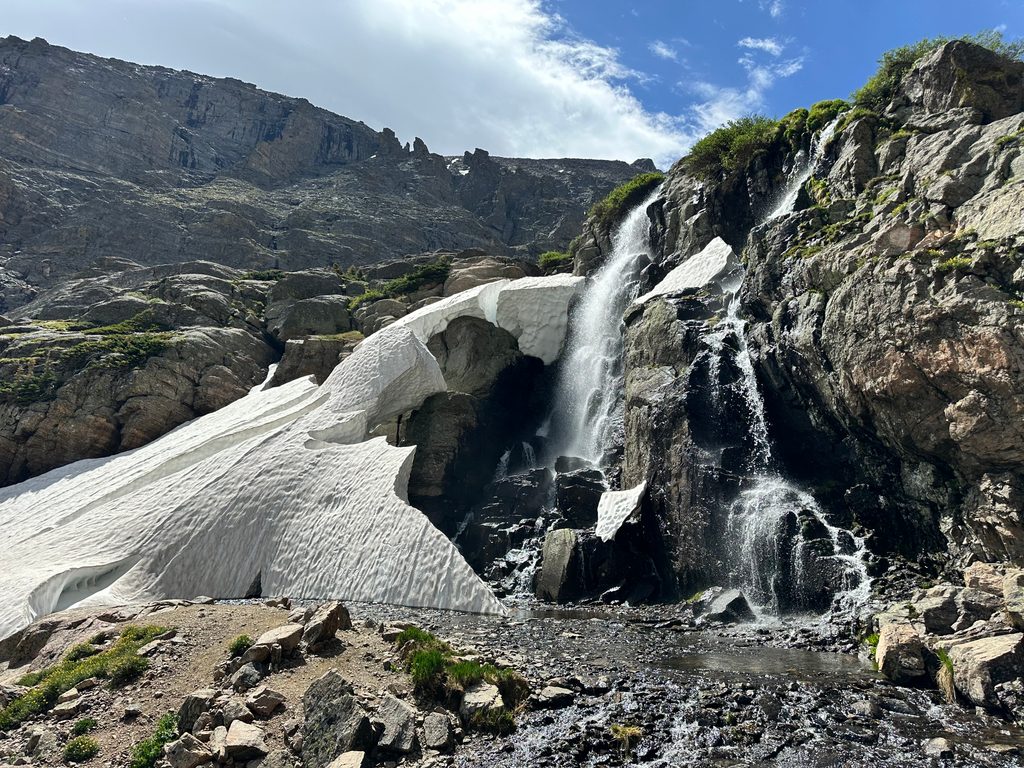
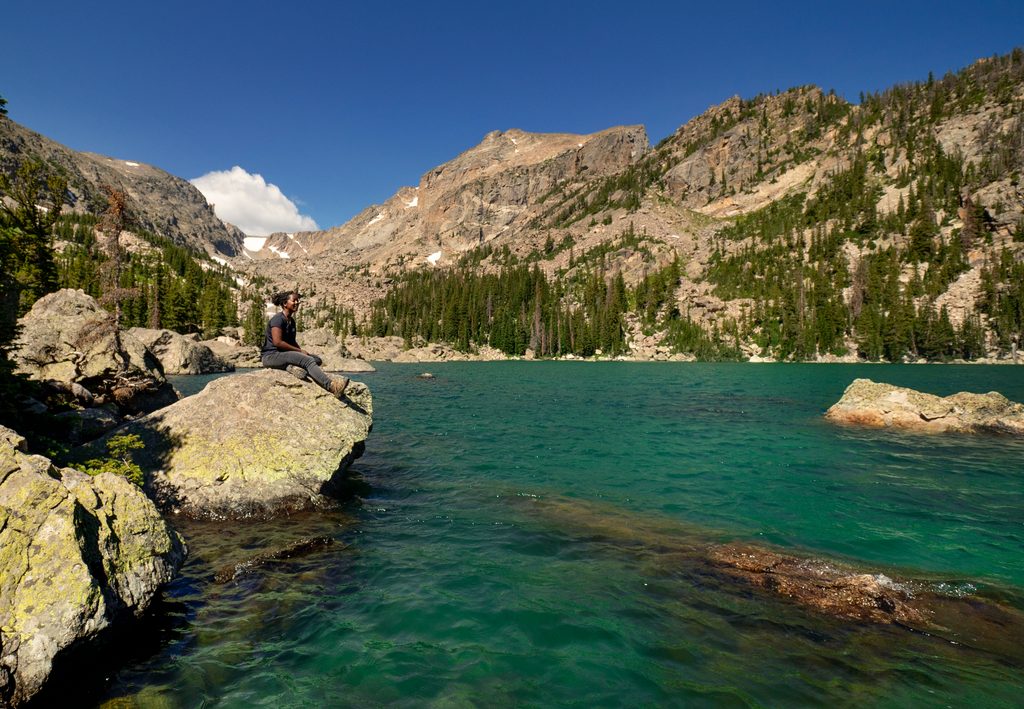
Andrews Glacier sits tucked above Andrews Tarn in a dramatic alpine cirque, reached from the Glacier Gorge side of the park. It’s a serious, rewarding destination for strong hikers who like their scenery earned: think thundering falls, a classic subalpine lake, then a steep finish into a high-walled basin capped by ice.
Geologically, this landscape was sculpted by ancient glaciations, and Andrews Glacier is a living remnant of that story. Surveys have measured a section over 45 meters thick, making it a notably substantial mass of ice in Colorado. The glacier feeds the turquoise tarn below and lies beneath the buttresses of peaks along the Divide.
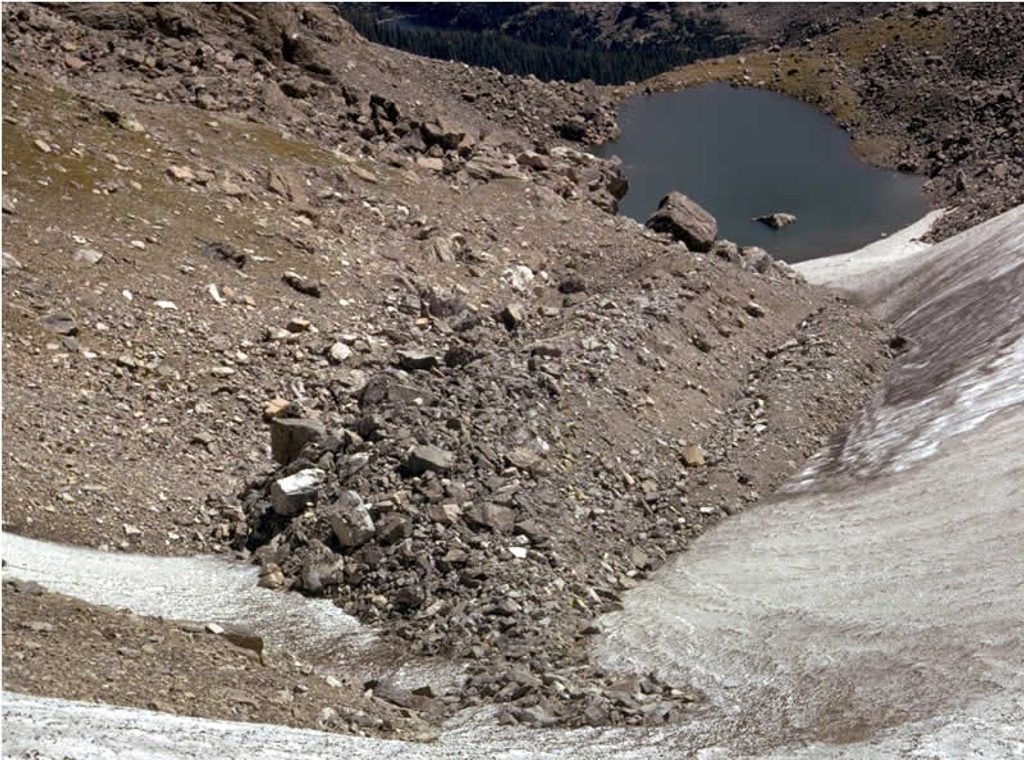
Plan on about 9.2 miles round trip with roughly 2,267 feet of gain. Start from Glacier Gorge, pass Alberta Falls and The Loch, then watch for the spur to Andrews as the trail toward Sky Pond continues. The upper mile climbs into “The Gash,” where the path fades into talus and conflicting cairns—go slow and pick solid steps.
The last stretch is the crux: steep, loose rock, and occasional snow. Trekking poles are a big help. Early in the season, consolidated snow can smooth over the boulderfield; by late summer, bigger, gappier talus is exposed. If you plan to step on firm snow or the glacier’s edge, carry appropriate traction and know how to use it. In winter, this is avalanche terrain—only for those with mountaineering experience and proper gear.
Start early. Weather builds fast near and above treeline, and winds funnel off the ice even on warm days. Expect lingering snow well into summer; later season brings more exposed boulders and icier glacier conditions. Historically, some parties have glissaded here under the right conditions, but it’s consequential—treat it as a mountaineering objective, not a casual slide.
While sightings vary, the broader area supports elk, bighorn sheep, and plenty of birdlife. Give all wildlife space and keep snacks secured.
Aim for a dawn start on clear summer mornings to beat parking crunches and afternoon storms. Early summer can make the upper approach smoother under consolidated snow; late summer typically means drier trail but looser talus and icier glacier surfaces. For photos, morning light works well in the cirque and usually pairs with calmer winds.
Place · 0.3 mi away
Place · 0.7 mi away
Place · 1 mi away
Place · 1 mi away
Moderate · 2.6 mi away
Challenging · 2.6 mi away
Easy · 2.6 mi away
Moderate · 2.6 mi away

Parkwolf Tour Guide
