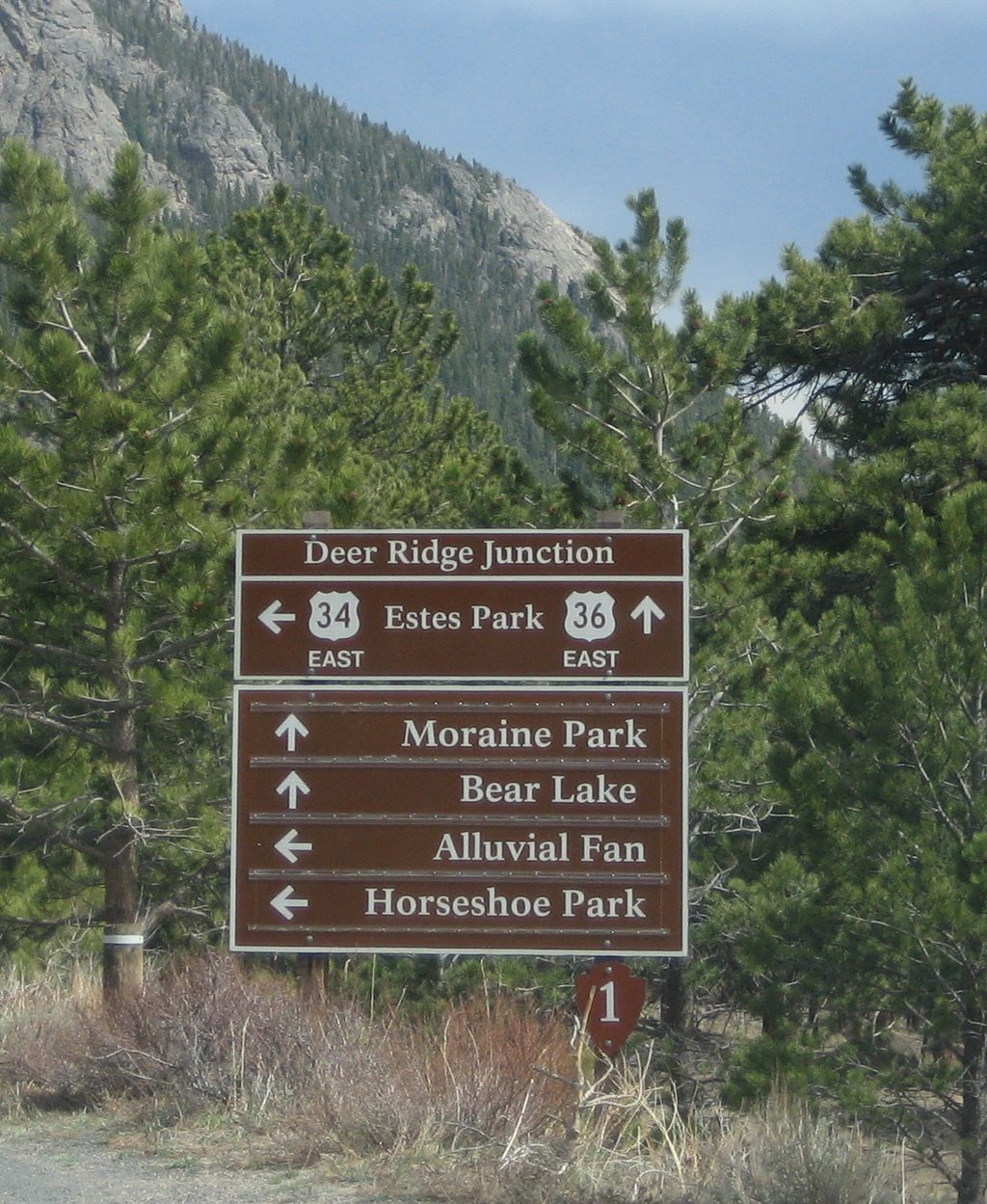
Deer Ridge Junction

Roadside junction and jump-off for the Deer Mountain hike
Deer Ridge Junction, Rocky Mountain National Park
InsideRocky Mountain National Park

Overview

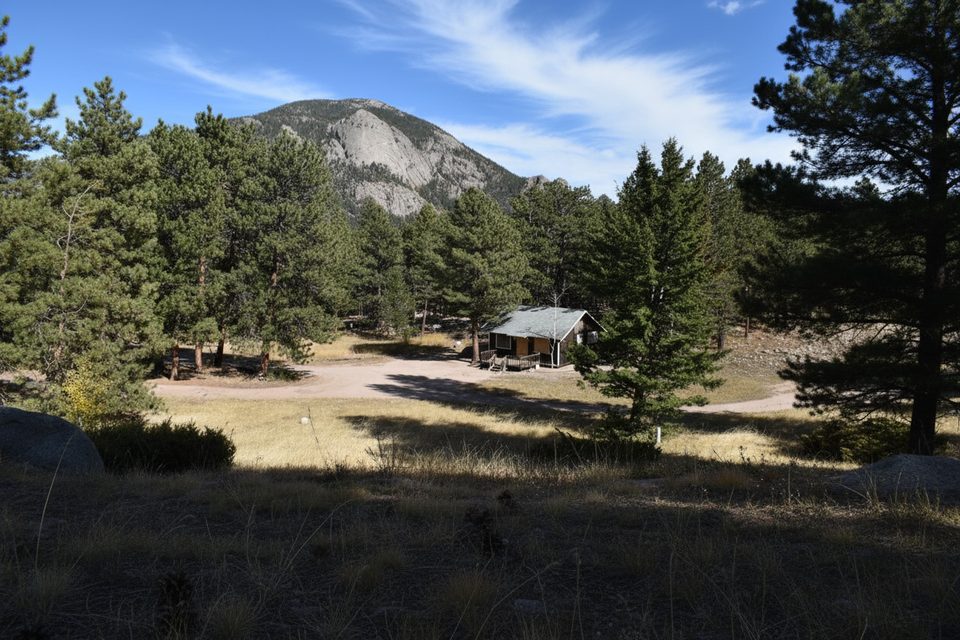
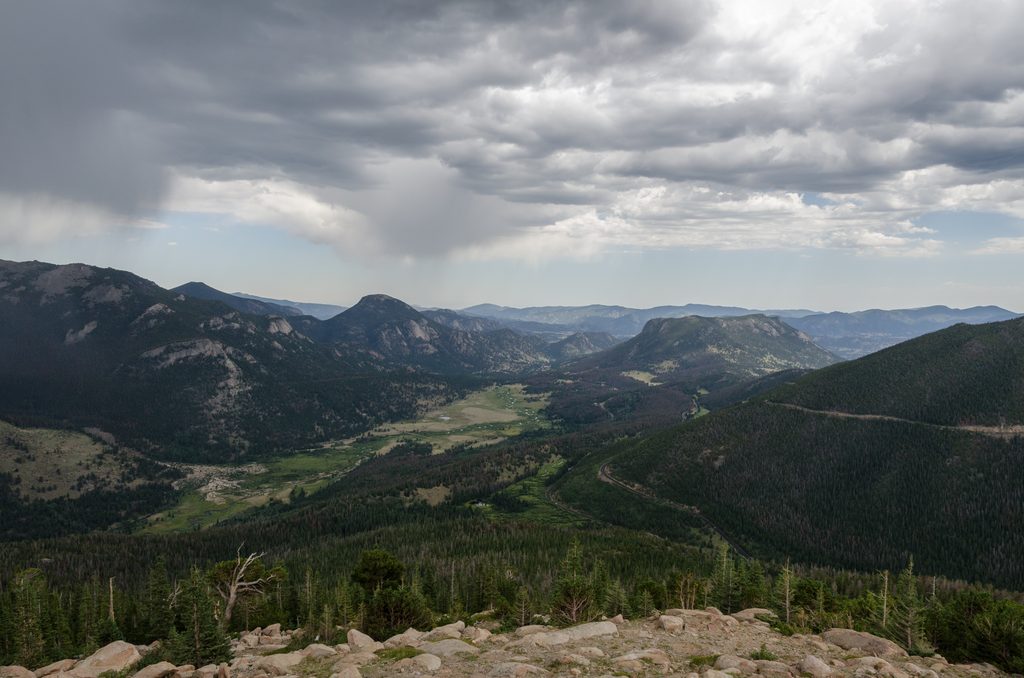
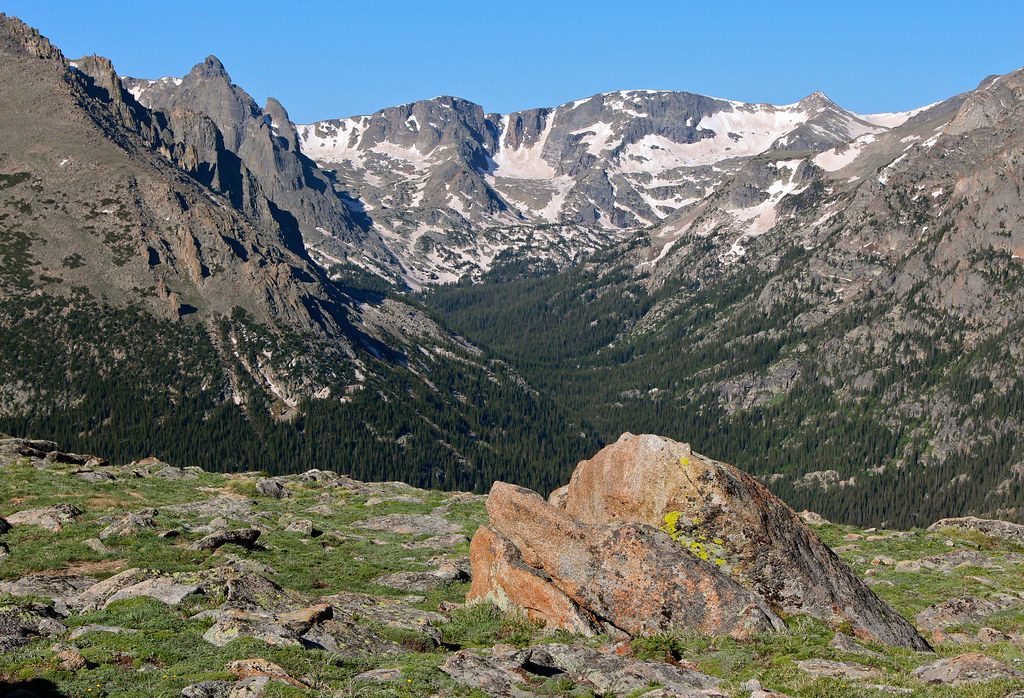
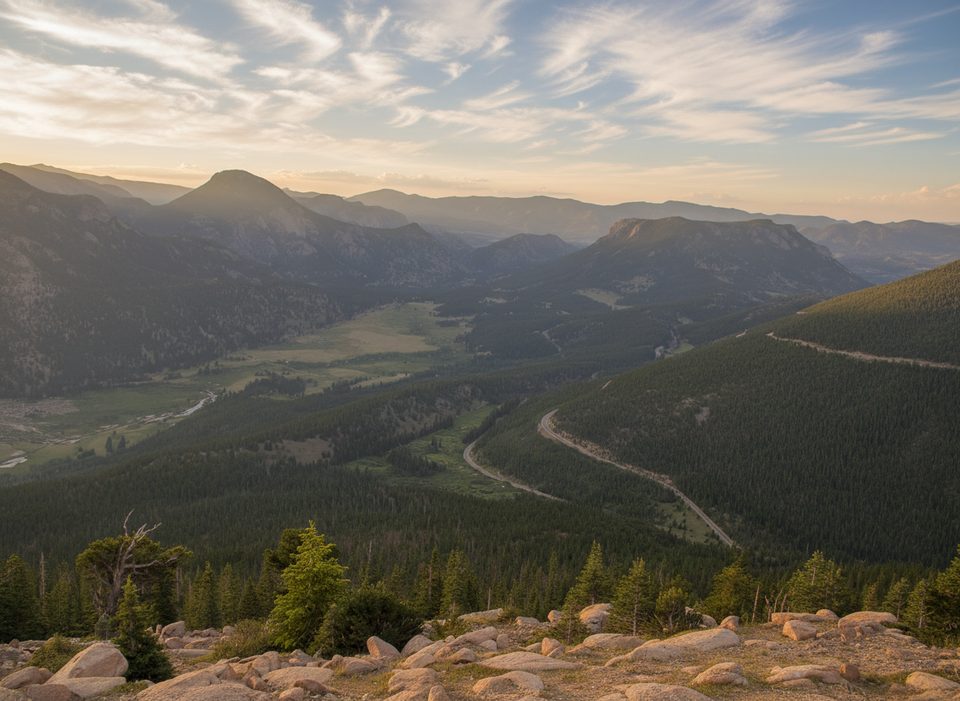
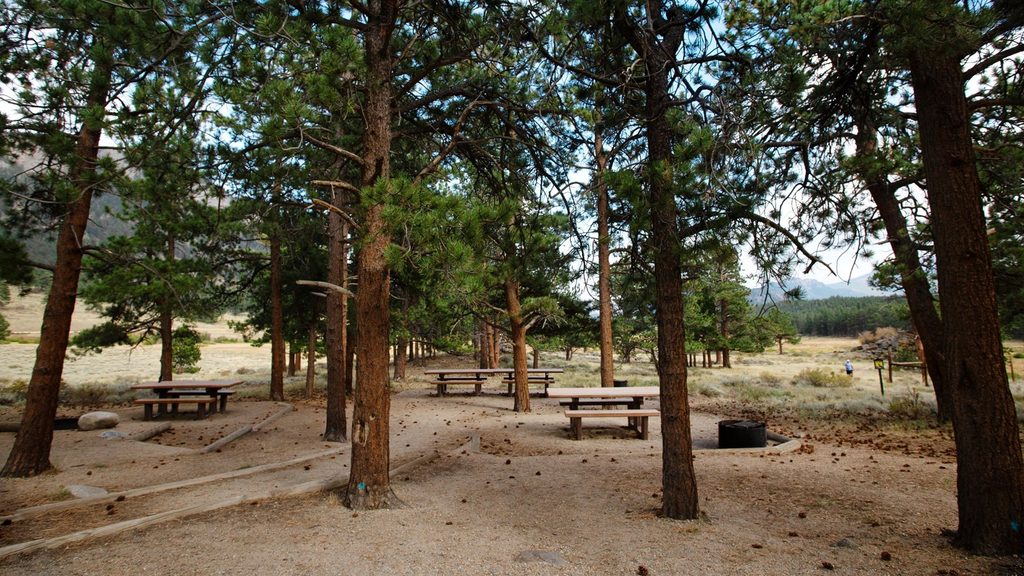
Deer Ridge Junction is the signed intersection of US‑34 and US‑36 inside the park—a simple roadside turnoff that doubles as the jump‑off for the popular Deer Mountain hike. It’s not a developed facility, so think quick views, a few pullouts, and trail access rather than services.

Why stop here

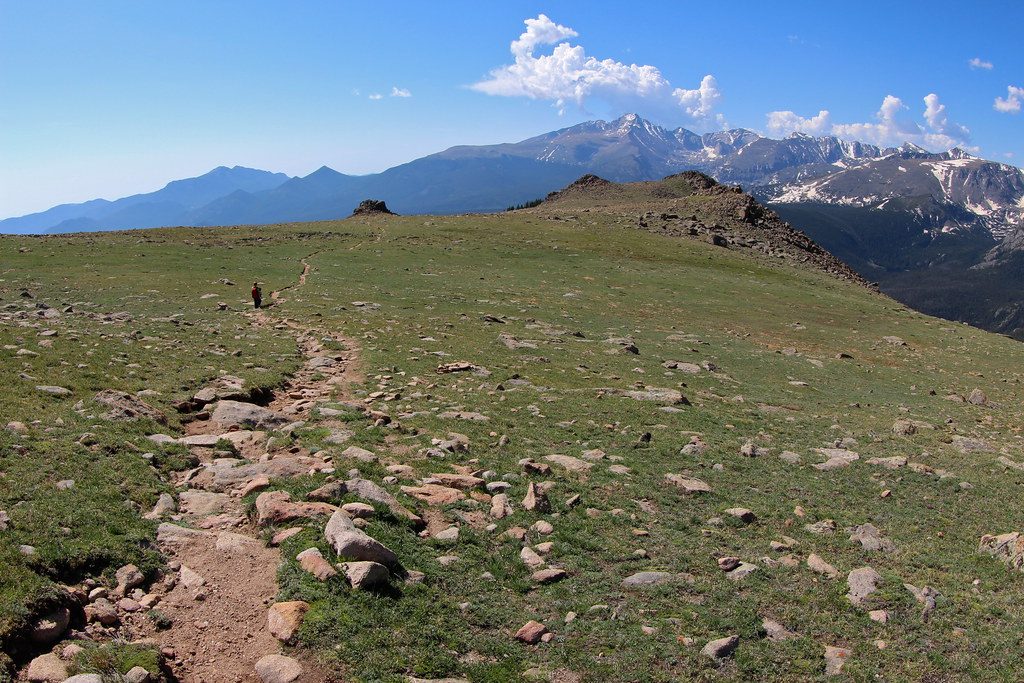
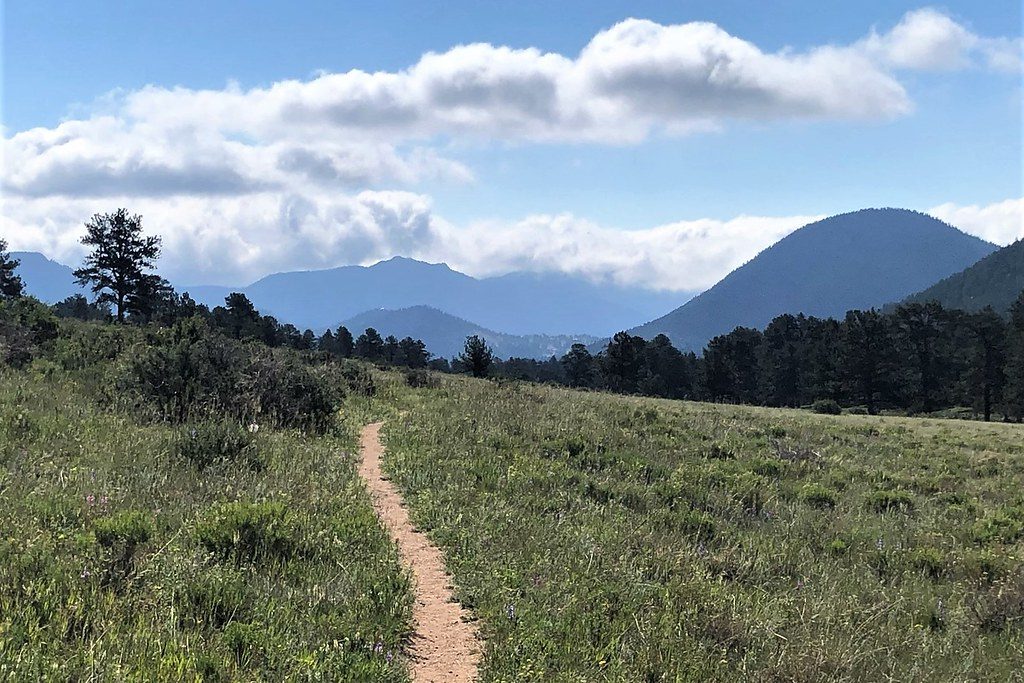
  • Start the classic Deer Mountain hike from just west of the junction—steady switchbacks, big summit views, and a half‑day effort.
  • The meadows near the trailhead often host mule deer (and sometimes elk), so it’s a decent spot to scan for wildlife from legal pullouts.

What to know

  • No amenities: there are no restrooms or water at the junction or adjacent trailhead—handle essentials beforehand.
  • Parking: roadside pullouts can fill during busy times; early arrivals have a much easier time snagging a spot.
  • Timed entry: from roughly May to October, a timed‑entry permit may be required to access this area between 9:00 am and 2:00 pm; secure the appropriate reservation window before you go.

If you’re hiking Deer Mountain

Expect a moderate, sustained climb on good trail with switchbacks and a short steeper push near the top. Hikers report 3–5 hours round‑trip, depending on pace and conditions. In winter and early spring, snow‑packed/icy stretches are common—traction and poles help. Start early to beat crowds and heat, and plan to be off the summit by midday to avoid typical summer thunderstorms; Deer Mountain is known for frequent lightning strikes.

Wildlife

Deer are frequently seen along the meadows near the trailhead, and elk may be around too. Enjoy them from a distance: keep at least 75 feet from deer and elk, and 120 feet from black bears, moose, or mountain lions. Never feed wildlife, and view/photograph from legal pullouts rather than stopping in the roadway.

Best time to visit

For a quick stop or to start the hike, early morning is best—arriving around 7:00 am helps with parking and quieter trails. Midday storms are common in summer, and fog can erase views on some mornings. In winter and early spring, the junction is still a practical starting point, but expect icy sections on the trail and bring microspikes.

Pros

  • Convenient launch point for the Deer Mountain trail
  • Roadside pullouts make quick stops and photos easy

Cons

  • No restrooms or water
  • Parking can fill during peak hours
  • Timed-entry may be required mid‑May to Oct., 9am–2pm

Tips

  • There are no restrooms at the junction—use a visitor center beforehand.
  • If hiking Deer Mountain, arrive by 7 am for parking and a quieter trail.
  • From May–Oct, timed entry may be required 9 am–2 pm; book in advance.
  • Plan to be off Deer Mountain’s summit by noon to avoid thunderstorms.
  • View wildlife from pullouts; keep 75 ft from deer/elk and 120 ft from bears or moose.
The Parkwolf tour guide sitting on a phone mounted in a car

Parkwolf Tour Guide

Like a tour guide in your car.

Save the places you found around Rocky Mountain, then let Parkwolf guide the drive between them.Download Parkwolf on the App Store