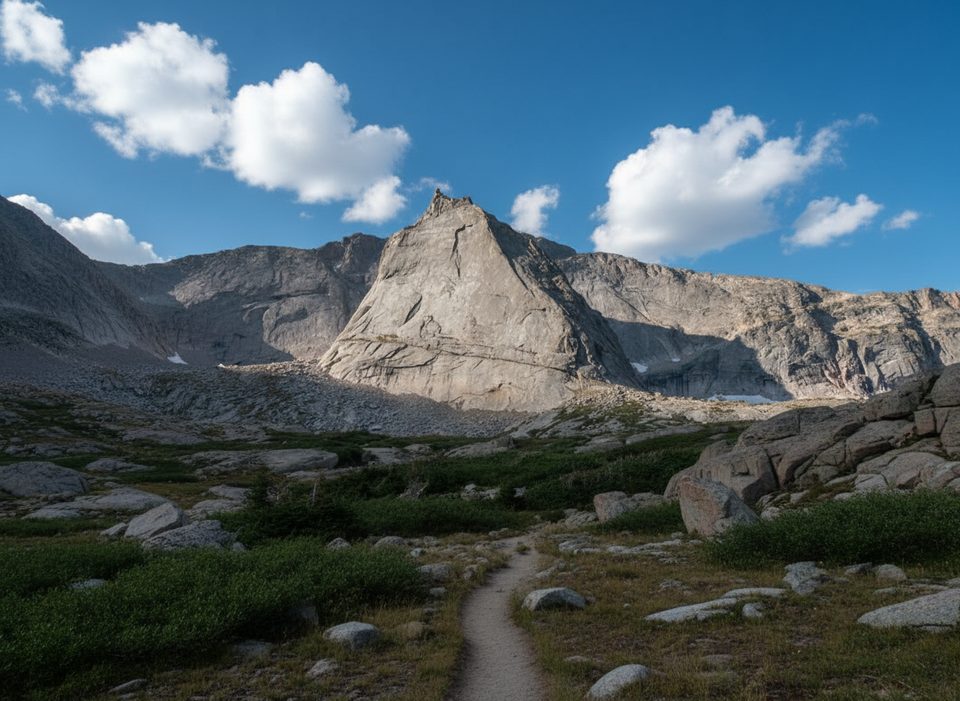
The Spearhead

Remote alpine spire with big views and classic scrambling
The Spearhead, Rocky Mountain National Park
InsideRocky Mountain National Park

Overview

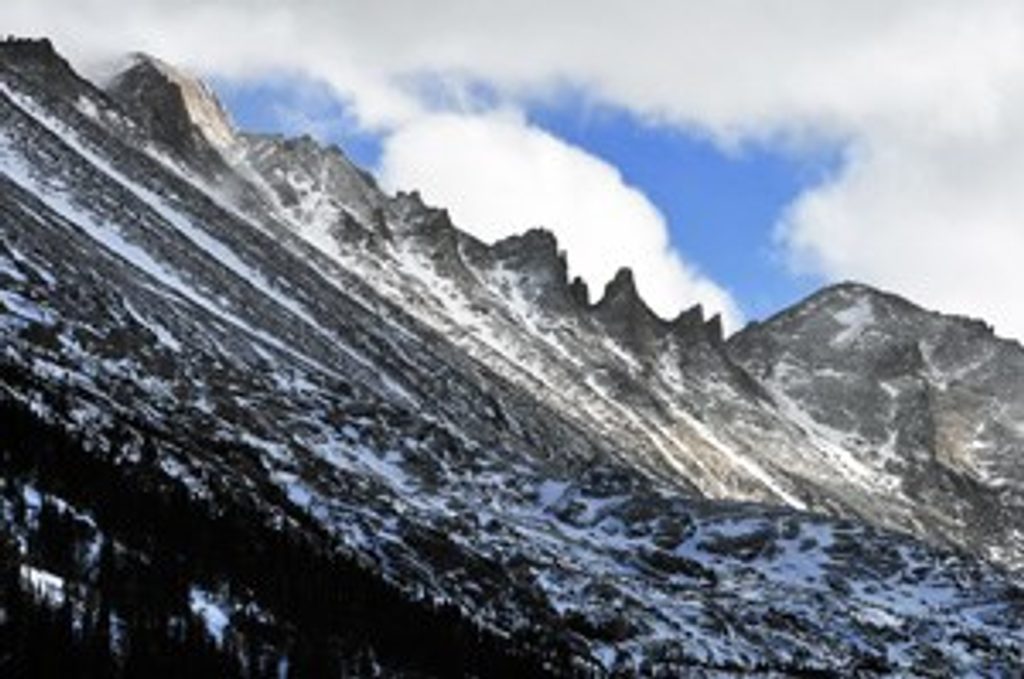
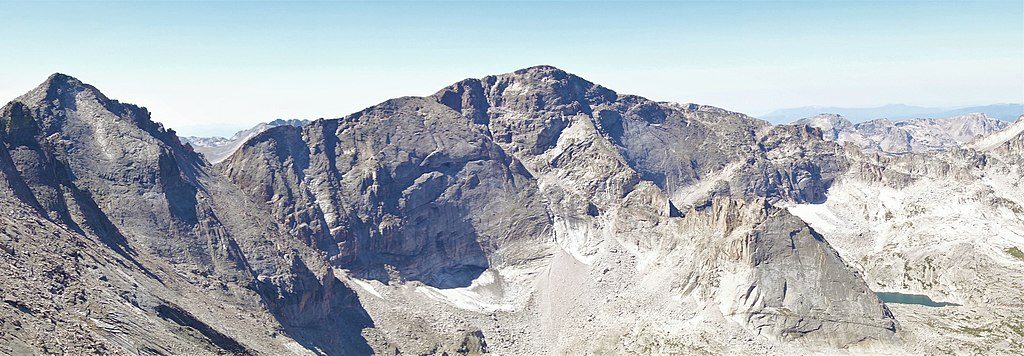
The Spearhead is a 12,575-foot granite fin tucked deep in upper Glacier Gorge, ringed by heavy hitters like Longs Peak, Pagoda, Chiefs Head, and McHenrys. It’s remote, under-visited compared to the marquee peaks, and all the better for it—towering walls, a tiny summit block, and that wild, high-alpine feel.

Getting There & Route Basics

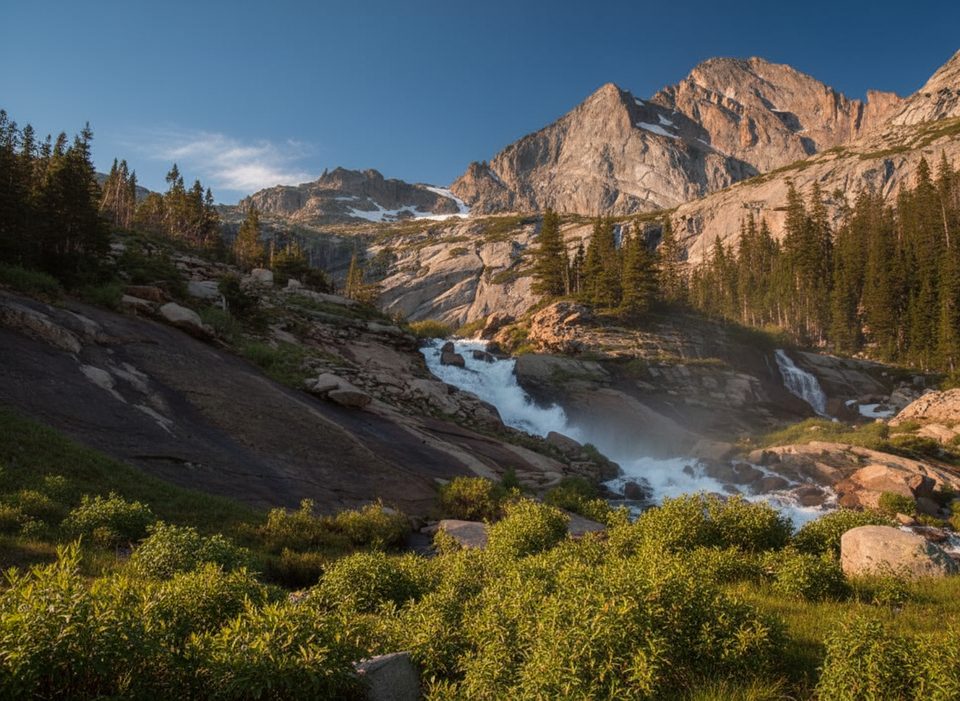
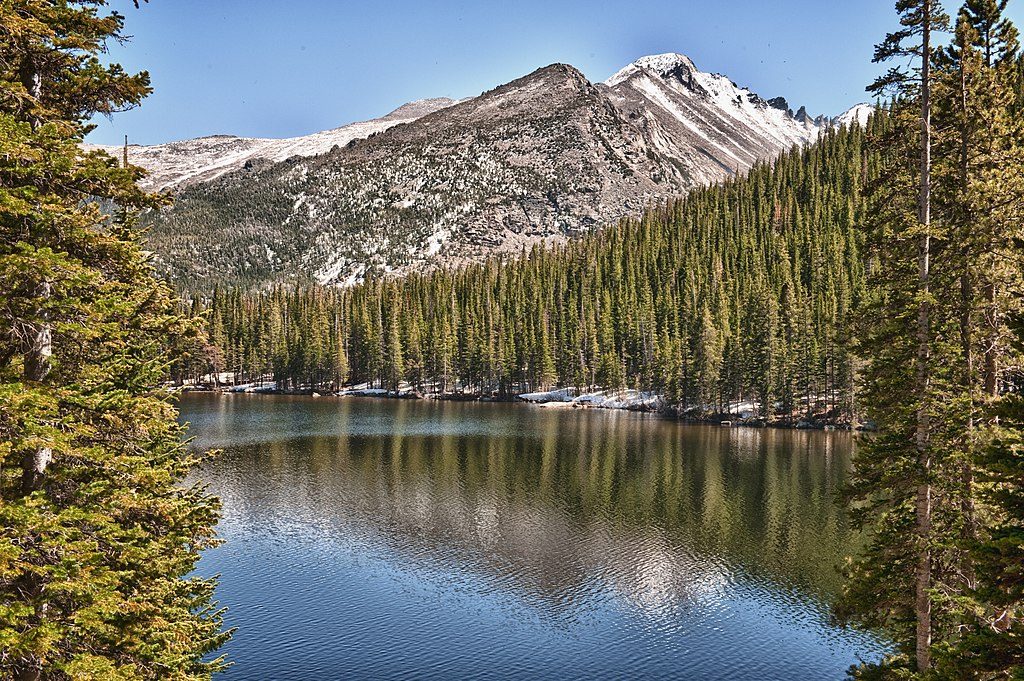
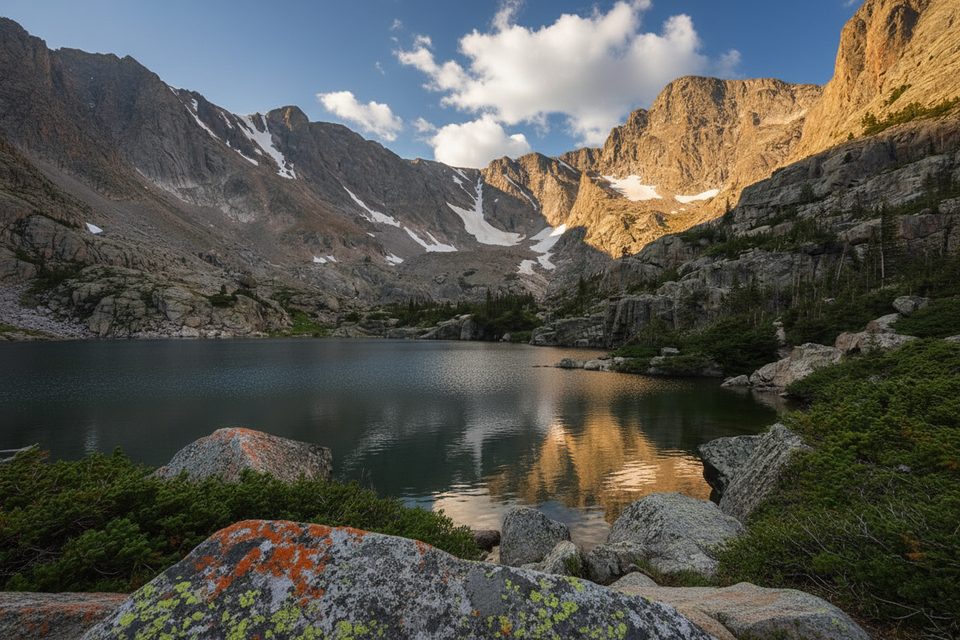
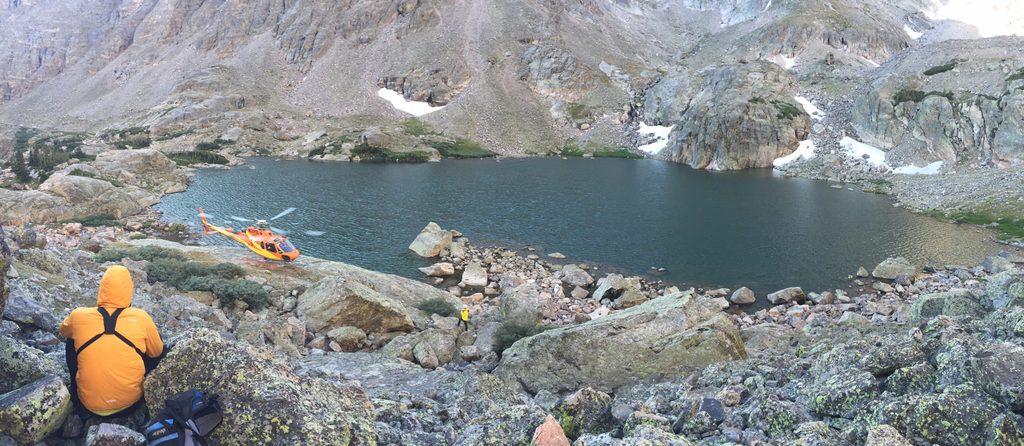
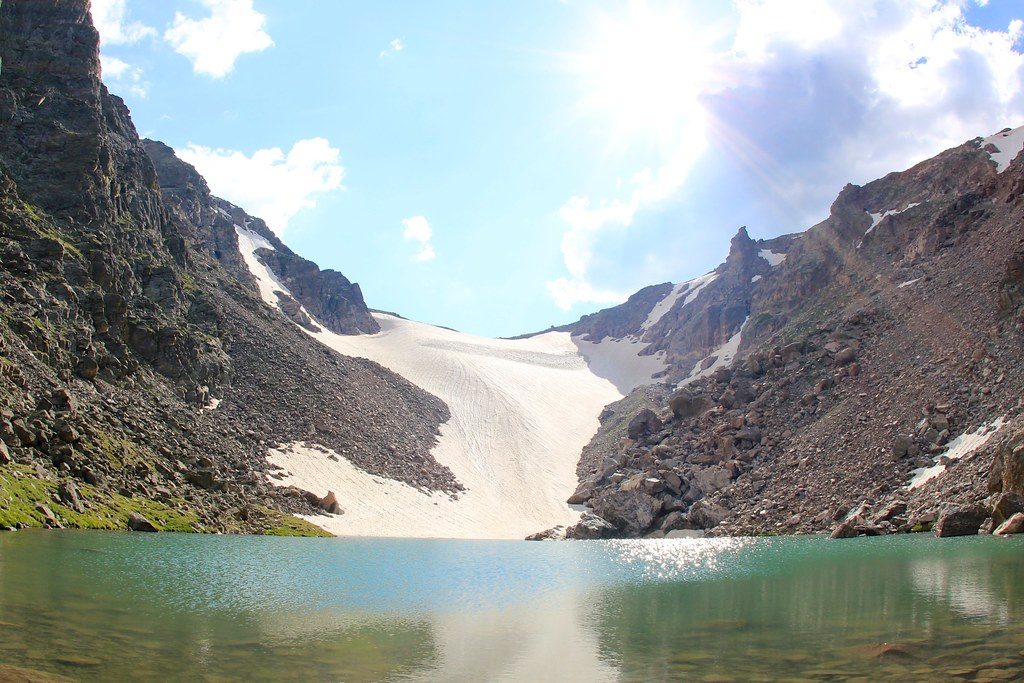
Start at Glacier Gorge Trailhead, passing Alberta Falls, Mills and Jewel Lakes, and Black Lake. From there, continue toward Frozen Lake (around 6+ miles from the trailhead and ~11,580 feet) and up to the connecting ridge between Chiefs Head and The Spearhead. Expect off-trail travel beyond Black Lake with talus, benches, and route-finding. Typical days to reach and scramble around the Spearhead zone run roughly 12–13 miles round-trip with about 3,400 feet of gain.

Scramble vs. Technical Climb

Two flavors here:

  • Scramble: The Northwest Slope is mostly Class 3, culminating in an exposed Class 4 “homestretch” of about 10–15 feet to the true summit. A helmet is smart due to loose rock above the basin.
  • Rock climb: The North Ridge is a classic alpine line—about nine pitches of 5.6 (Grade III) after the long approach. Most parties either start pre-dawn for a 15–18 hour push or plan a bivy. The standard descent drops to the Spearhead–Chiefs Head col and loops back on talus and ledges.

Seasons, Weather, and Safety

  • Summer and early fall offer the least snow, but afternoon thunderstorms build fast—start early.
  • Winter and spring bring snow travel (often snowshoes to the basin, then firm booting or traction higher). The approach crosses avalanche-prone terrain; bring the skills and gear to manage it. That final summit step is very exposed—treat it with respect in any season.

Wildlife

Glacier Gorge is prime habitat for elk, marmots, and pikas. Dawn and dusk see the most activity. Keep your distance, secure your food, and enjoy the show from afar.

Permits, Camping, and Trailhead Notes

  • You’ll pay a park entry fee, and seasonal/timed-entry systems may apply. Backcountry camping is by permit only in designated sites in Glacier Gorge; climbers can obtain bivy permits for technical ascents.
  • Glacier Gorge Trailhead has restrooms and a large lot, but this is a popular corridor. Arrive early.

Geology Snapshot

You’re standing on ancient crystalline rock uplifted during the Laramide Orogeny and sculpted by repeated glaciations that carved today’s U-shaped valleys, cirques, and sharp aretes. The fin-like profile of The Spearhead is a perfect example of that ice-and-frost chiseling.

Best Time to Visit

  • Best months: July–September for mostly dry rock and snow-free approaches.
  • Best days: Weekdays for easier parking and thinner crowds.
  • Best timing: Pre-dawn starts to beat storms and give yourself margin. Photographers get crisp light on the spire in the morning; afternoons often cloud up.

Pros

  • Remote alpine setting with dramatic Glacier Gorge scenery
  • Classic North Ridge rock climb and a scrambly NW slope option
  • Restrooms and a large parking lot at the Glacier Gorge trailhead

Cons

  • Long, strenuous approach with significant elevation gain
  • Exposed Class 4 summit moves and loose talus with tricky route-finding

Tips

  • Start before dawn—this is a big day even without roped climbing.
  • Download an offline map; route-finding beyond Black Lake can be confusing.
  • Wear a helmet for the upper scrambling where rockfall is possible.
  • If conditions turn, Black Lake or Frozen Lake make logical turnaround points.
  • For overnights, secure a backcountry site or bivy permit well in advance.
The Parkwolf tour guide sitting on a phone mounted in a car

Parkwolf Tour Guide

Like a tour guide in your car.

Save the places you found around Rocky Mountain, then let Parkwolf guide the drive between them.Download Parkwolf on the App Store