
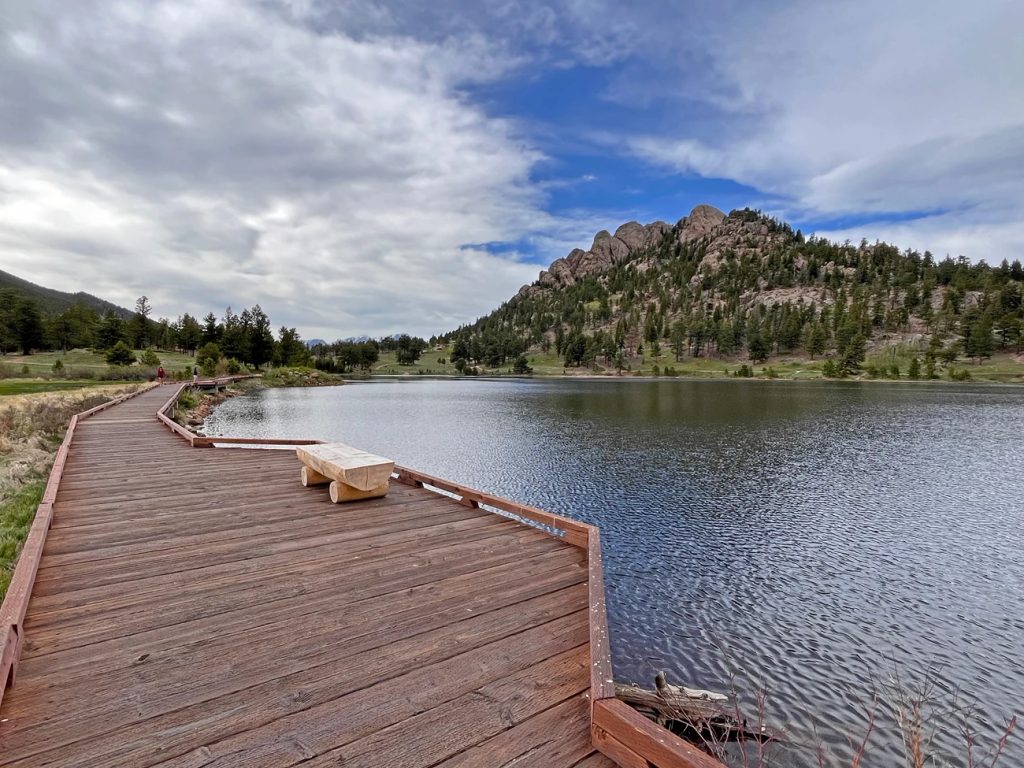
Place · 1.7 mi away
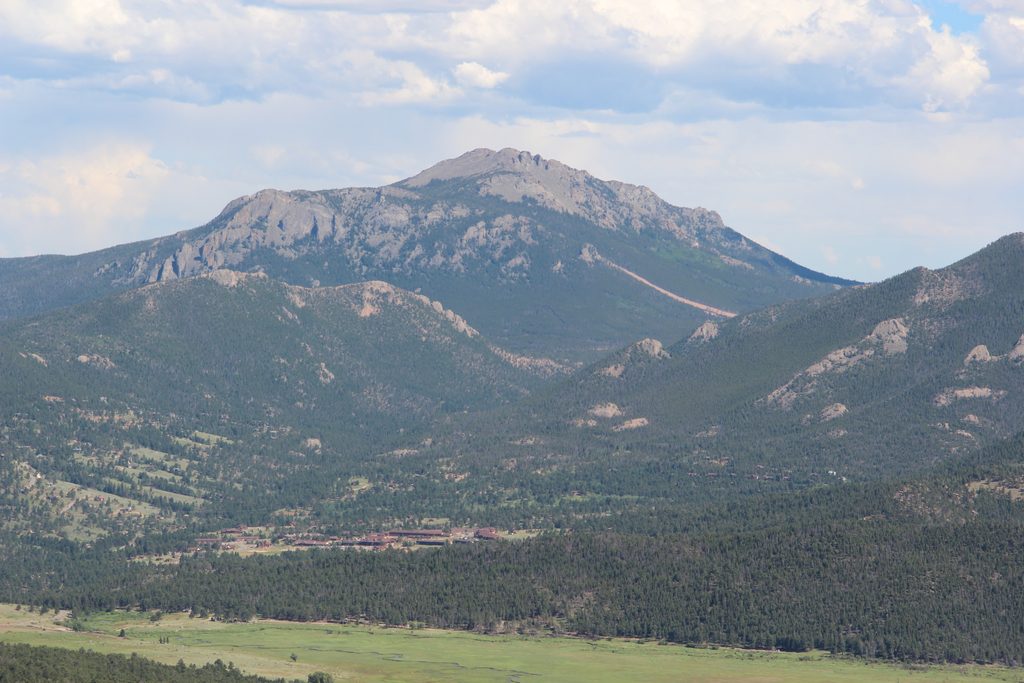
Twin Sisters is a steady, rewarding climb to twin 11,4xx-foot summits with classic views of Longs Peak and Mount Meeker. Expect roughly 7–8+ miles round trip and about 2,400–2,500 feet of gain, taking most acclimated hikers 4–6 hours. The route crosses a mix of National Park and National Forest lands, so you get big-mountain payoff without diving deep into the main park corridors.
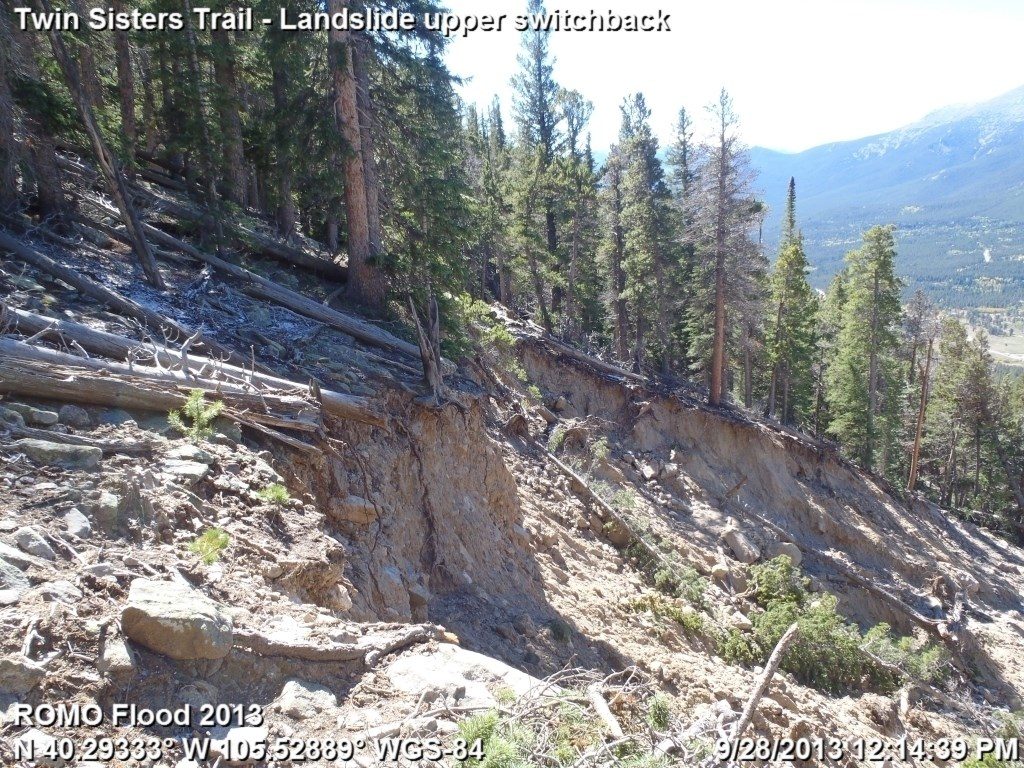
Start from the access off Highway 7 across from Lily Lake. A short gravel/dirt road (about 0.4–0.5 miles) leads to parking closer to the trail; it fills early on fair-weather days. The trail climbs forested switchbacks right away, with intermittent peeks at Longs. Around 1.3 miles in, you’ll cross the 2013 landslide scar—steeper, looser footing and newly formed switchbacks. Above about 3 miles, you pop out near treeline and traverse rocky, open slopes to the saddle.
At the saddle, you’ll see a stone hut and a small communications tower. Both summits are a quick 100-foot hop from here: the west peak is generally easier on a clear path; the east peak is slightly higher and involves a brief, hands-needed boulder scramble at the very top.
From the summits, you’ll get 360-degree vistas: Longs Peak and Mount Meeker front-and-center, plus the Estes Valley and out toward the plains. On the lower, forested stretch, there’s a chance of spotting deer or even a few elk.
Wind and chill are common at the top, and summer thunderstorms build fast. Plan to be off exposed terrain by early afternoon. In spring and fall (and often into early summer), expect snow/ice; traction and trekking poles help. In winter, the route can cross avalanche-prone zones and demands proper skills and gear; a seasonal gate may close the upper road, adding roughly a mile from the Highway 7 lot. Dogs are not allowed on this trail.
A park pass is required. Timed-entry rules can apply seasonally; it’s commonly not needed here before 9 a.m., but policies change—check current guidance before you go. Restrooms are at Lily Lake across the road; there’s no potable water. Parking is along the gravel road and at Lily Lake—arrive early to avoid a long walk.
Acclimated hikers who want a “mini-14er” feel—steady gain, airy alpine terrain, and a short, fun scramble—without the crowds of marquee loops. It’s also a solid acclimatization hike for bigger peaks.
June through September typically offers the clearest path, though snow can linger into July. Start early (6–8 a.m.) for easier parking, calmer winds, and to beat lightning-prone afternoons. Weekdays are quieter than weekends; mornings yield the most reliable visibility.
Place · 1.7 mi away
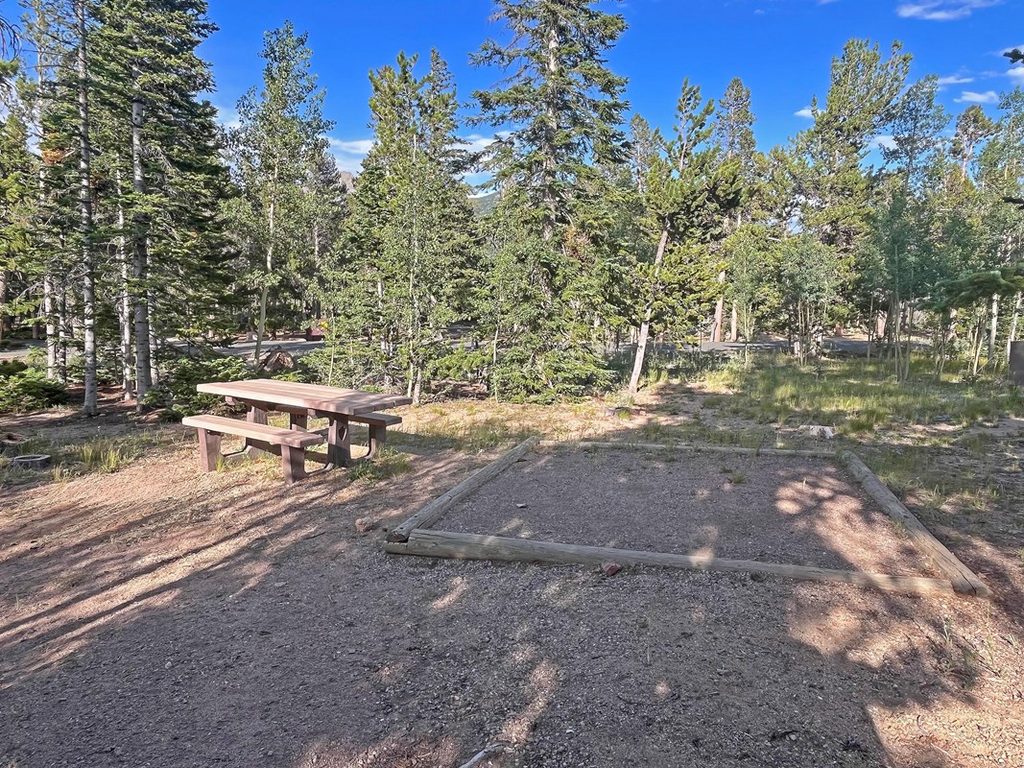
Place · 2.3 mi away
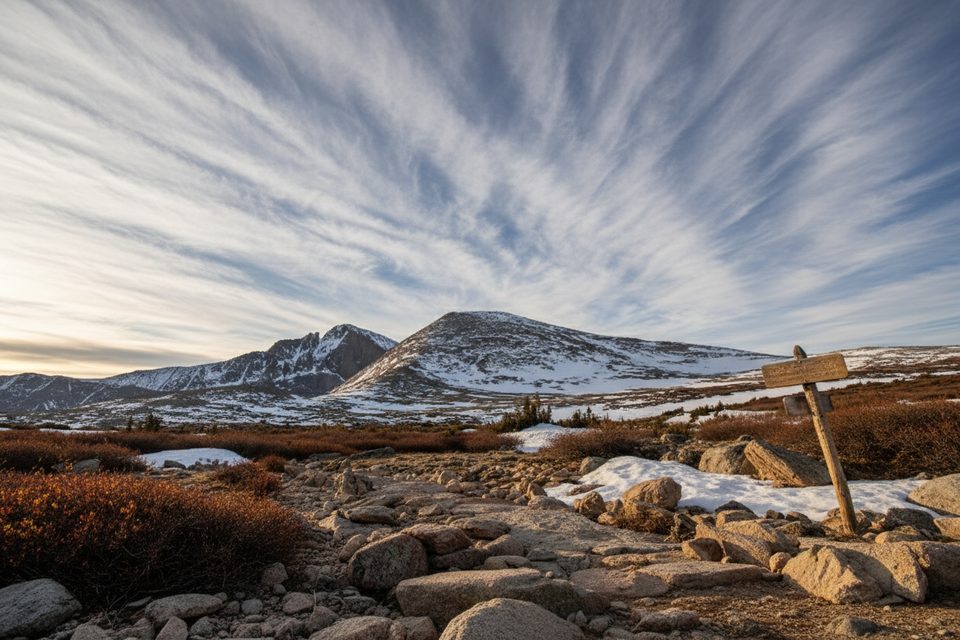
Place · 2.3 mi away
Place · 2.6 mi away
Challenging · 1.3 mi away
Easy · 1.6 mi away
Easy · 1.8 mi away
Challenging · 2.3 mi away

Parkwolf Tour Guide
