
Place · 0.4 mi away
Challenging
This is the classic, no-nonsense climb on RMNP’s east side: a steady grind from forest to talus that tops out on two airy 11,4xx‑foot summits with sweeping looks at Longs Peak and Mount Meeker. Expect about 7.4 miles total, out-and-back, with roughly 2,400–2,500 feet of gain. Parties often report 8–9 miles if the seasonal gate is closed (you’ll park lower) or if you tag both summits and poke around the ridge. It’s a rewarding half‑day that feels bigger than the mileage suggests.
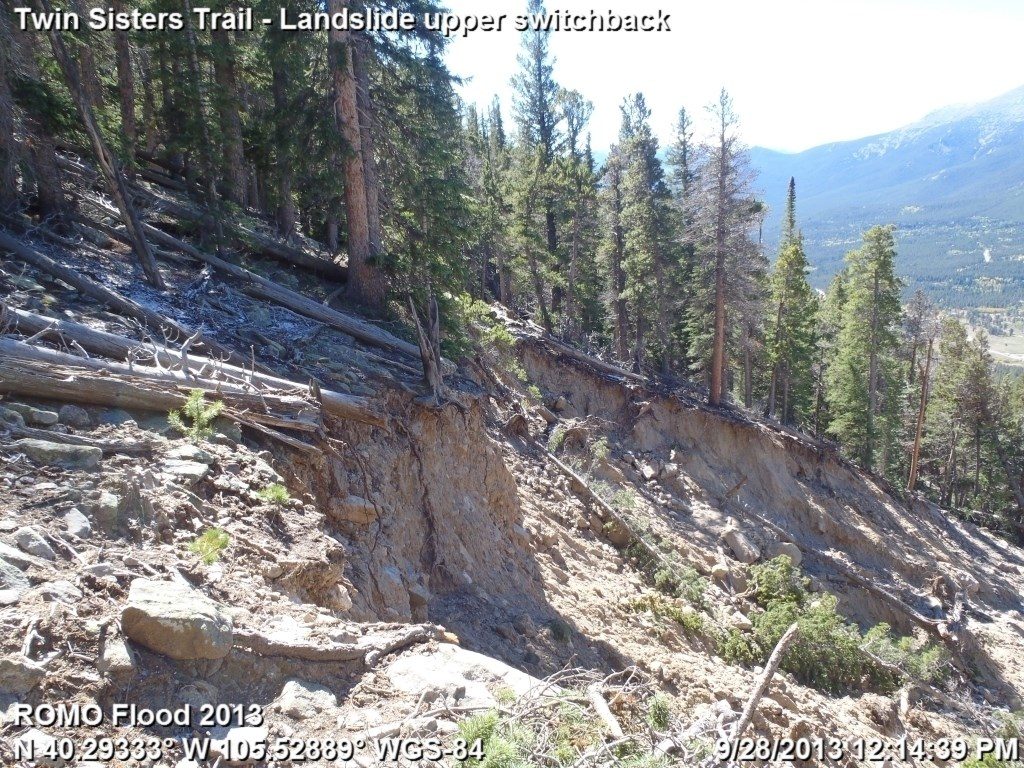
The trail wastes no time—moderate-to-steep switchbacks through pine lead to the unmistakable 2013 flood-triggered landslide scar, a raw gash that’s a memorable waypoint and a built-in geology lesson. Above treeline, the character shifts to rocky/talus tread and a breezy saddle with a small communications hut nearby. From here, West Sister is a straightforward stroll with remnants from an old fire lookout; East Sister (slightly higher) adds a short, fun Class 2 rock-hop near the top. Views are 360° and dramatic throughout the upper mile.
The grade is consistent and the altitude is real—starting around 9,200 feet and topping ~11,4xx means thinner air and slower pacing. The upper trail is exposed and rocky; expect wind on most days and be ready to put hands on rock near the higher summit. Summer afternoons often bring thunderstorms, so timing matters. In winter, this route crosses known avalanche paths and typically requires traction and/or snowshoes along with conservative decision making and winter travel experience.
June through September offers the best shot at dry rock and friendlier temps, though snow and ice can linger into early summer. Start early for calmer winds, better lighting on Longs/Meeker, easier parking, and to be below treeline before typical afternoon buildups. Shoulder seasons can be great if you bring traction for icy switchbacks. Winter can be beautiful but is a backcountry outing—treat it accordingly.
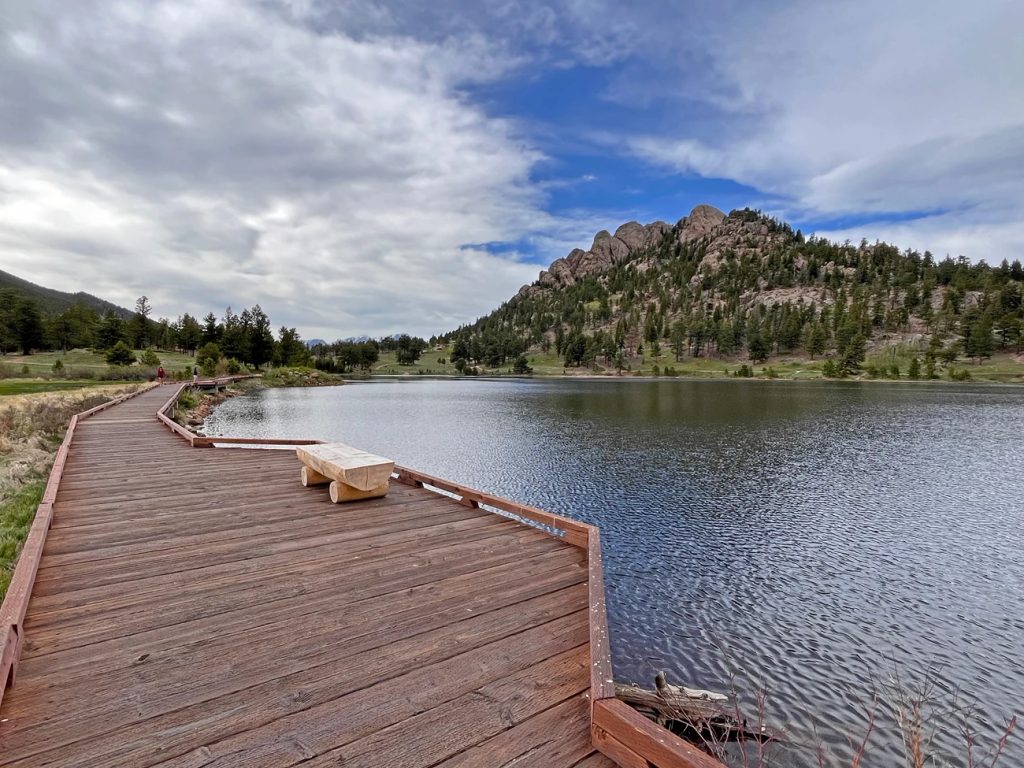
Trailhead access is off Highway 7 near Lily Lake via a short gravel road. If the gate is closed (common in winter), park at the Lily Lake lot and factor in roughly an extra mile round trip. There’s a restroom at Lily Lake but no water—bring what you need. The hike straddles RMNP and adjacent national forest lands, but standard RMNP entrance fees apply, and during the timed-entry season you’ll need the reservation that does not include Bear Lake Road if arriving between 9 a.m. and 2 p.m. You can enter before 9 or after 2 without a timed-entry permit.
Park off Hwy 7 at Lily Lake and drive the short gravel access road to the trailhead when the gate is open; if closed (common in winter), park at Lily Lake and add roughly 1 mile round trip. Restroom at Lily Lake; no water.
High wind and exposure above treeline; brief Class 2 scrambling near the higher summit; altitude effects likely; summer thunderstorms are common—start early. In winter the route crosses known avalanche paths and typically requires traction and winter travel skills.
Place · 0.4 mi away
Place · 1.3 mi away
Place · 1.8 mi away
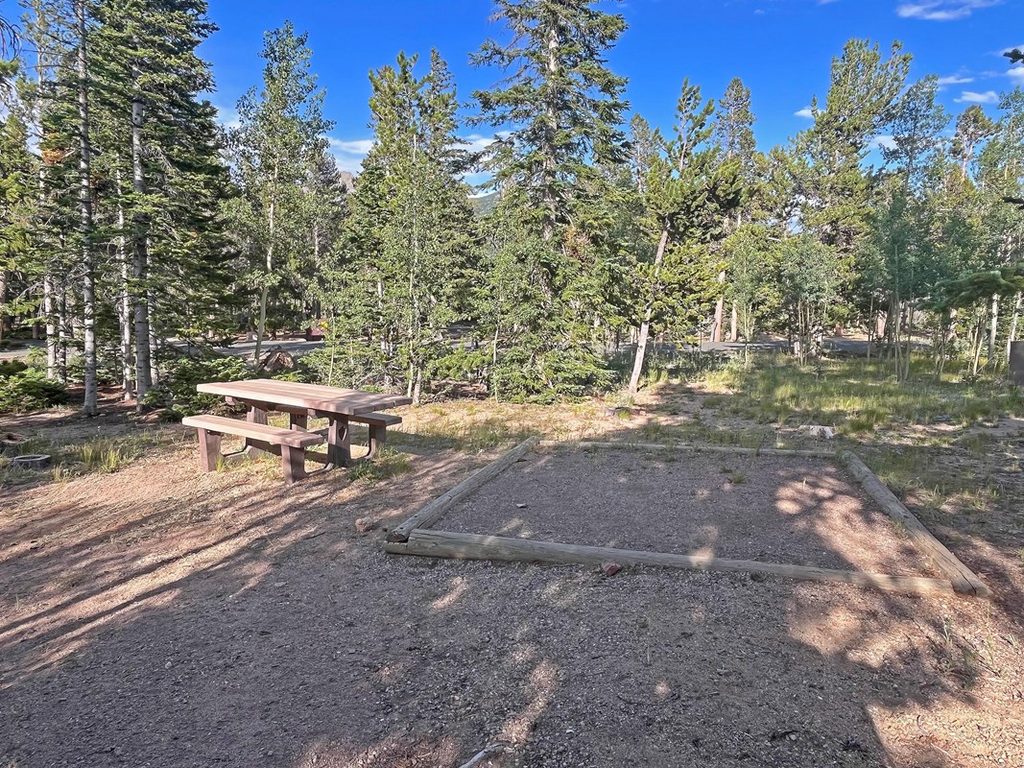
Place · 2.3 mi away
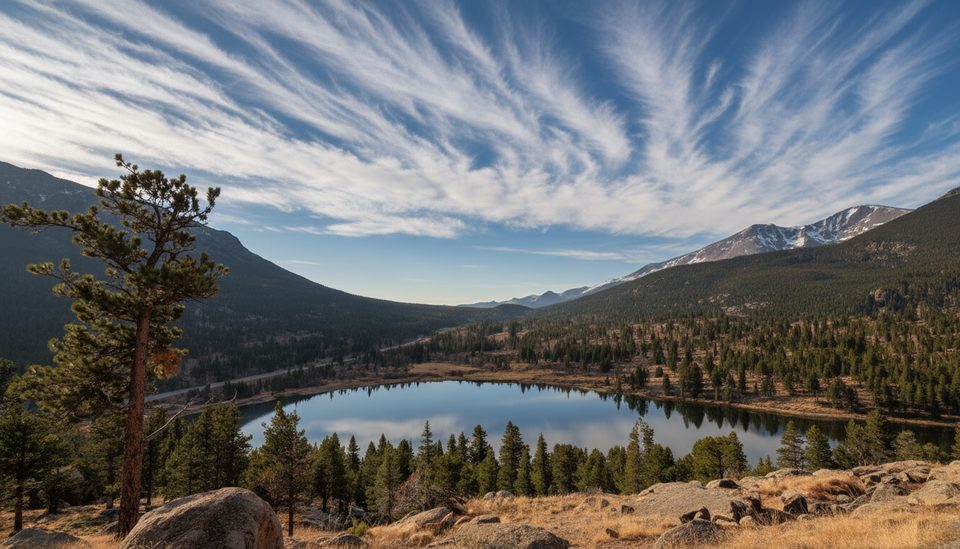
Easy · 0.3 mi away
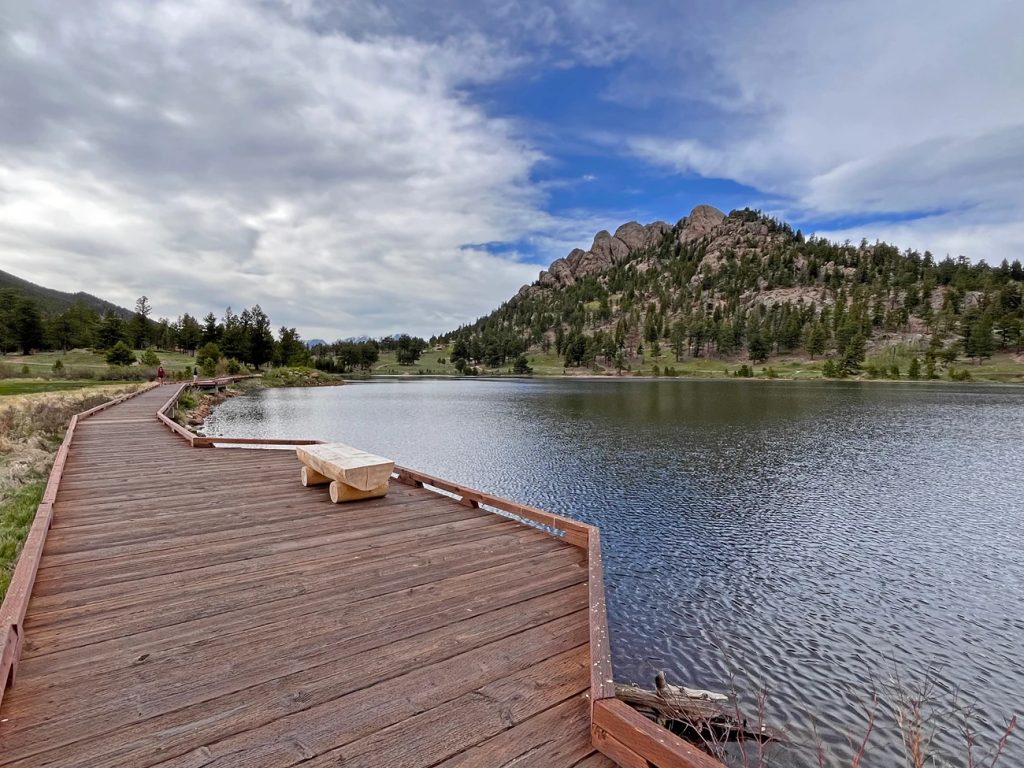
Easy · 0.4 mi away
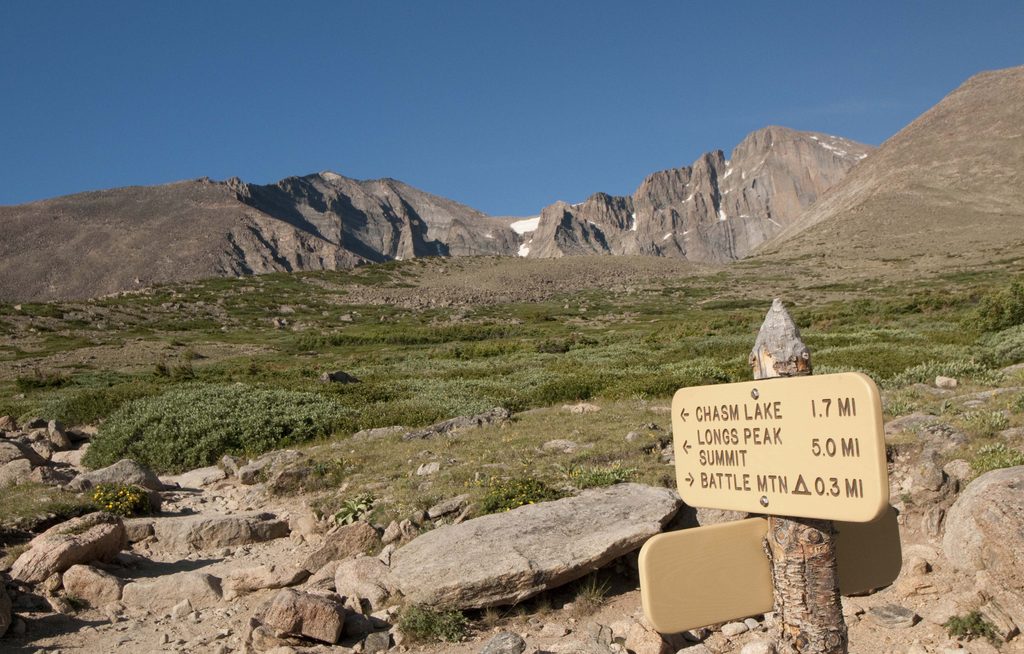
Challenging · 2.4 mi away
Challenging · 2.4 mi away

Parkwolf Tour Guide
