
Place · 0 mi away
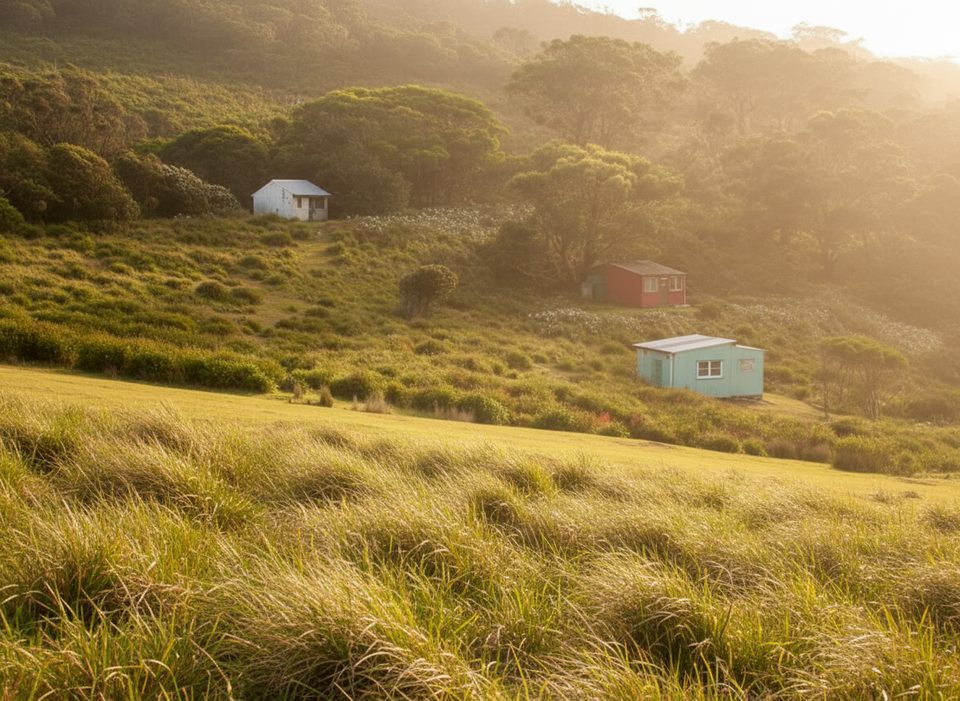
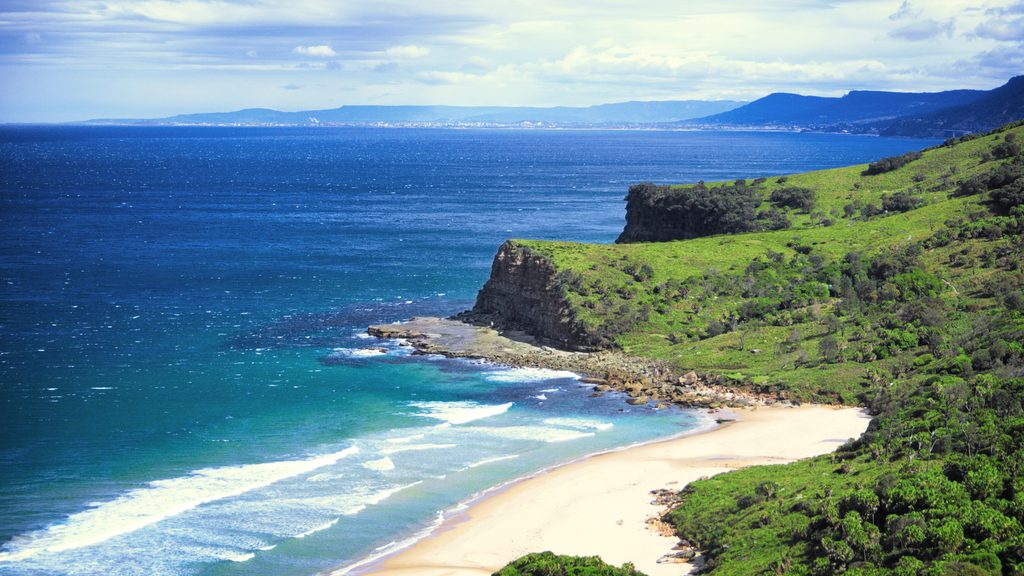
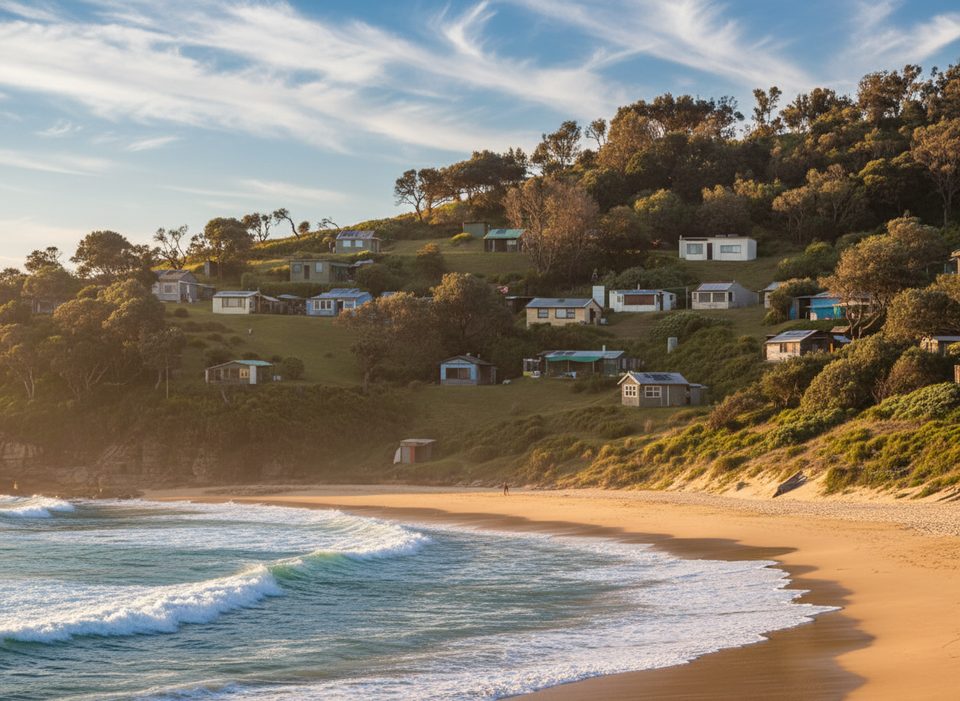
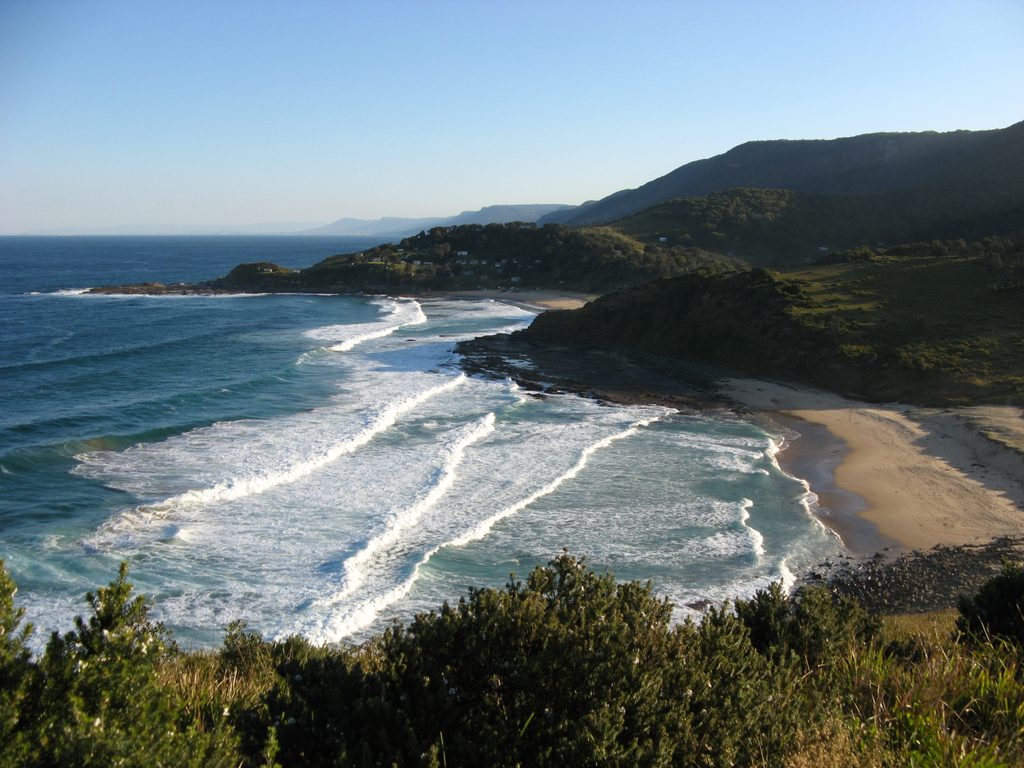
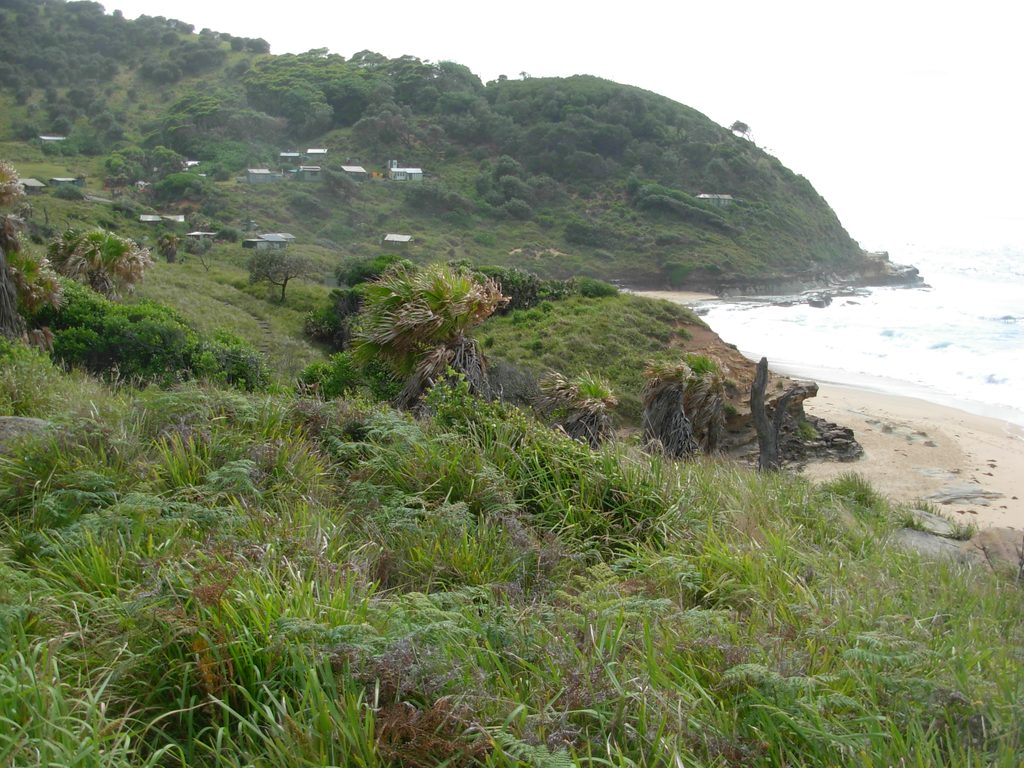
Tucked above the sand at Burning Palms, this heritage‑listed cluster of beach shacks is one of three historic cabin precincts on the park’s south coast (along with Era and Little Garie). It’s a living cultural landscape: simple, off‑grid cabins in a dramatic coastal bowl, reached only on foot. You’re here to appreciate the setting and story—respectfully—from the track.
From the Coast Track you’ll pass weathered cabins and small community clearings framed by grassland and sea cliffs. Many shacks still keep things simple—rainwater tanks, basic lighting (often solar), and low‑key cooking—preserving the feel of a place built for weekends, fishing, and walking rather than modern comforts.
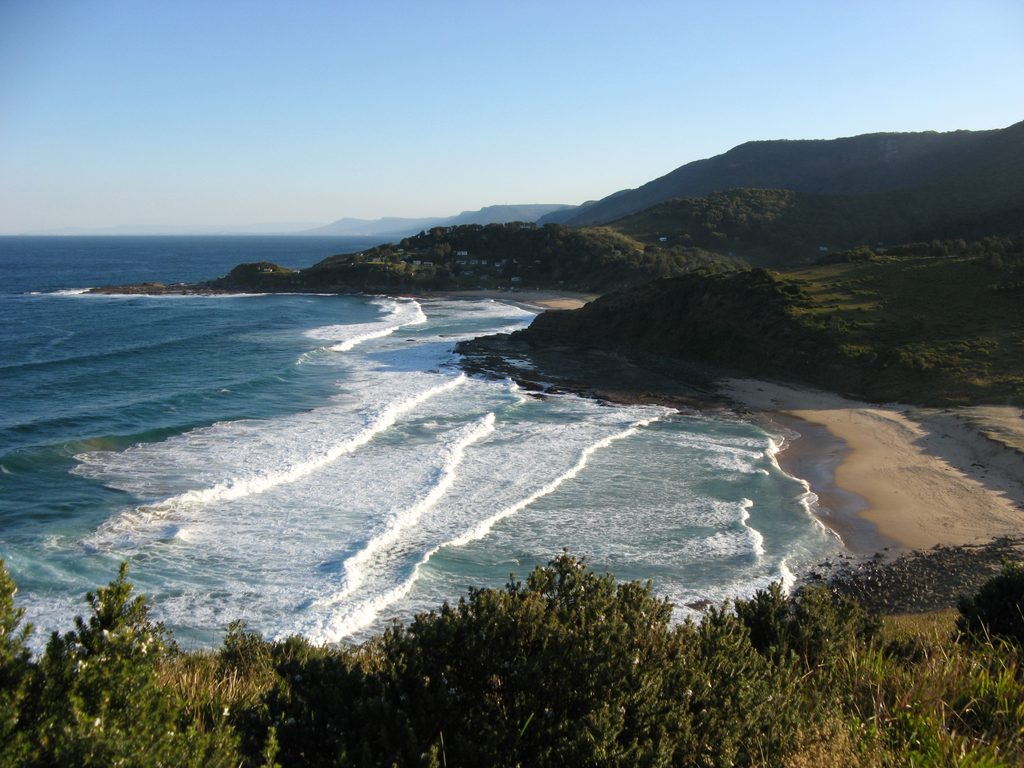
Access is via park trails only; think a roughly 2.5 km walk each way from Garawarra Farm with steep, undulating sections and summer heat to factor in. There are no public facilities at Burning Palms—plan as if there are no toilets or drinking water here. The Coast Track continues south toward Era and Little Garie if you’re making a bigger day of it.
These cabins are privately licensed. Enjoy them as a historic sight but stay on marked tracks, give residents space, and don’t enter structures or yards. No camping within the cabin precincts, and treat the whole area with Leave No Trace care.
Most cabins were built between the 1930s and 1950s by miners, walkers, and families seeking simple seaside escapes; some go back to earlier fishing shelters. After decades of removals, community advocacy and heritage recognition secured their future, making this the largest surviving group of coastal shacks in Australia.
Anytime outside the hottest part of the day works best—start early in warm months to beat heat on the climb. This is a look‑don’t‑touch stop: linger as you pass on the Coast Track, then continue to the beach or neighboring precincts.
If you love social history woven into wild coastline, absolutely. It’s not a destination for facilities or beachside lazing; it’s a compelling glimpse of a still‑lived tradition best enjoyed as part of a longer Coast Track walk.
Place · 0 mi away
Place · 0.2 mi away
Place · 0.2 mi away
Place · 0.2 mi away
Moderate · 0.7 mi away
Moderate · 0.7 mi away
Moderate · 1.2 mi away
Easy · 2.6 mi away

Parkwolf Tour Guide
