
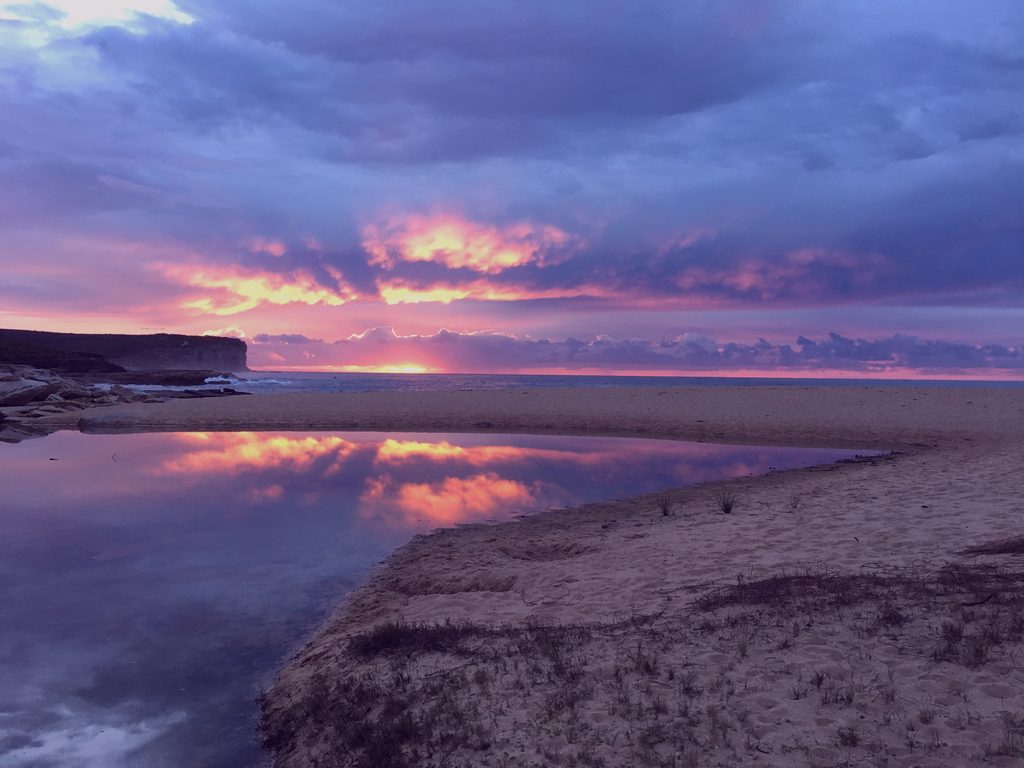
Place · 0.6 mi away
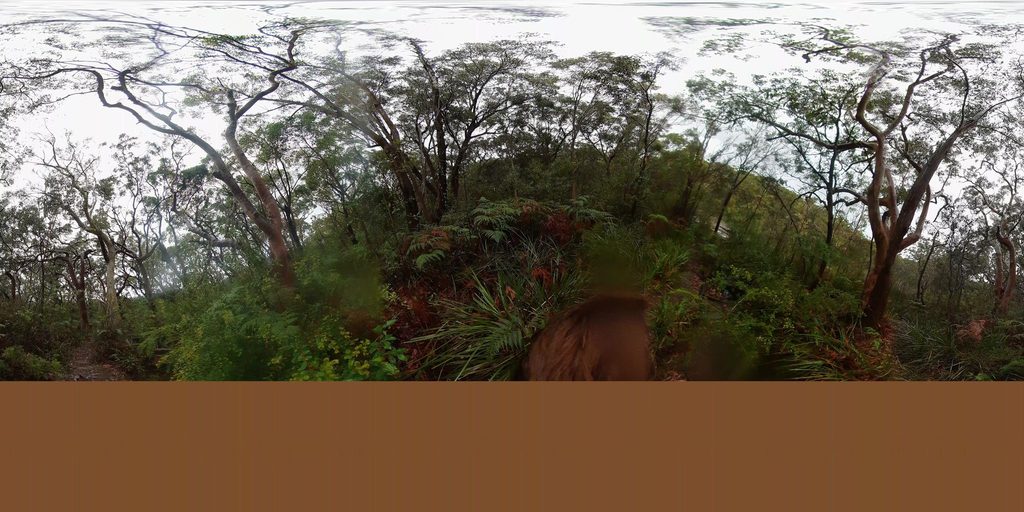
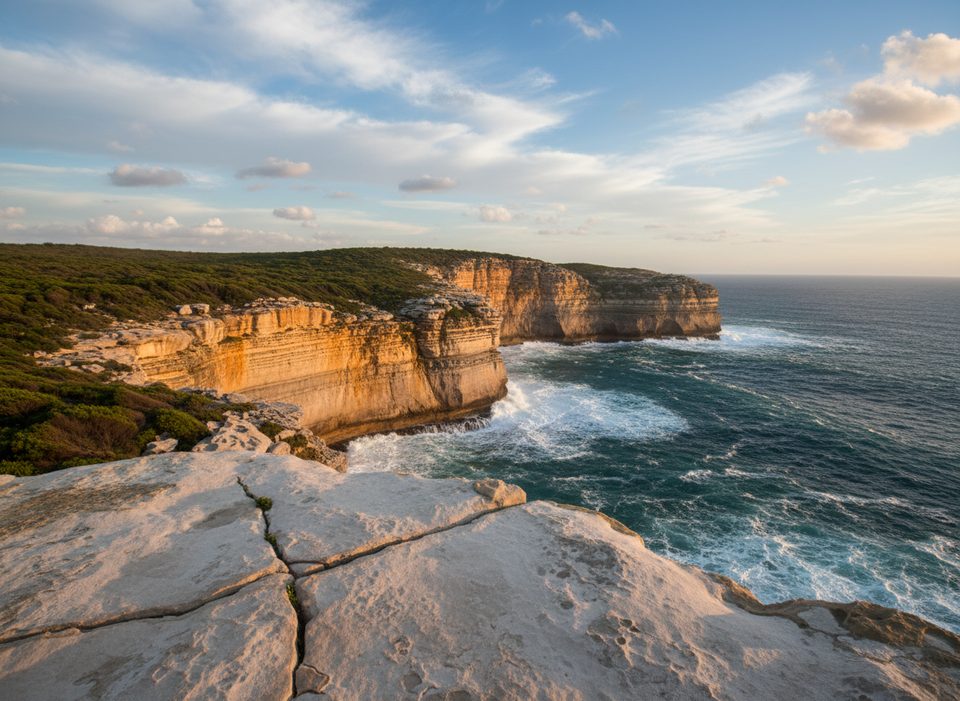
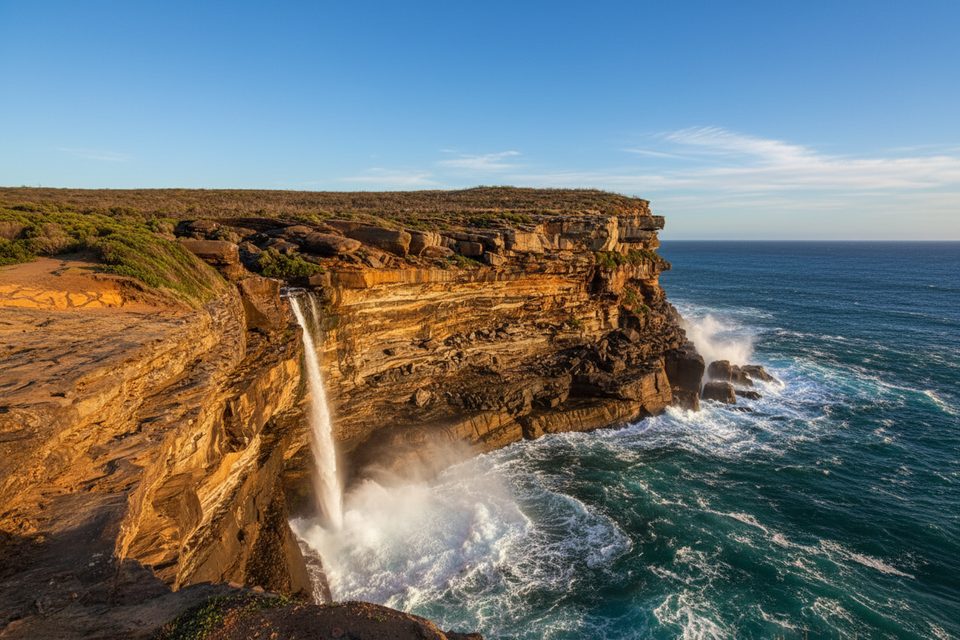
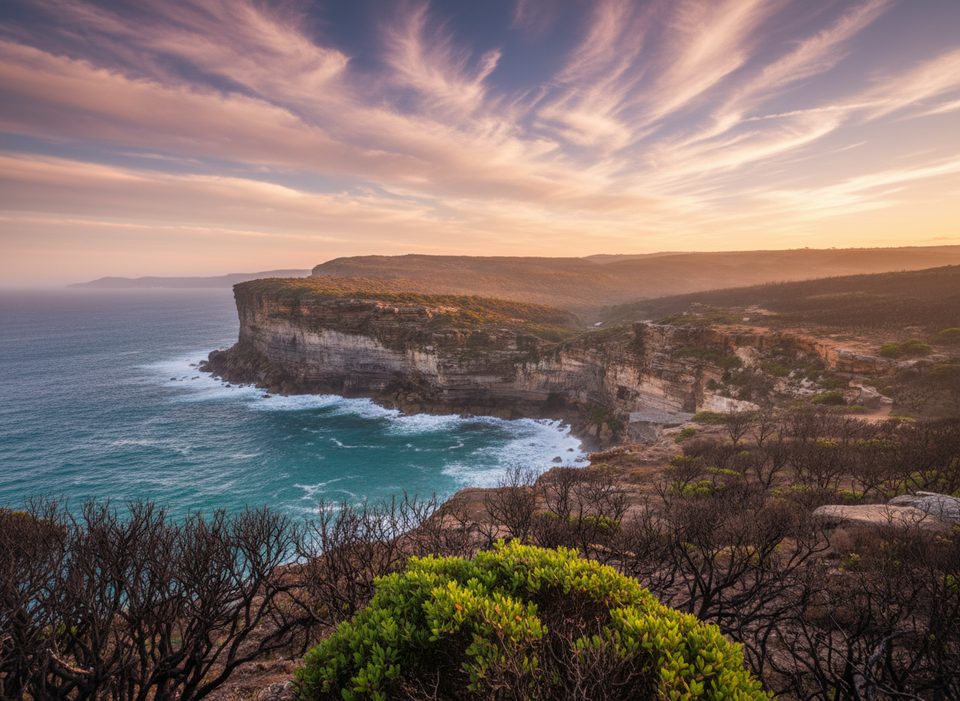
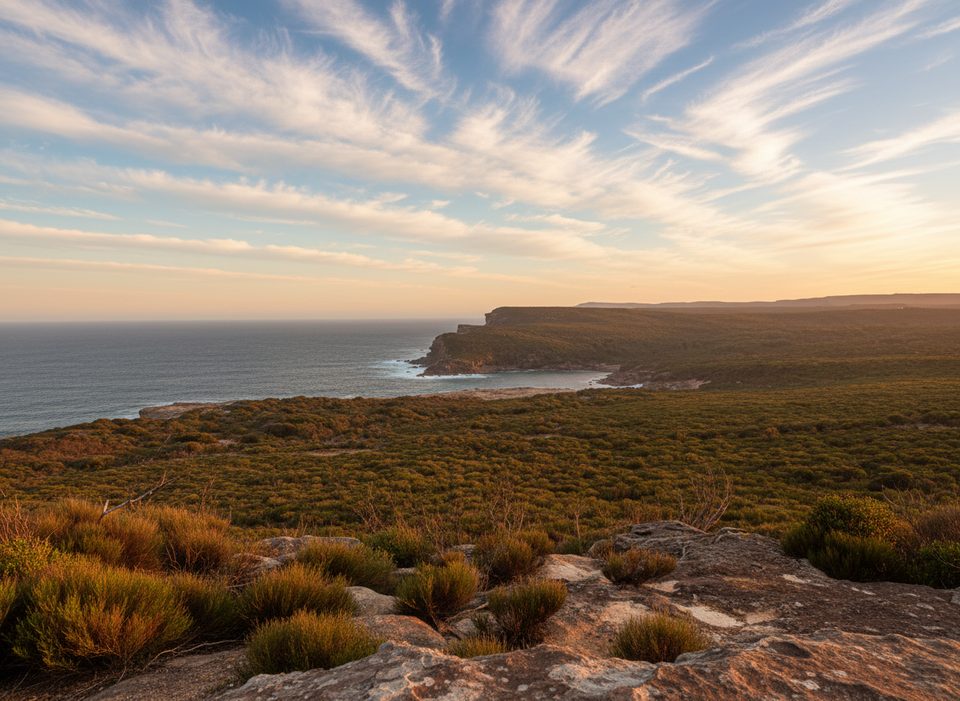
Low stone wall remains on the southern Marley headland are what walkers casually call the Marley Homestead Ruins. You pass them on the Coast Track section between Big Marley and Little Marley Beaches. Think of this as a quick cultural waypoint—not a standalone destination—best appreciated as part of a wider coastal hike.
Royal National Park once had a tradition of informal fishermen’s huts and simple shacks along its coast. After the National Parks and Wildlife Act 1967, many of these structures were removed to restore natural values. The scattered stone footings on Marley headland are consistent with those former buildings—an understated relic of that era. Please leave stones where they are.
The section of Marley walking track between the Marley car park and the fire trail is closed for repairs through December 31, 2025. Big Marley and Little Marley fire trails remain open. Always check NSW National Parks and Wildlife Service (NPWS) alerts on the day you go.
For wildlife, June–October brings the best chance of spotting migrating humpback whales from the headlands. Otherwise, start early to beat heat and wind on this exposed stretch, and to enjoy quieter paths.
Walk the Coast Track between Big Marley and Little Marley. On the southern Marley headland, just off the formed track, you’ll notice the low stone wall remains—an easy, quick pause before continuing your coastal walk.
Place · 0.6 mi away
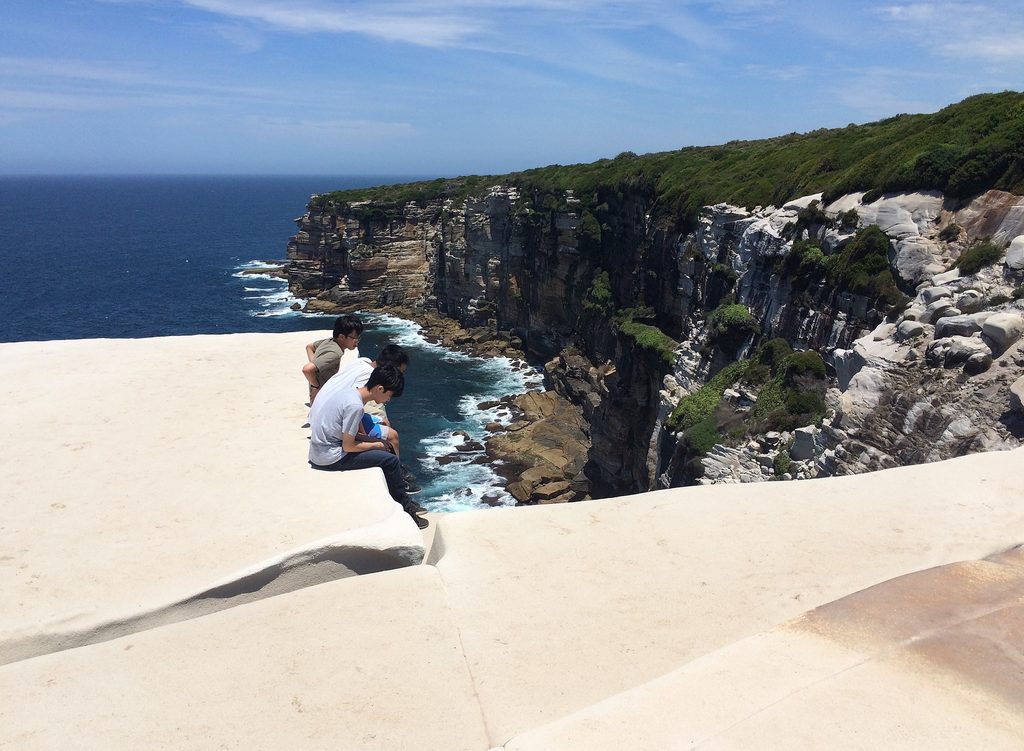
Place · 0.8 mi away
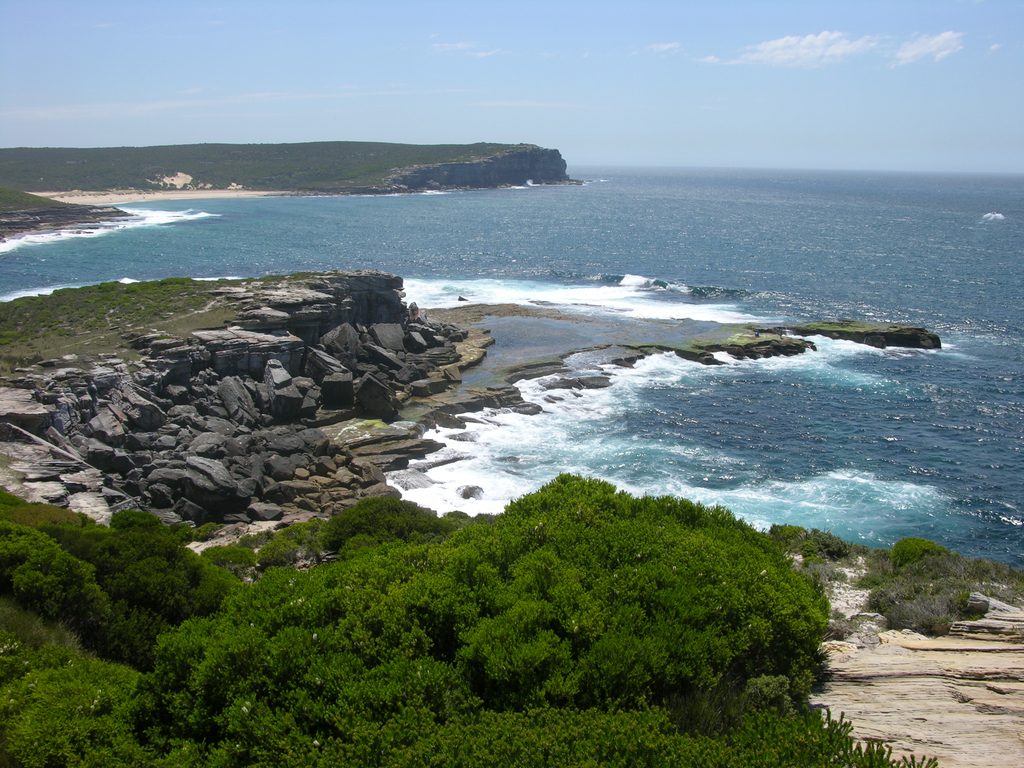
Place · 0.8 mi away
Place · 1.2 mi away
Moderate · 1.7 mi away
Moderate · 1.7 mi away
Easy · 1.7 mi away
Easy · 1.7 mi away

Parkwolf Tour Guide
