Overview
About Marley Beach
Why stop
- A substantial dune landscape adds a second payoff beyond the shore.
Heads up
- Remote, unpatrolled surf with strong currents and a steep drop-off; not a safe swim beach.
Map
Where it is

The highest, rockiest slopes around here are a summer buffet for grizzly bears.
Royal Tour Guide
Your drive to Marley Beach, narrated.
Parkwolf is a GPS audio tour guide for Royal National Park. As you drive, it chimes in with what’s ahead: hidden gems, upcoming stops, history, geology, and wildlife, right through your car’s speakers.
See the Royal audio tourRecorded for this place
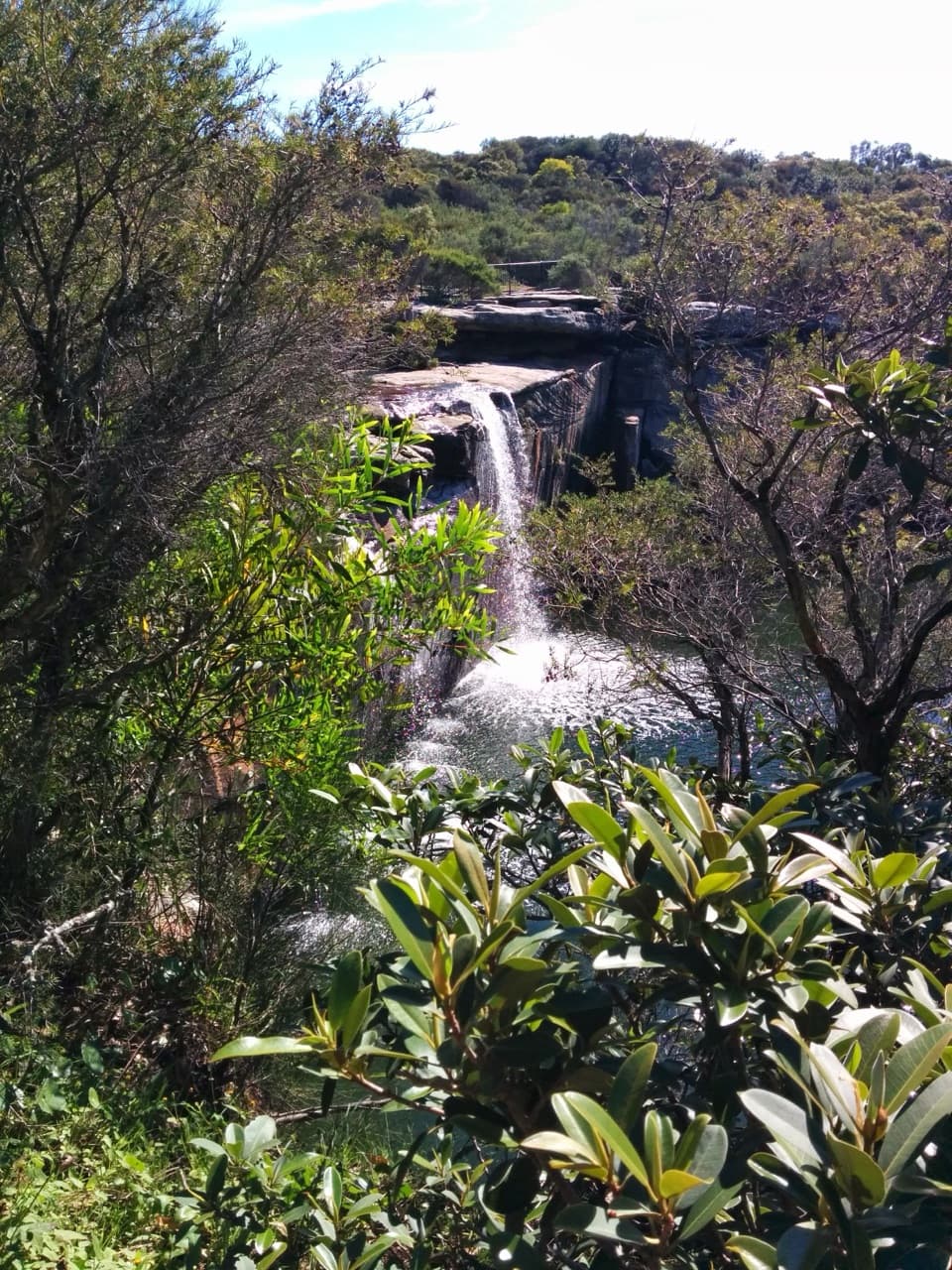
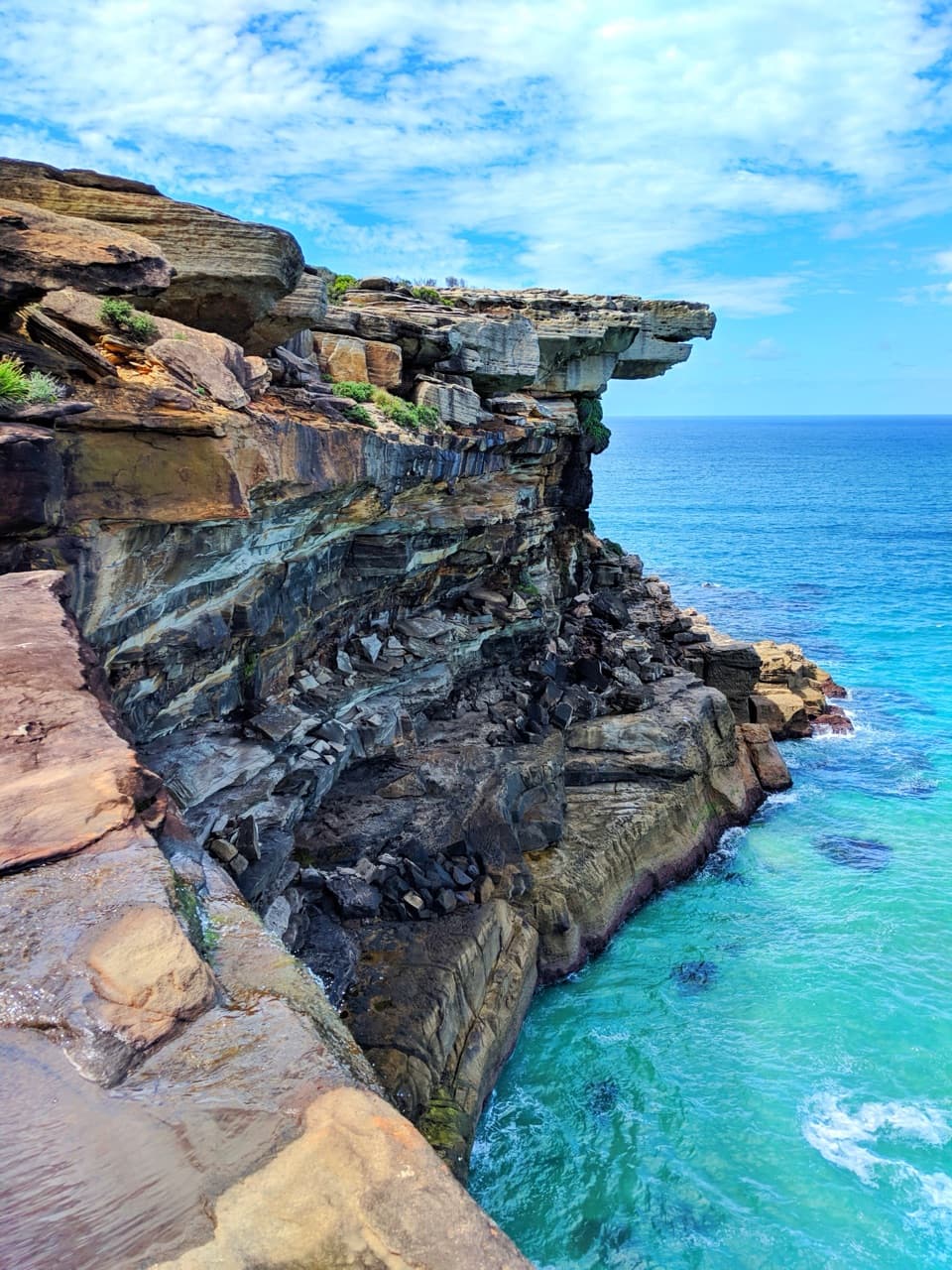
Bundeena Coast Track to Wedding Cake Rock“You're approaching the Coast Track start in Bundeena, where you can walk to Wedding Cake Rock. Allow about two and a half hours return over rough sandstone, boardwalk and stairs, with cliff views along the way.”
Plays as you drive up to Marley Beach in the Parkwolf Royal Tour Guide.
More stories near here in the app
- The Spinebill at the Flowers
- Bundeena Drive Walk to Little Marley
- Bonnie Vale Riverbank and Picnic Area
- Bundeena Waterfront and Horderns Beach
- 43 audio storiesacross Royal’s roads, triggered by GPS as you drive
- Wildlife heatmapsfor Humpback Whale, White-bellied Sea-Eagle, Koala, and 13 more
- Works offlinemaps, 69 trails, 58 places, and audio download before you lose signal
- CarPlay readysimple controls built for the drive
“Fantastic app with many points of information… It’s great to just turn on while you’re driving and it gives you an audio tour of the national Park. We love it!!!!”


Guide
More about Marley Beach
A dune-backed ocean beachMarley Beach, often called Big Marley to distinguish it from Little Marley, is a roughly…
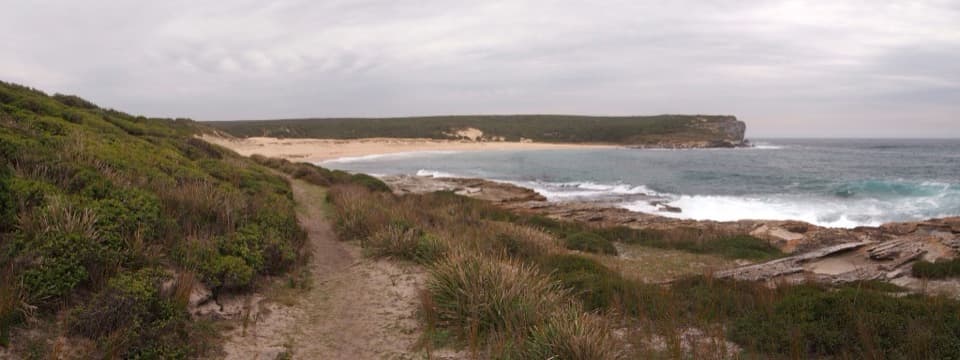
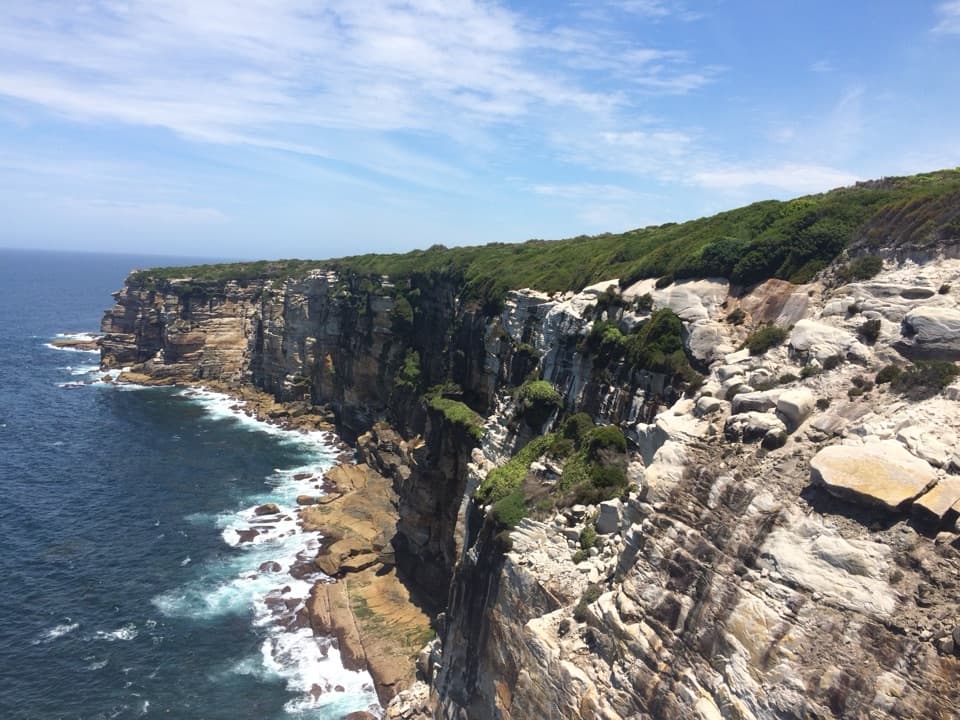
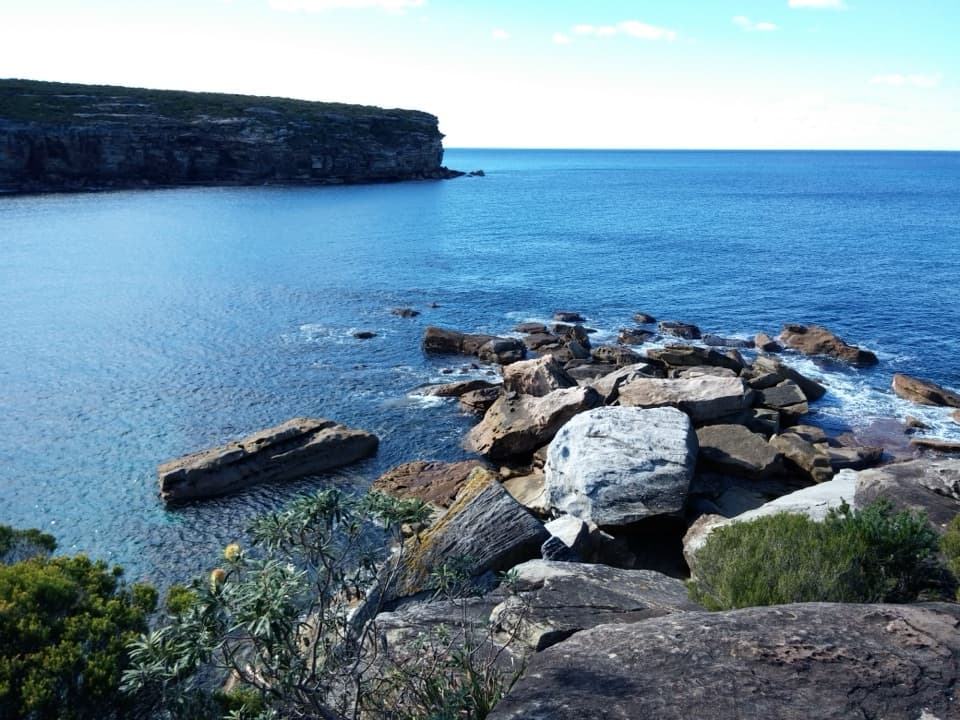
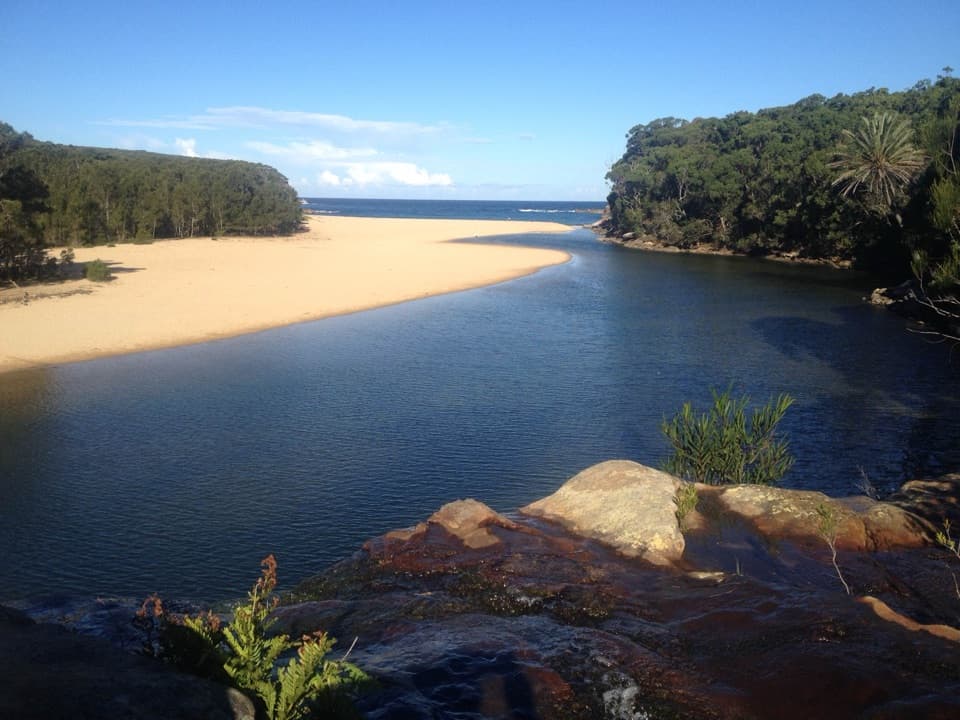
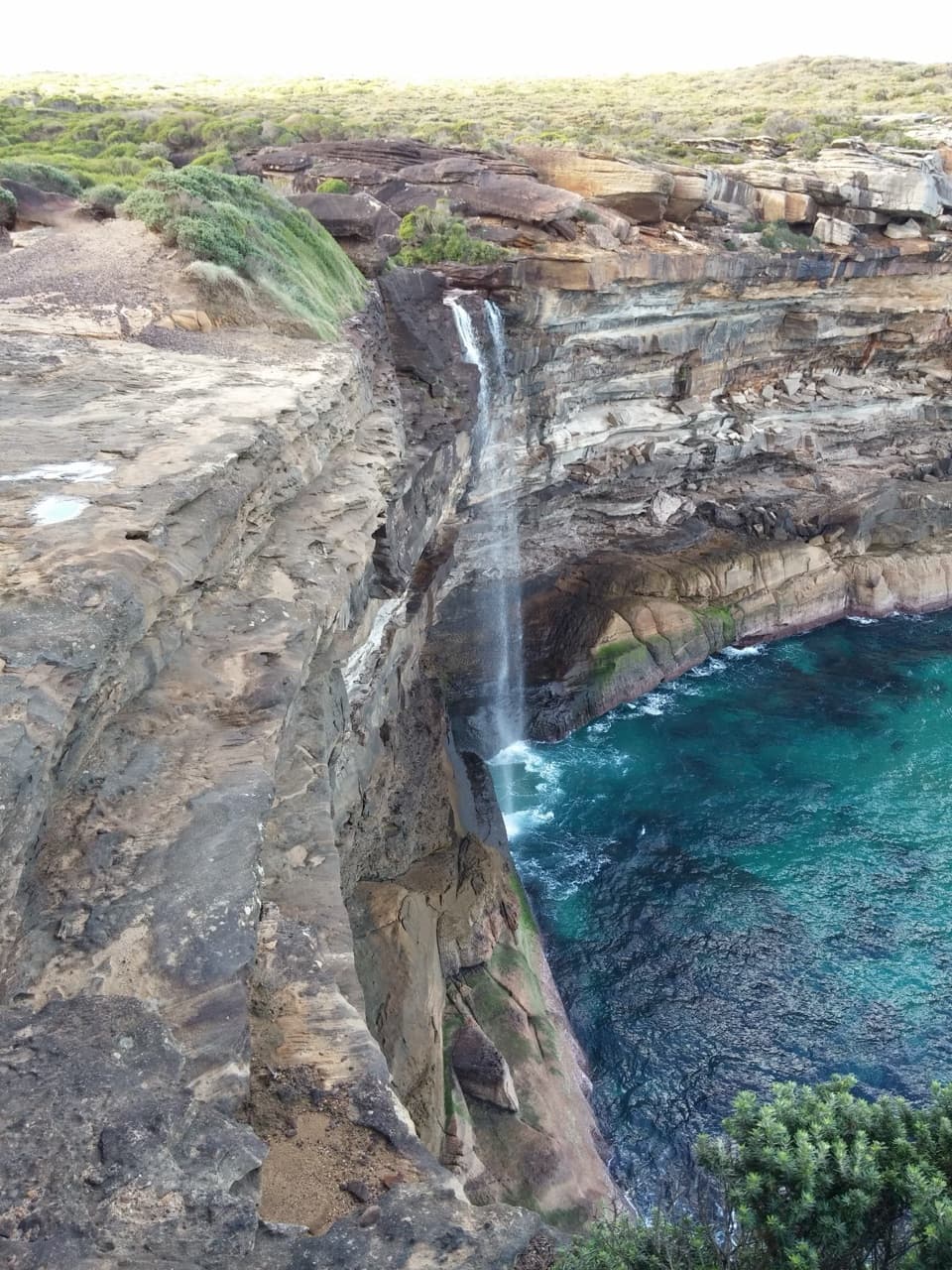
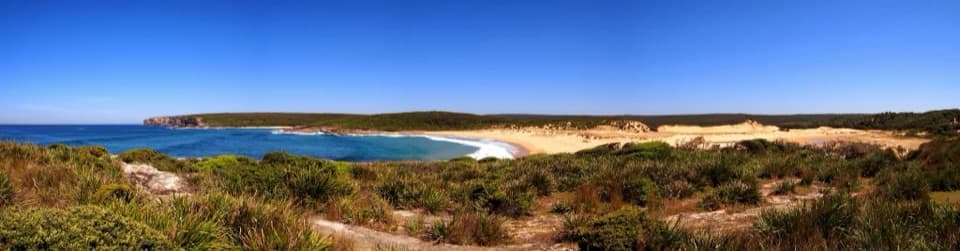
Marley Beach, often called Big Marley to distinguish it from Little Marley, is a roughly 360-metre crescent of sand on Royal National Park’s remote coast. Low sandstone headlands frame the water, and a broad dune field stretches behind the beach. The walk is part of the payoff: come for the combination of ocean, rock shelves and open sand, not an easy swim or a serviced picnic.
Take the Coast Track from BundeenaFrom Beachcomber Avenue in Bundeena, follow the Coast Track past Wedding Cake Rock toward…
From Beachcomber Avenue in Bundeena, follow the Coast Track past Wedding Cake Rock toward Marley Beach; it’s about 3.7 kilometres each way. Don’t mix it up with the separate Bundeena Drive to Marley walking track: that Grade 3 route is 7.8 kilometres return and ends at Little Marley, the smaller beach to the south. There’s no drive-up access to Big Marley. Parking is at the walk-in trailheads, so bring enough food and water for the whole outing; there’s no drinking water, toilet or shop at the beach.
Treat the surf as a viewMarley is remote and unpatrolled.
Marley is remote and unpatrolled. Strong currents and a steep drop-off make the surf unsafe for swimming, and park staff do not recommend either Marley beach as a safe swimming spot. Enjoy the creek pools and shoreline from a safe position, and don’t count on a lifeguard.
Keep going into the dunesThe dunes are more than a backdrop: they extend as much as 500 metres inland and cover roughly…
The dunes are more than a backdrop: they extend as much as 500 metres inland and cover roughly 130,000 square metres. Their ridges give you a second landscape to explore after the beach, but there’s little shade out there. Bring sun protection before you leave the track.
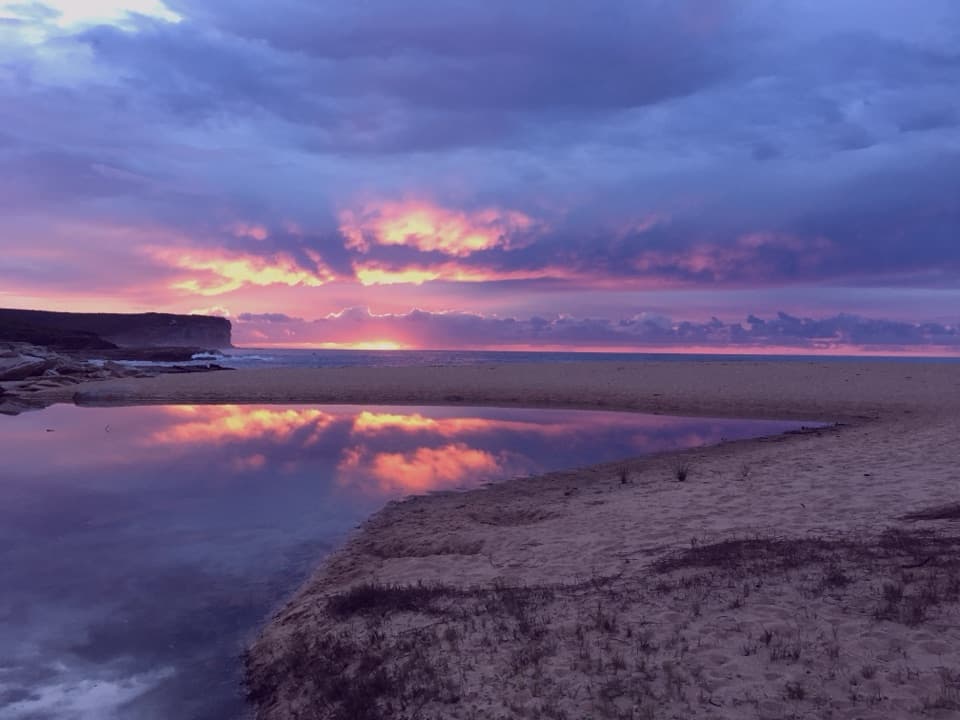
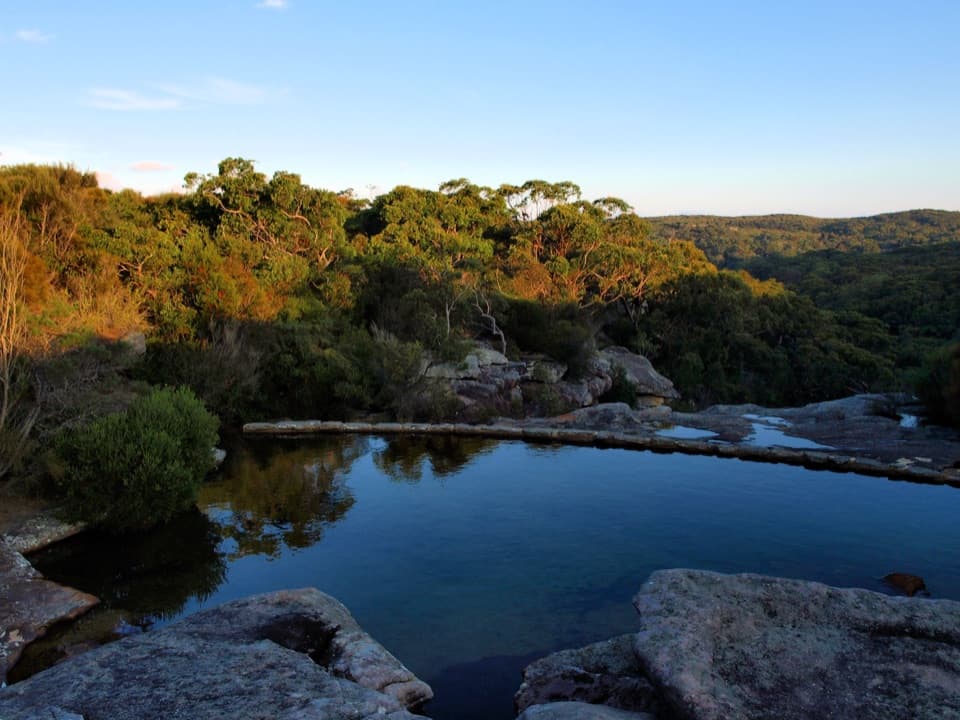
Look around the creek and lagoonA small creek and pool sit near the surf, while Marley Lagoon lies separately behind the dunes.
A small creek and pool sit near the surf, while Marley Lagoon lies separately behind the dunes. Black swans have been seen around the lagoon, and black-fronted dotterels, terns and gulls around the water; white-bellied sea eagles are occasional. These are possible sightings, not a wildlife schedule.
Frame the sand and headlandsFor the broad view, get a little height and look along the curve of beach with a sandstone…
For the broad view, get a little height and look along the curve of beach with a sandstone headland at each end. Continue to the dune crests for the ridges and a look back toward the lagoon. The best view takes more walking, and the open sand offers little shade.
Wildlife
Wildlife in Royal
 56 sightingsHumpback WhaleMost seen around 11 AMSighting map
 70 sightingsWhite-bellied Sea-EagleMost seen around 9 AMSighting map
 12 sightingsKoalaMost seen around 6 PMSighting map
 34 sightingsJavan RusaMost seen around 6 PMSighting map
 70 sightingsShort-beaked EchidnaMost seen around 5 PMSighting map
 11 sightingsRed FoxMost seen around 5 PMSighting map
Sighting maps show where each species has been reported across Royal. Wildlife moves, so no sighting is guaranteed.