Bologonja Springs

Shady springs where wildlife gathers and crowds rarely do
Bologonja Springs, Serengeti National Park
InsideSerengeti National Park

Overview

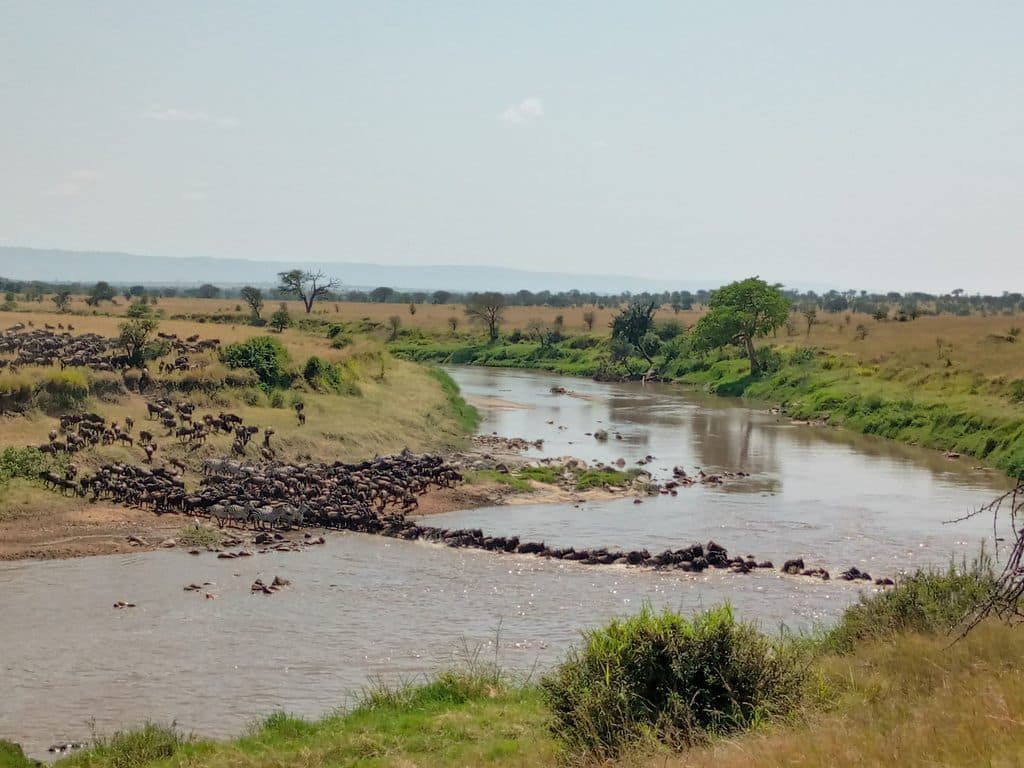
Tucked into the far northeast, Bologonja Springs is a cool, shaded ribbon of water that feels worlds away from the Serengeti’s open plains. The spring‑fed Bologonja River threads through gallery forest before heading northwest toward the Mara River, and that permanent water makes this a magnet for animals—especially when the rest of the north dries out.

Why It’s Worth Your Time

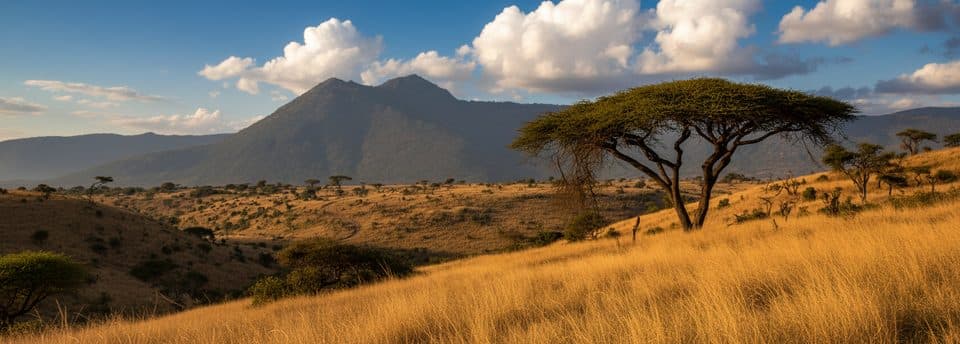
If you crave quieter game viewing, this corner delivers. You’ll often share sightings with a handful of vehicles, not a convoy. The setting flips between leafy stream corridors and rolling hills, giving you a nice change of pace from endless grassland.

Wildlife You Might See

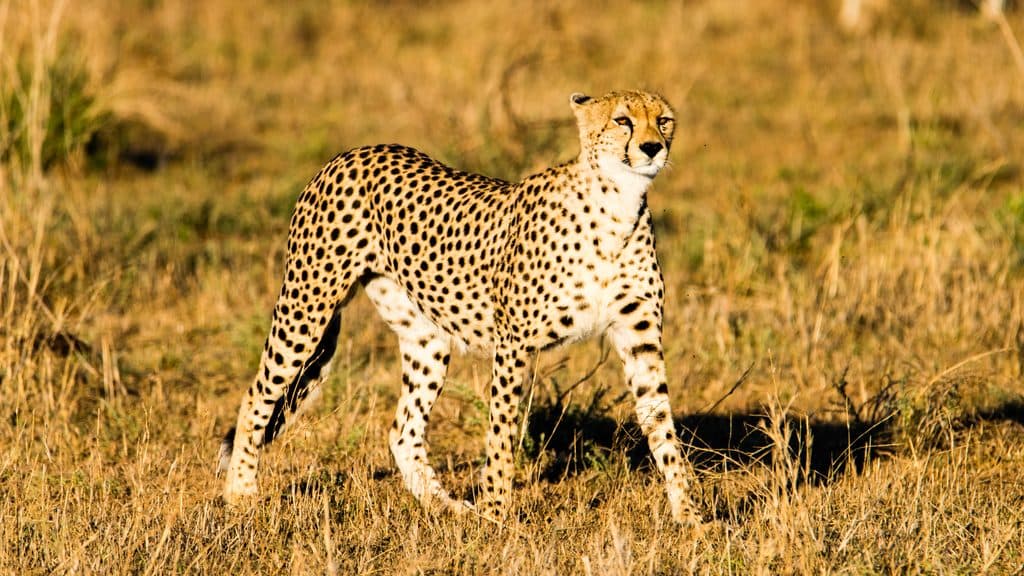
Expect primates (vervet monkeys and baboons) around the trees, plus elephants, giraffes, buffalo, and antelope like steenbok and mountain reedbuck. Birders do well here—watch for kingfishers, hoopoes, rollers, and crowned cranes along the water. Big cats hunt the broader northern Serengeti, so keep an eye on open hills as you loop toward Lobo.

Don’t Miss: Larelemangi Salt Lick

A few miles downstream sits Larelemangi, a bare, mineral‑rich patch where elephants and large buffalo herds congregate to lick salts, wallow, and spar. It’s open and unobstructed—great for patient viewing and photography.

Getting There

From the Lobo airstrip, follow route B144 north toward the Bologonja area and gate. This is a remote stretch—plan fuel and supplies ahead rather than counting on services at the springs themselves.

Best Time to Visit

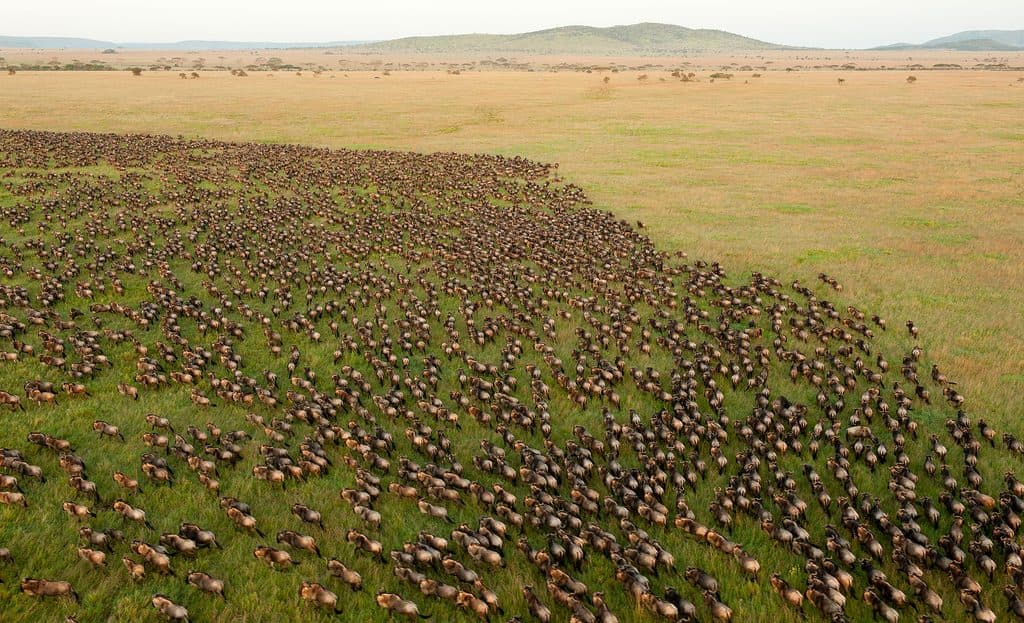
July–November is prime in the north: animals crowd the water and the Great Migration often pushes through the broader area. Year‑round resident wildlife still works the springs, but go early or late for activity and softer light; midday can be sleepy.


Practical Notes

Facilities are sparse here. Expect limited or no public restrooms at the springs; fuller services sit well to the south in Seronera, with a few camps/lodges and a gas station noted in the wider area. Roads can bog in wet periods, so a capable vehicle and self‑sufficiency (water, snacks, binoculars) make this a smooth day. Also, you can’t drive between here and Kenya’s Maasai Mara—the road crossing has been closed for decades—so plan separate logistics.

Pros

  • Reliable dry‑season water that concentrates wildlife
  • Nearby Larelemangi salt lick draws elephants and big buffalo herds

Cons

  • Very limited facilities; don’t count on restrooms
  • Remote and slow to reach; 4x4 advisable in wet periods

Tips

  • From Lobo airstrip, follow route B144 north to reach the springs.
  • Pair your stop with the Larelemangi salt lick a few miles downstream.
  • Aim for early or late hours for livelier wildlife and kinder light.
  • Carry water and snacks; services here are minimal and unreliable.
  • You cannot cross into the Maasai Mara here—plan separate arrangements.
The Parkwolf tour guide sitting on a phone mounted in a car

Parkwolf Tour Guide

Like a tour guide in your car.

Save the places you found around Serengeti, then let Parkwolf guide the drive between them.Download Parkwolf on the App Store