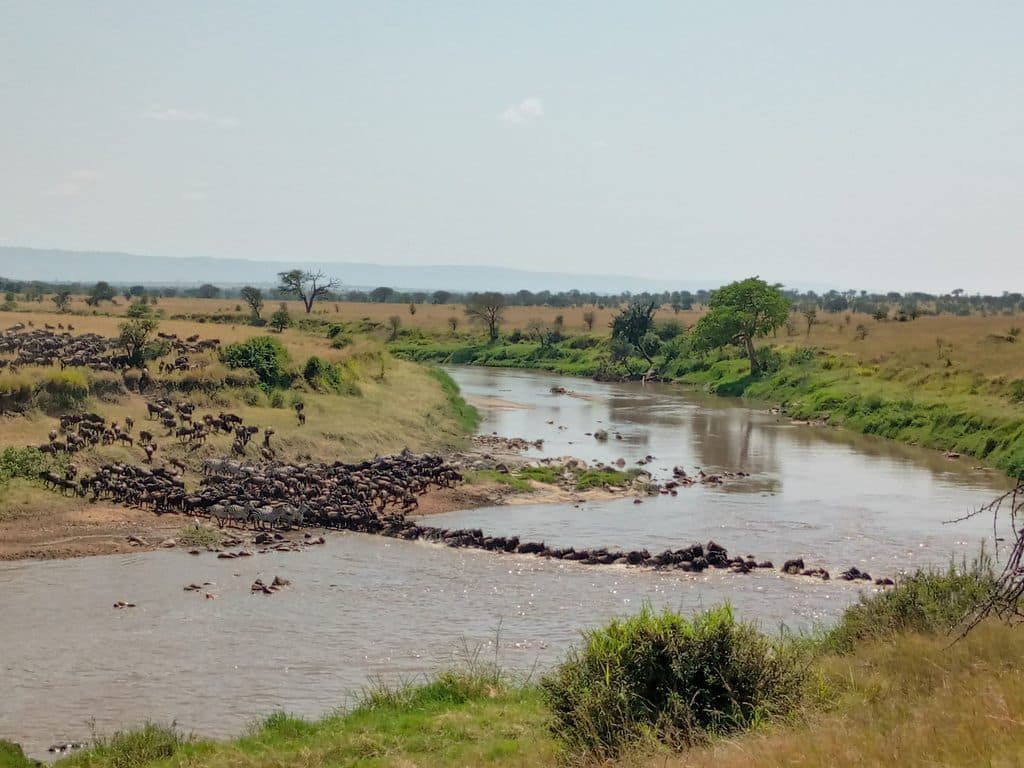
Seronera River

Central river for big cats, hippos, and classic Serengeti scenes
Seronera River, Serengeti National Park
InsideSerengeti National Park

Overview

The Seronera River is the heartbeat of the central Serengeti—permanent water, shady riverine forest and surrounding open plains pull in wildlife even when the migration is elsewhere. It’s famous for big cats, dense leopard territory (check those sausage trees), and classic river scenes with hippos and Nile crocodiles.

What You’ll See

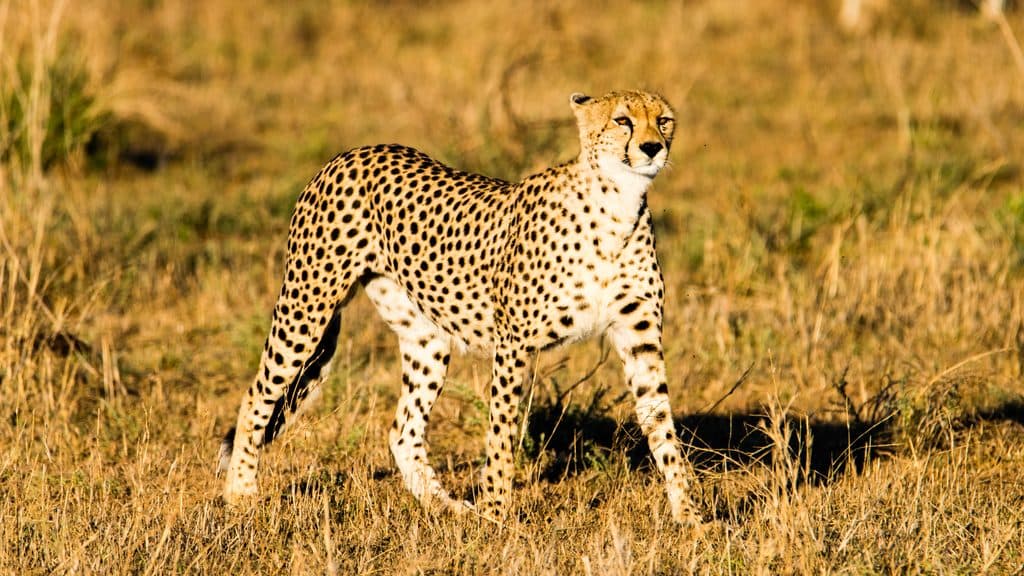
  • Big cats: Multiple resident lion prides work the riverbanks, leopards often drape over sausage tree limbs, and nearby open plains are cheetah country.
  • Aquatic drama: Hippos stack into pools by day and crocs bask on sandbars; expect grunts, splashes and the occasional territorial spat.
  • General game: Elephants, buffalo, giraffe and a steady mix of grazers cycle through to drink.
  • Birding: Over 500 species in the broader area, peaking with migrants November–April.

Why It Works

Permanent water plus kopjes and mixed habitats make this a year‑round wildlife magnet. The granite outcrops (kopjes) act like islands—vantage points for predators and pockets of shade and moisture that hold animals through the dry months.

Best Times to Visit

  • Dawn and late afternoon are prime: soft light, predators on the move, and fewer vehicles.
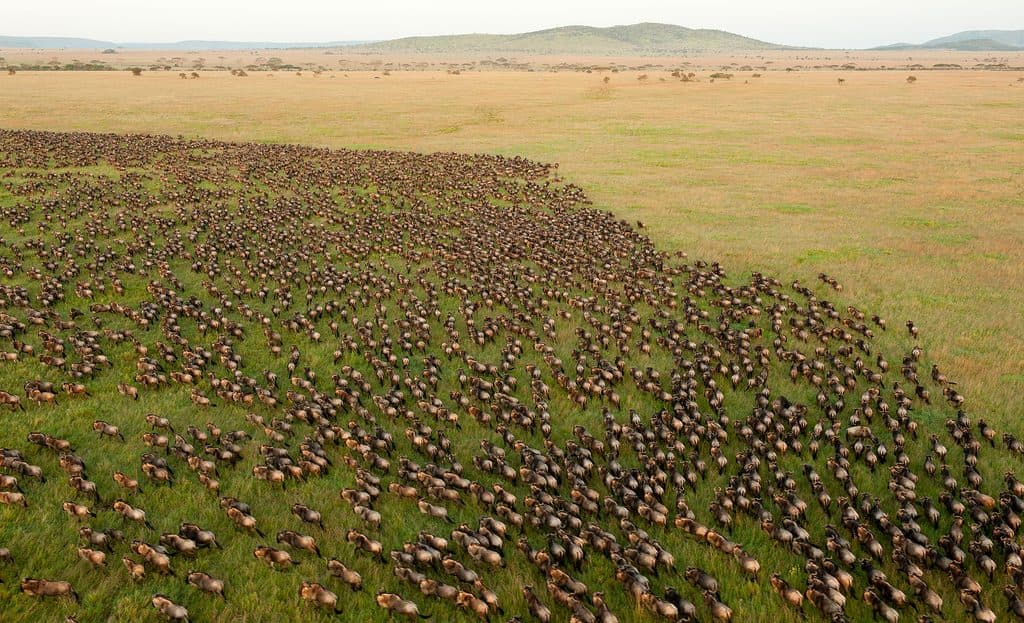
  • Seasonally: April–June often brings post‑calving herds moving north; July–October the main migration is usually far north but Seronera stays strong for resident predators; October–December sees southbound herds pass through. As of mid‑December 2025, the largest herds are concentrated farther south, but the river still delivers superb big‑cat and hippo/croc viewing.


How to Explore

  • Work the river loops and pause at sausage trees—leopards stash carcasses here.
  • Midday can be surprisingly good at hippo pools for surface activity.
  • Pair the river with nearby plains (SE of Seronera) for cheetah hunts and with Moru Kopjes for scenery and cats on rocks.

Crowd Smarts

Seronera is the park’s busy hub. Beat the scrum by leaving at gate opening, taking breakfast in the field, and ducking onto side loops rather than piling into the main sightings.

Facilities & Practicalities

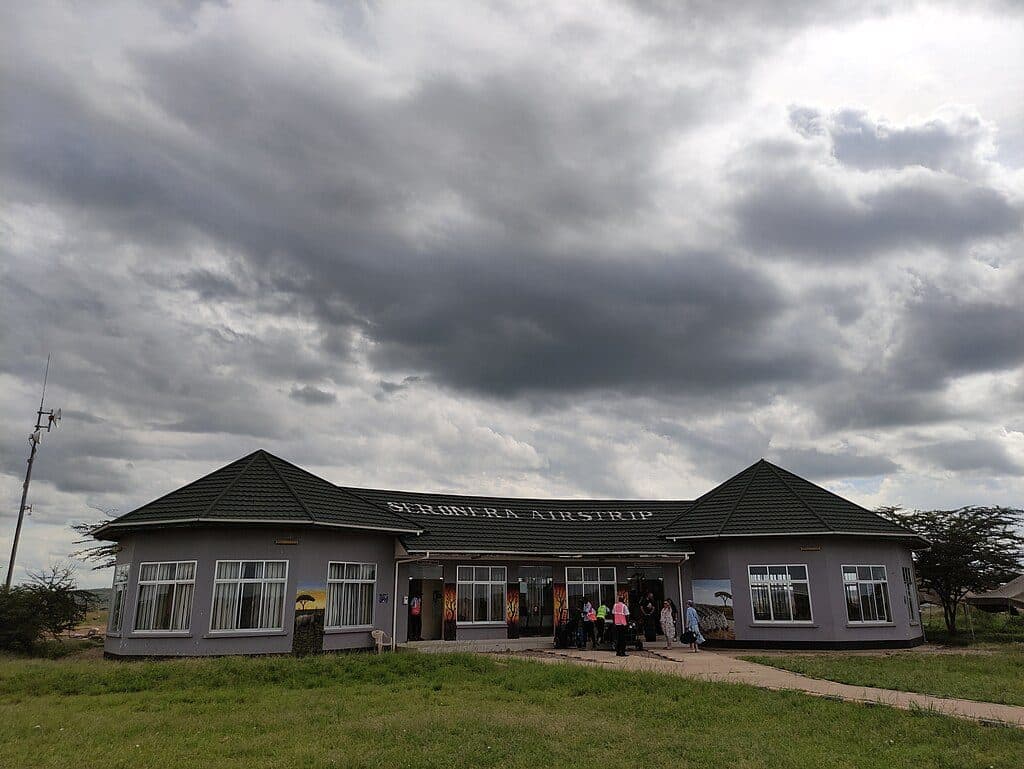
The central hub has a visitor information centre with small museum displays, a café and a picnic site for daytime breaks. Public campsites in the area offer basic ablutions (bring your own toilet paper and soap; maintenance varies). Campsites are unfenced—don’t walk to bathrooms after dark.

Photography Tips

Early and late light along the river is gorgeous. Keep a long lens ready for cats on kopjes or distant plains, and remember the “look up” rule at sausage trees for leopards.

Pros

  • Year‑round predator action with frequent leopard, lion and cheetah sightings
  • Reliable hippo and crocodile viewing at river pools

Cons

  • Popular sightings can draw 10–20 vehicles
  • Public campsite facilities nearby can be basic and inconsistently maintained

Tips

  • Leave at gate opening and take breakfast in the field to beat crowds.
  • Stop under sausage trees along the river—leopards often rest or feed there.
  • Work the river loops at dawn and late afternoon for the best light and action.
  • Use the visitor centre and designated picnic sites for bathroom breaks; carry TP and soap if using public campsites.
  • Stick to side loops and keep noise low so animals (and your photos) aren’t pressured.
The Parkwolf tour guide sitting on a phone mounted in a car

Parkwolf Tour Guide

Like a tour guide in your car.

Save the places you found around Serengeti, then let Parkwolf guide the drive between them.Download Parkwolf on the App Store