Kogatende Mara River Banks

Prime perch for the Great Migration’s Mara River crossings
Kogatende Mara River Banks, Serengeti National Park
InsideSerengeti National Park

Overview

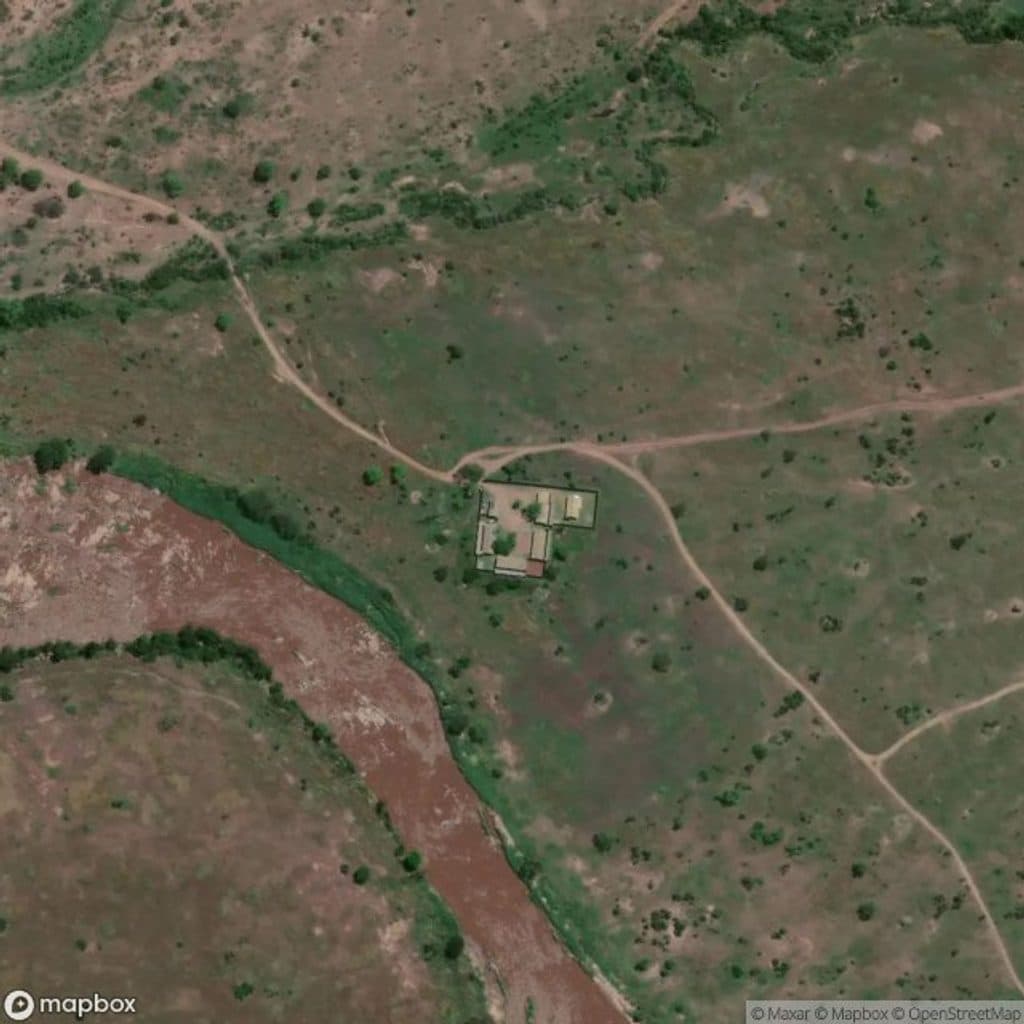
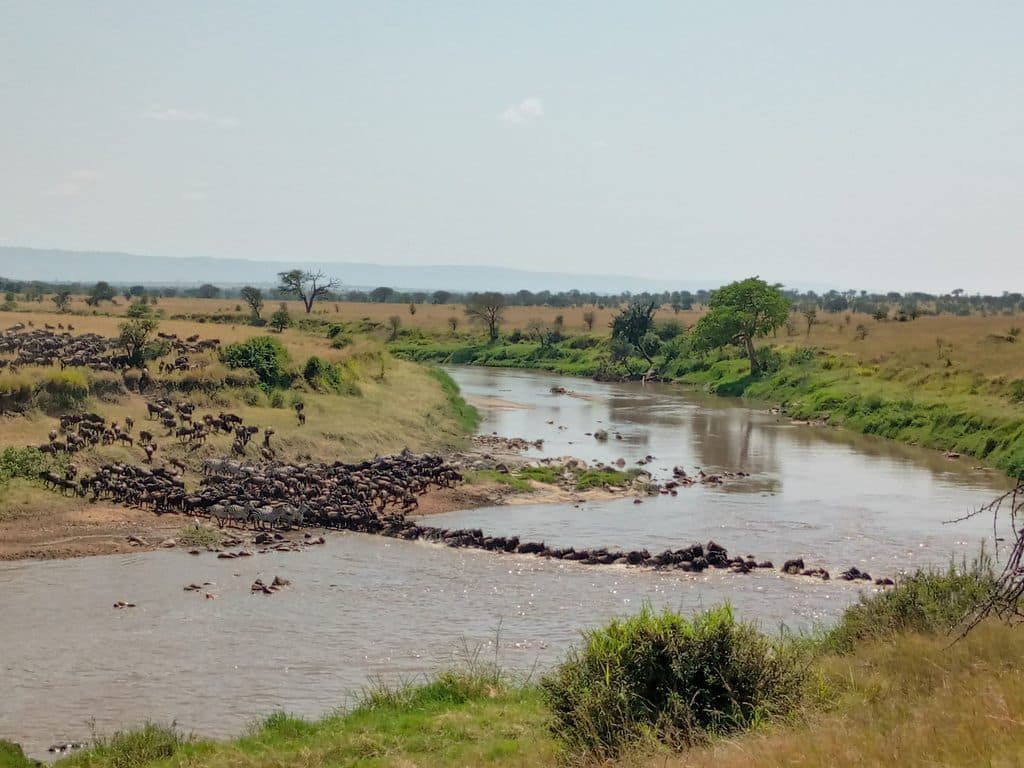
This stretch of the Mara River in Kogatende is where the Serengeti turns cinematic. From rocky, cliffy bends to open banks, you can station yourself at multiple known crossing points along a roughly 15 km section of river. When the herds commit, the scene is raw and riveting—plumes of dust, frantic splashes, and crocodiles lying in wait.

What You’ll See

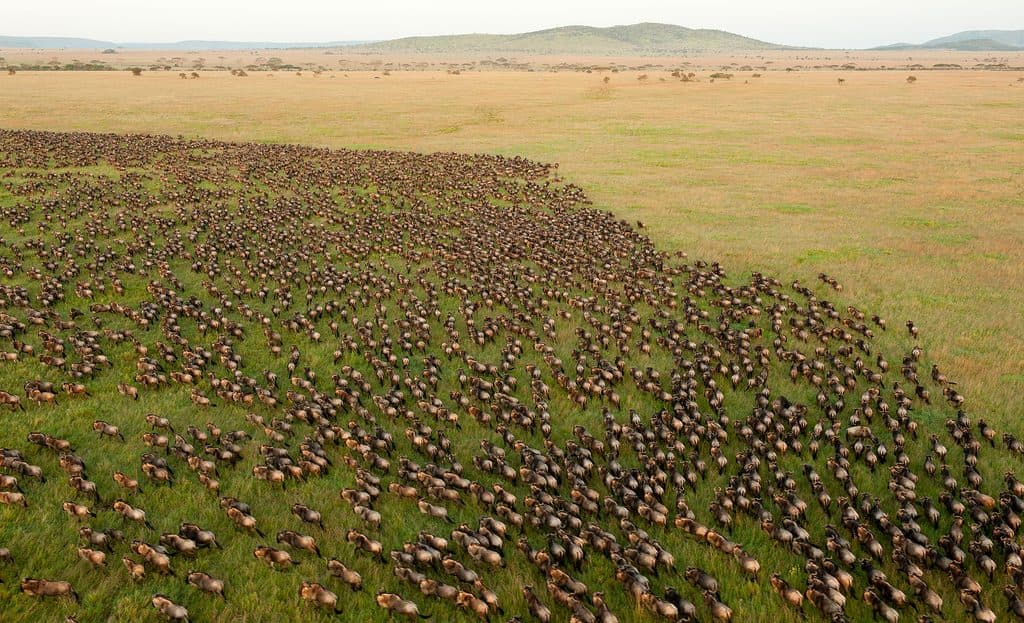
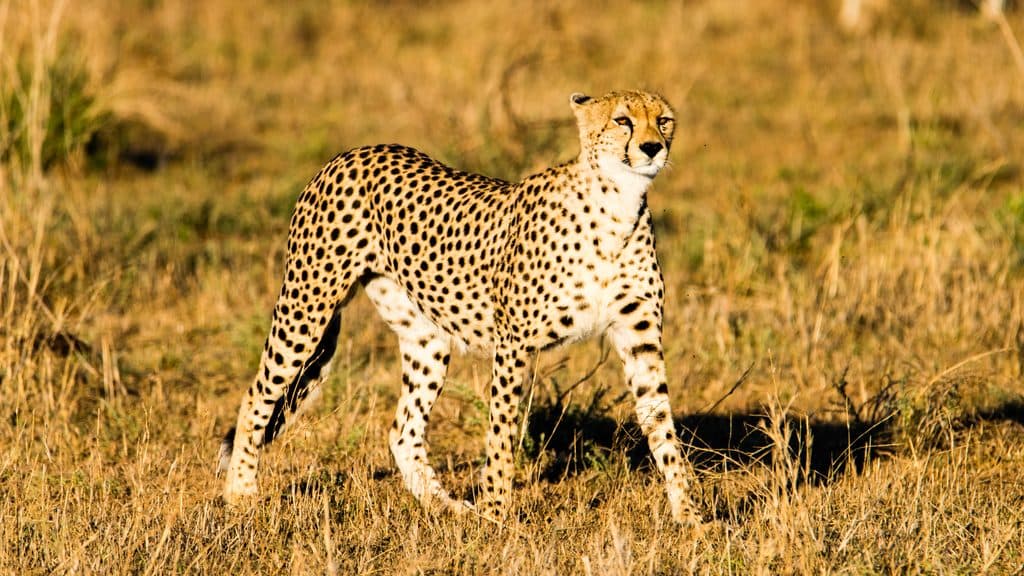
From late July through October, this is prime territory to witness wildebeest and zebras braving the currents. Hippos grunt from pools, crocodiles patrol, and predators work the flanks. Even outside the migration, Kogatende delivers: lions, leopards, elephants, giraffes, buffalo, hyenas, and cheetahs are regularly encountered, with occasional sightings of wild dogs; black rhino are present but very scarce. Birders score raptors and water birds, and nearby kopjes (like Wogakuria) add klipspringers, baboons, and resident big cats to the mix.

How a Crossing Day Works

There’s no timetable. Herds build, hesitate, surge, and sometimes bail at the last second. Plan to wait—sometimes hours. A smart guide will rotate between viewpoints, read wind and herd behavior, and keep you poised without burning the whole day on one bluff. Full‑day drives with bush breakfasts/lunches are the way to go.

Best Time to Visit

  • Peak crossings: late July–October.
  • Light and crowds: early and late afternoon give kinder light on the water and (usually) fewer vehicles than the mid‑day crush.
  • Off‑season: November–June brings fewer vehicles and still excellent resident game.

Getting There

Daily flights serve Kogatende Airstrip, putting you within striking distance of the main crossing points. Overland access is possible (long and bumpy) from the central Serengeti or from farther south; many travelers mix a fly‑in with game drives between regions.

Safety and Etiquette

Stay well back from the lip—banks can crumble, and hippos/crocs own the water. Follow your guide’s positioning, keep noise down when herds stage, and be ready to move quickly when things kick off.

Facilities

Don’t expect facilities on the banks themselves. Use basic facilities at designated picnic sites, the airstrip area, or your camp before settling in for a stakeout.

Photography Tips

A beanbag beats a tripod in the vehicle. Mid‑range zooms cover most action; a longer lens helps for distant crossings. Dust protection is essential, and binoculars (8–10x) make the waiting far more rewarding.

Pros

  • Best vantage points for dramatic Great Migration river crossings
  • Excellent year‑round predator and big‑game viewing

Cons

  • Crossings are unpredictable and often require long waits
  • No public restrooms on the riverbanks themselves

Tips

  • Plan 3–4 nights in Kogatende to maximize crossing chances.
  • Pack bush breakfasts and lunches for long river stakeouts.
  • Ask your guide to rotate viewpoints and read herd behavior.
  • Bring 8–10x binoculars and a beanbag for sharper photos.
  • Schedule restroom stops at the airstrip or picnic sites before sessions.
The Parkwolf tour guide sitting on a phone mounted in a car

Parkwolf Tour Guide

Like a tour guide in your car.

Save the places you found around Serengeti, then let Parkwolf guide the drive between them.Download Parkwolf on the App Store