Place · 0.2 mi away

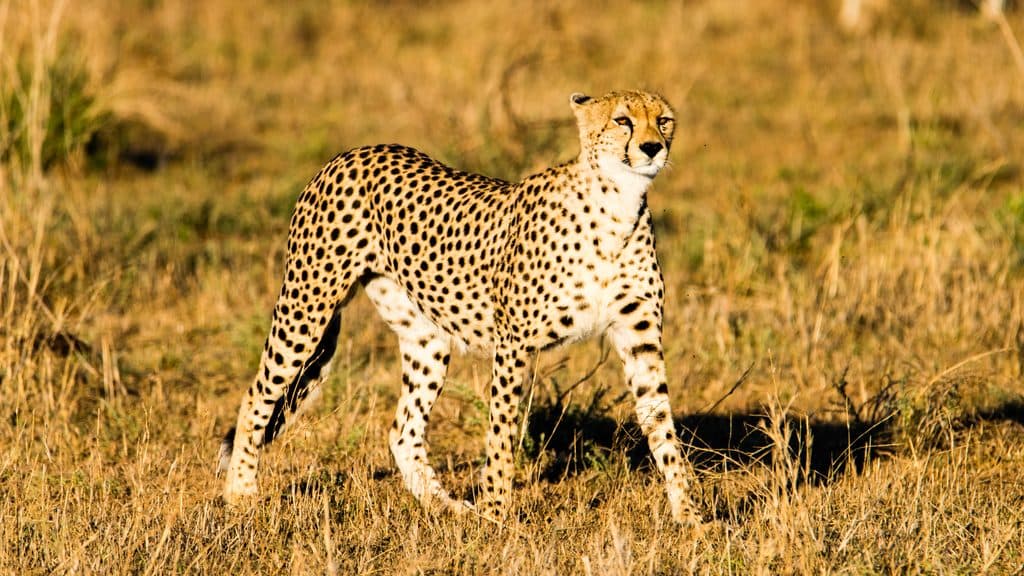
Seronera is the beating heart of the central Serengeti: classic acacia‑studded plains, granite kopjes, and watercourses that keep wildlife here all year. It’s often dubbed the predator capital, with reliable lion, leopard, and cheetah viewing—plus elephants, buffalo, giraffe, hippos, hyenas, and more.
Kopjes—ancient granite outcrops—dot the grass sea and concentrate life. Nearby standouts include Moru (with Maasai rock art and frequent lions/cheetahs), Simba (true to its name, a lion favorite), Gol (cheetah country), and Maasai Kopjes. These rock islands collect moisture and offer shade, lookout perches, and photo‑friendly drama.
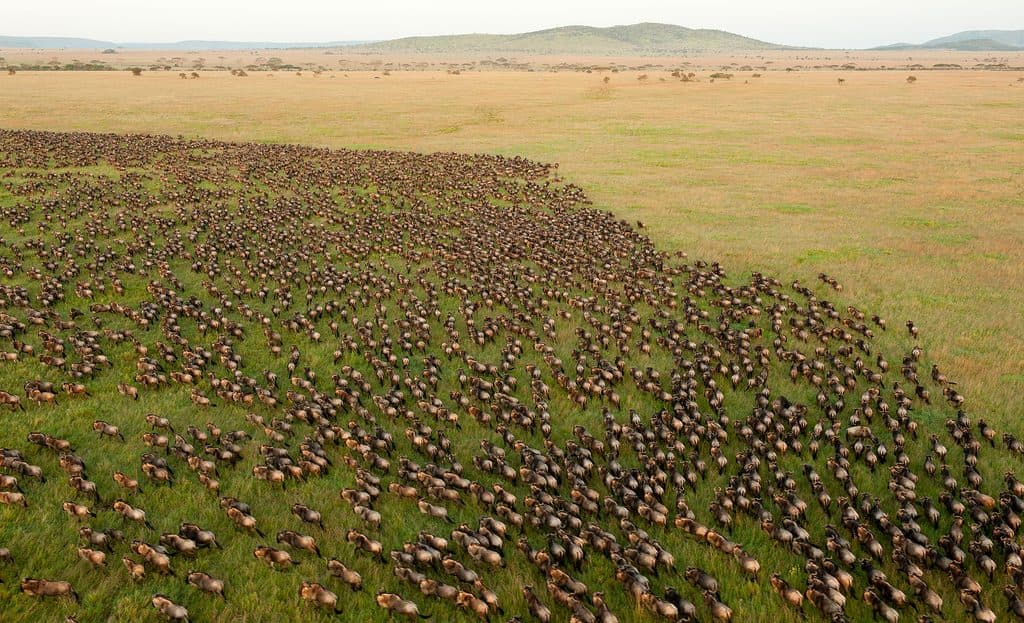
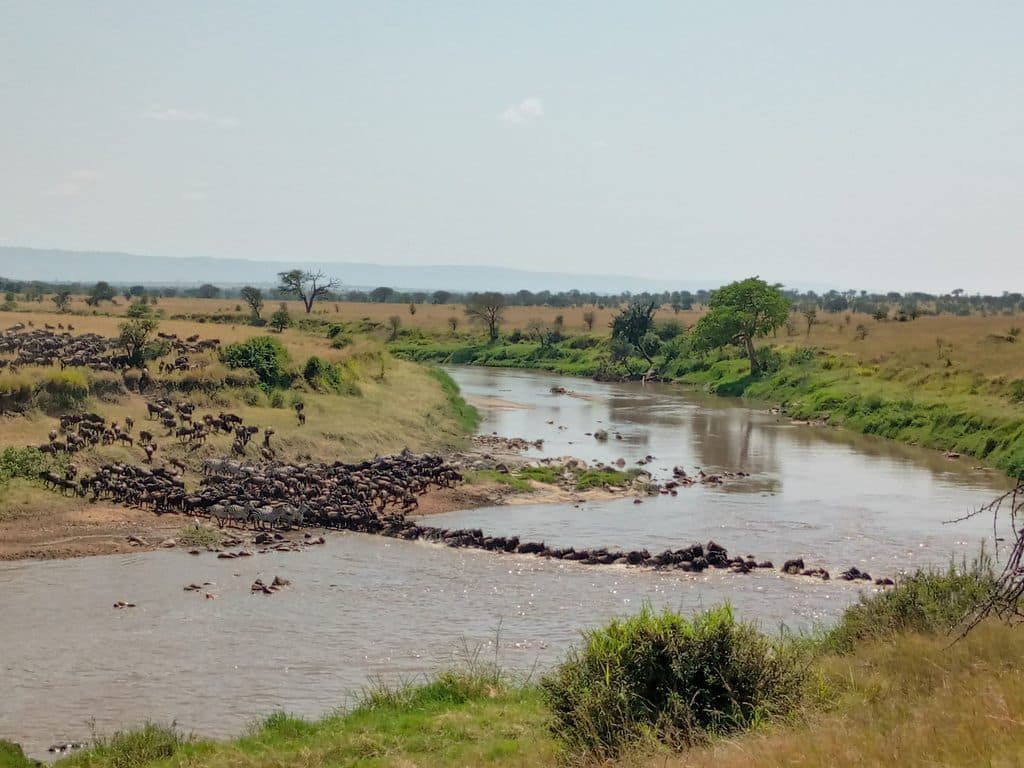
There’s no bad month here. The dry season (June–October) makes spotting easier and days are mild—about 59–81°F (15–27°C). Short rains arrive in November; the long rains run March–May with temps around 82°F (28°C). For migration herds around Seronera itself, target April–June and October–December. Regardless of month, plan dawn and late‑afternoon drives for the best light, behavior, and photos.

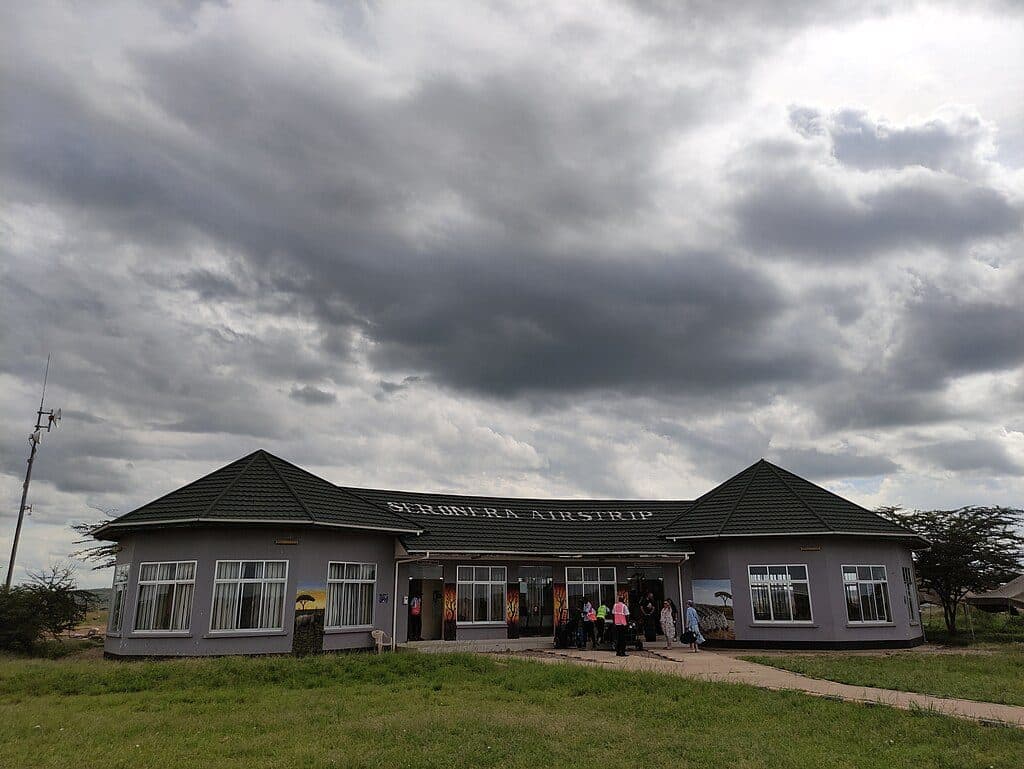
Seronera is the park’s air hub, with regular flights from Arusha, Kilimanjaro, and Dar es Salaam to Seronera Airstrip. Overland from Arusha is a full 6–7‑hour push. You’ll find everything from classic lodges built into kopjes to tented camps; staying 2–3 nights lets you work different habitats without rushing.
This is a popular area, so big‑cat sightings can stack vehicles. Ask your guide to work less‑visited kopjes or linger after the initial rush. After rains, black‑cotton clays get greasy—trust local route advice. Away from lodges, facilities can be basic; the visitor center area is a reliable pit stop.