Grumeti River

Quieter migration crossings with crocs, hippos, and lion drama
Grumeti River, Serengeti National Park
InsideSerengeti National Park

Overview

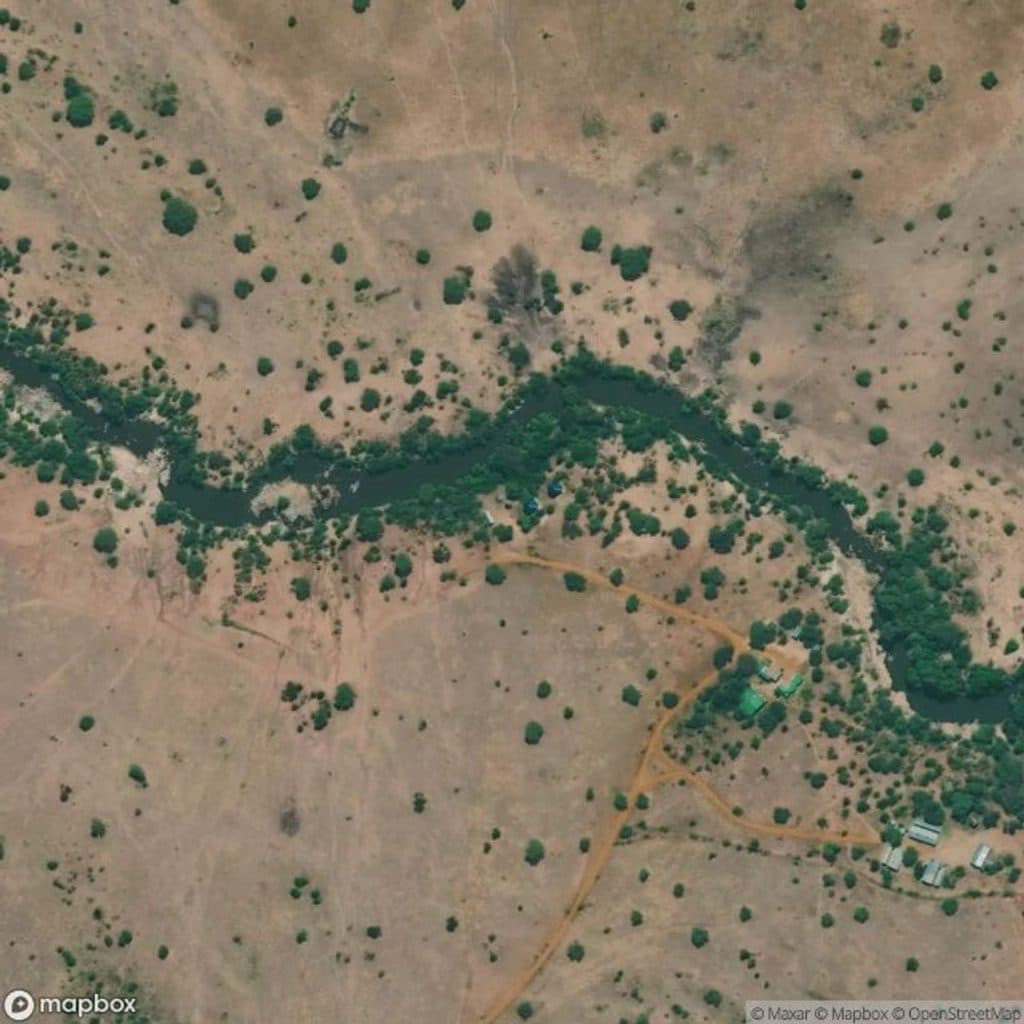
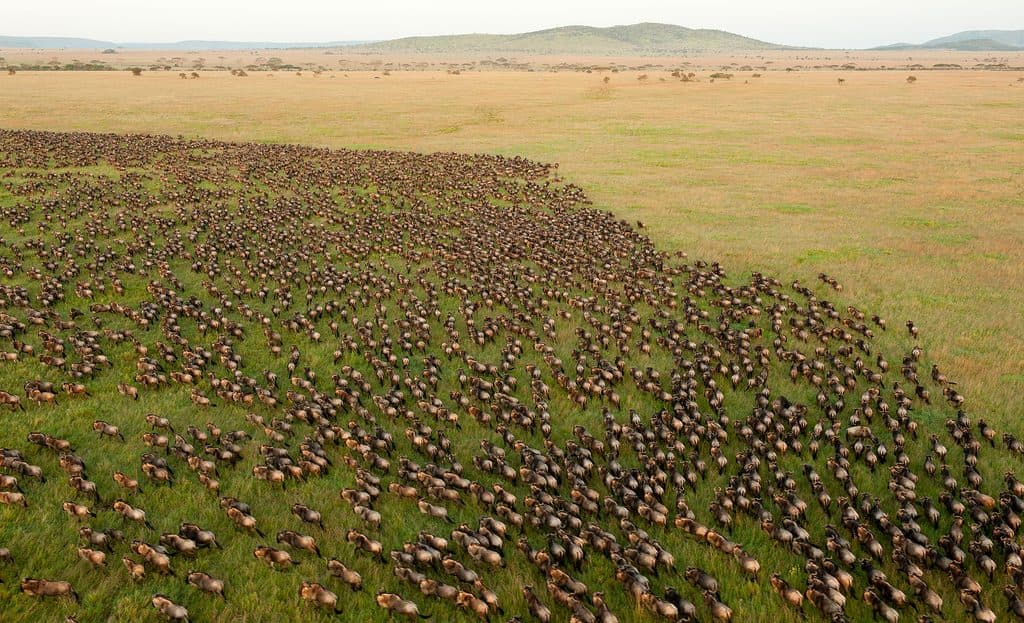
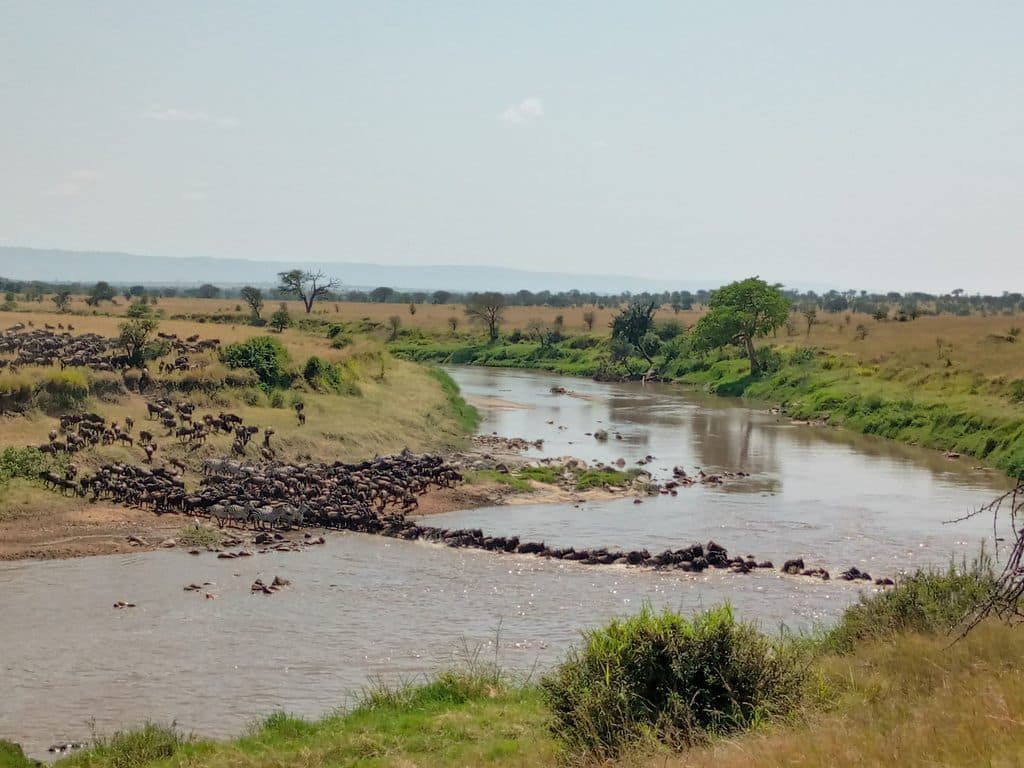
Set in the Serengeti’s Western Corridor, the Grumeti River is a front‑row seat to the Great Migration—often just as intense as the Mara but typically with far fewer vehicles. Expect a wilder, more intimate feel as herds bunch on the banks, hesitate, then pour into the water.

Wildlife Highlights

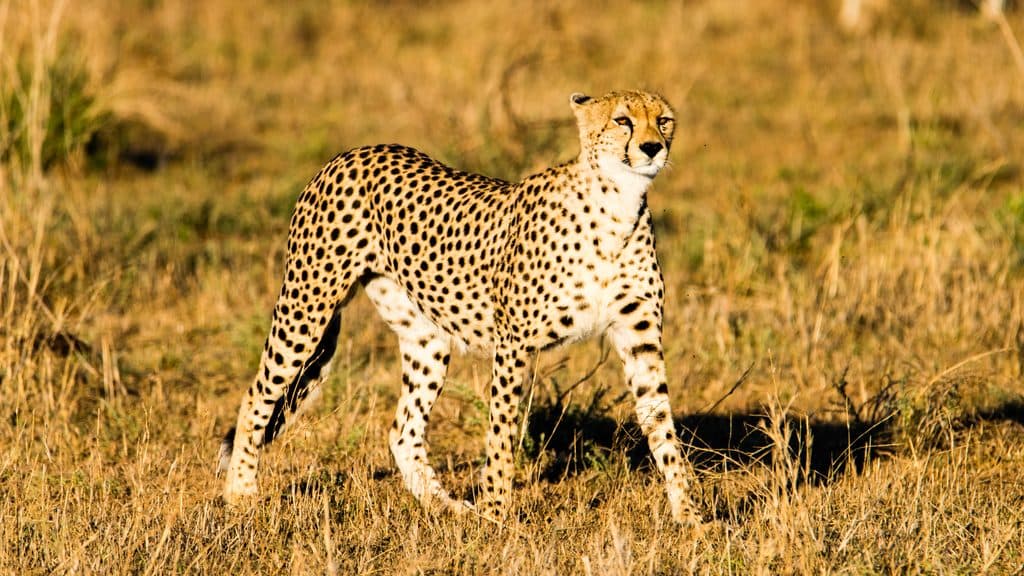
This is classic predator country. The river is known for hefty Nile crocodiles staking out crossing points, while big cats (lions, leopards, cheetahs) and hyenas work the surrounding plains. Hippos are a fixture in the pools, and riverine forests shelter giraffe, elephant, and even black‑and‑white colobus monkeys.

The Crossing Experience

Crossings here are narrower and flatter than on the Mara, but no less dramatic—chaotic splashes, dust, and the chorus of gnu calls. Large lion prides operate in the broader Grumeti area, adding to the drama before and after the river gauntlet.

Beyond the Migration

Even when the mega‑herds move on, the Western Corridor stays productive. Broken savannah south of the river holds a variety of grazers, while open grasslands to the north are good for cheetah sightings. The river’s floodplains and patchy flow concentrate wildlife around remaining water.

Practicalities

This is a remote section of the park with minimal public infrastructure. Public/special campsites near the Grumeti have no facilities—no toilets, no running water, no trash bins—so you’ll need to be fully self‑sufficient and pack everything out. There aren’t public parking lots at the river; stay on established tracks and park only at designated areas or your camp/lodge. Toilets and showers are available at public camps and at Seronera facilities during game‑drive loops. High‑end lodges and mobile camps operate seasonally along the corridor; some nearby private reserves allow walking safaris and night drives, which are typically restricted inside the park.

Best Time to Visit

Late May through July is prime time as the migration pushes through; June is especially active thanks to the wildebeest rut. If you’re chasing crossings without the circus atmosphere, this corridor is a smart bet. Outside these months, expect solid resident game viewing focused around the river’s remaining water.


Pros

  • Prime Great Migration crossings May–July with fewer vehicles
  • Big‑ticket predator action with large Nile crocodiles and lions
  • Reliable hippos and year‑round wildlife along riverine forests

Cons

  • Seasonal river—crossings and sightings aren’t guaranteed outside peak months
  • No dedicated parking or public restrooms at the river; camps are basic

Tips

  • Aim for late May–July; June is often the most active month.
  • If camping, bring all water and a toilet solution—there are no facilities.
  • There’s no public parking at the river; stay on established tracks.
  • Plan restroom stops at public camps or Seronera facilities during drives.
  • Don’t count on resupply; fuel and shops inside the park are unreliable.
The Parkwolf tour guide sitting on a phone mounted in a car

Parkwolf Tour Guide

Like a tour guide in your car.

Save the places you found around Serengeti, then let Parkwolf guide the drive between them.Download Parkwolf on the App Store