Place · 1.4 mi away

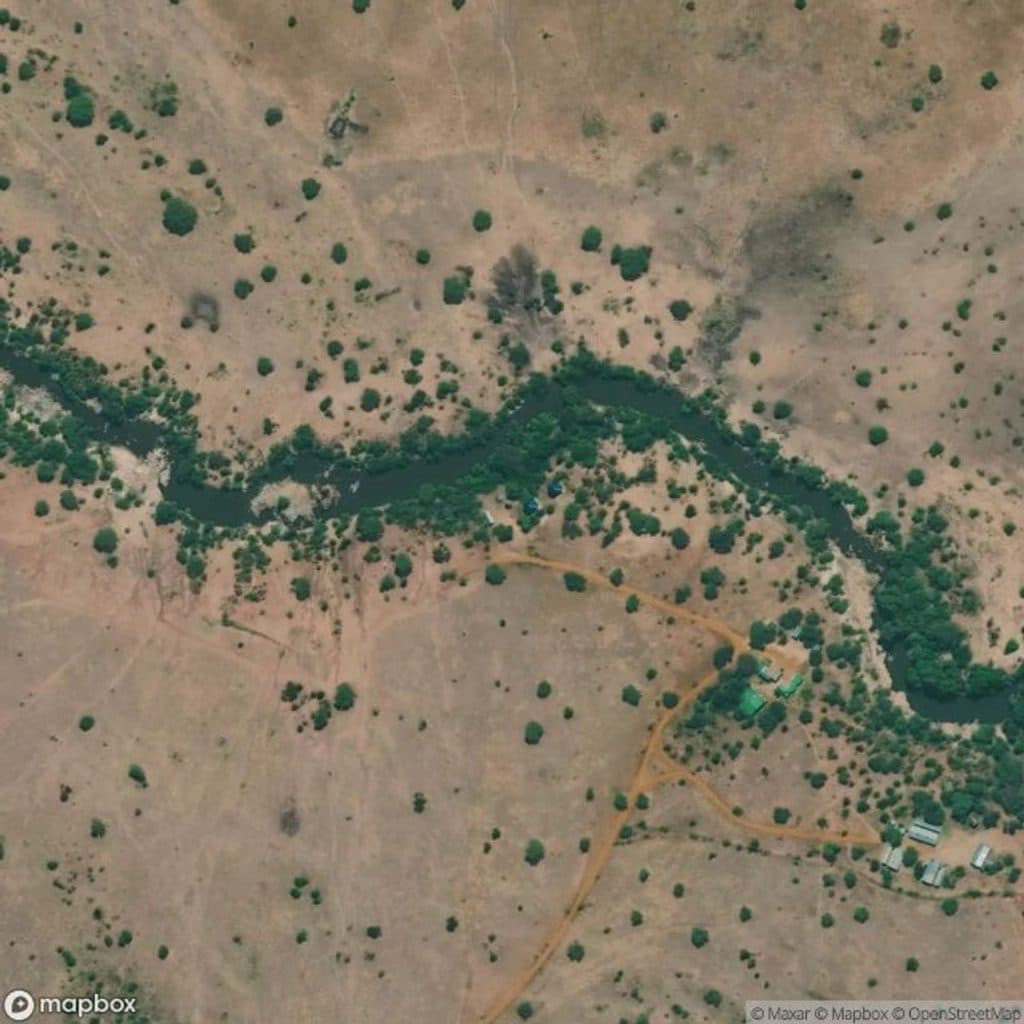
The Grumeti River Lookout isn’t a single platform so much as a set of natural vantage spots along the riverbanks and nearby kopjes in the Western Corridor. Guides move you to the safest, legal viewpoints where herds are massing, which keeps the experience intimate and far less crowded than the Mara.
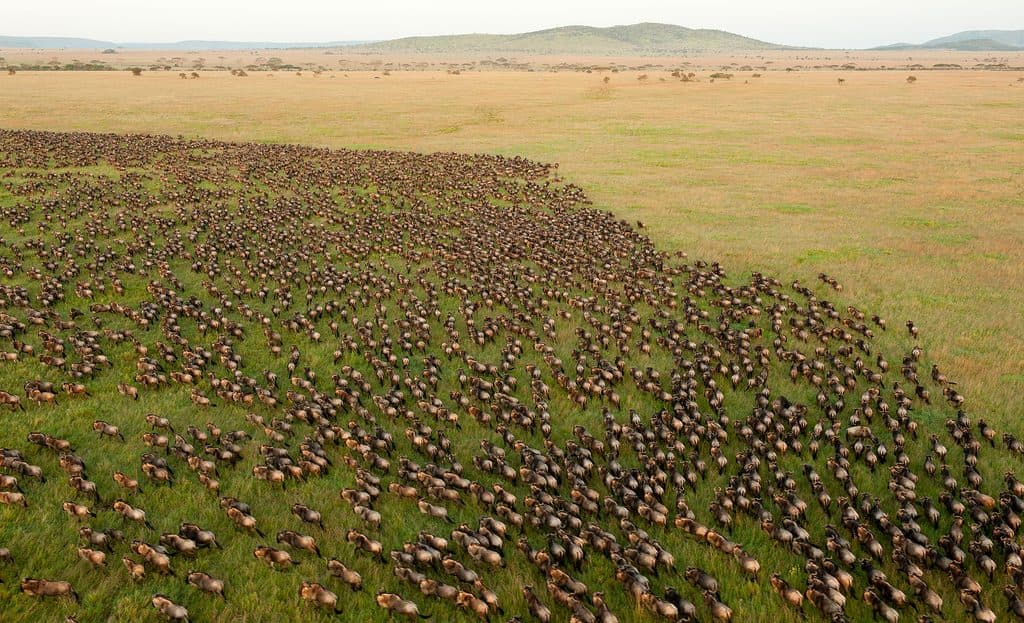
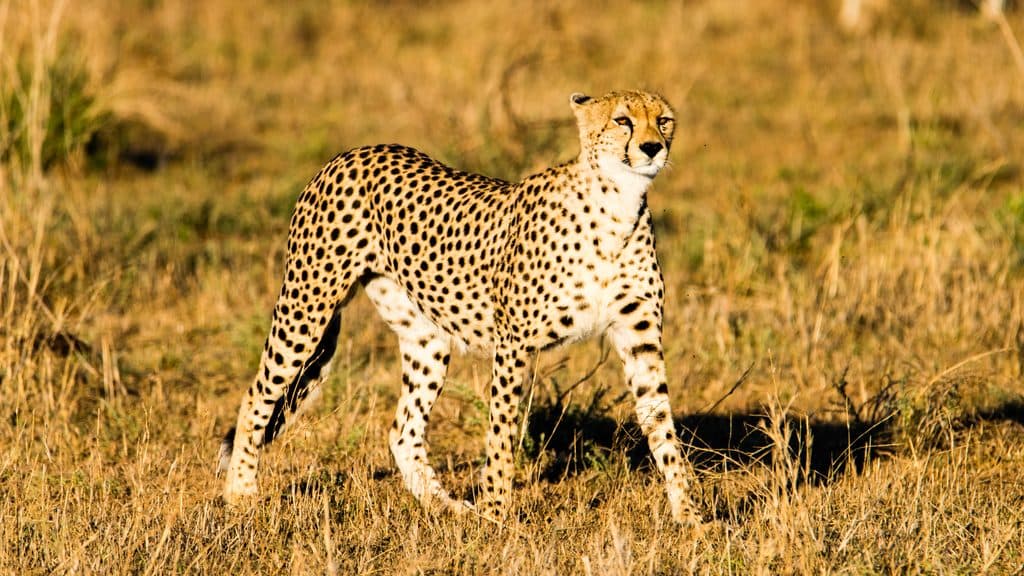
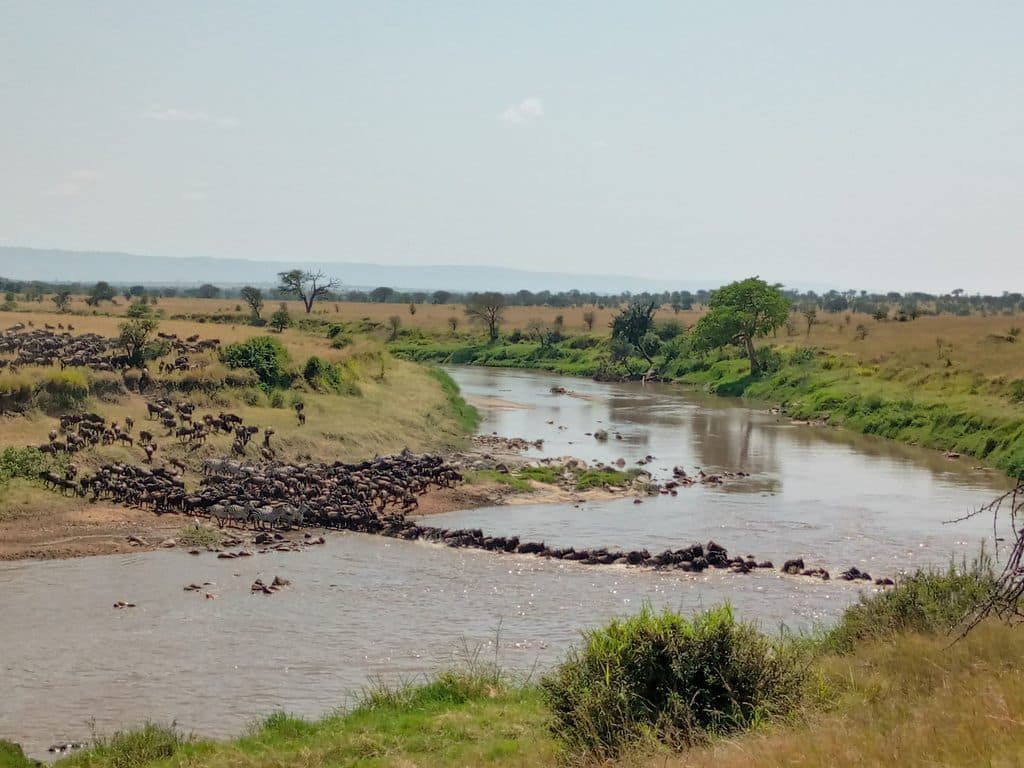
When the Great Migration hits this corridor, wildebeest and zebra bunch at the banks before braving deep water guarded by outsized Nile crocodiles. Even outside crossing days, you can encounter hippos, predators working the riverine fringe, and rewarding birdlife including storks, herons, and kingfishers.
There isn’t a fixed “lookout” signpost—your guide will position you along likely entry or exit points or up on a kopje. Expect a stake‑out approach: wait, watch herd behavior, then reposition if the action shifts. Crossings can start—or fizzle—without much warning.
For crossings, aim for late May through July when the migration typically moves through the Western Corridor. Sunrise and sunset light are gorgeous on the river bends. Birding pops in the wet seasons (October–December and March–May). Note that the long rains (roughly March to early June) can bring mud and slower travel. Balloon flights generally operate June–August and give superb context over the river loops if winds and water levels cooperate.

Facilities right at the viewpoints are minimal—no public restrooms. In the Kirawira area you’ll find picnic spots and even a pedestrian suspension bridge, so many travelers bring packed lunches and make a day of it.
The Western Corridor sits a 3–4 hour drive from central Serengeti/Seronera, or you can fly into the Grumeti airstrips and transfer by vehicle. Fewer camps operate here than in central/northern Serengeti, so book early in migration season.
A zoom lens and binoculars are essential across broad river channels. Dust and rain covers help in mixed weather, and patience is your secret weapon—great sequences often reward those who wait.