
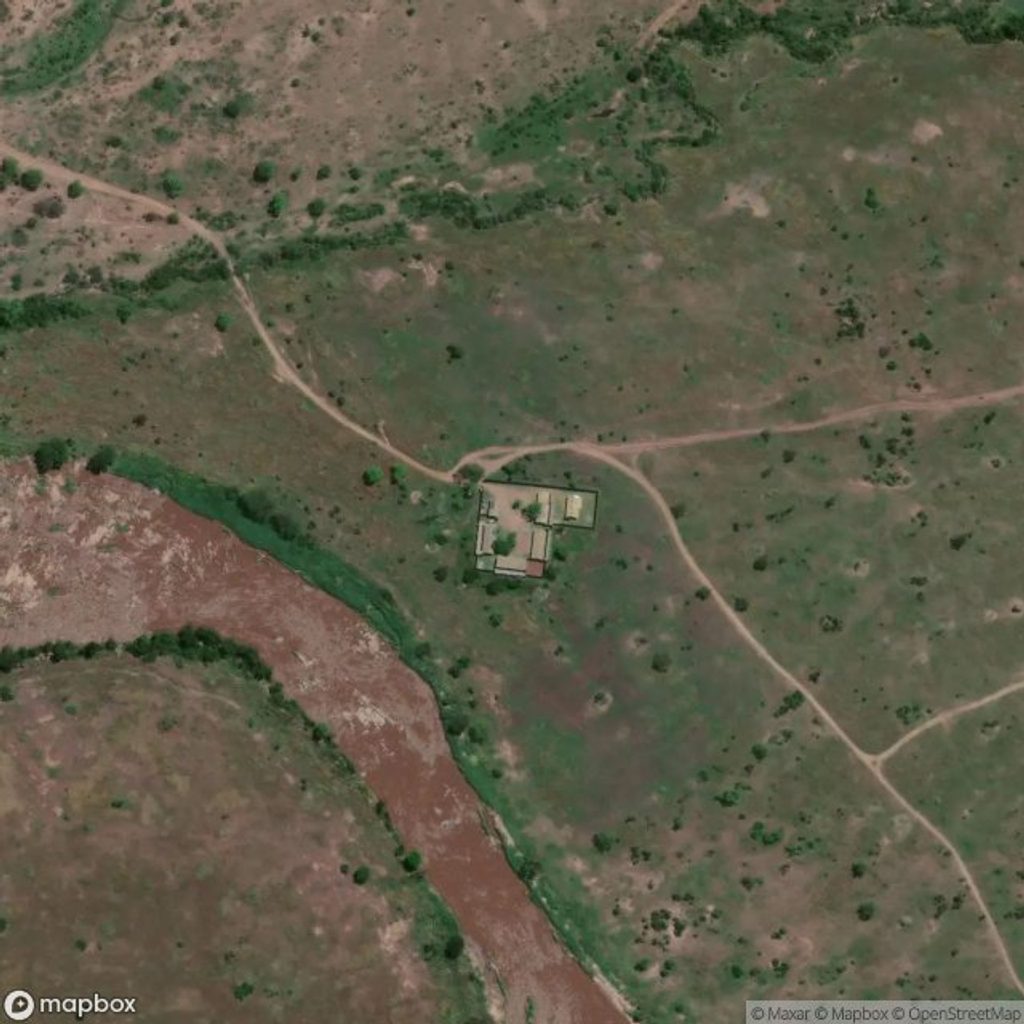
Place · 0.9 mi away
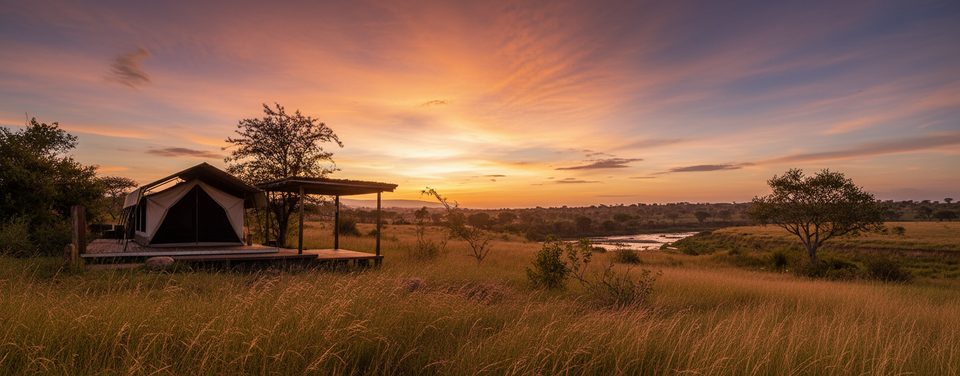
Tucked into the far north, the Lamai Triangle (aka the Lamai Wedge) is a secluded slice bordered by the Mara River to the south and Kenya to the north. It was incorporated into the park in 1965 to curb poaching and hunting. The area feels wild and uncrowded thanks to limited access and only a handful of operators.
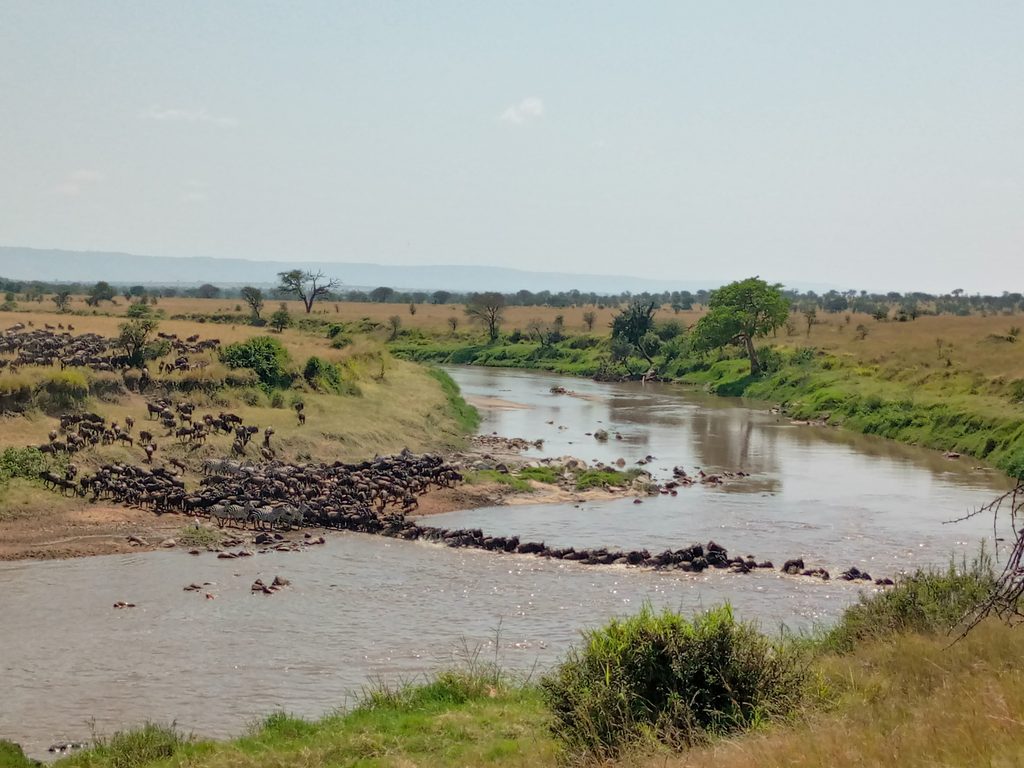
From July to November, huge numbers of wildebeest and zebra pile into Lamai for water and fresh grazing—the region often rivals or even outnumbers the action across the border. This is classic river‑crossing country, yet with far fewer vehicles than the hotspots to the north.
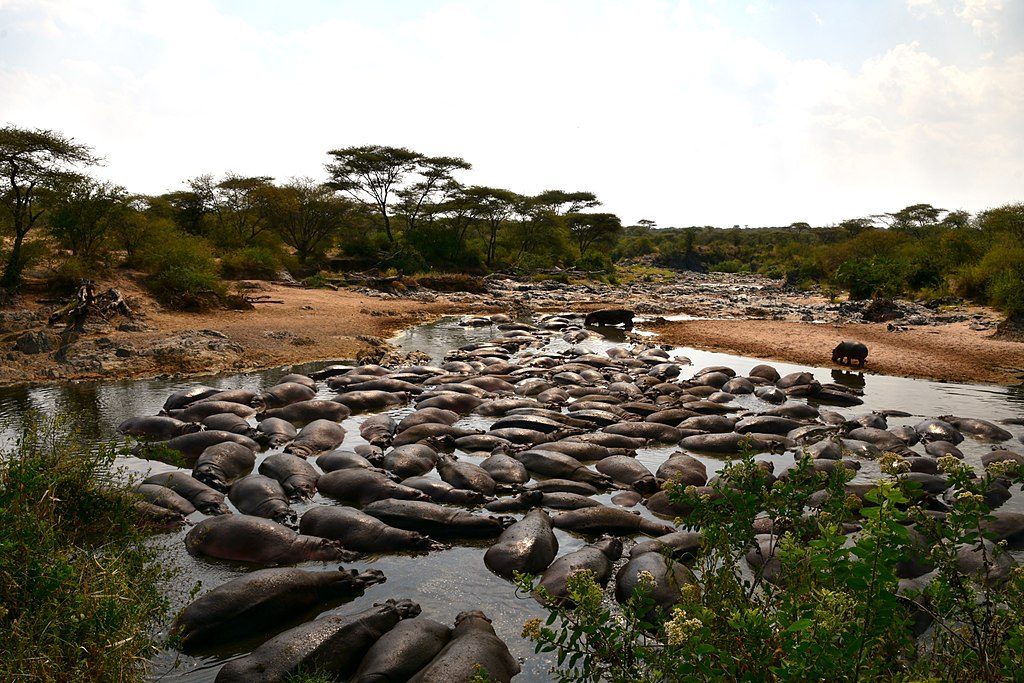
Year‑round residents keep game drives busy: lions, cheetahs, leopards, elephants, buffalo, giraffe, zebra, hippo, hyena, gazelles, eland, topi, warthog, jackal, vervet monkeys, olive baboons, crocodiles, and a variety of birds. Black rhino occur but are very rare here.
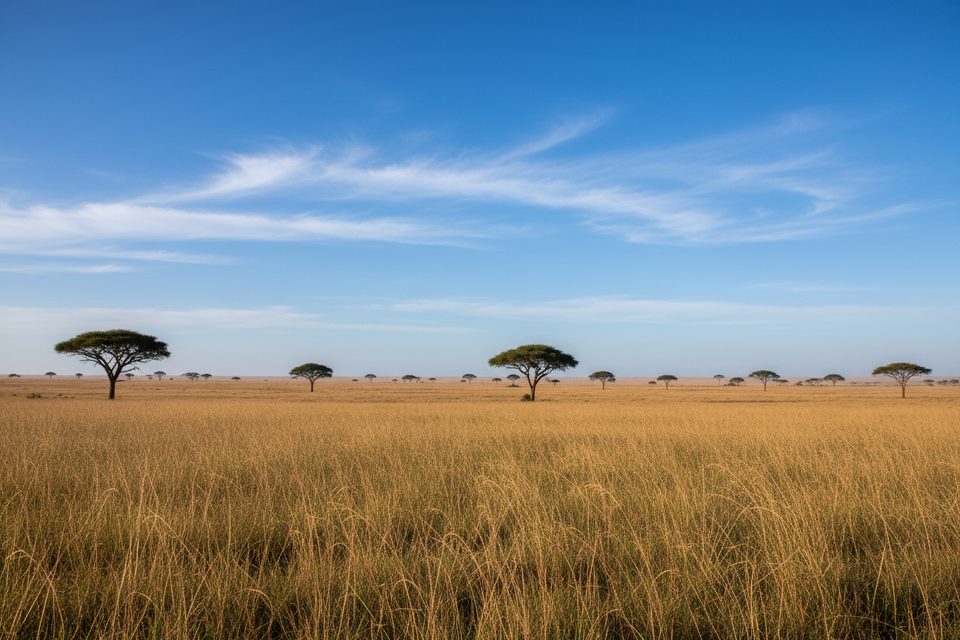
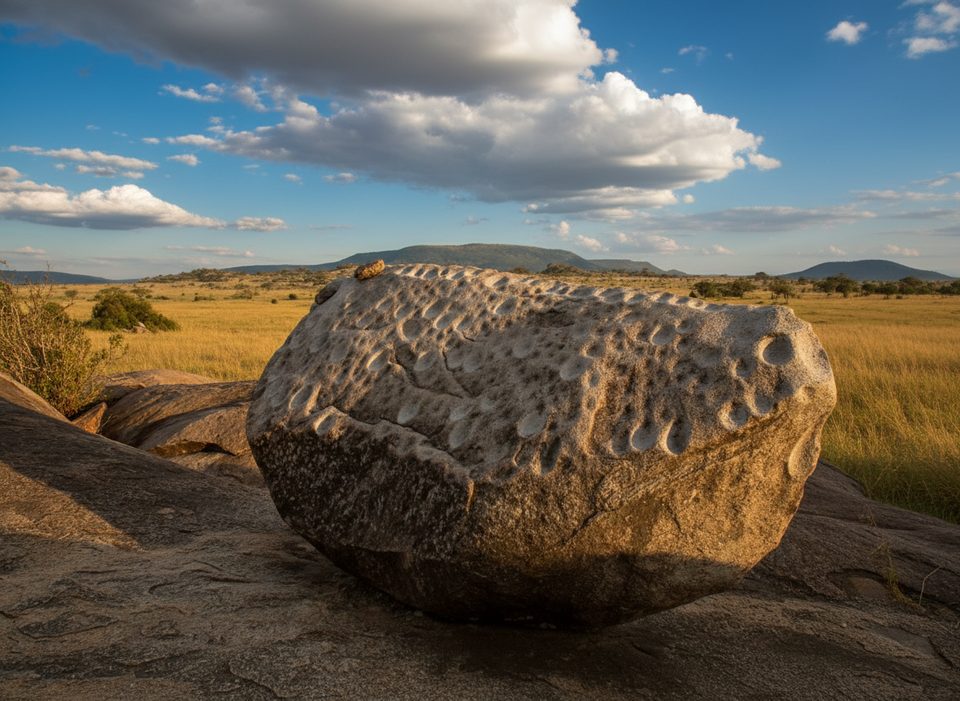
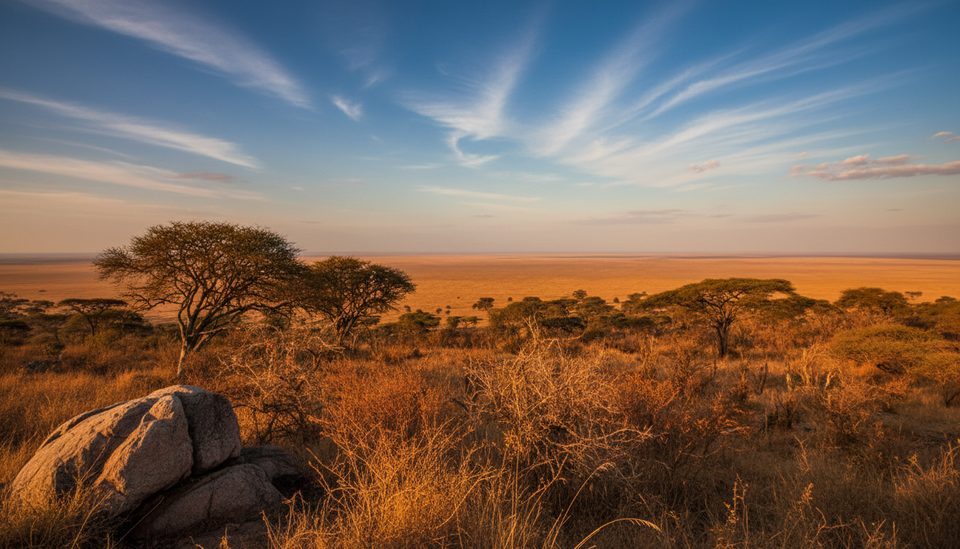
This corner is a Serengeti mosaic: rolling hills, open plains, riverine forest along the Mara (the ecosystem’s only permanent river), and granite kopjes that act as lookouts and hideouts for predators. It’s photogenic without the crowd pressure you might expect during peak migration months.
The Mara River limits entry; a small seasonal bridge is the main crossing point, which helps keep numbers down. Most visitors base at intimate tented camps or lodges positioned to reach multiple crossing points in different directions.
Expect proper bathrooms at lodges and usable (sometimes basic) facilities at picnic sites and at airstrips in the area; on long sightings or drives, discreet “bush stops” are normal—guides handle this safely and legally.
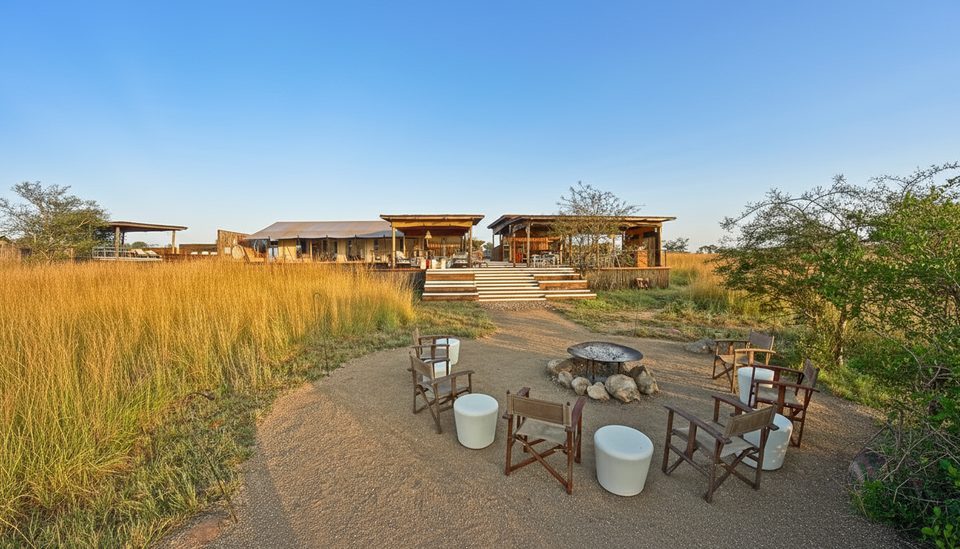
You’ll find everything from permanent luxury near the Mara River (e.g., Sayari, Lemala Kuria Hills, Bushtops, Nimali Mara, Singita Mara River Tented Camp) to seasonal/mobile camps that chase the herds (Olakira, Nomad Serengeti Safari Camp, Serengeti Under Canvas, Lemala Mara–Ndutu, Mara Kati Kati). Lamai Serengeti and Lamai Private sit beautifully for broad views and quick access.
Place · 0.9 mi away
Place · 2.7 mi away
Place · 4 mi away
Place · 10.6 mi away
Easy · 51 mi away
Easy · 82.4 mi away
Easy · 90.1 mi away
Moderate

Parkwolf Tour Guide
