Sametu Kopjes

Granite islands drawing big cats and killer sunrise light
Sametu Kopjes, Serengeti National Park
InsideSerengeti National Park

Overview

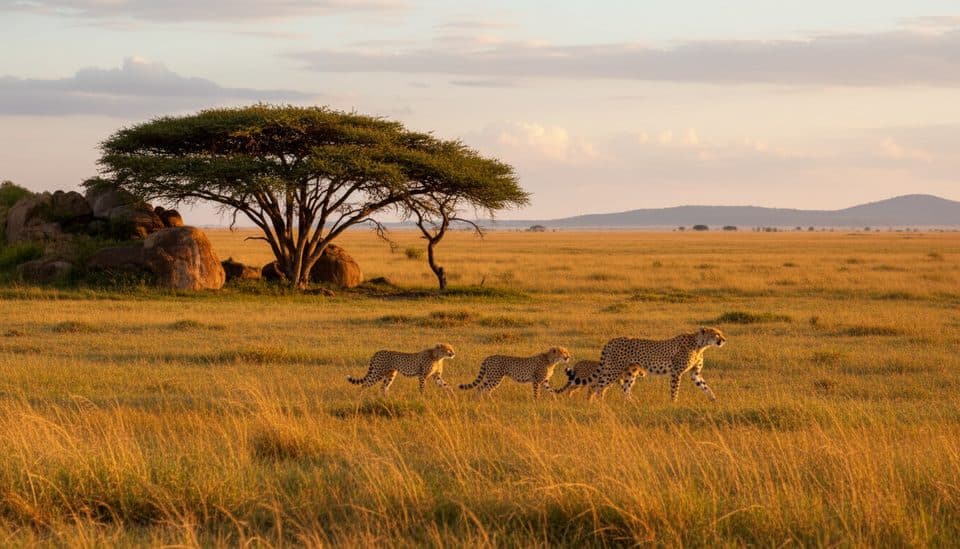
Sametu Kopjes are classic Serengeti granite inselbergs—"islands in a sea of grass"—that break up the eastern/central short‑grass plains near Sametu Marsh. They’re magnets for wildlife and superb natural viewpoints, which is why guides build kopje circuits into almost every game drive here.

Why kopjes matter

These rocks are the ancient tops of Precambrian granite, revealed as softer surrounding layers eroded away. Heat‑and‑cool cycles and wind sculpted the rounded, stacked forms you see today. Kopjes retain moisture, harbor plants you won’t find in the open plains, and provide shady crevices, den sites, and elevated lookouts. The result: mini‑ecosystems that concentrate life.

Wildlife highlights

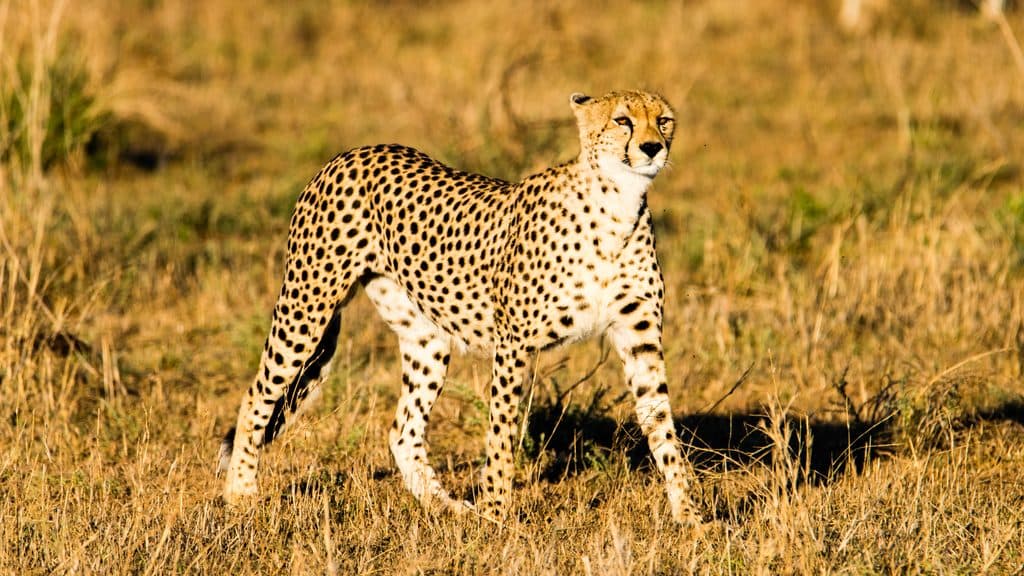
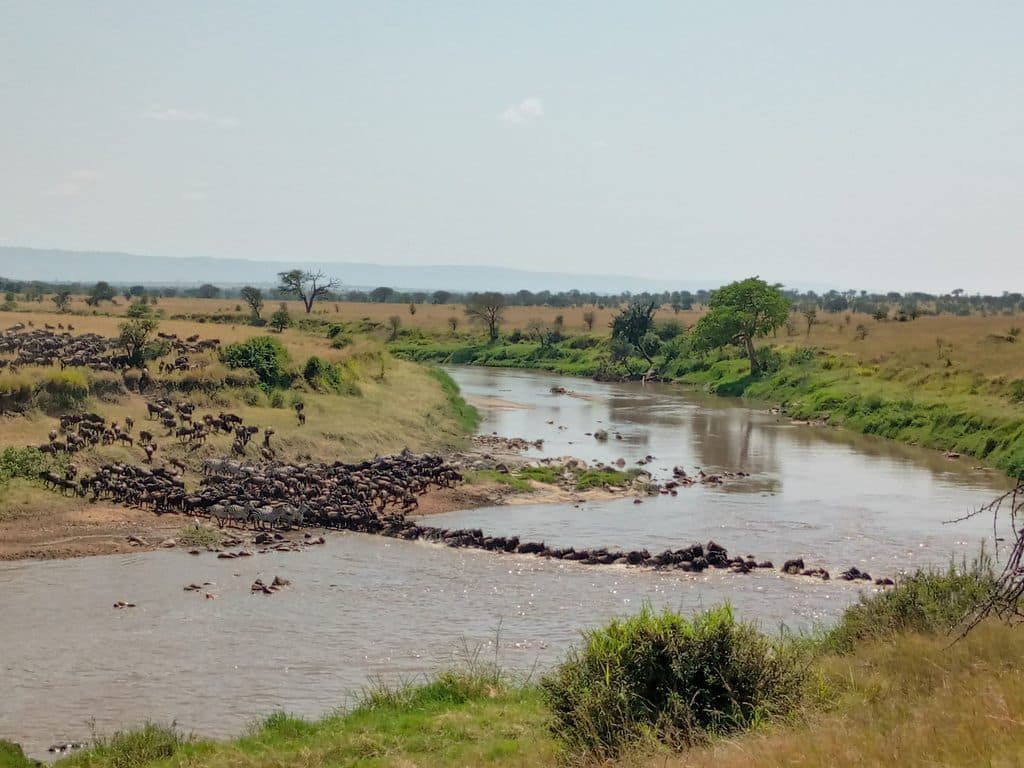
If you’re hunting for predators (with your camera), this is prime ground. Lions, cheetahs, and leopards regularly use the boulders for vantage and denning. Around the kopjes you can also encounter caracal and African wild cat, plus black‑backed jackal and spotted hyena. Plains game—Thomson’s and Grant’s gazelles, reedbuck and waterbuck—work the edges, while Sametu Marsh adds hippo, buffalo and giraffe to the mix. Overhead, watch for raptors riding kopje updrafts: black‑shouldered kites and greater/lesser kestrels. Ostrich stride the nearby flats.

How to visit

Game tracks typically loop around individual kopjes so you can change angles and backgrounds without leaving the vehicle. Stay on established tracks and skip scrambling on the rocks—those cracks and caves are active den sites. If a crowd gathers, ask your guide to work adjacent kopjes; patience at a single outcrop often beats chasing radio chatter.

Photography playbook

Work the bookends of the day: sunrise and late‑afternoon paint the granite gold, and silhouettes pop against colorful skies. After storms, low, angled light can be spectacular. Circle slowly to match light and wind; breezier moments are great for kettles of kestrels and kites.

Best times to visit

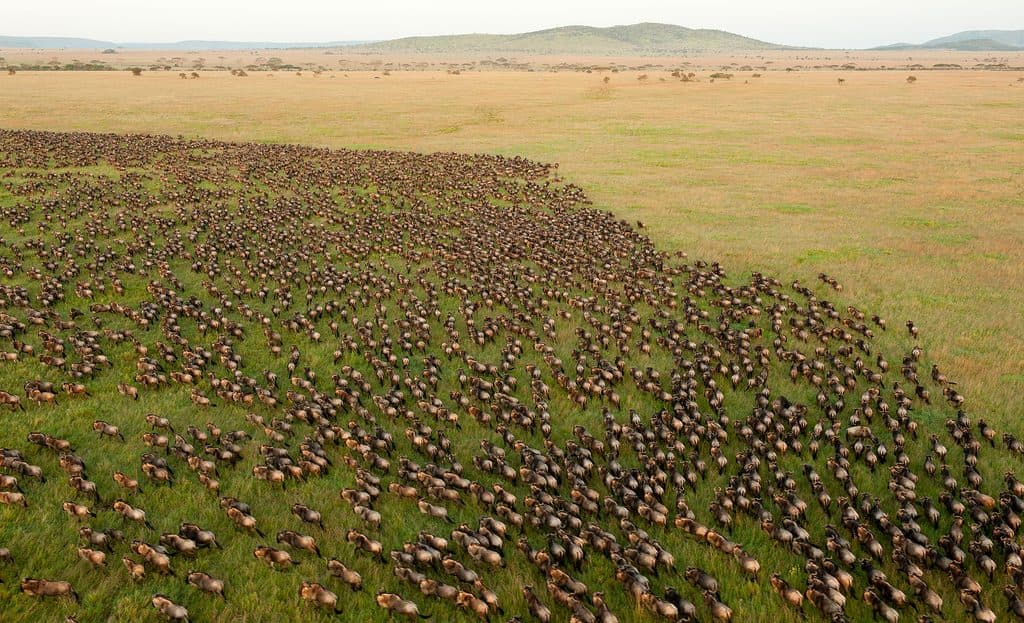
  • Jan–Apr (green season): Migratory wildebeest, zebra and gazelles push onto the eastern plains; cheetah action is frequent around the kopjes and nearby marsh.
  • Jul–Oct (dry season): Classic big‑cat time with clear conditions; lions and leopards work the rocks consistently.
  • Nov–Dec: Southbound migration returns, mixing predators with fresh herds.

For any month, aim to arrive at first light and again for golden hour; midday is hotter, flatter light and typically busier.

Etiquette and safety

Keep limbs inside the vehicle near predators, never approach on foot, and let dens be. In the rains, expect some tracks to be muddy or briefly flooded—experienced guiding and the quieter back loops make all the difference.

Pros

  • Reliable big‑cat viewing with natural lookout perches
  • Beautiful sunrise/sunset light on dramatic granite outcrops
  • Year‑round wildlife thanks to nearby Sametu Marsh and short‑grass plains

Cons

  • Vehicle clusters can form on main tracks; use back loops to avoid crowds
  • Wet‑season rains can flood or rut tracks, limiting access

Tips

  • Be on site at first light for your best chance at leopard movement.
  • Drive the full loop around each kopje to change backgrounds and angles.
  • If vehicles pile up, ask your guide to work adjacent kopjes for cleaner views.
  • In the wet season, expect muddy or flooded tracks—plan extra time and flexibility.
  • Bring a long lens and a beanbag/window support; raptors often soar on kopje updrafts.
The Parkwolf tour guide sitting on a phone mounted in a car

Parkwolf Tour Guide

Like a tour guide in your car.

Save the places you found around Serengeti, then let Parkwolf guide the drive between them.Download Parkwolf on the App Store