
Place · 0.2 mi away
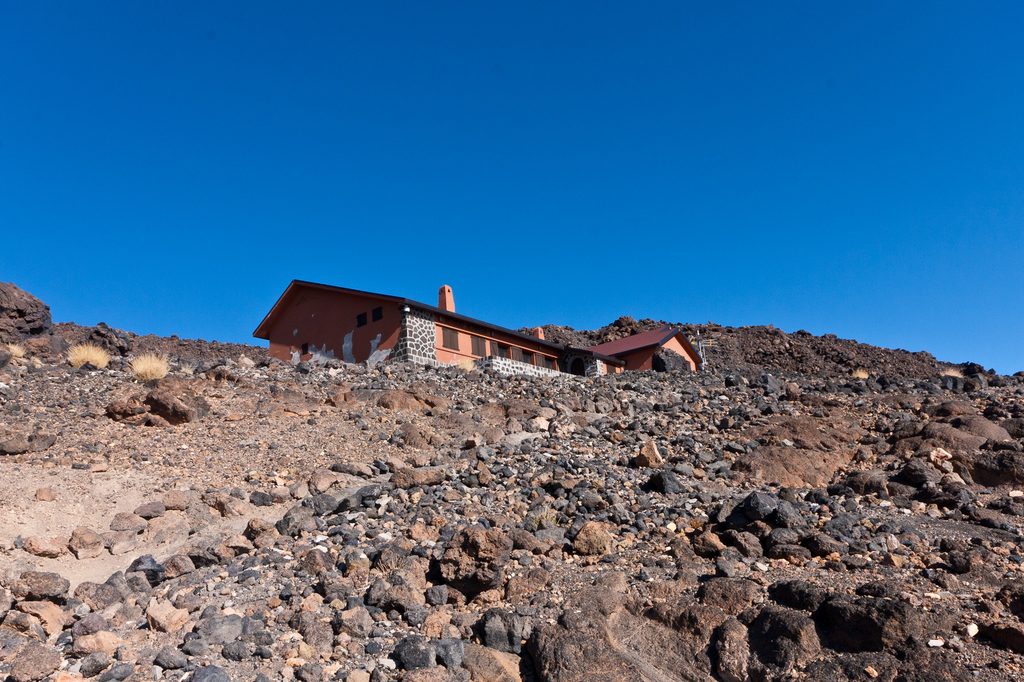
Perched at 3,260 m, Altavista Mountain Refuge is the classic stopover for hikers aiming to greet sunrise from Spain’s highest summit. It’s a historic shelter (opened in 1892, fully renovated in 2007) that has long offered a warm bed and a head start on the final climb. As of now, it remains closed until further notice, so treat it as a landmark on the route rather than a place to sleep.
Think functional, not fancy: three shared, heated dorms (54 beds) with bedding and duvets, toilets and washbasins (no showers), a kitchen for warming food, plus sales of hot/cold drinks and water. There’s also an infirmary/sick bay. Stays are limited to one night and require prior online reservation.
Most hikers reach the refuge via the Montaña Blanca footpath in roughly four hours, then budget about two more hours from the hut to the crater rim. The big draw is timing that final stretch for dawn. When the refuge operates, overnight guests who leave early could access the crater before 9:00 without the usual crater permit; after 9:00, a permit is required.
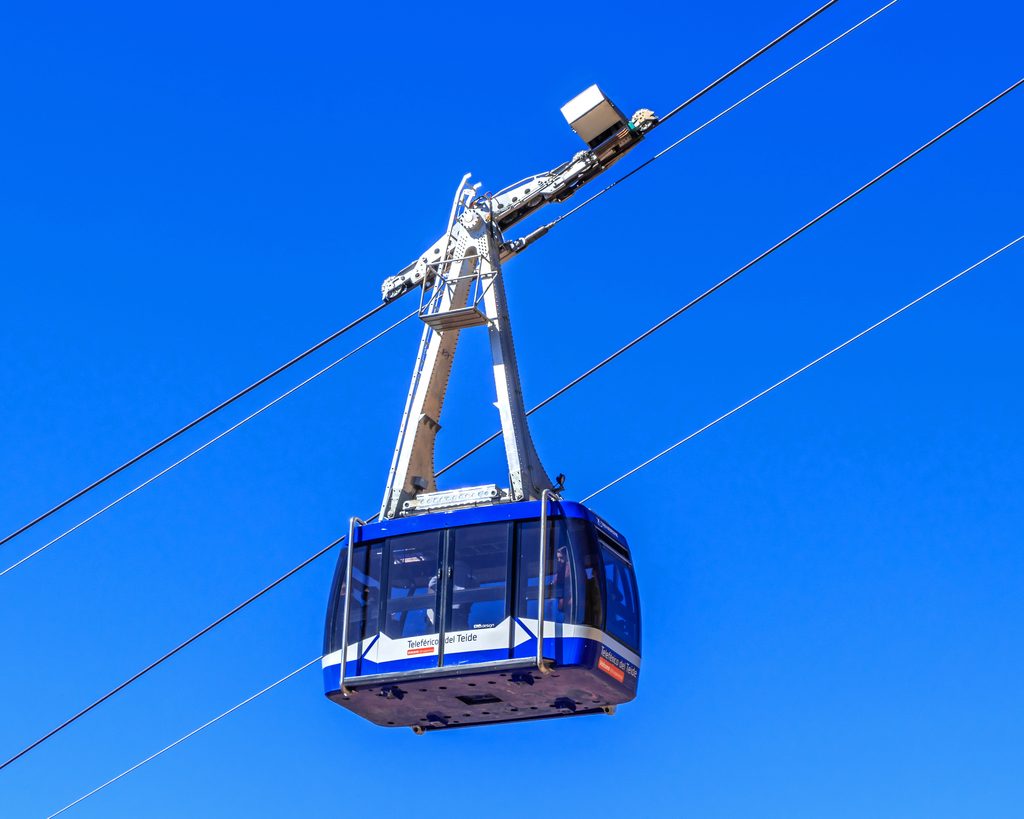
You can still reach the summit by booking a guided trip that includes the mandatory crater permit (often paired with cable car transport), or by arranging a private guided ascent on foot via Montaña Blanca. Self‑guided hikers must secure the crater permit separately.
Until the refuge reopens, a permitted vivac (bivouac) above 2,500 m is an option in designated areas tied to Teide, Montaña Blanca, Pico Viejo, and Montaña Guajara. Expect strict rules: no tents, gas stoves only, sunset‑to‑dawn setup, pack out all waste, and carry ID matching your permit. The Teide vivac area allows up to 15 people while the refuge is closed (reduced to 7 when it reopens). A bivouac permit does not include crater access—you still need the crater permit.
This spot shines for sunrise missions: when operating, most hikers time a pre‑dawn departure from the hut to catch first light from the top. If planning a climb while the hut remains closed, align your start with your permit window and the cable car/tour schedule, and be ready for alpine cold before dawn.
There are no natural water sources on the trail—carry everything. Weather swings are real at 3,000+ meters: strong sun by day, freezing winds by night. Bring warm layers, wind protection, and a headlamp; altitude can make everything feel a notch harder.
Place · 0.2 mi away
Place · 0.6 mi away
Place · 0.6 mi away
Place · 0.6 mi away
Easy · 0.6 mi away
Easy · 0.6 mi away
Challenging · 1.9 mi away
Moderate · 1.9 mi away

Parkwolf Tour Guide
