
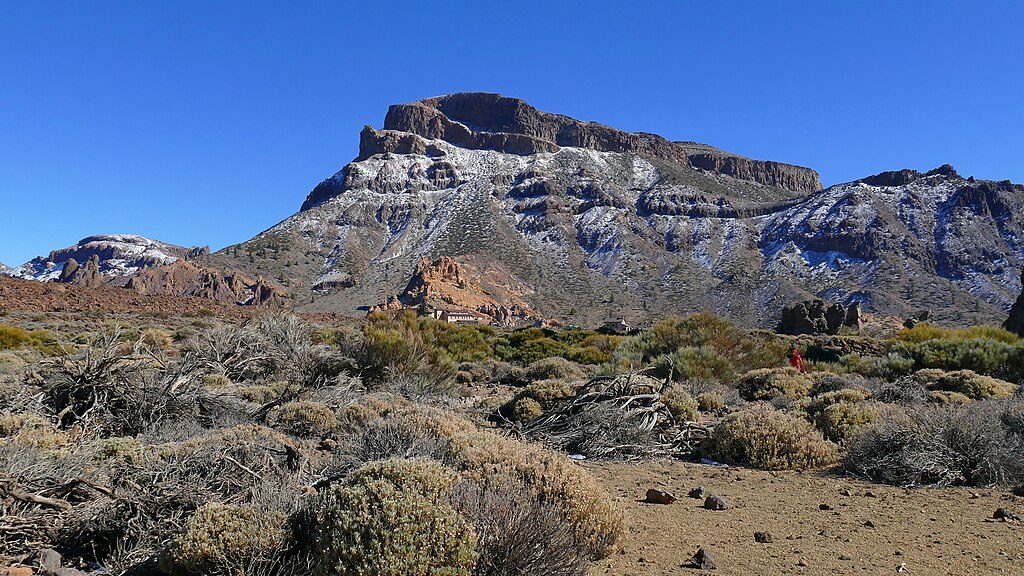
Place · 0 mi away
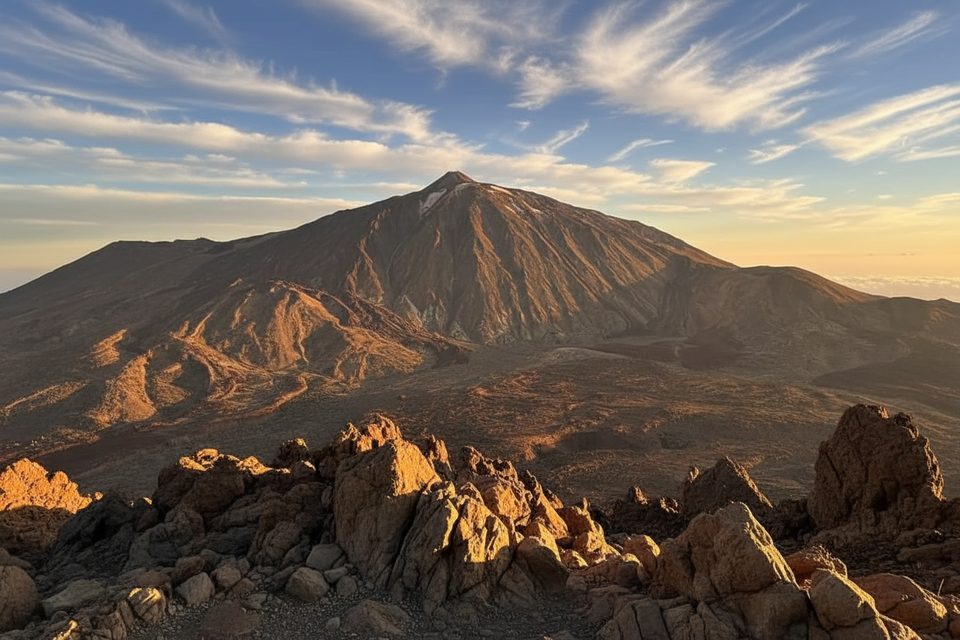
Mirador Alto de Guajara crowns Montaña Guajara at about 2,715 m, delivering some of the most commanding, opposite‑side views of Teide, Pico Viejo, and the vast Las Cañadas caldera. It’s wilder and generally quieter than the roadside hot spots—exactly the kind of viewpoint you earn.
You reach the mirador only on foot. The classic half‑day loop starts by the Parador/Cañada Blanca area: PNT‑04 Siete Cañadas → PNT‑05 Degollada de Guajara → PNT‑15 Alto de Guajara → PNT‑31 Cumbres de Ucanca back toward the Parador. Expect roughly 11–11.5 km, about 660 m of gain, and 3.5–5.5 hours. If you’re focused on the summit, the mountain section of PNT‑15 itself is about 3.7 km (one way) with roughly 325–352 m of ascent.
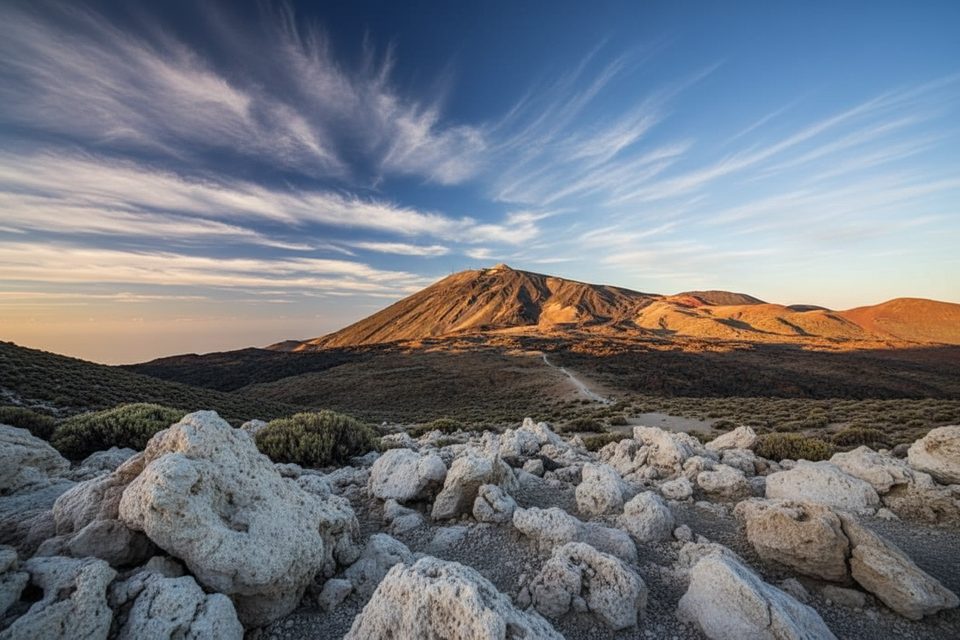
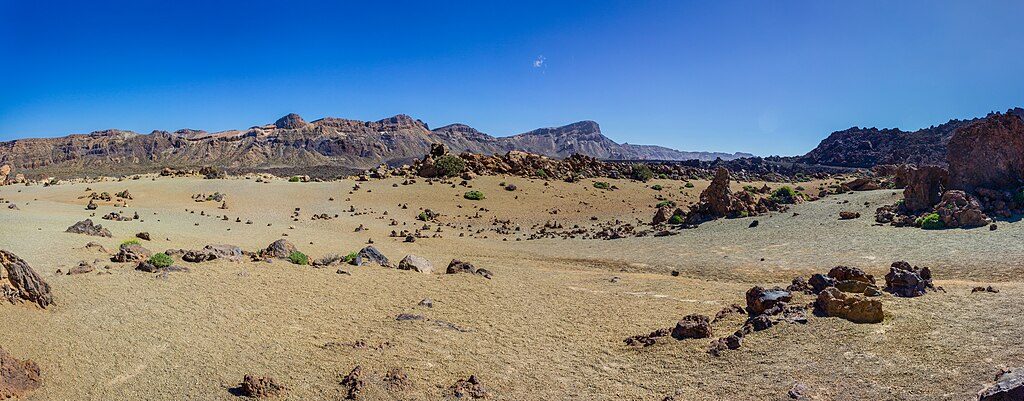
From the top, you get a full, frontal panorama of Teide and Pico Viejo, with layered lava fields and the orange‑red walls of Siete Cañadas dropping away beneath you. On clear days, the southern slope of Tenerife and even other islands can show themselves.
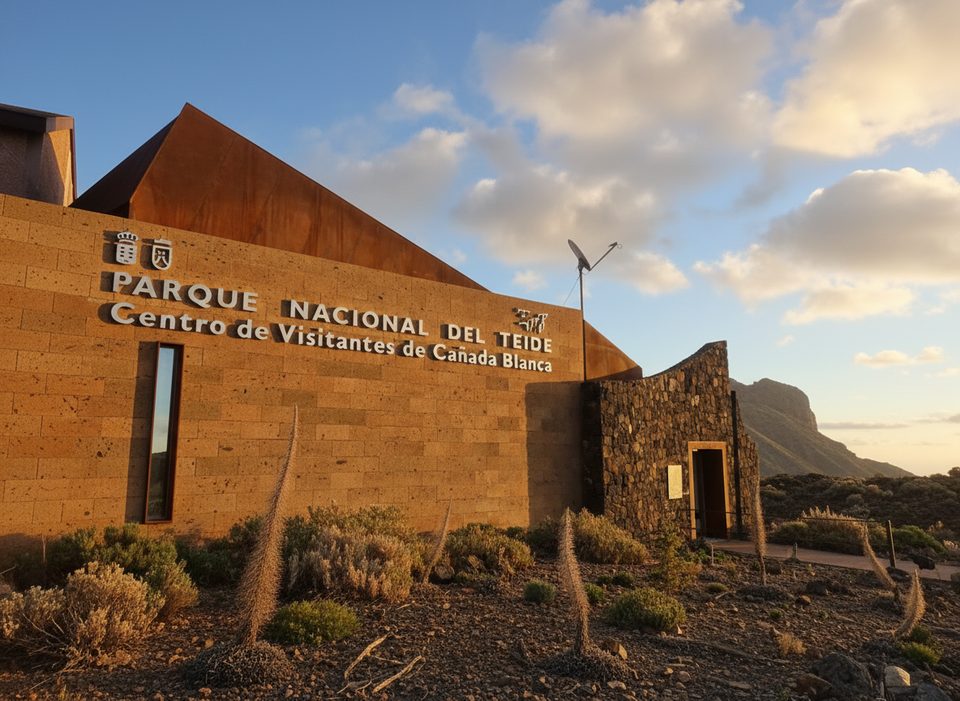
There are no services on the trail—no water, shade, or toilets—so start topped up and self‑sufficient. Most hikers begin near Cañada Blanca/Parador, where you’ll find parking, information, exhibits, café/restaurant, and restrooms. Public buses serve the Parador area (lines 342/348); check times before you go. Parking is free but fills early in peak season.
Expect a moderate to challenging hike: rocky, uneven sections, sustained climb, and full exposure. It can be windy and noticeably colder at the summit. Summer brings high UV and dry heat; in winter, shaded passes can hold snow or ice.
In 1910, French astronomer Jean Mascart used this summit to observe Halley’s Comet. The remnants of his small hut still sit near the top—an unexpected slice of scientific history in a sea of lava rock.
Aim for early morning or late afternoon for softer light and cooler temperatures. Sunrise and sunset up here are standouts, and crowds are typically lighter than the popular roadside viewpoints. Start early if you want easier parking and gentler conditions.
Place · 0 mi away
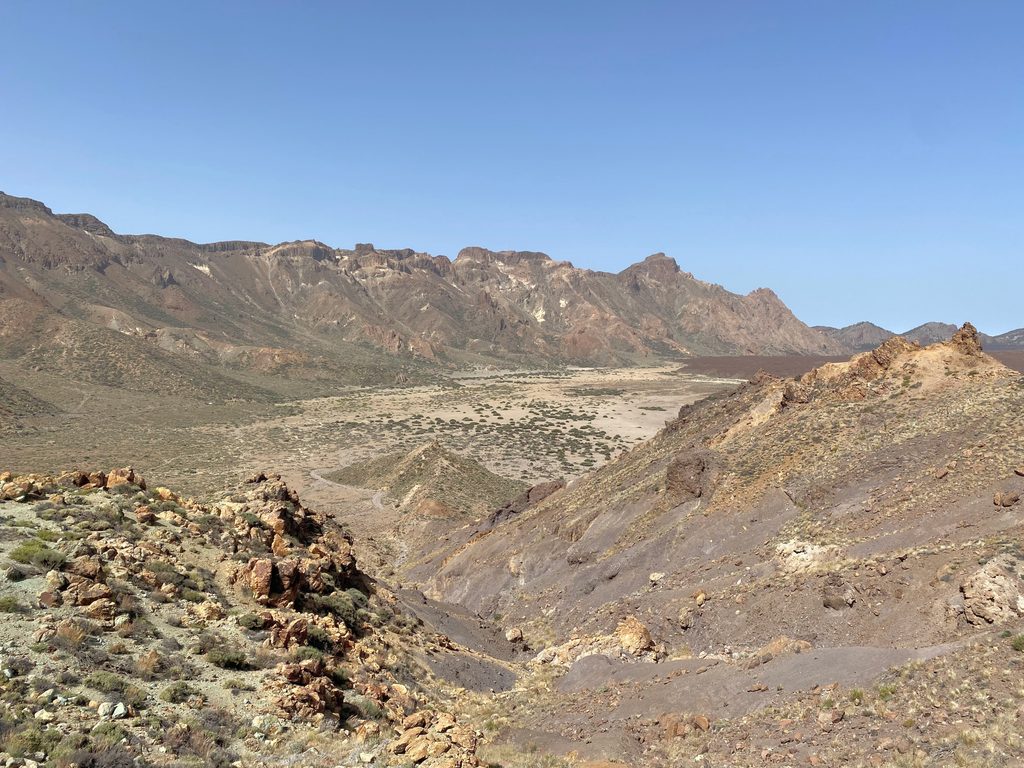
Place · 1 mi away
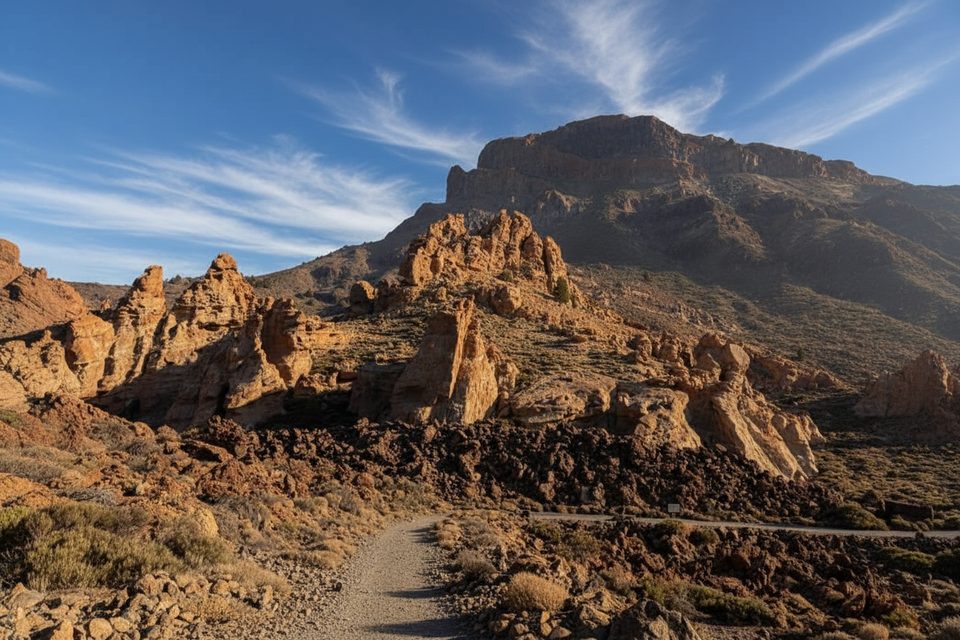
Place · 1.1 mi away
Place · 1.1 mi away
Moderate · 1.3 mi away
Moderate · 3 mi away
Challenging · 3 mi away
Challenging · 3.7 mi away

Parkwolf Tour Guide
