
Place · 0 mi away
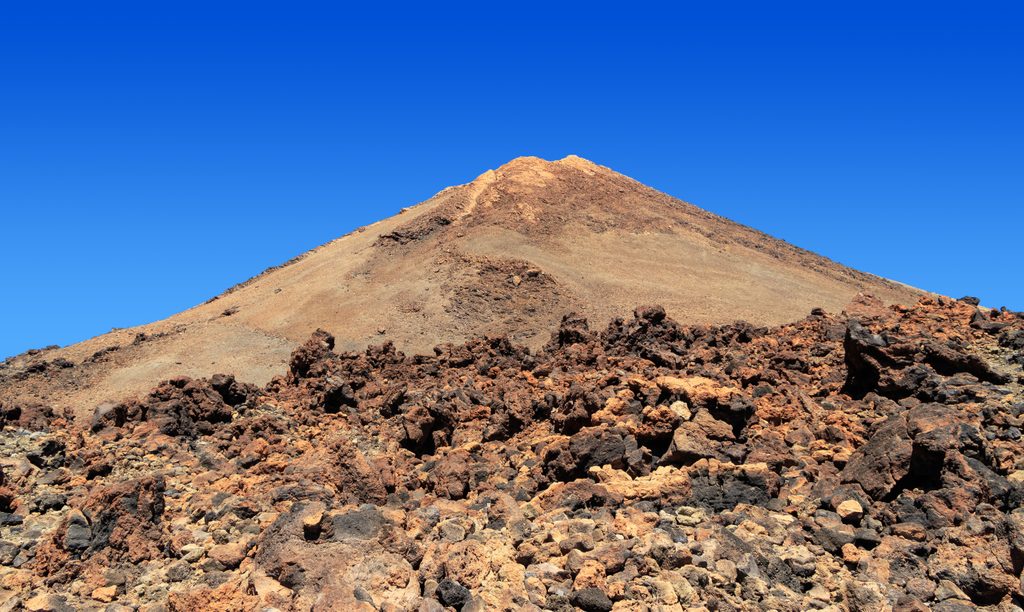
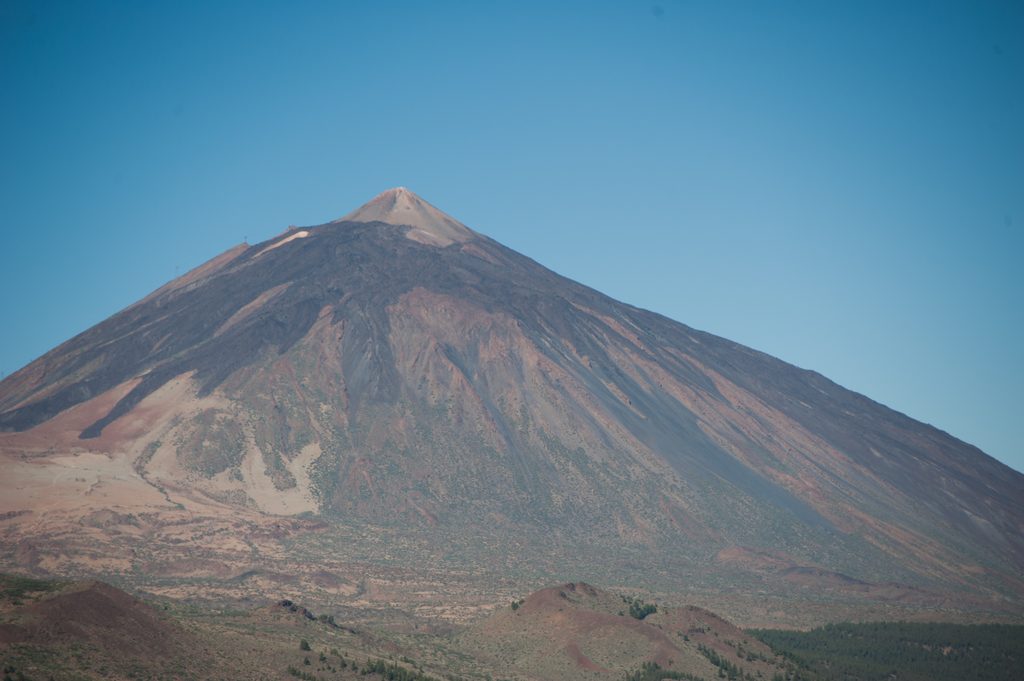
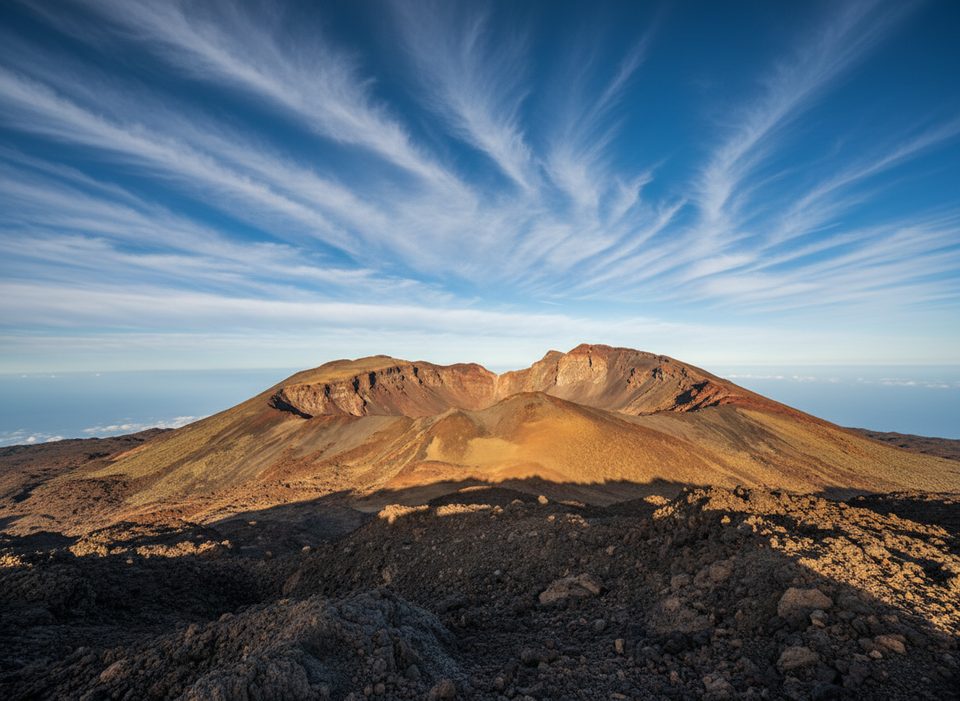
Pico del Teide’s true summit is the island’s rooftop: a 3,718 m volcanic crown with a sulfur‑scented crater and huge horizons. It sits above the Las Cañadas caldera in a UNESCO‑listed national park and remains an active volcano. Expect intense sun, dry air, and big temperature swings at this altitude.
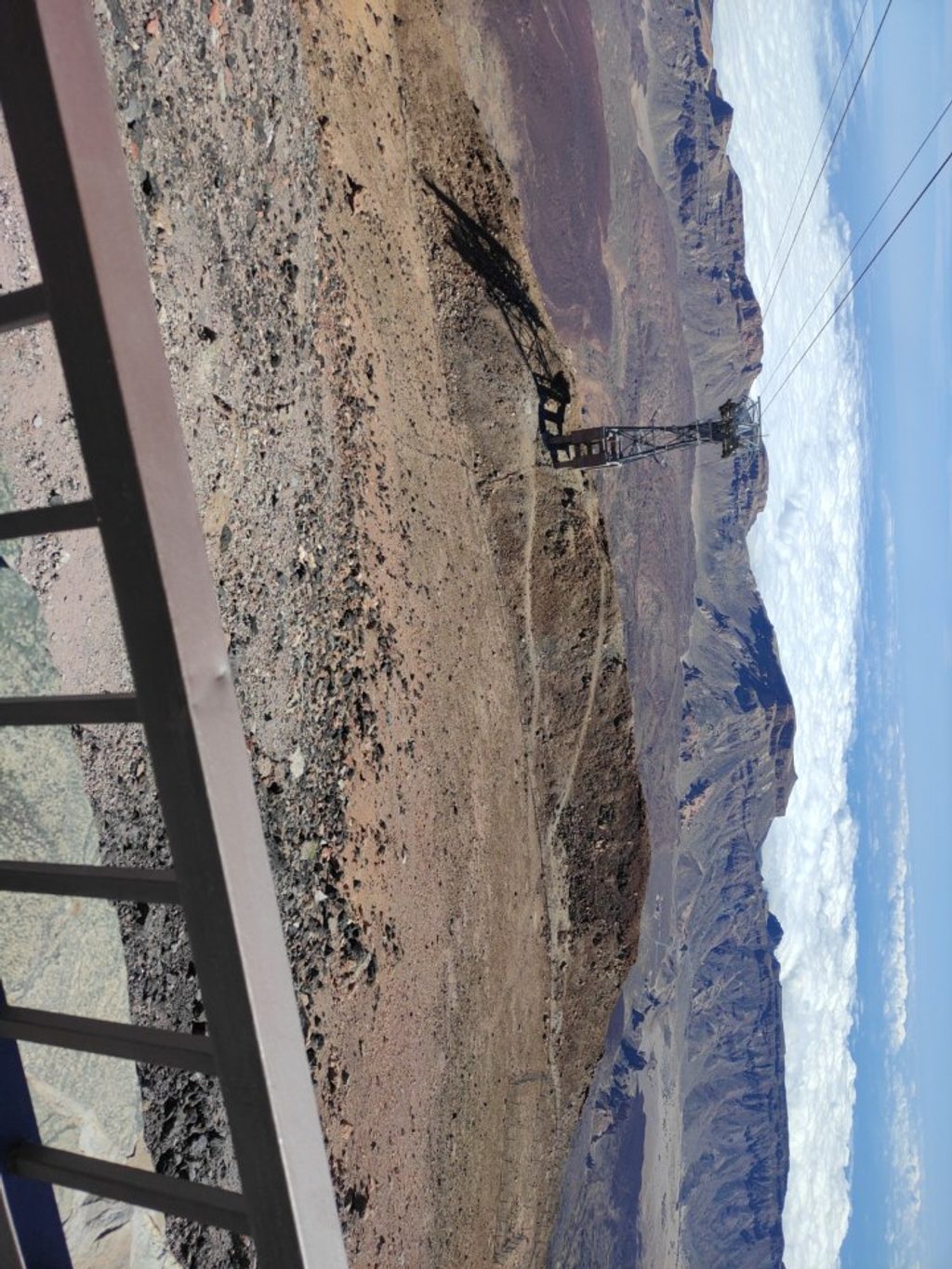
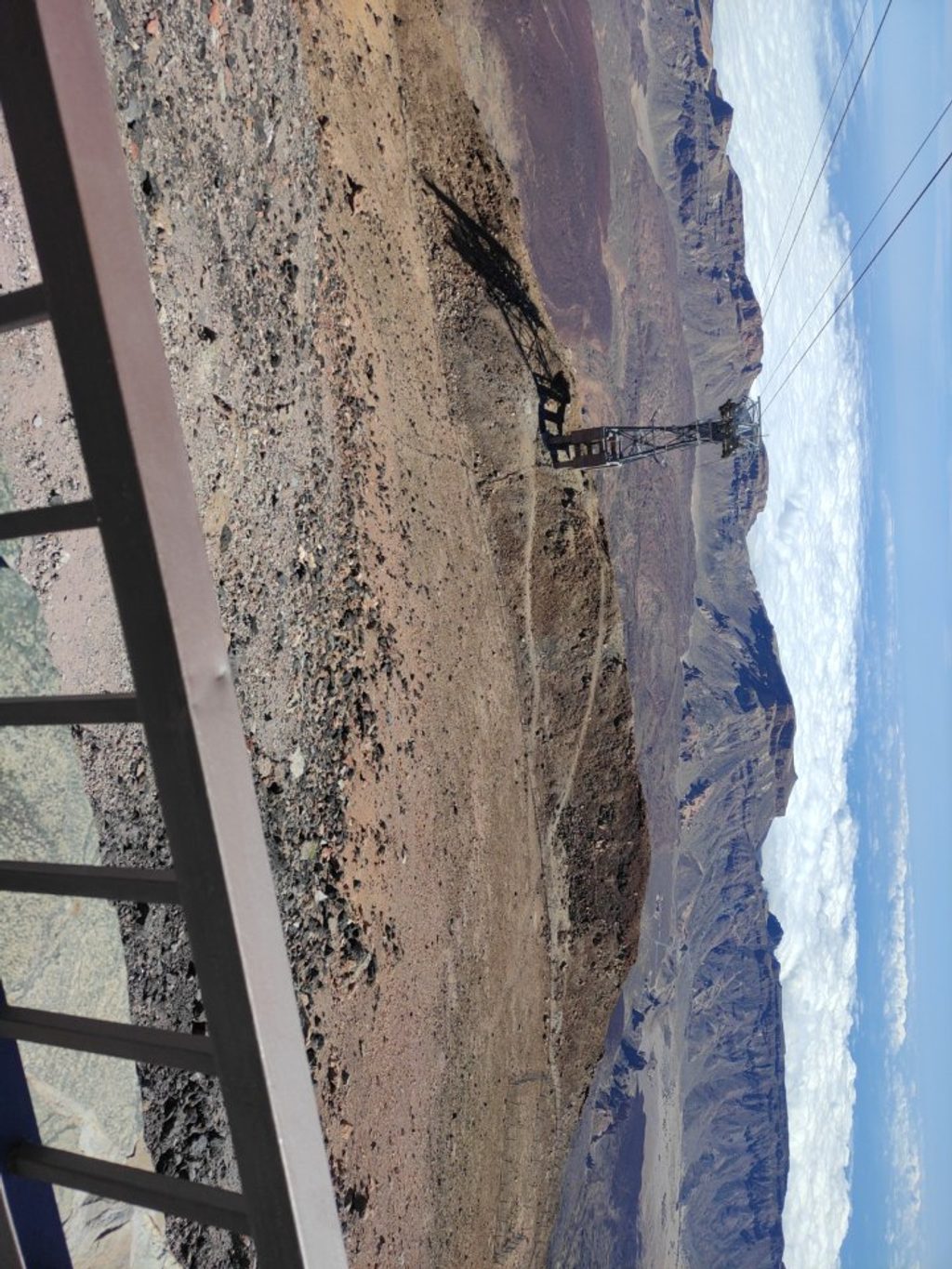
Option A — Cable car + short hike: The cable car rises to La Rambleta (3,555 m) in about 8 minutes. From the gate, the Telesforo Bravo path is the final push to the crater for permit holders. Descent tickets are purchased at the upper station via QR code and only when the cable car is operating—have a walking‑descent backup.
Option B — Hike the whole way: The Montaña Blanca route to La Rambleta is roughly 9 km and typically takes 6–7 hours with significant elevation gain. You still need the summit permit for Trail 10. The Altavista Refuge remains closed, so plan it as a continuous hike.
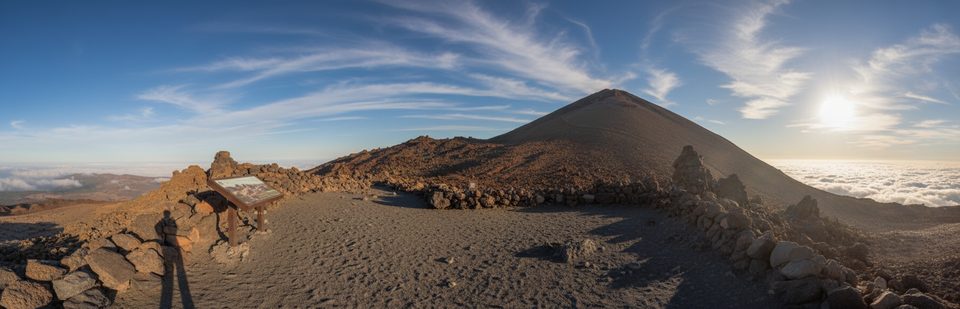
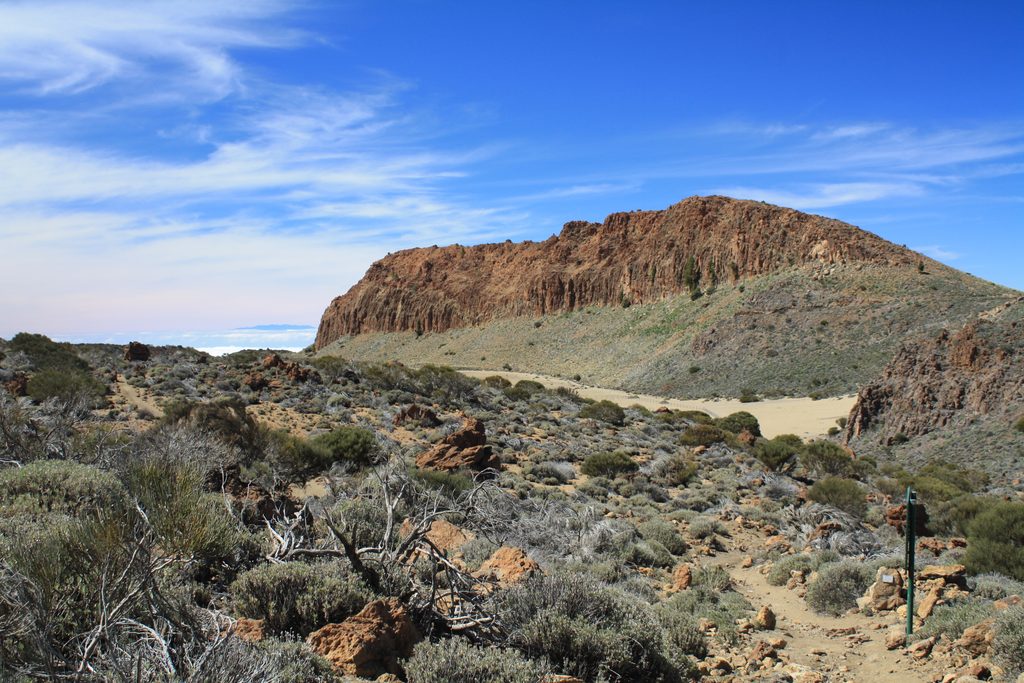
Near the crater you’ll smell sulfur and feel warmth from vents—a vivid reminder that Teide is alive. If you don’t hold a summit permit, La Rambleta still offers superb alternatives: Trail 11 to Mirador de la Fortaleza and Trail 12 to Mirador Pico Viejo both deliver big‑view payoffs without entering the summit path.
There are no toilets, shops, or shelters on the summit or the Telesforo Bravo trail. The upper cable car station has indoor toilets (during operating hours) and vending machines; the base station offers restrooms, a cafeteria/restaurant, a shop, and free parking (noted as open 8:00–18:00). Expect posted time limits at the top station (generally around 1 hour) unless you hold a summit permit.
Rapid ascent can trigger headaches or nausea—move slowly, hydrate, and protect against sun, wind, and cold. The hike is not recommended for people with cardiovascular conditions, pregnant women, or children under 3 years old. Always carry layers, sturdy footwear, plenty of water, snacks, and your permit with matching ID. Check weather and wind 24 hours prior; the cable car often suspends service in adverse conditions.
The “best” time is the slot you can actually secure. Pick a day with calm winds, re‑check the cable car status the day before, and arrive early for your assigned window. High UV and bright conditions are typical year‑round at this elevation, so plan for glare and bring sun protection.
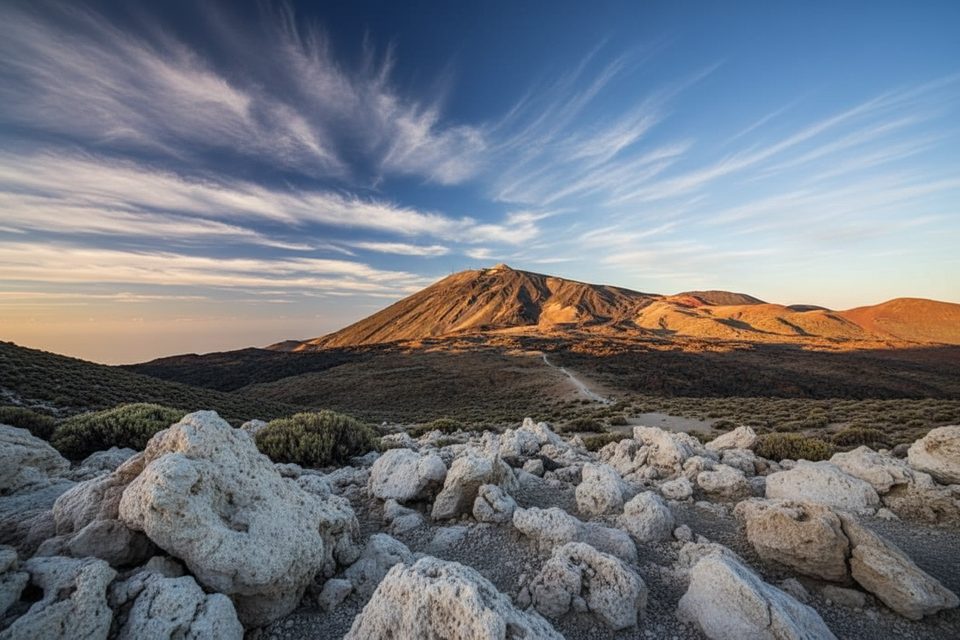
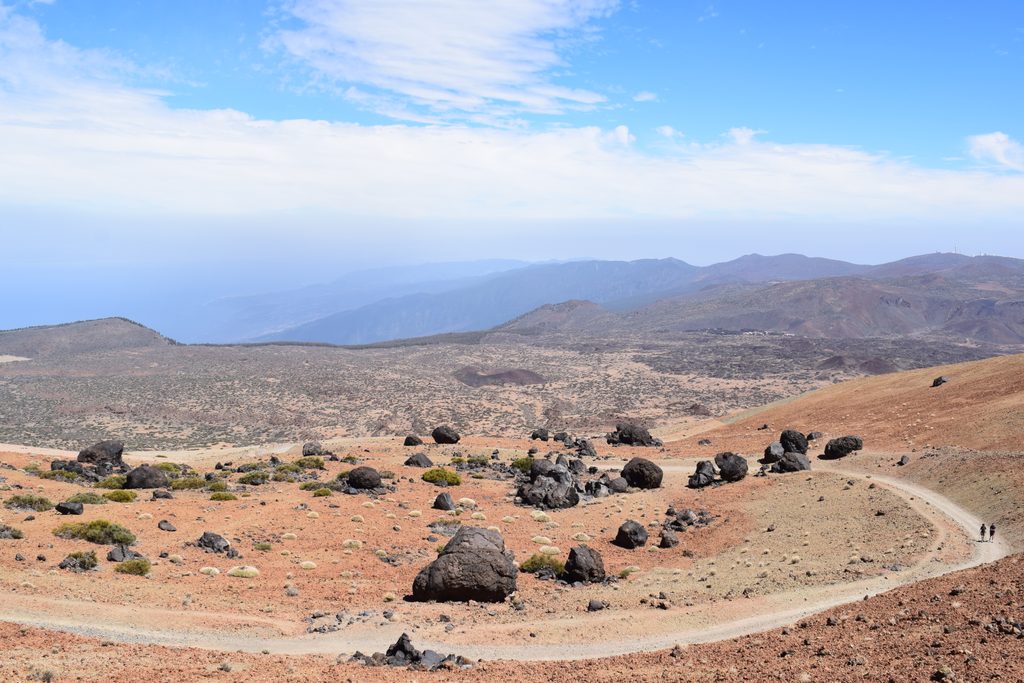
Teide is a stratovolcano within a vast caldera formed after ancient collapses and eruptions. The summit cone sits above a landscape shaped by lava and time, and the mountain has deep cultural resonance dating back to the Guanches, who regarded it as sacred.
Place · 0 mi away
Place · 0.2 mi away
Place · 0.2 mi away
Place · 0.3 mi away
Easy · 0.2 mi away
Easy · 0.3 mi away
Challenging · 2.5 mi away
Moderate · 2.5 mi away

Parkwolf Tour Guide
