Overview
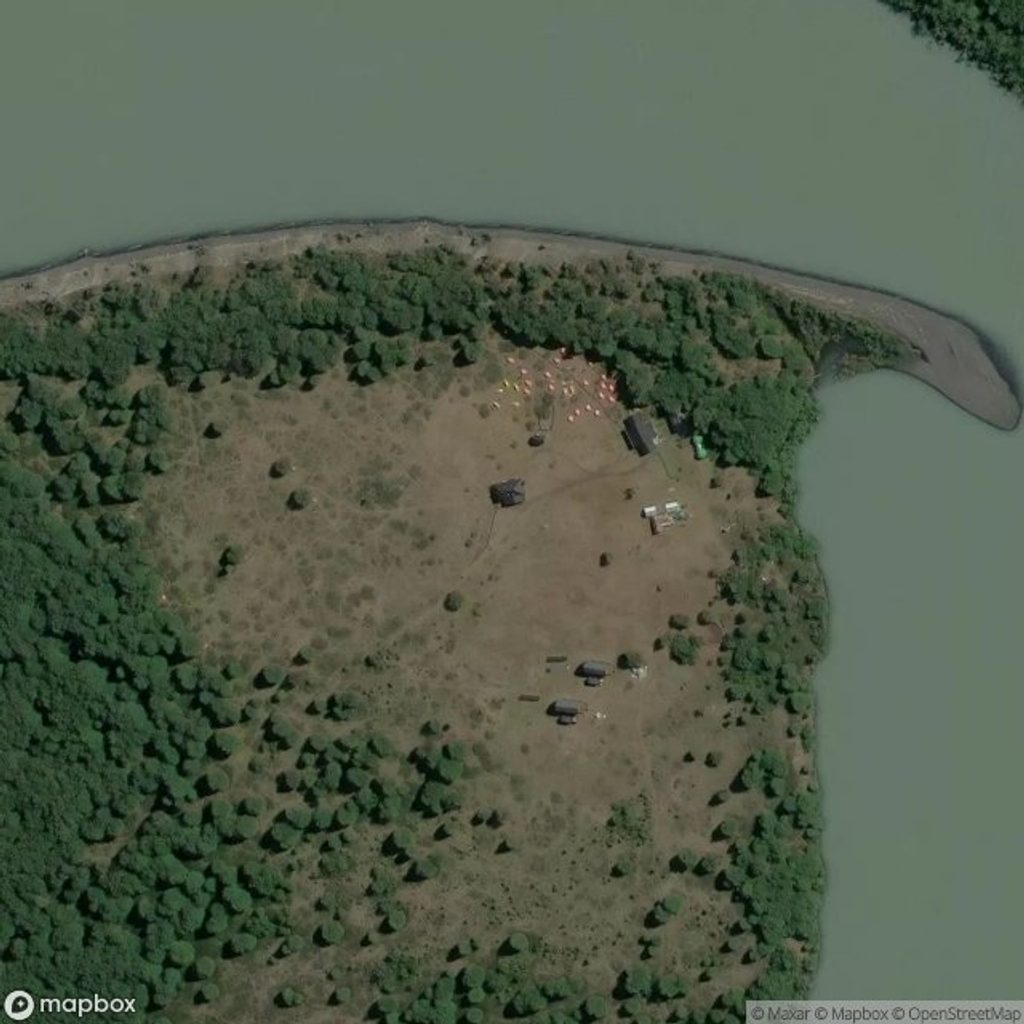
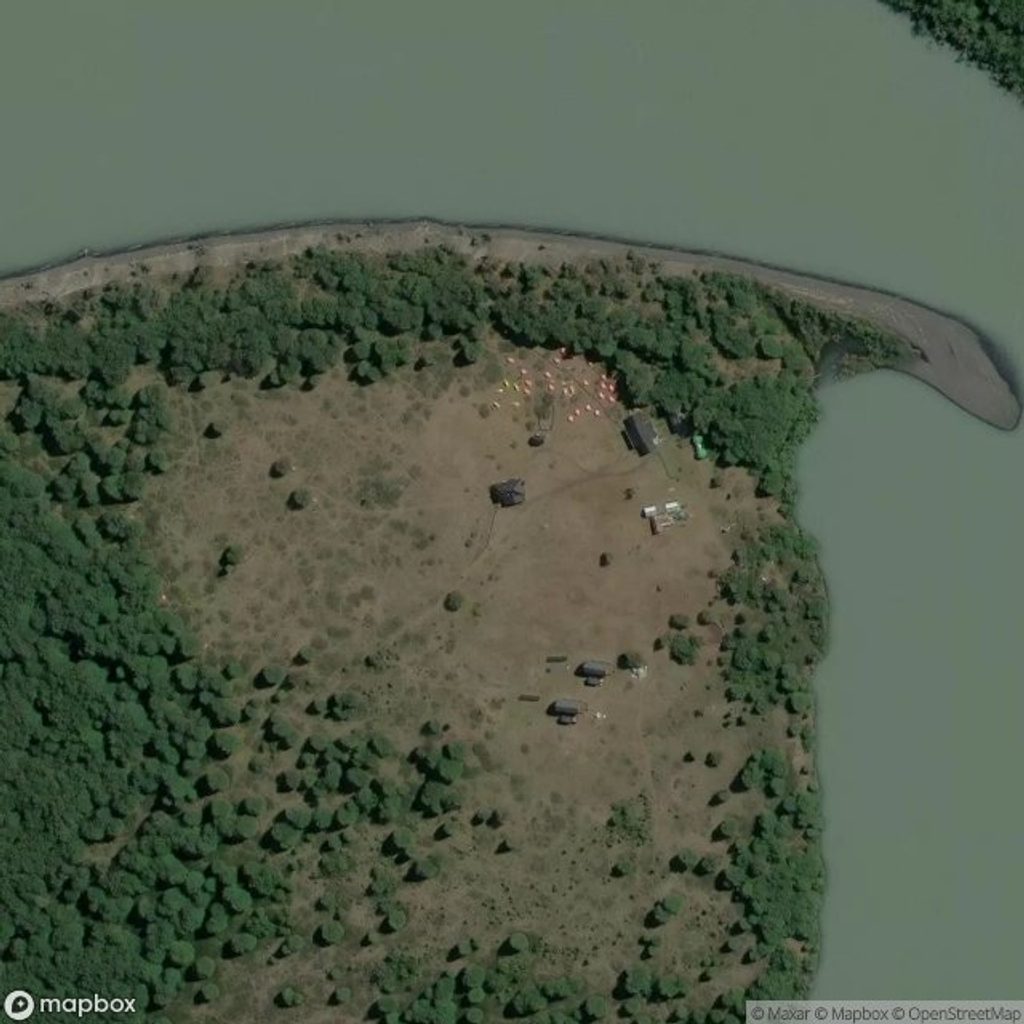
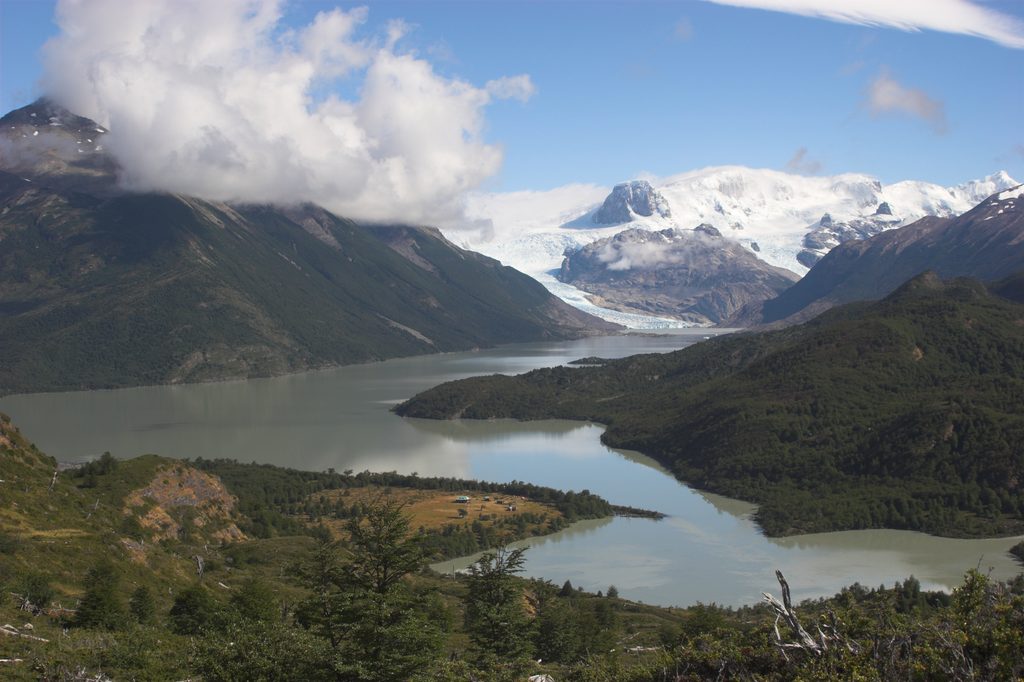
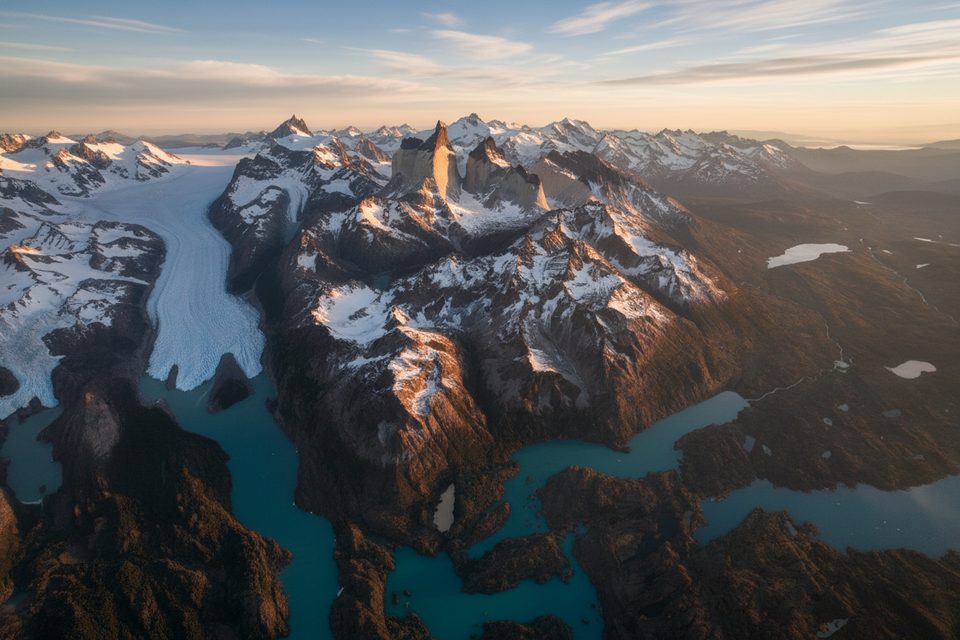
Tucked on the shore of Lake Dickson on the O Circuit’s north side, Dickson Campground feels remote in the best way—wide beach, glacier views, and room to exhale before the big mountains ahead. It’s typically your second stop when hiking the Circuit counterclockwise (the only allowed direction), a comfortable base with more services than the camps that follow.
Facilities & What’s Here
- Bathrooms with flush toilets and separate men’s/women’s areas; don’t flush toilet paper—use the bin provided.
- Hot showers run in the afternoon/evening (commonly starting around 2–4 pm until ~10 pm); sinks are cold-water only.
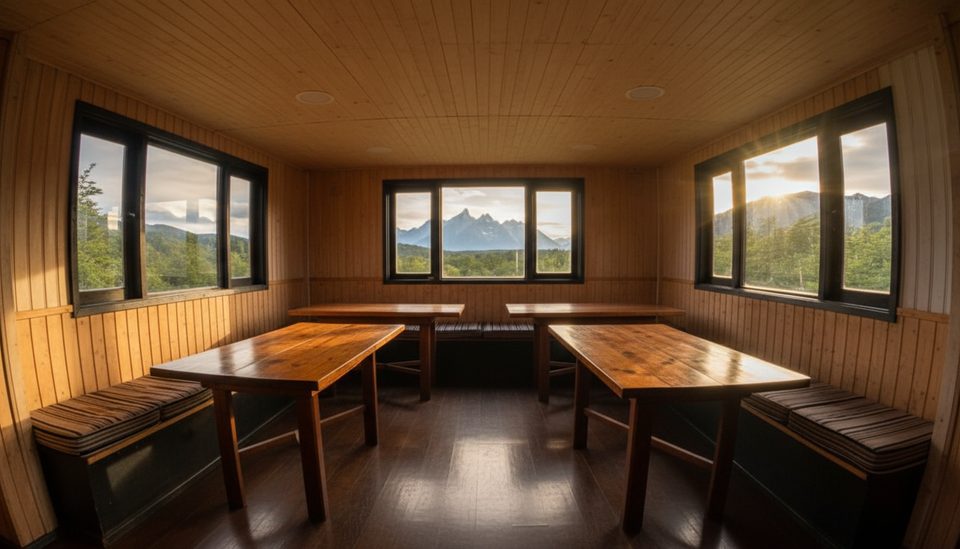
- An indoor kitchen/dining room with long tables, a sink, and drying rack. Camp stoves must be used here—no cooking at outdoor tables or by tents.
- Potable water available inside the kitchen/dining area.
- Small store for snacks and drinks, plus simple hot food (think pizza or a hamburger); full meals are served in the adjacent refugio for those who book them.
- Limited outlets for charging (generator power can flicker). There’s no Wi‑Fi.
- Pre‑pitched tents and gear (tents, sleeping bags, mats) are available with advance reservations. Trash cans provided.
- Check‑in typically begins around 1:00 pm; check‑out around 9:30 am. You’ll show your passport at ranger and campground check‑ins.
Orientation on the O Circuit
- Serón → Dickson takes roughly 6 hours.
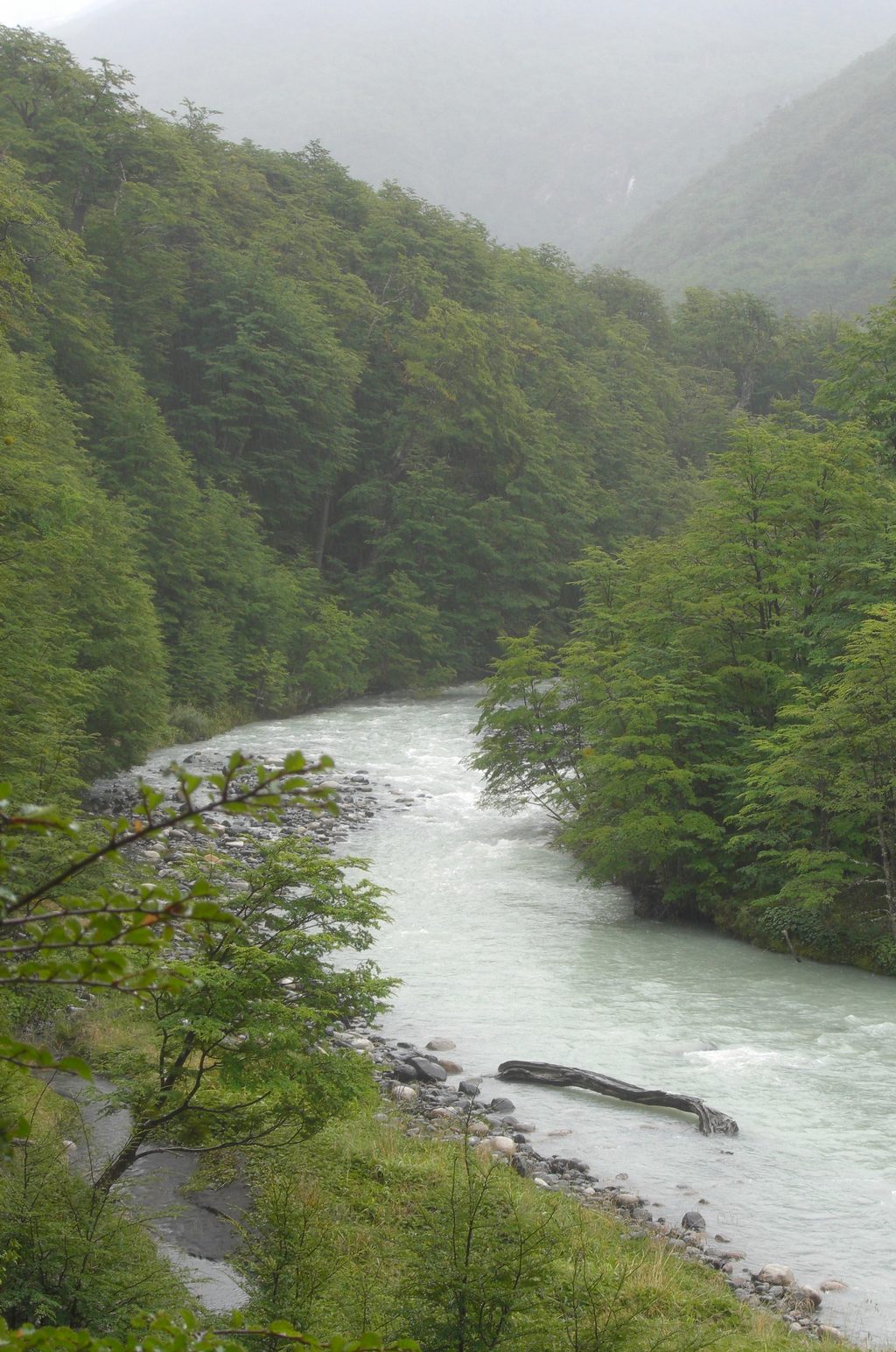
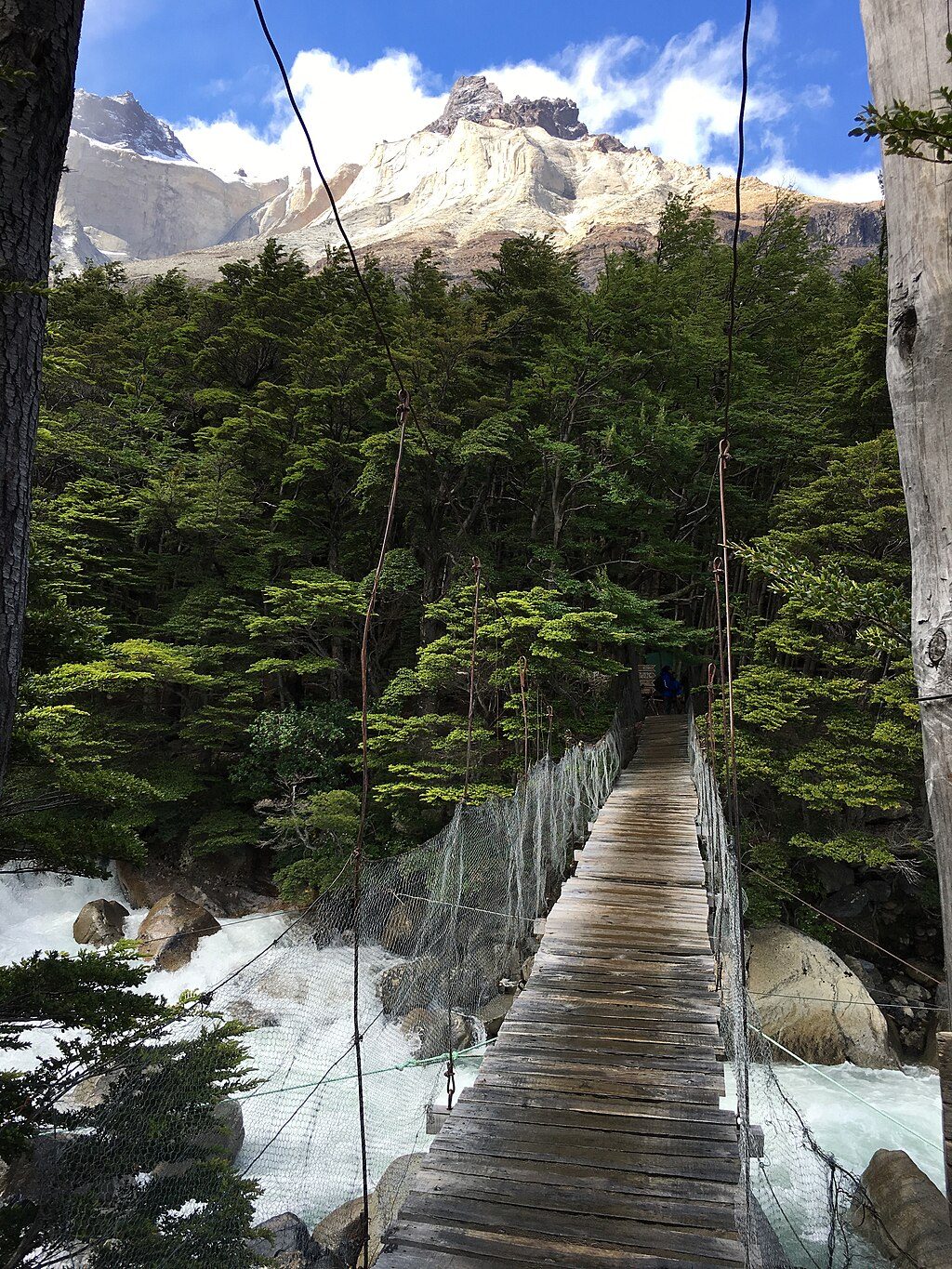
- Dickson → Los Perros is about 11.6 km with ~580 m of gain, typically 3.5–4 hours for fit hikers on forested, sometimes muddy trail.
- From Los Perros you’ll tackle the John Gardner Pass toward Grey; Dickson is a good place to rest and ask rangers about next‑day conditions.
- All O/W overnights must be booked and paid before you start—there’s little room for walk‑up changes.
What Makes It Special
This is the last relatively “comfortable” stop before the more basic Los Perros and the pass day, and the setting steals the show: a broad lakeshore framed by peaks and the Dickson Glacier. Many hikers call it their favorite camp on the route and even take a rest day here if the itinerary allows.
Wildlife & Camp Life
Condors often cruise the ridgelines and foxes are occasionally seen near camps. The most common nuisance is mice—store all food and scented items in sealed bags/containers and keep them out of your tent. Follow cooking rules strictly to reduce animal issues and fire risk.
Best Time to Visit
December–February offers the most reliable weather—and the biggest crowds. March trends colder, windier, and wetter, and the pass can close after storms. Aim to arrive by early afternoon to check in, grab a good tent spot amid the shrubs (better wind protection), and hit the shower window.
Practical Tips
- Expect Patagonia weather: wind, rain, and mud. Stake and guy‑out your tent thoroughly.
- Use a standard canister stove; liquid‑fuel stoves have caused issues for some hikers. Cook only in the indoor shelter.
- Bring hand soap/sanitizer and a small camp towel; bathrooms may lack soap and paper towels.
- Power is limited—carry a power bank and don’t rely on charging. No Wi‑Fi means plan your navigation offline.
- Carry your passport for ranger and campground check‑ins and confirm next‑day trail conditions before leaving.