
Place · 0 mi away
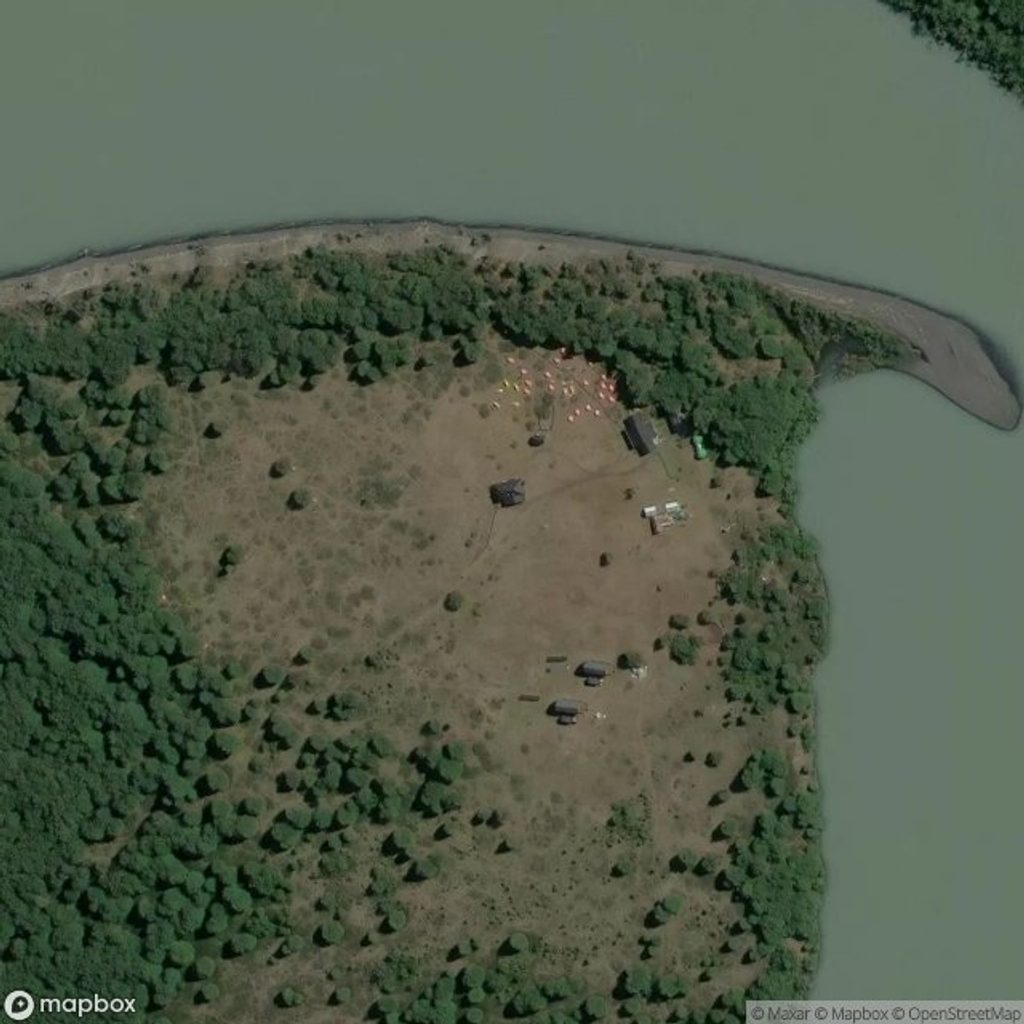
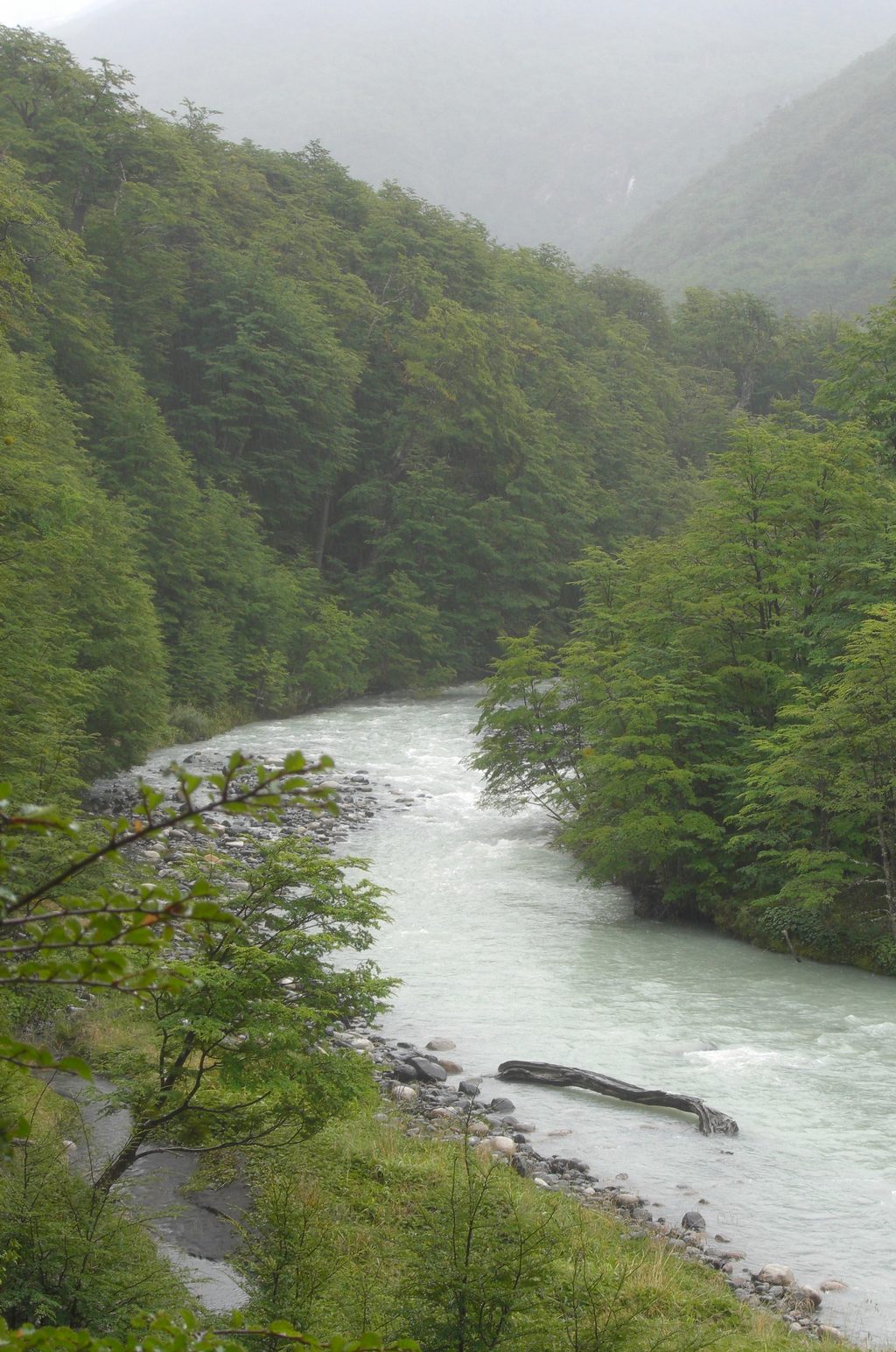
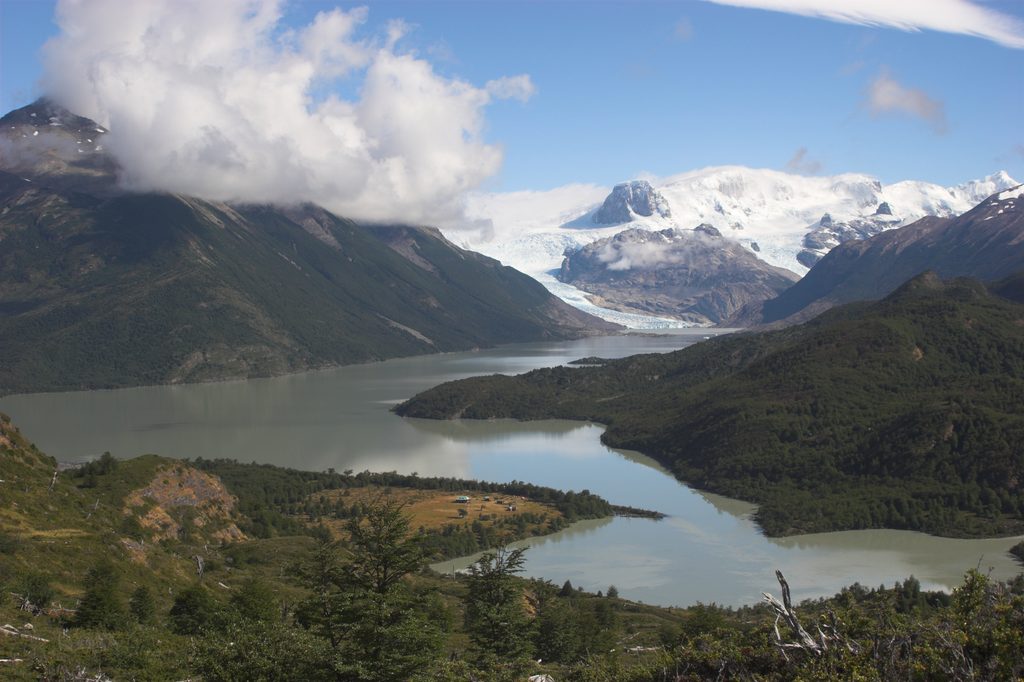
The Dickson River threads through the quiet northern flank of the park, a glacier-fed ribbon you’ll follow on the O Circuit between Refugio/Camp Dickson and Campamento Los Perros. This is the remote side of the massif—only a small fraction of visitors make it here—so the payoff is solitude, wide valleys, and a constant soundtrack of moving water.
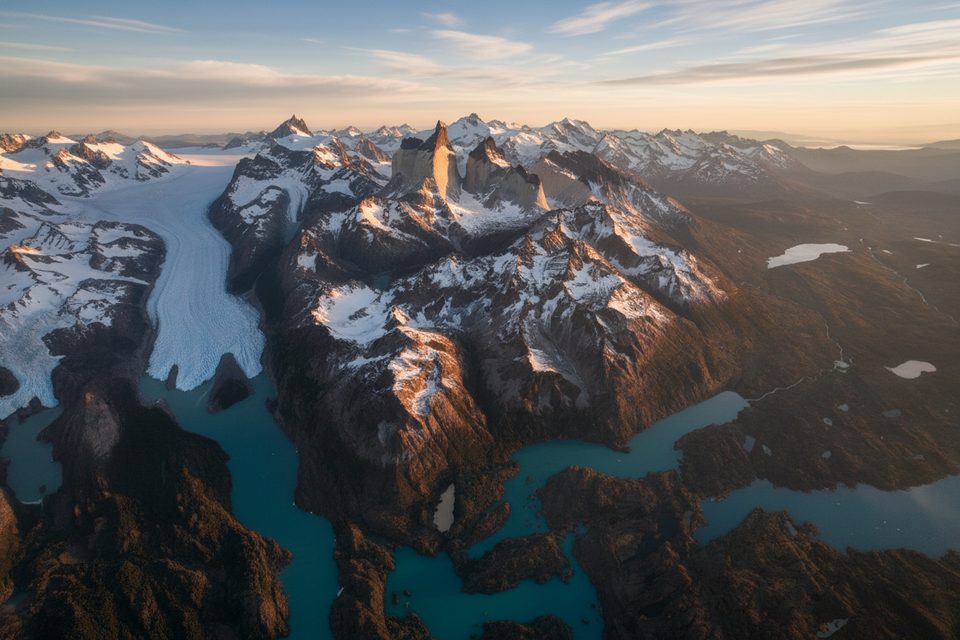
Expect a mix of forested singletrack and open stretches where the river swings into view, with frequent looks toward the Dickson and Los Perros glaciers. Waterfalls punctuate the valley, and on a clear day the ice and peaks line up beautifully above the river.
The classic way to experience the river is the point-to-point stage from Dickson to Los Perros: roughly 11.6 km with about 580 m of climbing and a typical 3.5–4 hours of hiking. The path starts near Lake Dickson, then tracks the river upstream toward the Los Perros valley on uneven, sometimes rocky tread. Be prepared for wind and short, punchy climbs.
This valley is shaped by the Southern Patagonian Ice Field. Dickson Glacier is one of its outlet tongues, feeding Lake Dickson and the river system that drains the massif. The result: cold, milky-blue flows and big, sculpted valleys that make this section feel wild and oversized.
The broader park is renowned for puma density and excellent birding. Along the Dickson River you’re more likely to spot birds flitting in the vegetation than large mammals, but keep your eyes open and observe from a distance. Never feed wildlife.
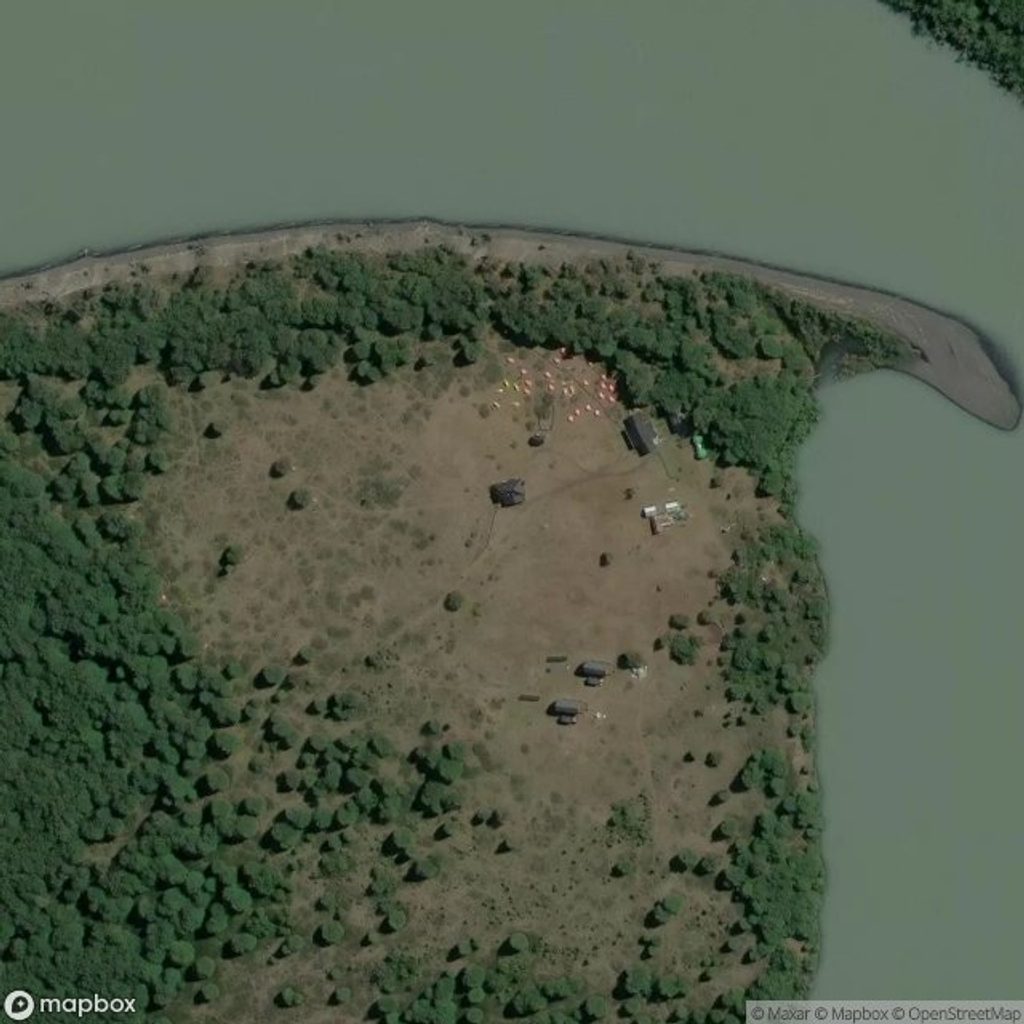
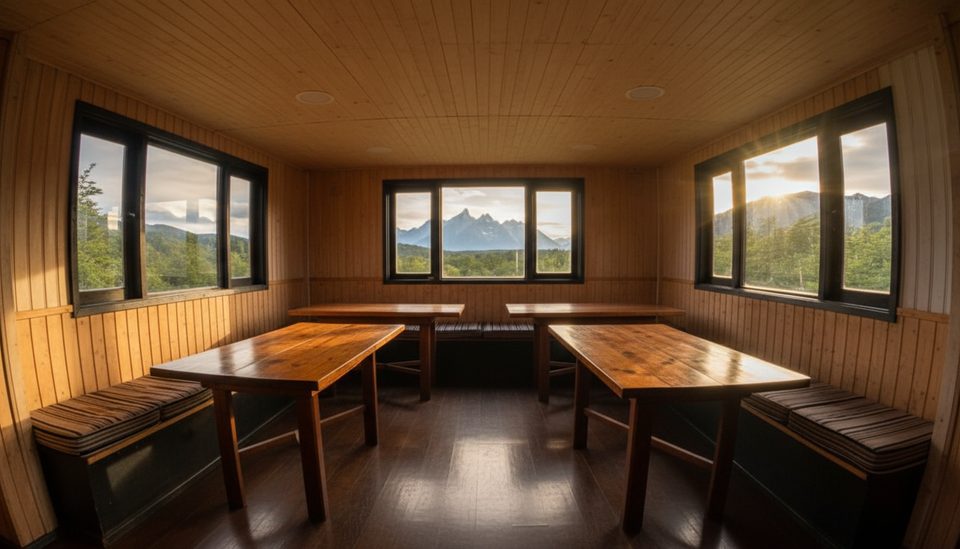
There are no facilities along the river corridor. Your support hubs are Refugio/Camp Dickson before the stage and Campamento Los Perros after it—plan food, water, and warm layers accordingly. Dickson offers meals, a small shop, and gear rentals with advance booking; it’s a welcome resupply before heading into the higher, rougher country.
Weather is fickle year-round, with the windiest stretch typically in late spring to midsummer (roughly November–January). Start this stage early in the day to build in a cushion for squalls and to enjoy quieter trails. Crowds are generally light here compared to the park’s central viewpoints, regardless of day of week.
Conditions change fast—pack rain gear, insulation, and extra food. Stick to the marked trail to protect fragile vegetation, and follow the park’s strict no‑fire rules given past human-caused fires elsewhere in the park.
Place · 0 mi away
Place · 0 mi away
Place · 0 mi away
Place · 3.3 mi away
Moderate · 9.9 mi away
Challenging · 11 mi away
Moderate · 11 mi away
Challenging · 11 mi away

Parkwolf Tour Guide
