Mirador Base de las Torres

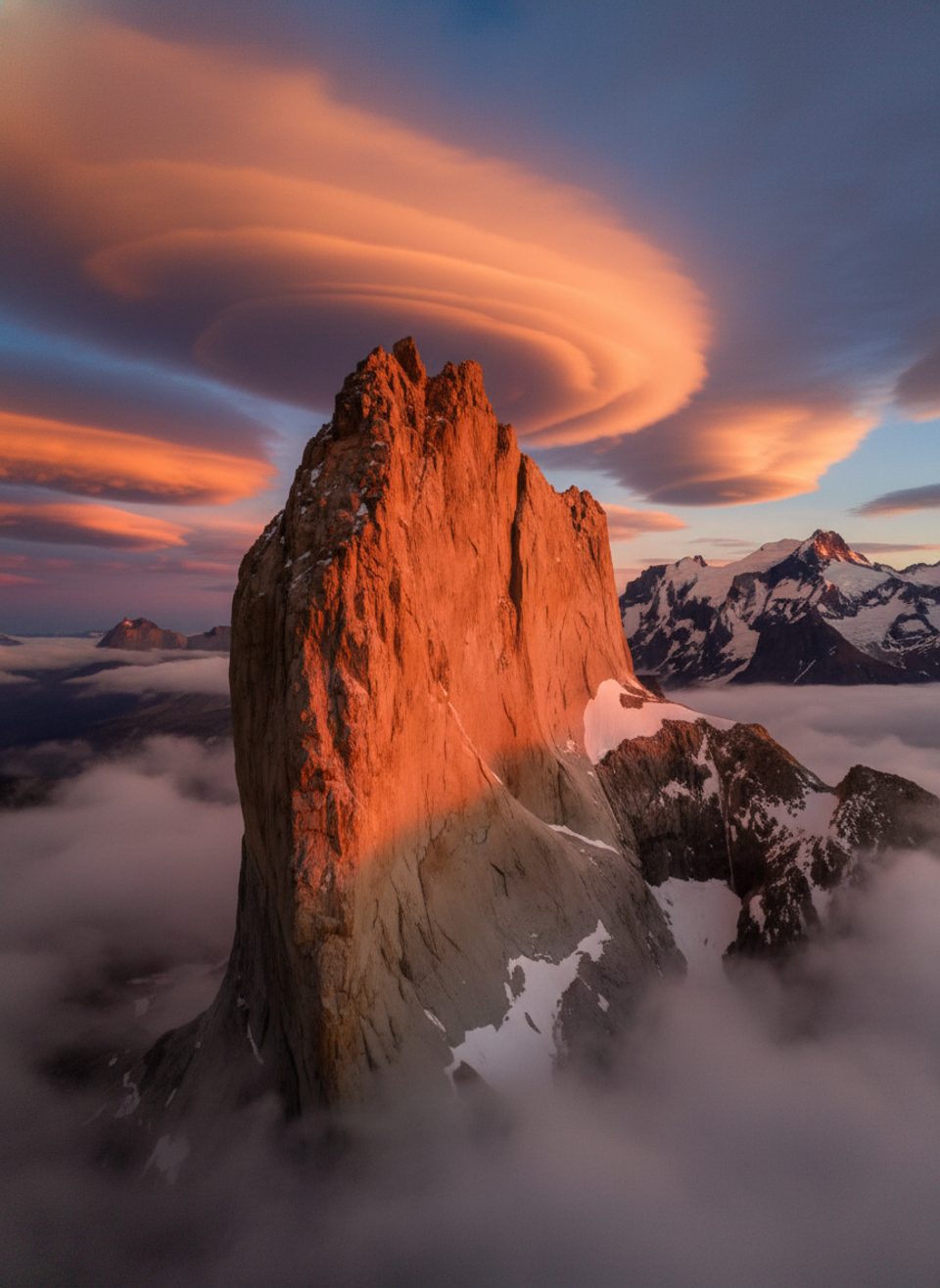
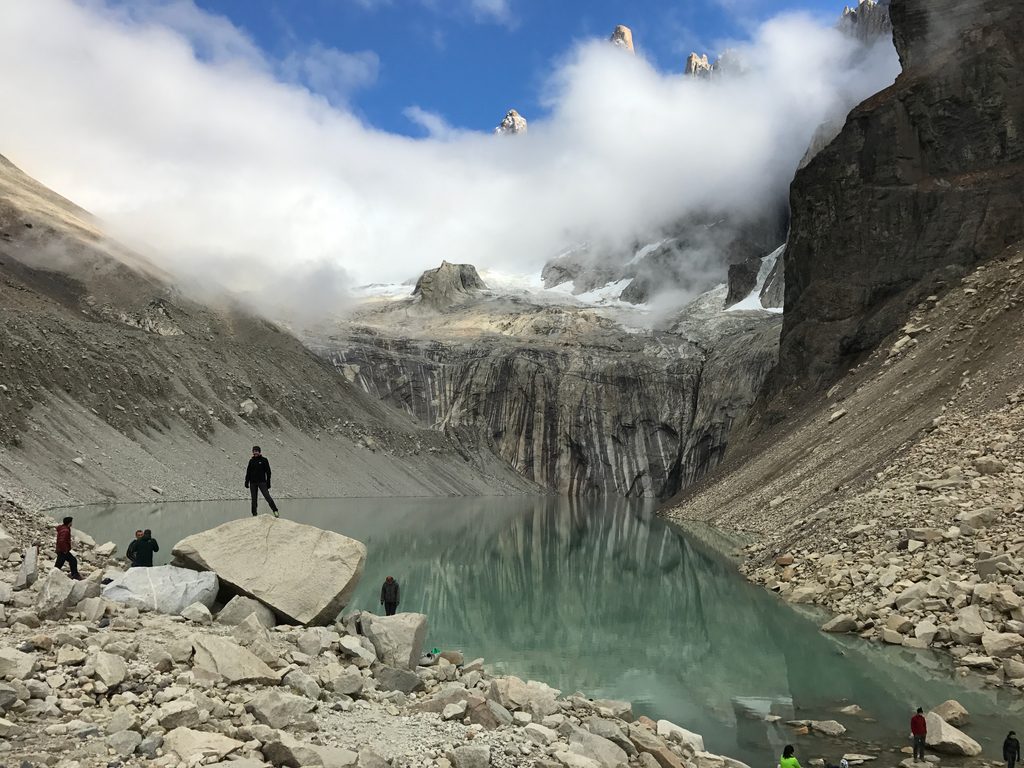
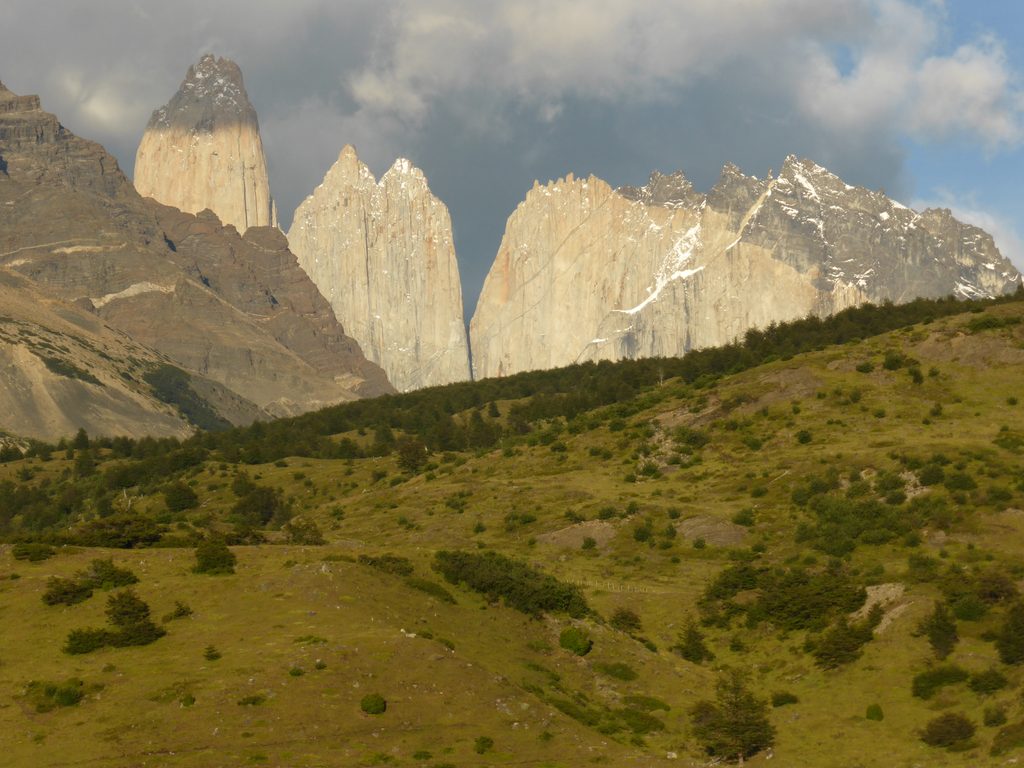
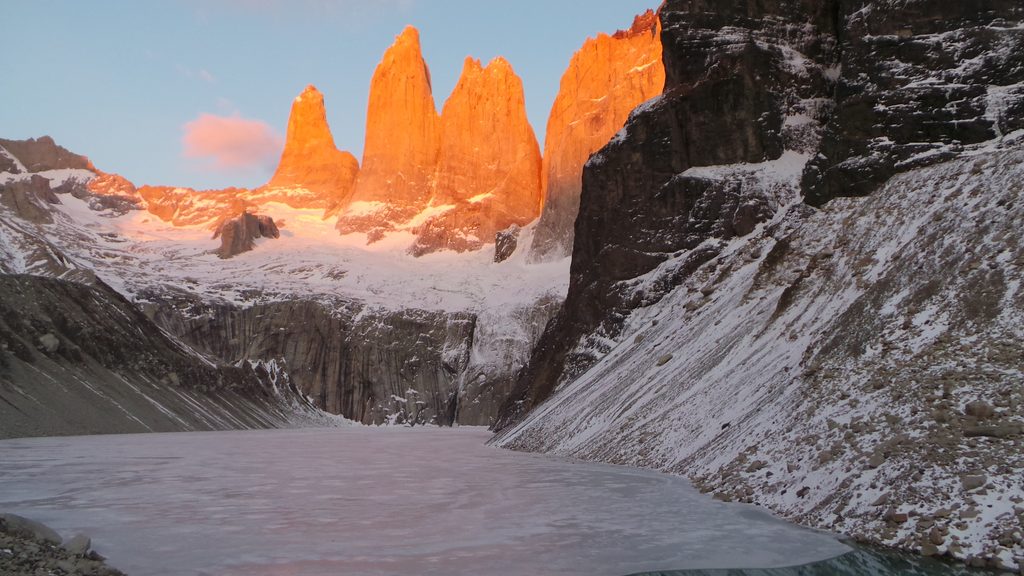
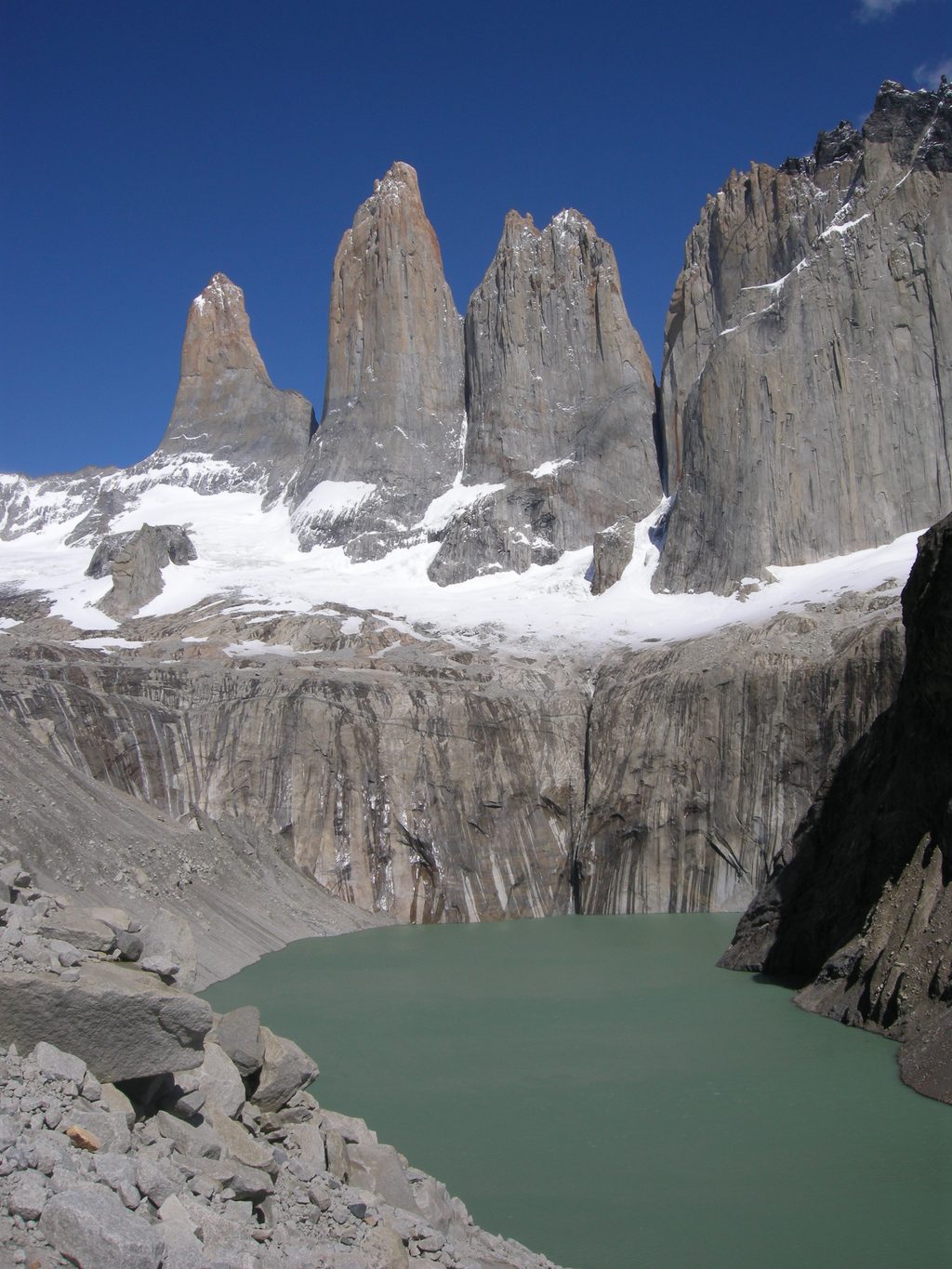
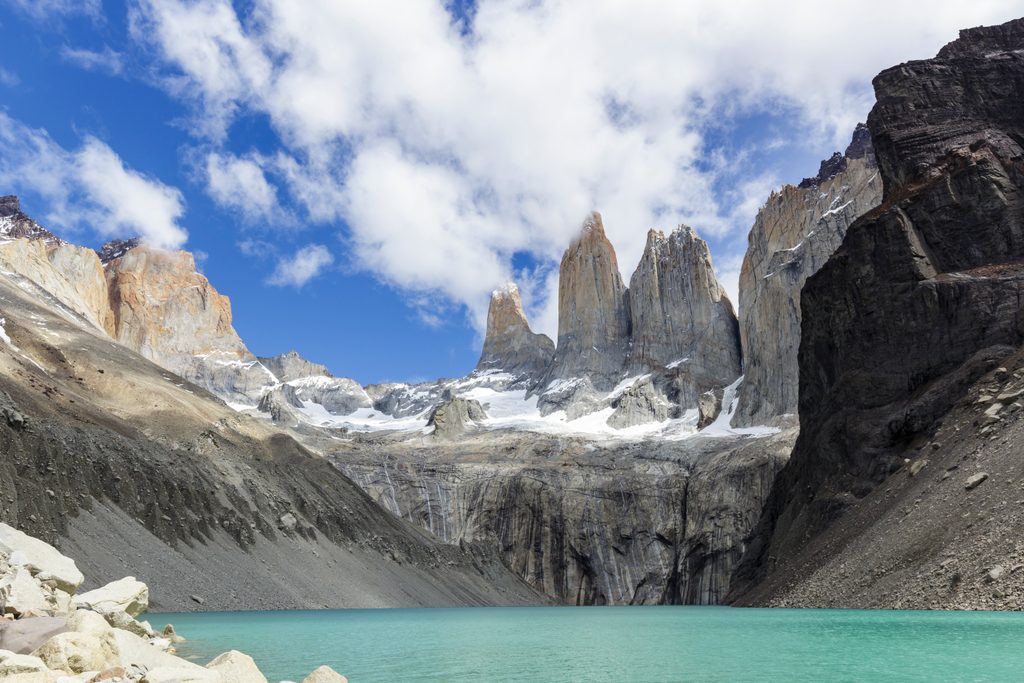
Turquoise glacial lake under three granite towers after a hard climb
Mirador Base de las Torres, Torres del Paine National Park
InsideTorres del Paine National Park

Overview

If you’re up for one big day, this is the park’s headline view: a turquoise glacial lake set right under the three granite towers. It’s a hard out‑and‑back from the Hotel Las Torres side, but the payoff is exactly what you came to Patagonia to see.

  • Distance/time: ~18 km / 11.2 miles round‑trip; plan 7–9 hours with stops.
  • Elevation gain: ~900 m / 2,950 ft total; the last ~1 km climbs ~400 m / 1,300 ft over boulders.
  • Difficulty: Hard. The wind and the final scramble make it tougher than the numbers suggest.

Route at a Glance

1) Swing bridge and long incline: A two‑at‑a‑time bridge can bottleneck, then a sustained climb with a notorious windy traverse where poles help.

2) Valley/forest respite: The trail drops into a more sheltered valley. A staffed refuge here has restrooms and limited snacks.

3) Final push: A steep, exposed boulder field with rock‑hopping and a few false crests. Take care descending—knees feel it.

What You’ll See

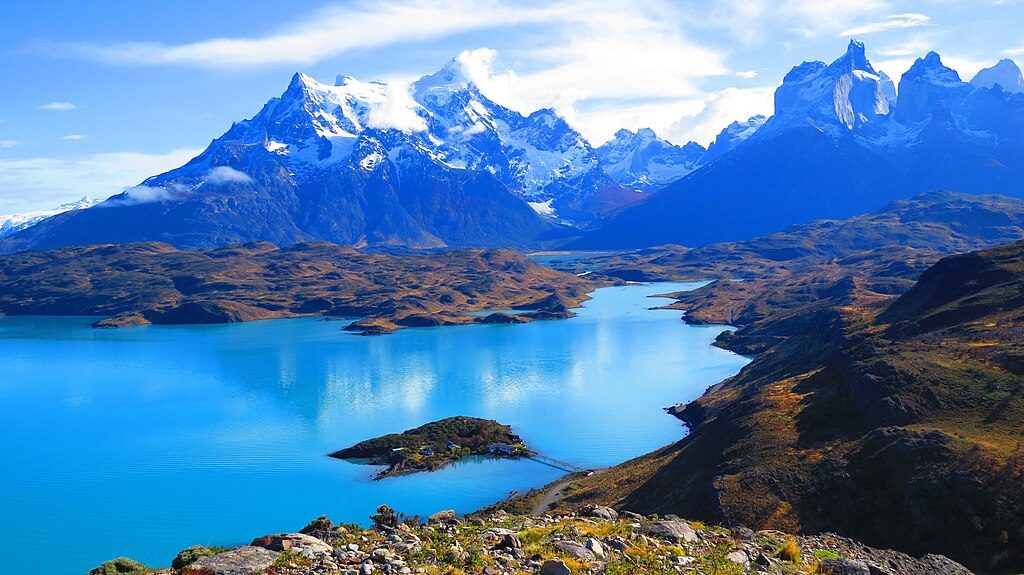
At the top, a milky‑turquoise lake sits in a granite cirque below the three towers. It’s often blustery; secure hats and loose items. In peak season, expect brief queues for the classic photo spots.

Logistics & Timing

  • Start/finish: From the Hotel Las Torres trailhead (near the Laguna Amarga entrance).
  • Access window: Rangers typically close access to the summit area around 4:30 pm (earlier if weather turns). Posted hours show 8 am–4:30 pm daily. Start early.
  • Getting there from Puerto Natales: Buses run to Laguna Amarga (about 2 hours in high season); from there a 7 km shuttle goes to Hotel Las Torres (about CLP 4,500, pay the driver). Catch an early bus (around 7:00 am in high season) to comfortably make the cutoff.
  • Driving/parking: Parking is available at the welcome center; multi‑day parking is possible if you’re on the W.
  • Tickets: A park ticket is required. Buying in advance avoids delays. Foreigners: ~CLP 32,400 (3‑day) or CLP 46,200 (7‑day). Even guided hikers need their own ticket.
  • Cell service: Minimal to none—tell someone your plan.

Seasonality

Open year‑round. Most crowded Dec–Feb (Patagonian summer). In winter (Jul–Sep), expect snow/ice; microspikes or snowshoes may be needed.

Wildlife

On the approach through open steppe you’ll commonly see guanacos and sometimes Darwin’s rhea. Pumas live here—keep your distance and follow ranger/guide instructions. Don’t feed wildlife and secure food.

Hazards & Safety

  • Wind: Fierce gusts are common on the exposed traverse and the upper boulder field.
  • Exposure: Sun and windburn happen—use sunglasses, sunscreen, and lip balm.
  • Rockfall/loose footing: Give others space in the boulders and move deliberately.
  • Time management: Set a turnaround time so you’re descending well before the cutoff.

What to Bring

Sturdy hiking boots, trekking poles, layered clothing (quick‑dry base, warm midlayer, waterproof/windproof shell), hat/beanie and gloves even in summer, sunglasses and sunscreen, full‑day calories plus extra, and plenty of water (you can top up at the refuge but don’t rely on it for full resupply). In winter, pack microspikes or snowshoes.

Best Time to Visit

Be on the trail close to opening to beat bridge queues, reach the summit area before crowds and building winds, and stay ahead of the 4:30 pm closure. Peak season (Dec–Feb) is busy—early starts make a big difference.

Pros

  • Signature view of a turquoise glacial lake beneath three granite towers
  • Best photos and a quieter experience if you arrive early

Cons

  • Final 1 km is a steep, windy boulder climb with loose footing
  • No services at the viewpoint; expect strong winds and cold temps

Tips

  • Start near opening time to clear the swing‑bridge bottleneck and beat crowds.
  • Budget 7–9 hours and set a turnaround time to make the 4:30 pm cutoff.
  • Use trekking poles for the windy traverse and the steep boulder descent.
  • Bring layers and a shell—winds are strong even on warm days.
  • Refill at the mid‑trail refuge, but carry enough water and your own lunch.
The Parkwolf tour guide sitting on a phone mounted in a car

Parkwolf Tour Guide

Like a tour guide in your car.

Save the places you found around Torres del Paine, then let Parkwolf guide the drive between them.Download Parkwolf on the App Store