
Place · 0 mi away
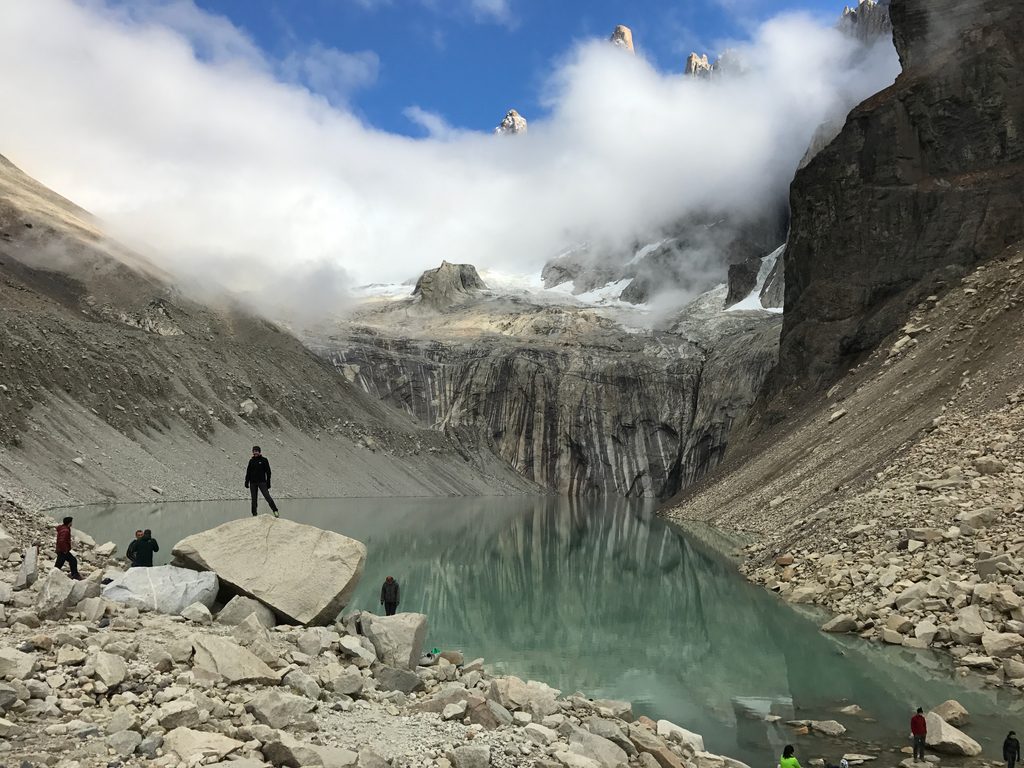
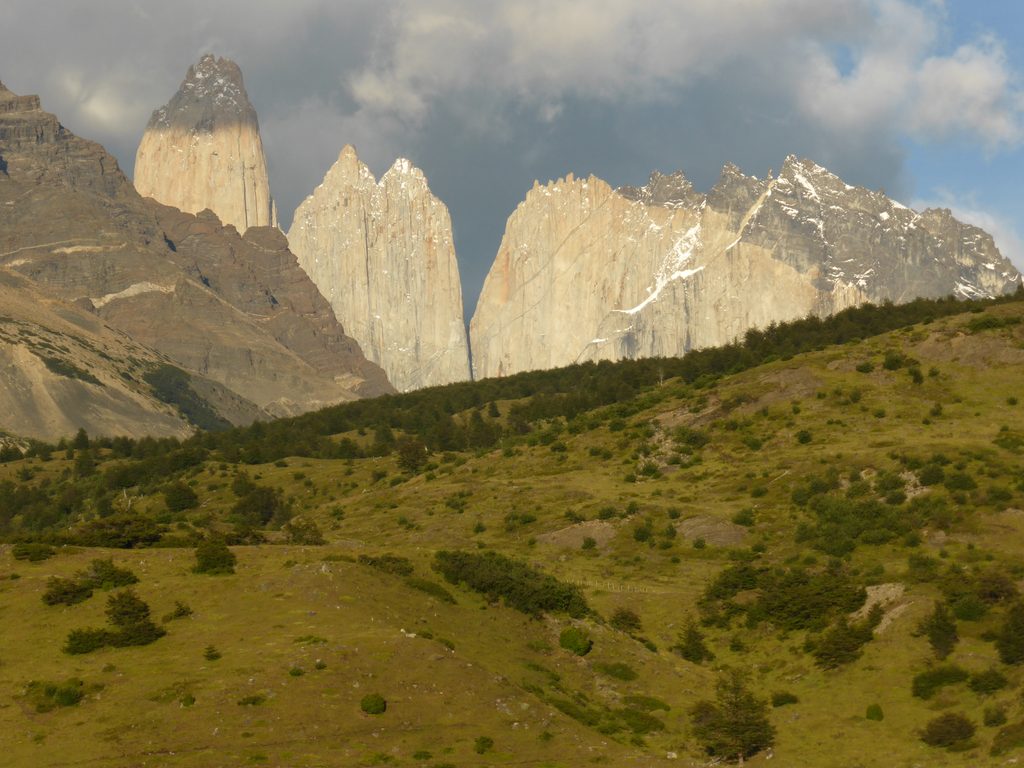
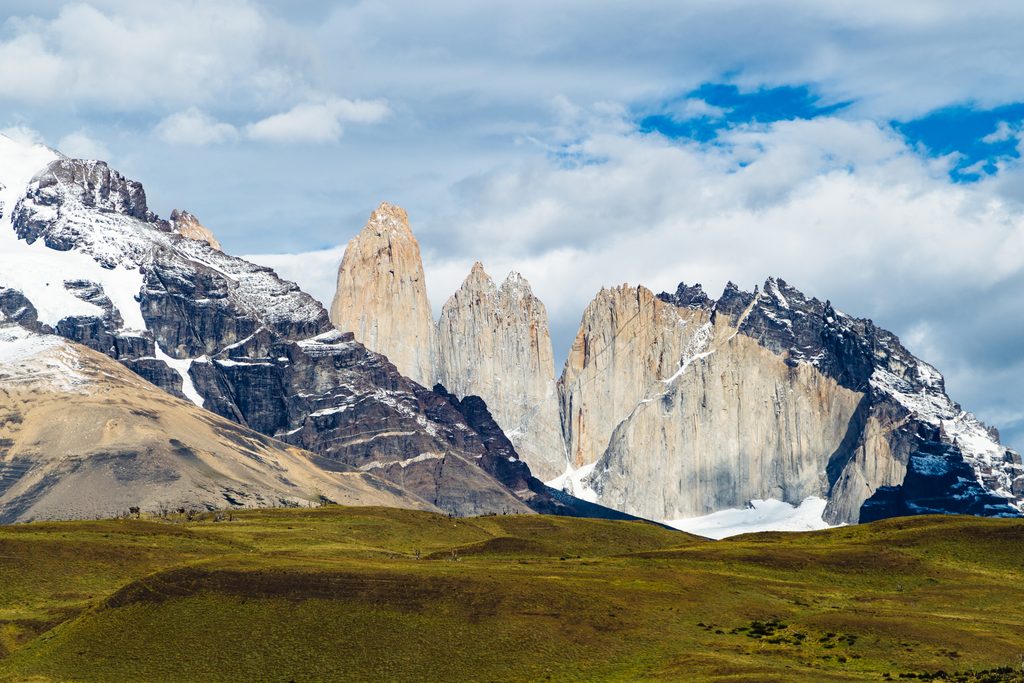
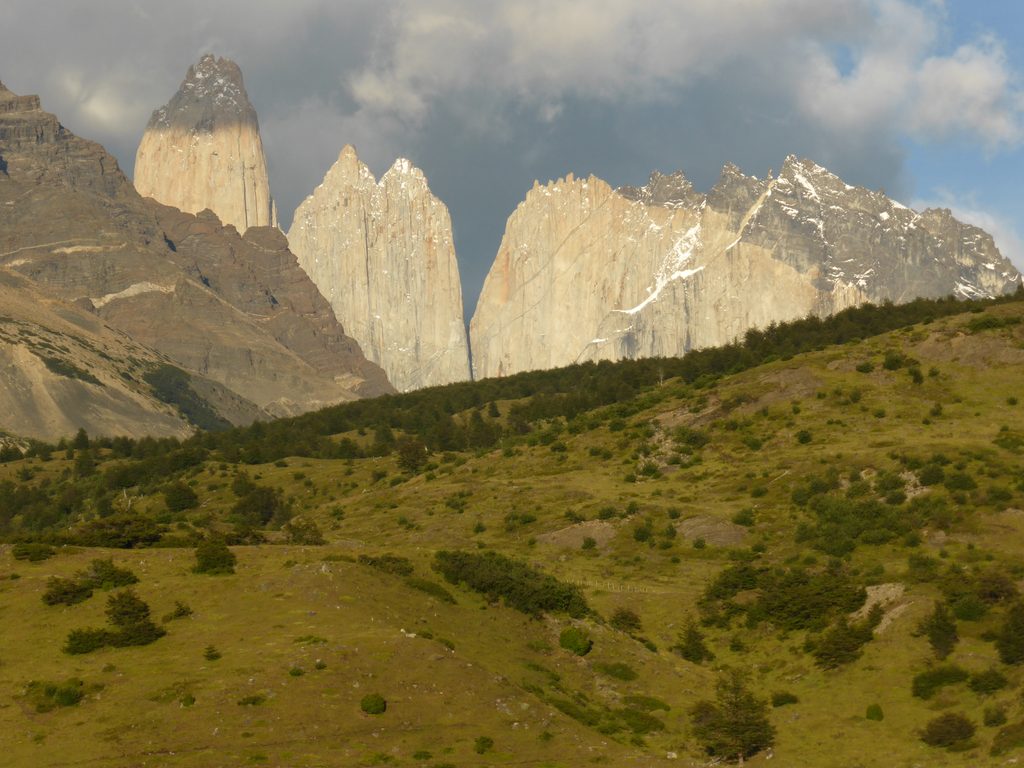
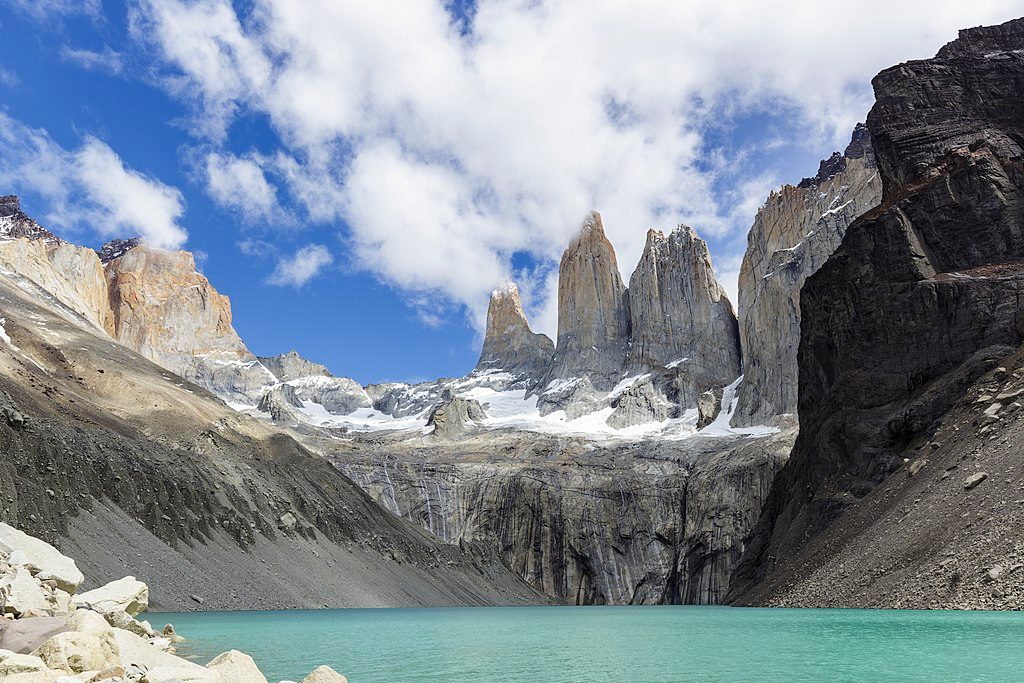
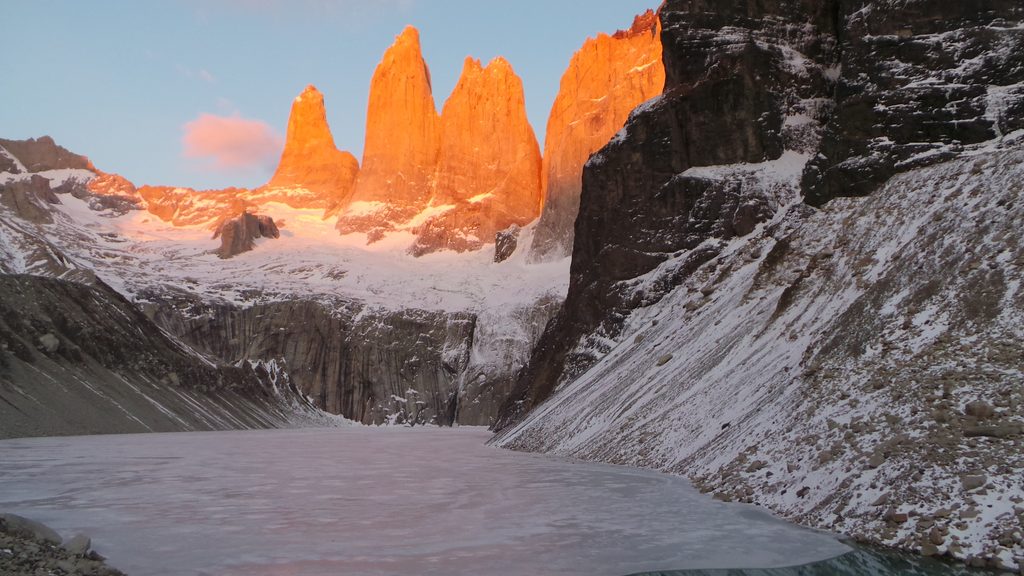
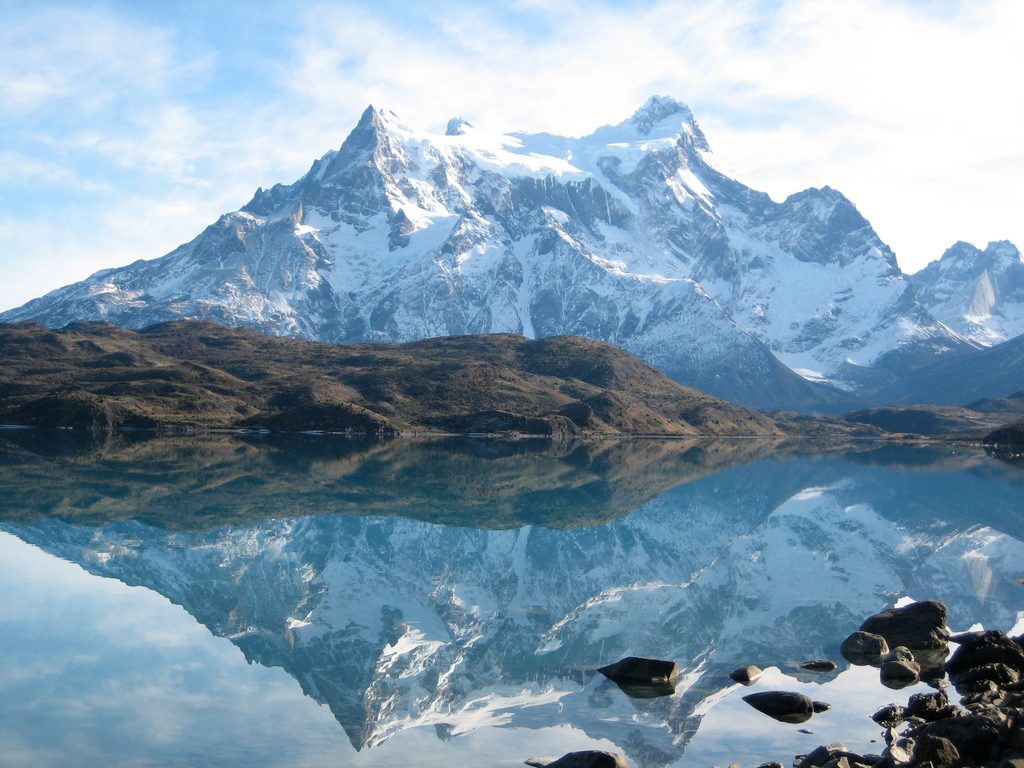
North Tower (Torre Norte) is one of the three needle‑sharp “Towers,” a dramatic granite spire rising above a glacial cirque and milky lagoon. Most visitors experience it from Mirador Base de las Torres, where the North, Central, and South towers line up in a jaw‑dropping skyline.
The massif is a Miocene granite intrusion that mushroomed up into older, darker Cretaceous sediments. Think of a huge, 2,000‑meter‑thick laccolith shoved in over roughly 90,000 years, later revealed by uplift and relentless glacial erosion. Those light‑colored granite blades capped and banded by darker country rock are the visual giveaway.
Reaching the viewpoint beneath Torre Norte is the toughest day of the W: up to ~18 km/11 miles round trip (depends where you start) with about 900 m/2,950 ft of gain. The trail is well‑marked and non‑technical, but it’s a grind and can feel like a single‑file highway in high season. You can drop big packs at a ranger/camp area before the steep upper section to make the final push lighter.
Self‑guided trekking runs October–April; from May–September you must go with a guide. Buy your park ticket online in advance, download the QR before entering (cell service is spotty), and carry your passport. Altitude isn’t a concern here—the high points are low by mountain standards.
Starting on the east side is painless: the Base de las Torres trail begins right by the Welcome Center next to Torres Central & Norte, which also offers services like meals, hot showers on a schedule, Wi‑Fi, baggage storage, and gear rental. There’s designated long‑term parking at the Welcome Center. Roads are mostly gravel and there’s no fuel inside the park, so top up in Puerto Natales before you drive in.
On the approach and surrounding steppe keep an eye out for guanacos and foxes, and scan the cliffs for soaring Andean condors. Puma sign exists in the region, though actual sightings are uncommon.
For fewer people and the best chance at alpenglow on Torre Norte, start pre‑dawn and aim to arrive at the lagoon for sunrise on a clear day. Spring and autumn shoulder months can mean fewer crowds and sometimes calmer days, but Patagonia’s weather is fickle year‑round—wind and rapid changes are normal.
Bring a headlamp for early starts, layer for strong winds, and consider using mid‑route bag drops so the final boulder‑hopping ascent feels manageable. If you’re planning to camp close by, note that the free Torres (Ranger) campground nearest the towers is closed for the foreseeable future, so book other sites well ahead.
Place · 0 mi away
Place · 0.2 mi away
Place · 0.2 mi away
Place · 0.4 mi away
Challenging · 5.6 mi away
Moderate · 5.6 mi away
Challenging · 5.6 mi away
Challenging · 5.6 mi away

Parkwolf Tour Guide
