
Place · 0.2 mi away
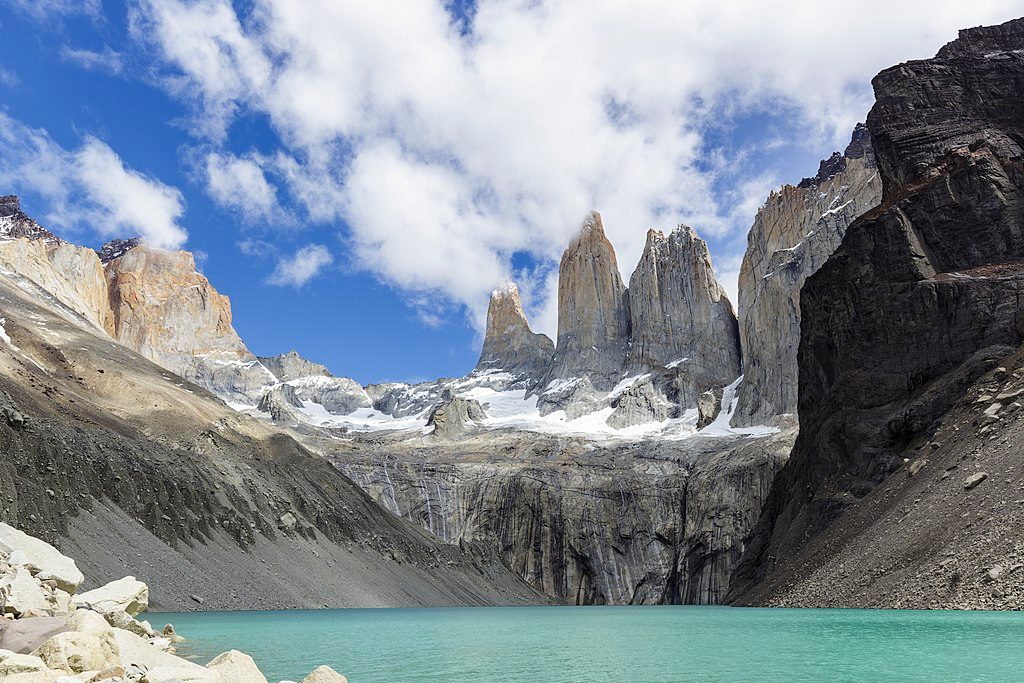
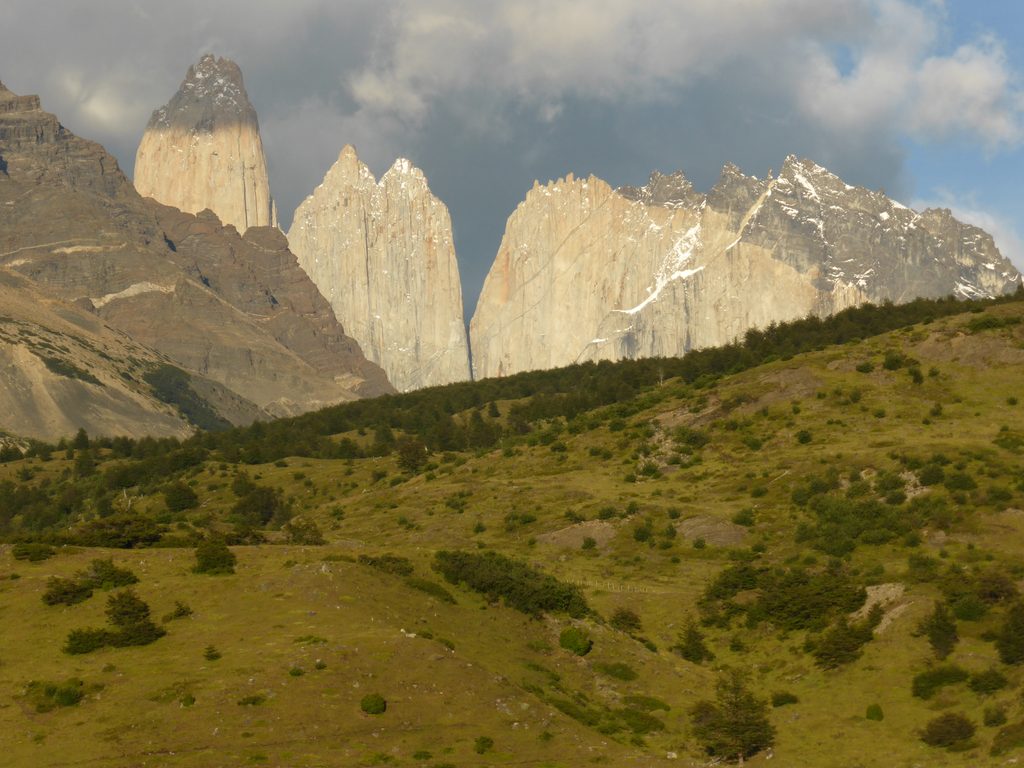
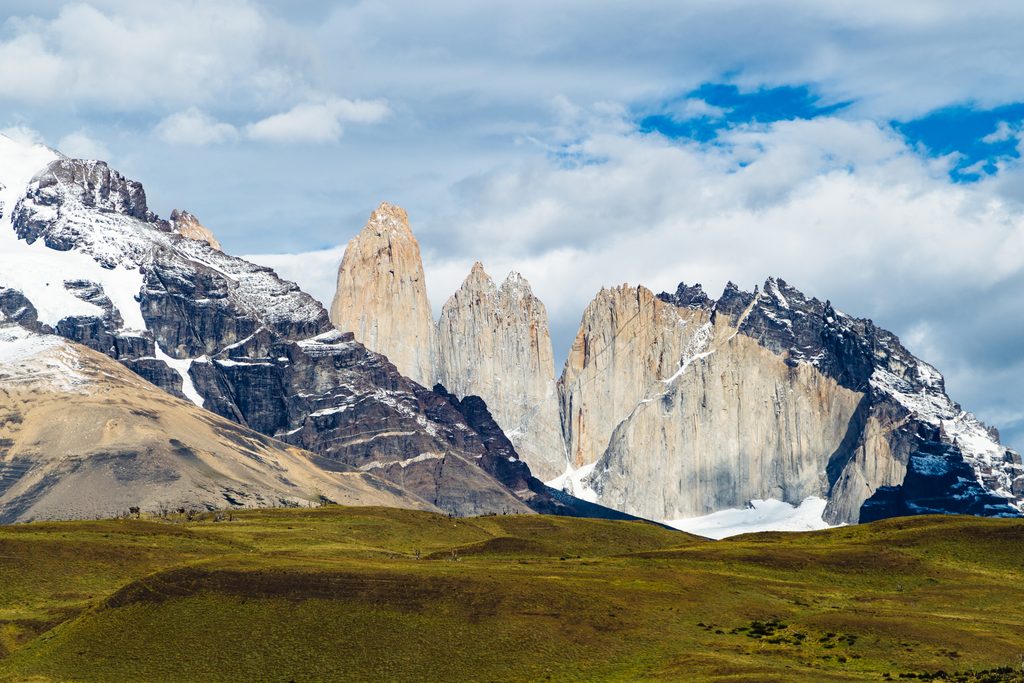
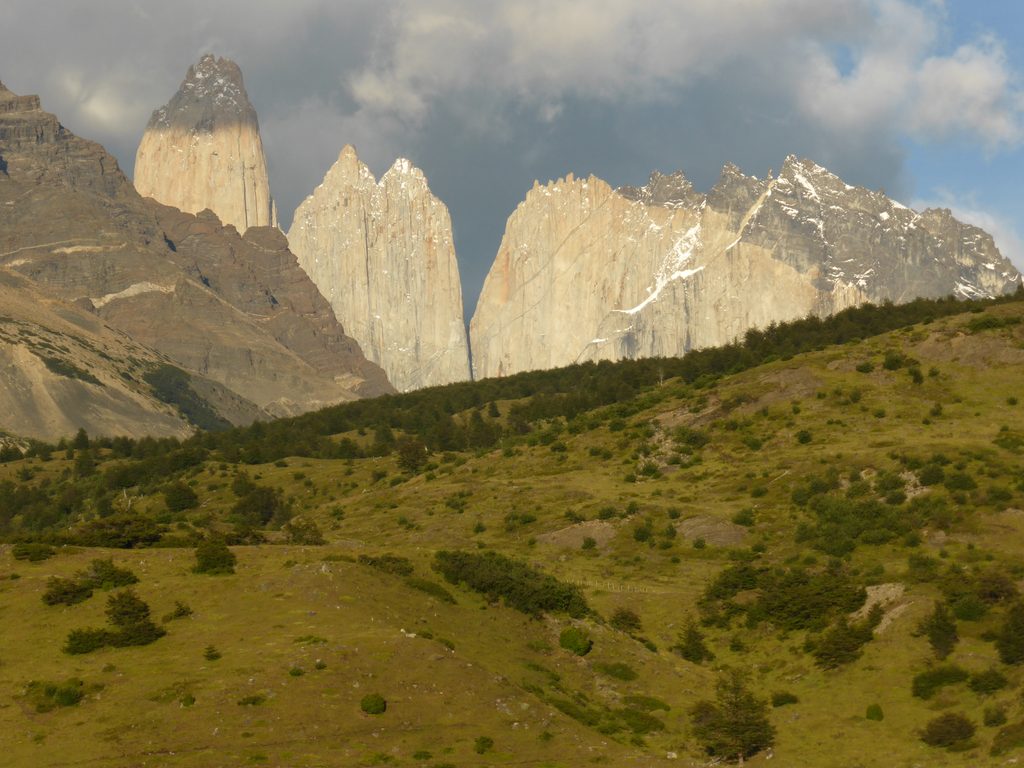
Torre Sur is the southernmost of the three famous granite needles that define the skyline here (with Torre Central and Torre d’Agostini/Monzino beside it). Rising to roughly 2,500 m, it’s an alpine monolith that most visitors admire from below rather than climb—the classic look is from the Mirador Base de las Torres.
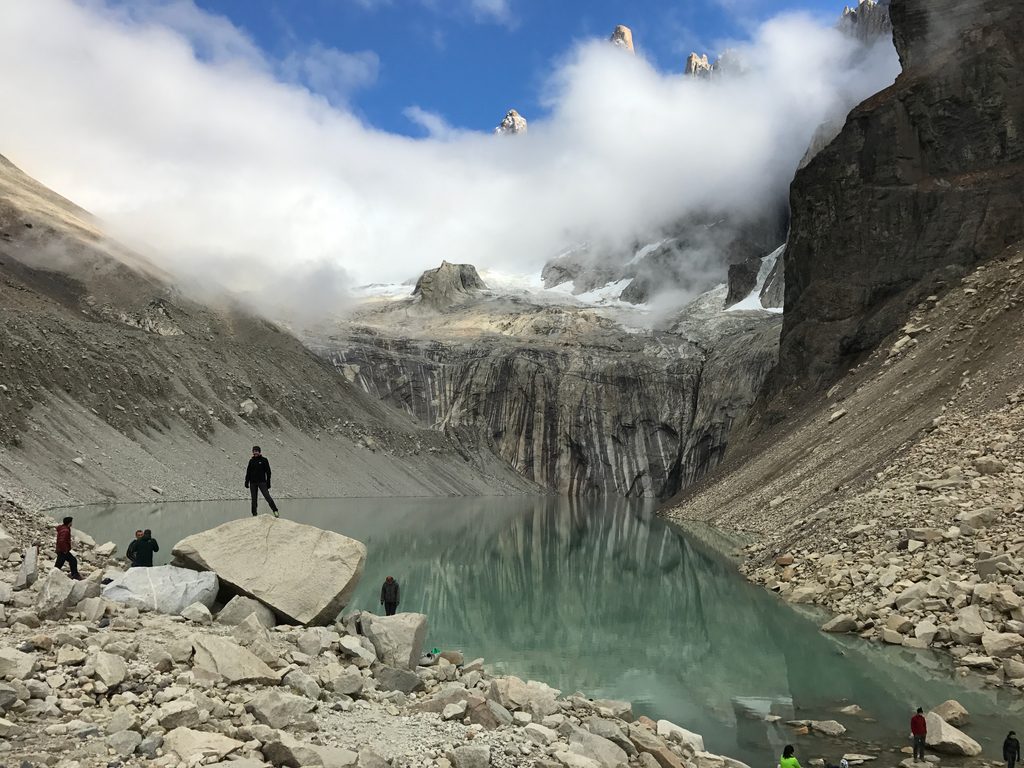
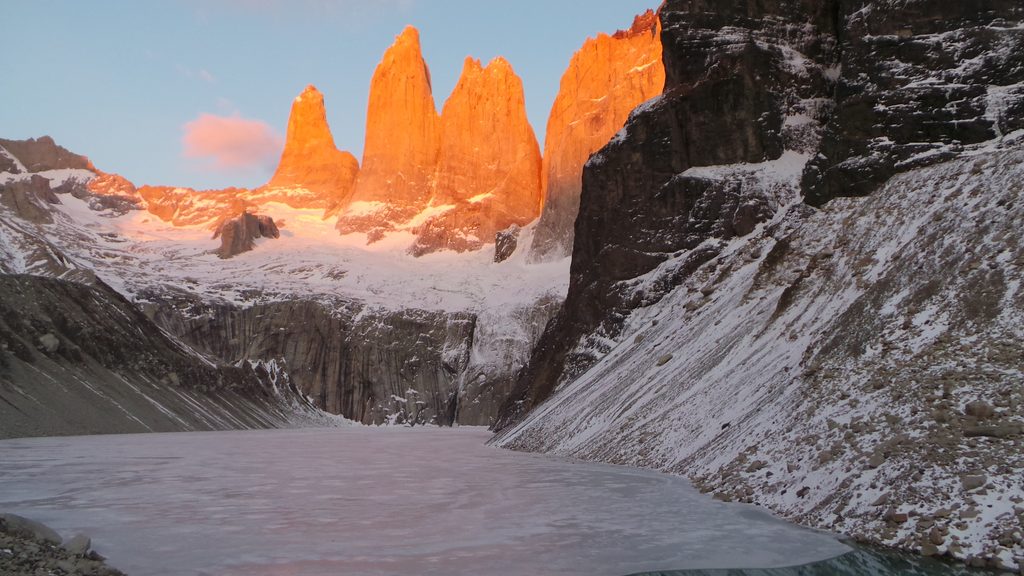
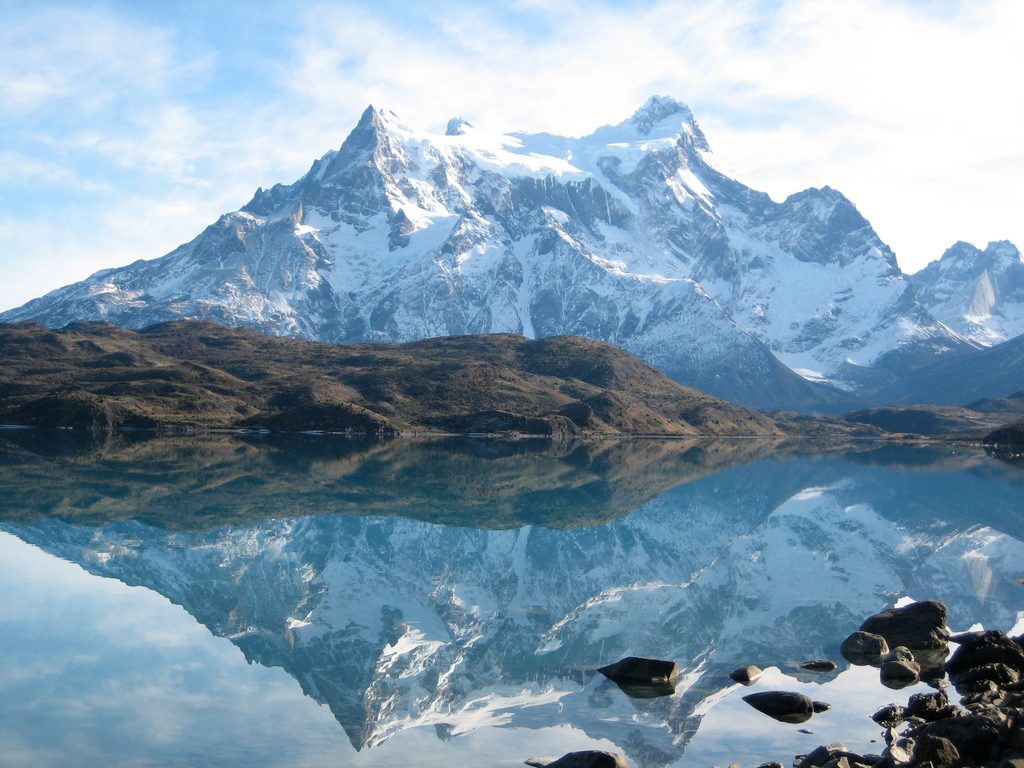
From the base viewpoint, Torre Sur looms above a milky-green tarn, its light-colored granite walls shooting straight up. The pale rock contrasts beautifully with darker bands and surrounding foothills, making Torre Sur especially photogenic when clouds break and the wind eases.
Day hikers reach the standard viewpoint via the Ascencio Valley to Mirador Base de las Torres. Expect the final stretch to be steep, on boulders, and often windy. Multi‑day trekkers on the W and O circuits also pass through sectors with prime angles on the towers. Start early for the best weather window and fewer people on the Central–Chileno–Base corridor.
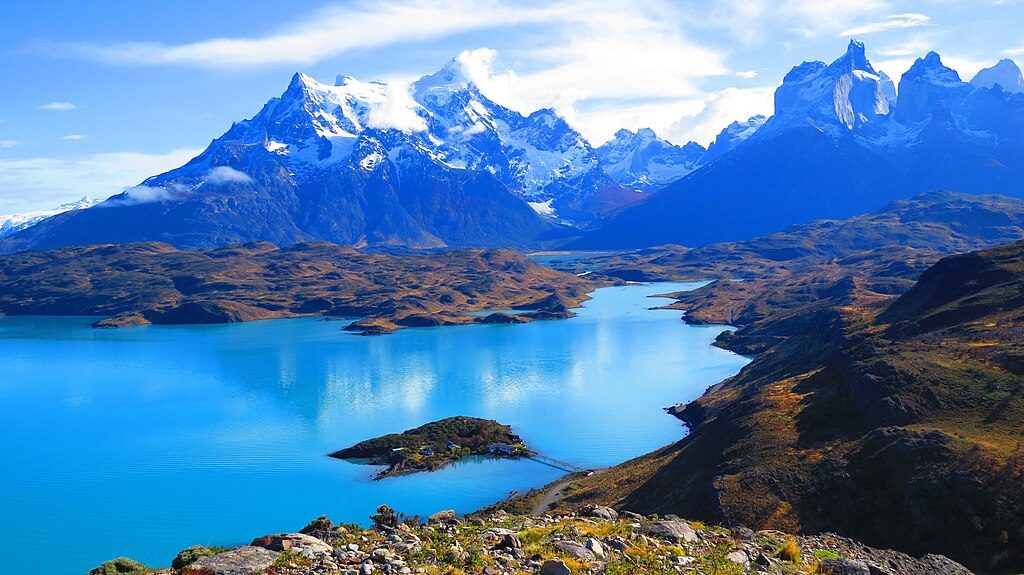
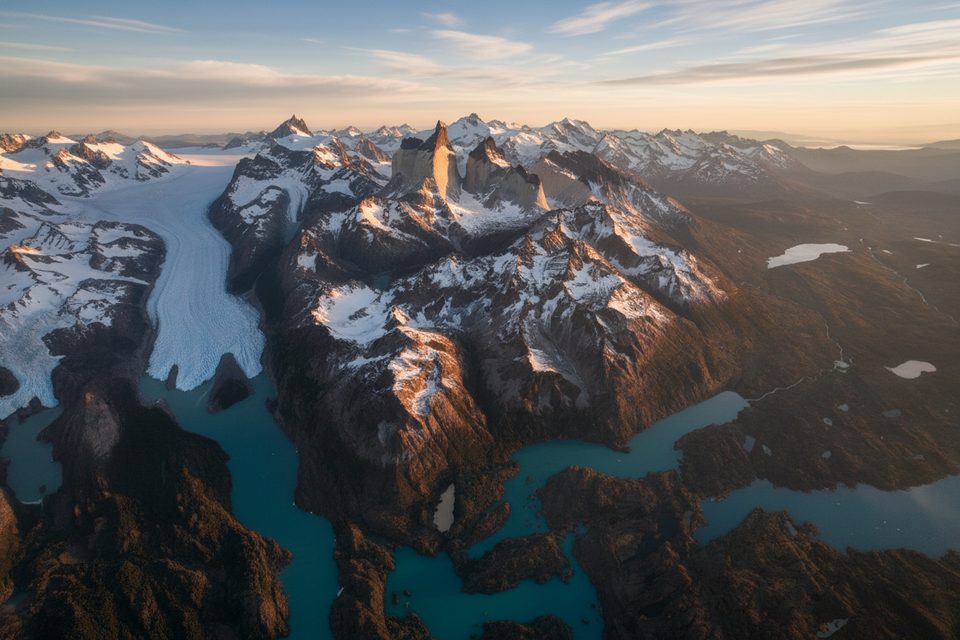
The Paine Massif is a Miocene laccolith: yellowish granite intruded into older sedimentary rocks and later sculpted by intense glacial erosion. Dating places the intrusion around 12–13 million years ago, with different pulses crystallizing over roughly 162,000 years. The towers are the resistant granite cores now exposed, while darker cap rocks are remnants of the surrounding country rock.
Keep an eye on the sky—this park supports numerous birds of prey, including Andean condors. In the steppe and lower valleys you may encounter guanacos and, with luck, other native mammals.
This is the busiest corridor in the park. Weather swings are the norm: strong winds are common (notably November–January), and conditions can shift from sun to sleet in minutes. Carry layers, a good hooded shell, gloves, and extra food and water. Along the route, refugios and campgrounds provide toilets, hot showers for guests, limited snacks, and paid Wi‑Fi/charging. Non‑guests at Chileno may be asked to pay a small fee to use toilets, and personal stoves are generally not allowed there. Cooking is only in designated areas, and open fires are banned. Camping or refugio stays must be reserved in advance before entering the park.
Aim for September–April for longer daylight. Winds peak in early–mid summer; shoulder months can be calmer but still variable. Sunrise attempts from the base viewpoint are popular and help beat the crowds; just budget extra time for the steep final ascent. Rain is more likely in March–April, while winter is colder but drier and far shorter on daylight.
Place · 0.2 mi away
Place · 0.2 mi away
Place · 0.4 mi away
Place · 0.4 mi away
Challenging · 5.5 mi away
Moderate · 5.5 mi away
Challenging · 5.5 mi away
Challenging · 5.5 mi away

Parkwolf Tour Guide
