Overview
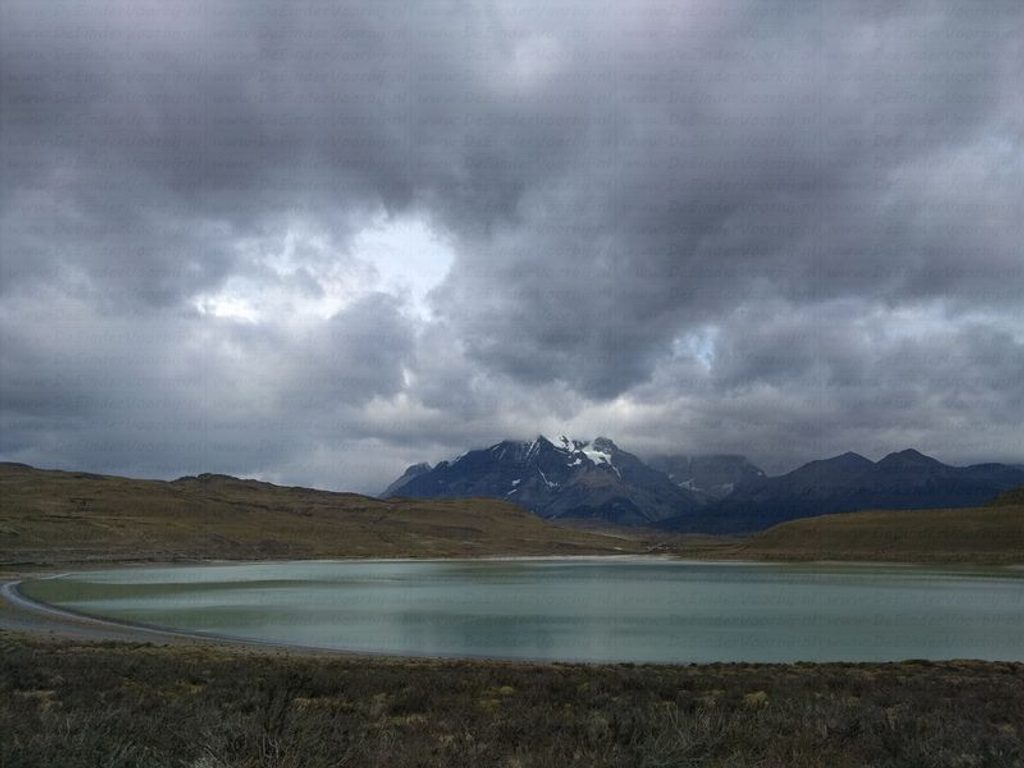
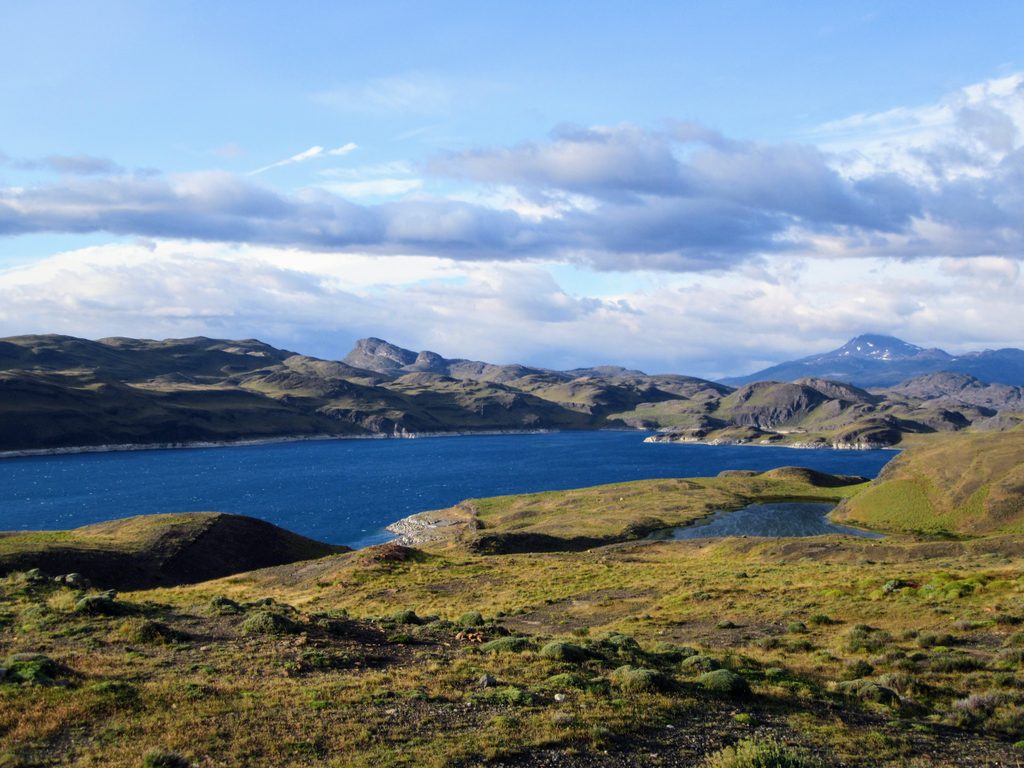
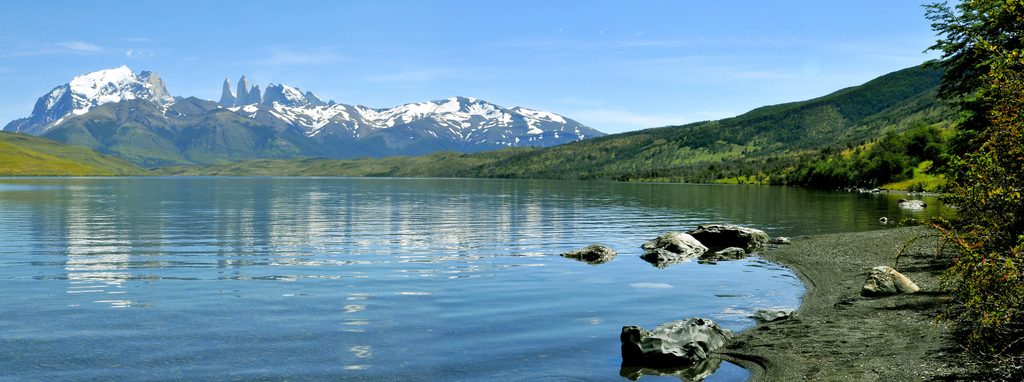
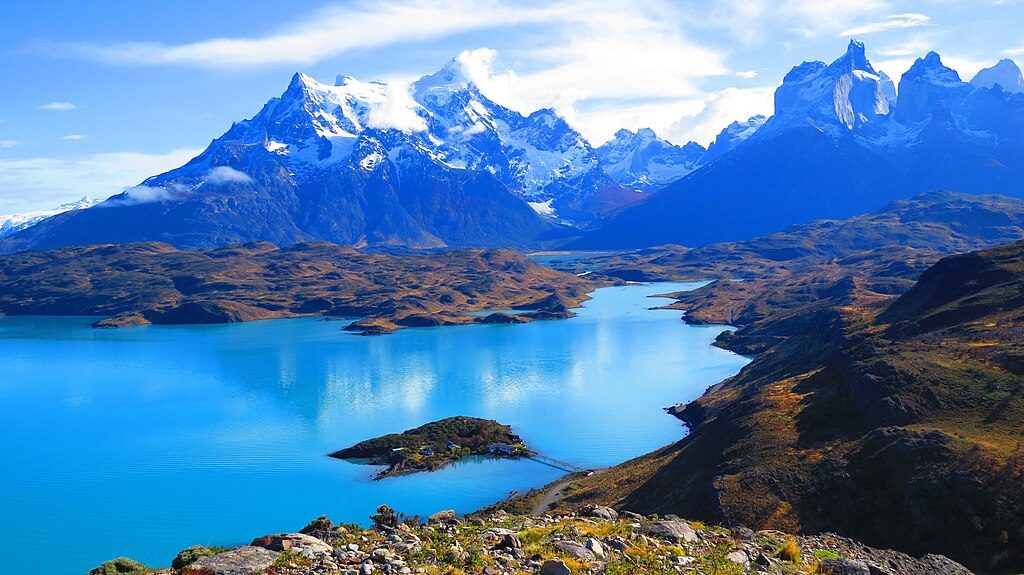
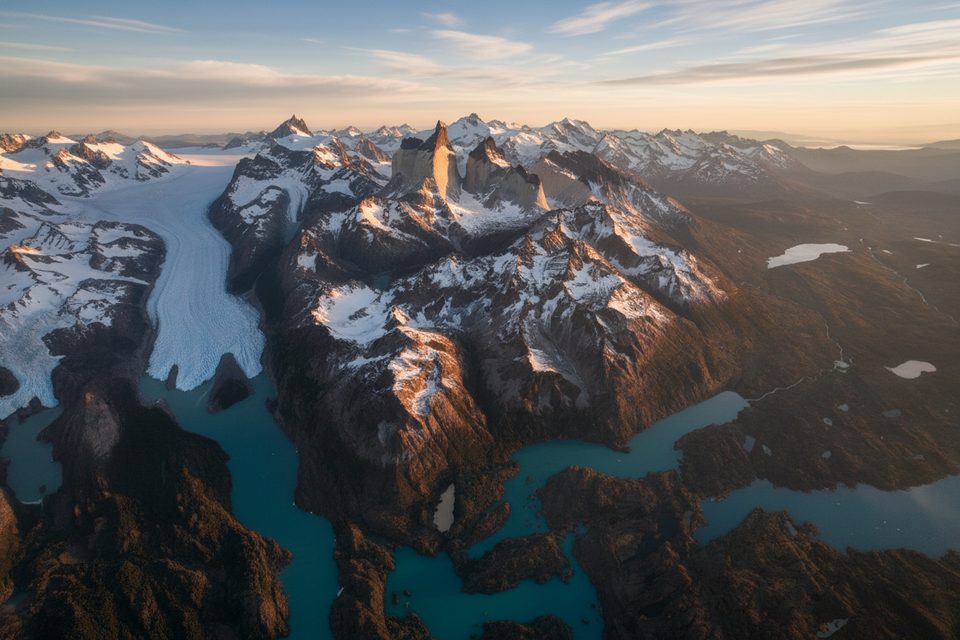
A quick, high-reward stop on the park’s east side, Lake Sarmiento Viewpoint pairs a broad look at the Paine Massif with the lake’s striking blue color. What makes it different from other overlooks is the bright white band along the shore—living thrombolites—so keep your eyes on that shoreline as much as the peaks.
What You’ll See
- Panoramas of the massif and Monte Almirante Nieto across a vast, wind-rippled lake.
- A white, chalky-looking rim around the waterline: those are thrombolites (living carbonate “fossils”). Don’t touch or step on them.
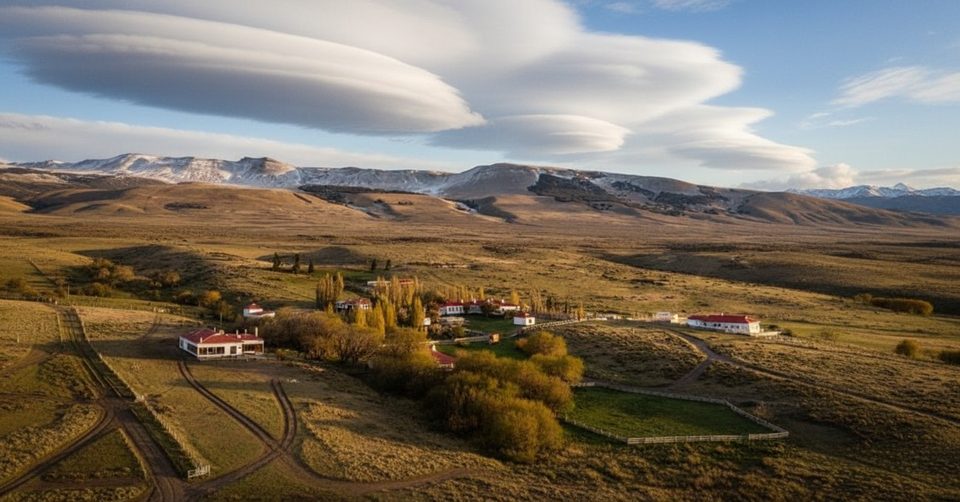
- Regular wildlife cameos in the surrounding steppe—guanacos are common; you might also spot rheas, condors, and other raptors. Pumas live here but sightings are rare.
Trails and Time
- Roadside mirador: minimal walking for classic photos; most people spend 10–30 minutes.
- Short out-and-back path: about 2.1 km round trip with ~55 m of gentle gain; figure 30–60 minutes for better angles along the bluff. An informal continuation toward Laguna Amarga takes around 2 hours on foot from this area. Sections can close seasonally—confirm status the day you visit.
Getting There & Access
- Typically 1.5–2 hours by car from Puerto Natales on a full-day park loop; many tours include a stop here. Expect wind and some unpaved stretches.
- Standard park admission is required; buy tickets in advance in high season. The pullout itself is accessible at all hours, but always verify current entry procedures on the official park site.
Wind, Weather, and Seasons
- Patagonia’s winds are no joke year‑round, peaking in summer (December–February). Secure hats, tripods, and anything that isn’t strapped down.
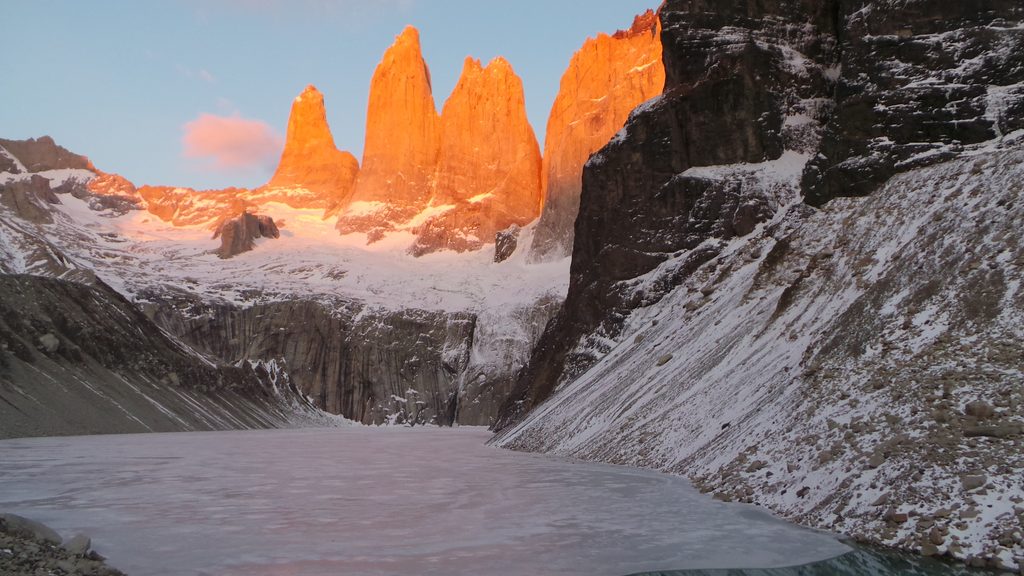
- Fall (April–May) tends to be calmer and less busy, with moodier skies and softer light.
Photography Tips
- Best light is early and late; midday is harsher and tour traffic is higher.
- Bring a wide‑angle for the sweep and a telephoto to compress peaks and pick out wildlife.
- Reflections are uncommon because of the wind, but dramatic skies are frequent. A tripod helps only if you can anchor it.
Amenities (Set Expectations Low)
- Basic roadside parking/pullouts; no dedicated restrooms, potable water, or cafe at the viewpoint. Come self‑sufficient and pack out trash.
Etiquette & Safety
- Stay on marked paths and off the thrombolite rim—these formations are fragile and rare.
- Keep a wide berth from wildlife; never feed or approach. Strong gusts and exposed edges mean mind your footing.
- Drones are regulated in Chile’s national parks; obtain proper permits before flying.
Best Time to Visit
- Aim for sunrise or late afternoon for flattering light and fewer stops by day tours. On a windy day, earlier is usually calmer. In peak summer, build in extra time for driving and photo stops.