
Place · 2.2 mi away
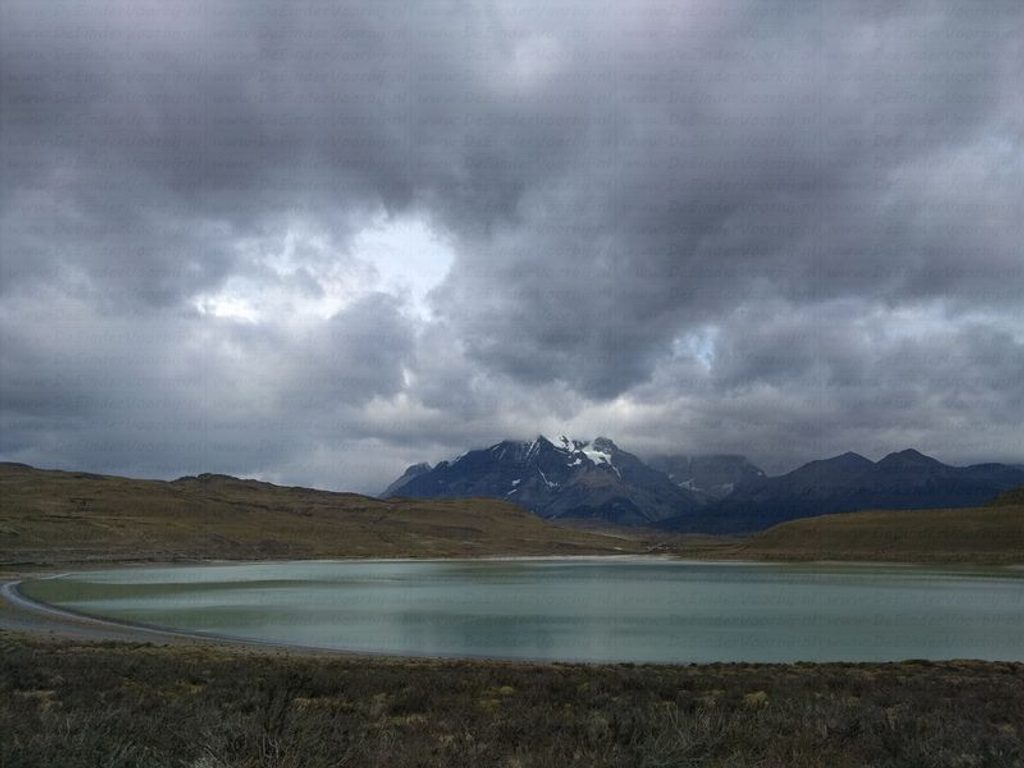
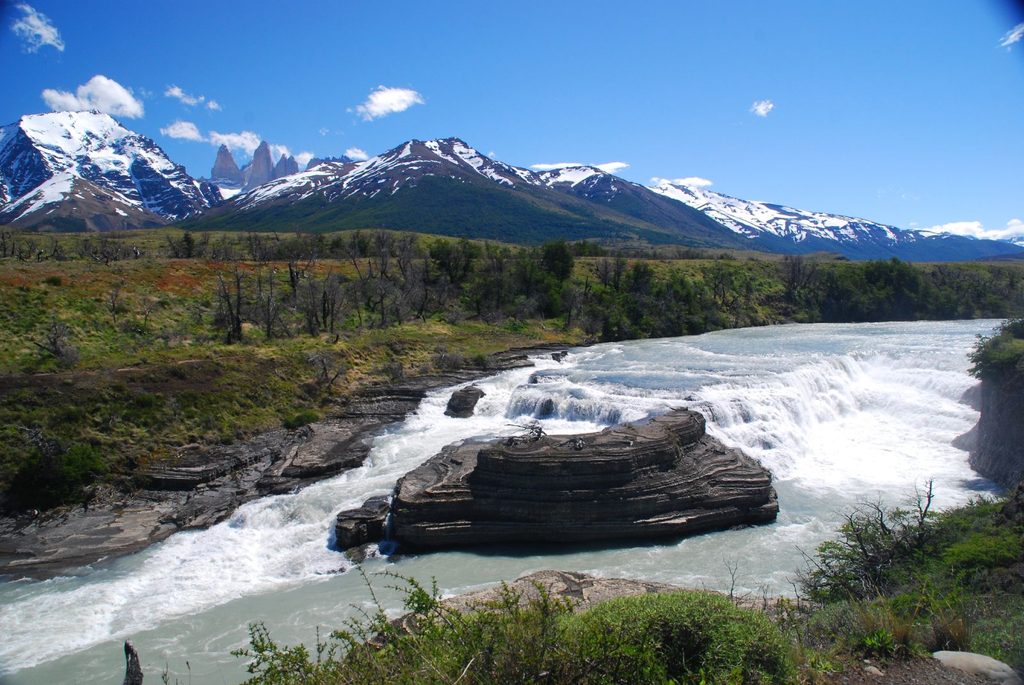
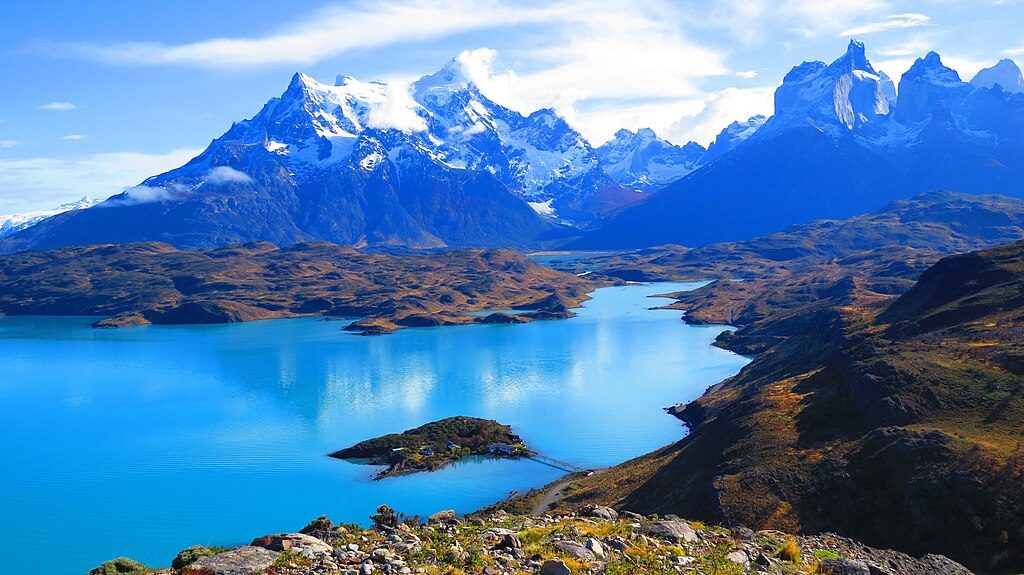
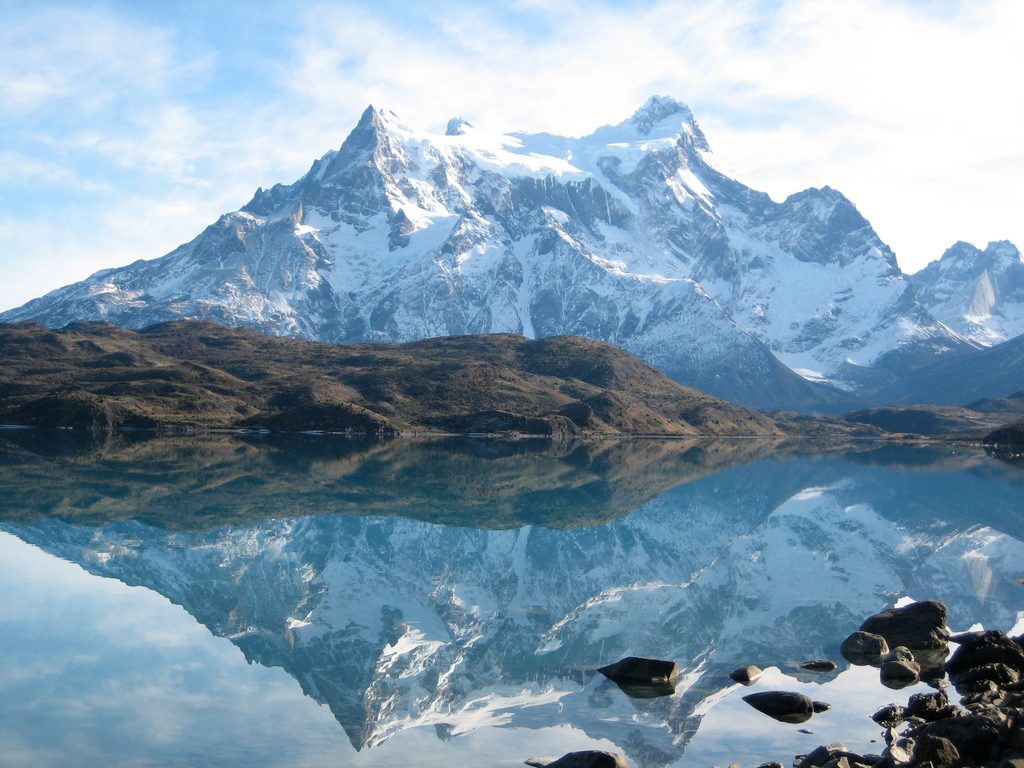
Right beside the Laguna Amarga entrance checkpoint, this roadside mirador delivers that first big, poster‑worthy view of the Paine Massif across vividly colored water. It’s a super quick stop with minimal walking—perfect as you enter the park or before heading deeper in.
Expect broad, front‑on vistas of the towers and surrounding peaks, often mirrored in the lagoon when it’s calm. Laguna Amarga’s water is bluish‑green with a high pH, and along the shores you can spot calcium‑carbonate stromatolites—rare, layered formations you won’t see at most viewpoints. In summer, look for flamingos working the shallows.
The open steppe around here is guanaco country, and the broader area is renowned for puma density. You might also encounter rheas and a wealth of birdlife. Enjoy the sightings, give all animals a wide berth, and never feed wildlife.
From Puerto Natales it’s roughly 110–120 km—about 2 hours by car, typically 2–3 hours by bus. Buses commonly stop at the Laguna Amarga entrance, and shuttles often run from here to other park hubs. You can usually purchase park entry at the checkpoint, but buying online ahead saves time. Don’t count on taxis or ride‑hailing inside the park.
This is a simple pull‑off with no dedicated facilities; use the entrance checkpoint when it’s open. Winds can be strong, so keep gear secure and avoid blocking the road shoulder.
Golden hours—early morning and late afternoon—deliver the softest light and your best chance for clean reflections. Bring a wide‑angle for the massif and a telephoto for wildlife. A small tripod helps at dawn or dusk. Assume drones are not allowed without explicit permission.
The lagoon’s alkaline waters can leave a pale crust along the edges. Those unusual stromatolites make this more than just another pretty view—peek at the shoreline textures between photo ops.
Sunrise and late afternoon for light and atmosphere; aim to sidestep the peak bus waves if you prefer a quieter moment. Year‑round stop, but weather swings quickly—plan layers and wind protection.
The park was created on May 13, 1959 and later recognized as a UNESCO World Heritage Site in 1978.
Place · 2.2 mi away
Place · 2.9 mi away
Place · 2.9 mi away
Place · 2.9 mi away
Challenging · 5 mi away
Moderate · 5 mi away
Challenging · 5 mi away
Challenging · 5 mi away

Parkwolf Tour Guide
