
Place · 5.1 mi away
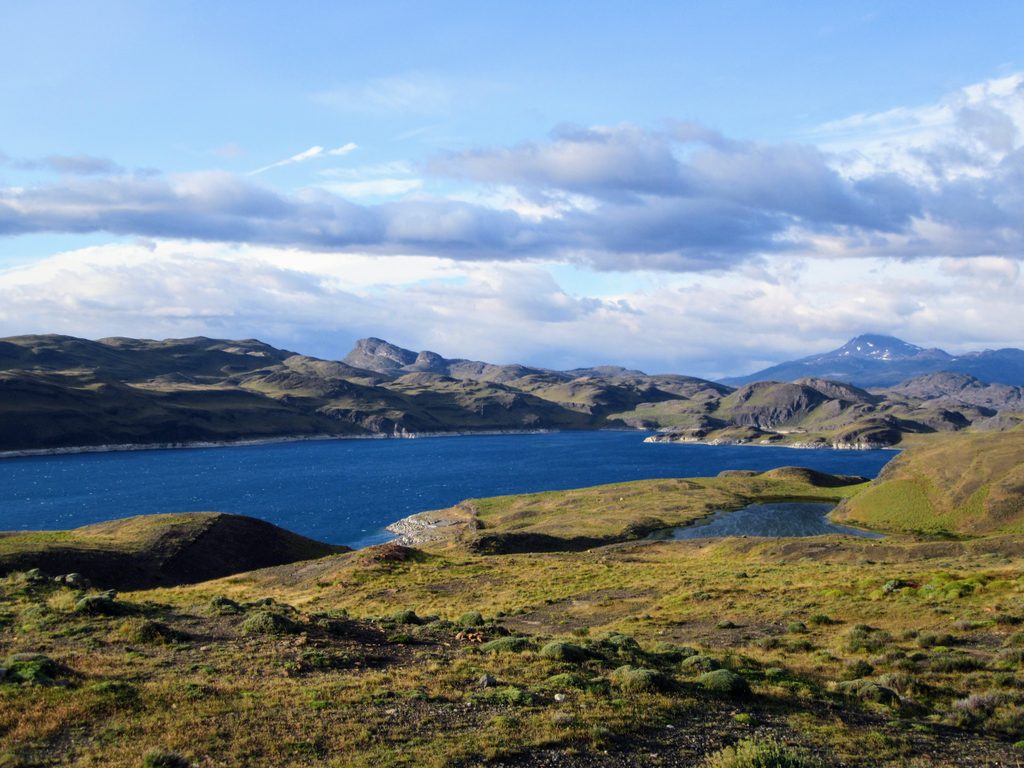
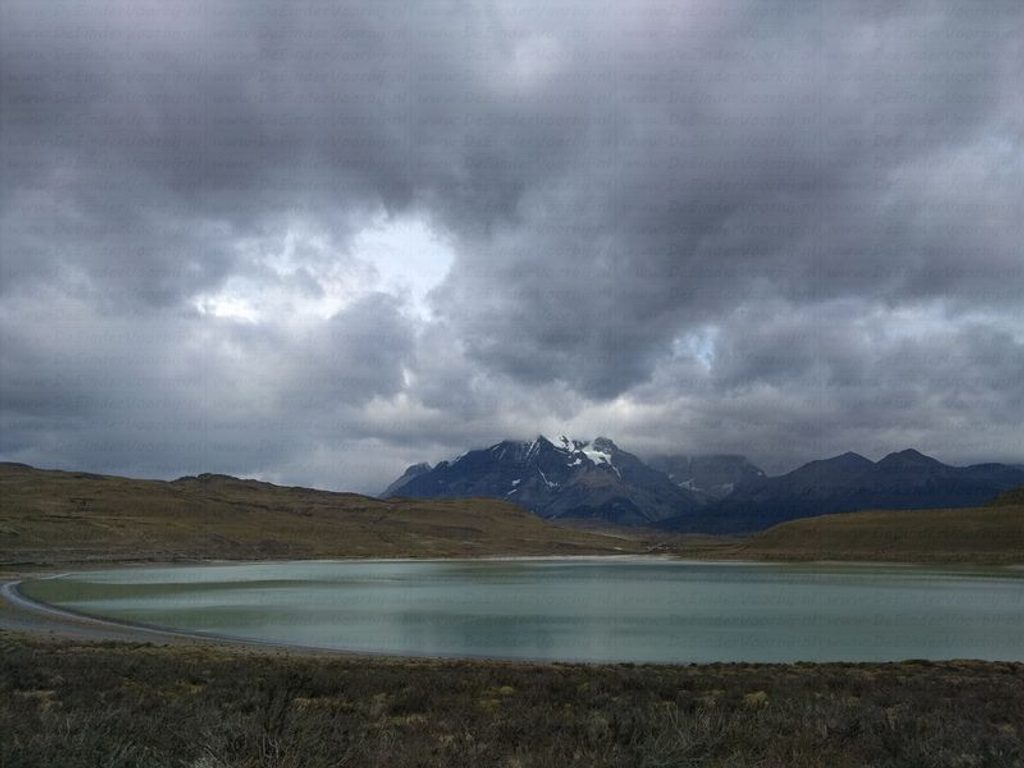
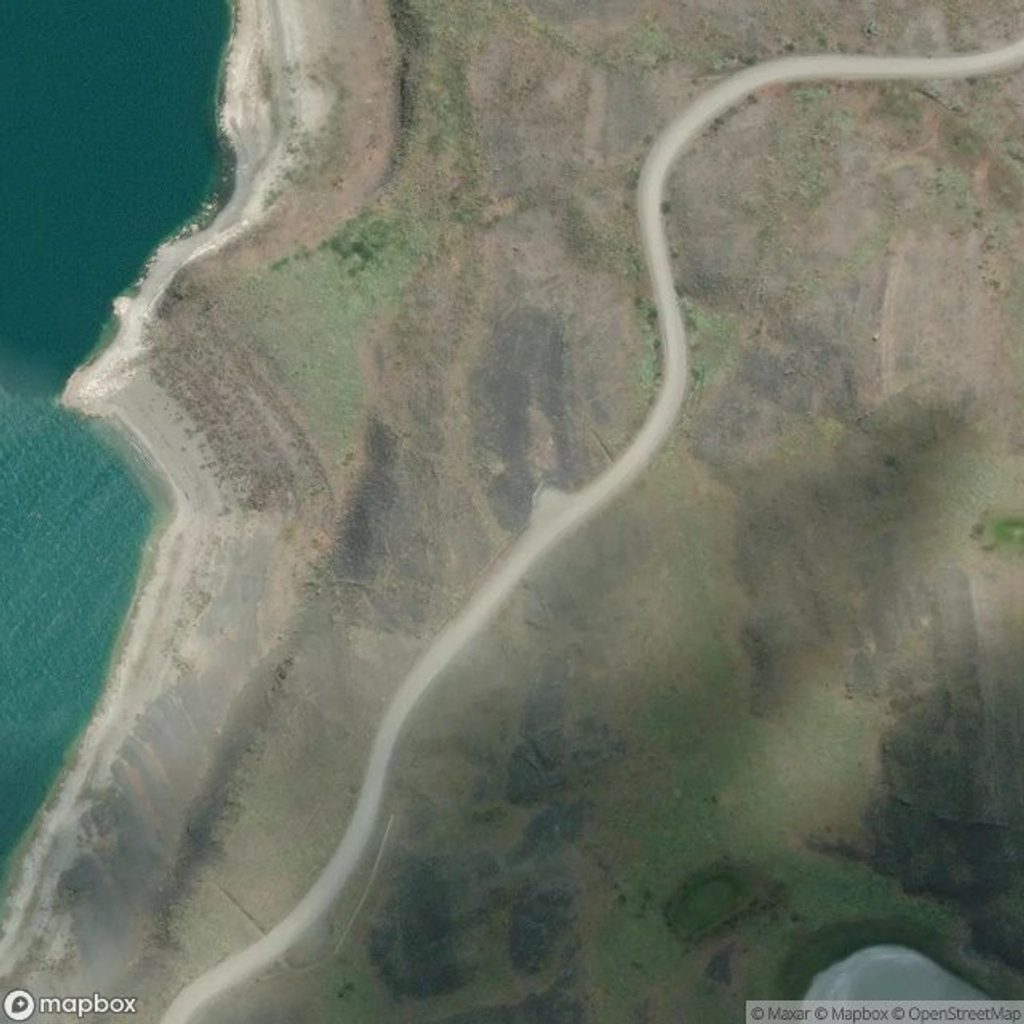
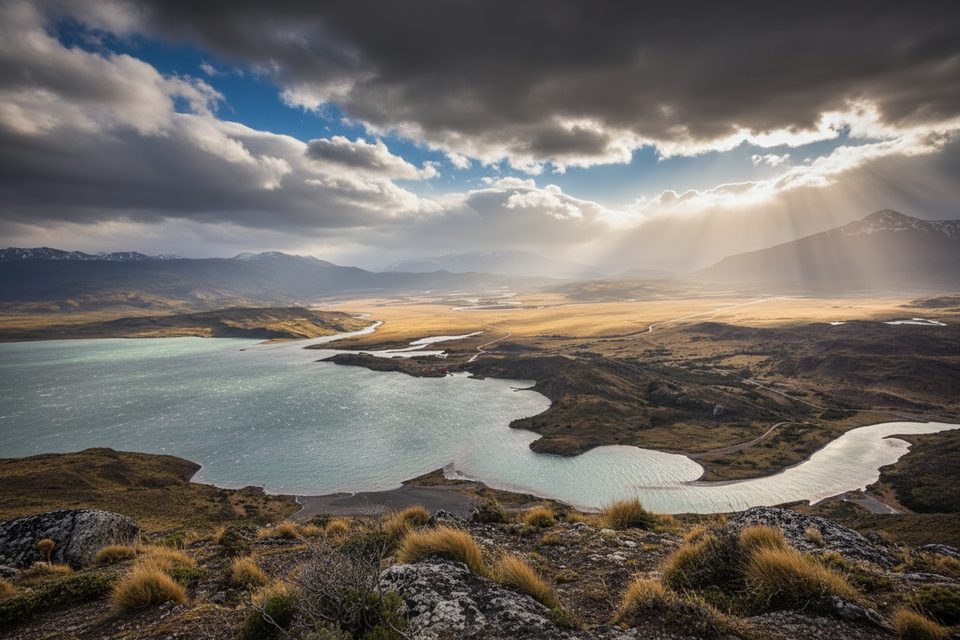
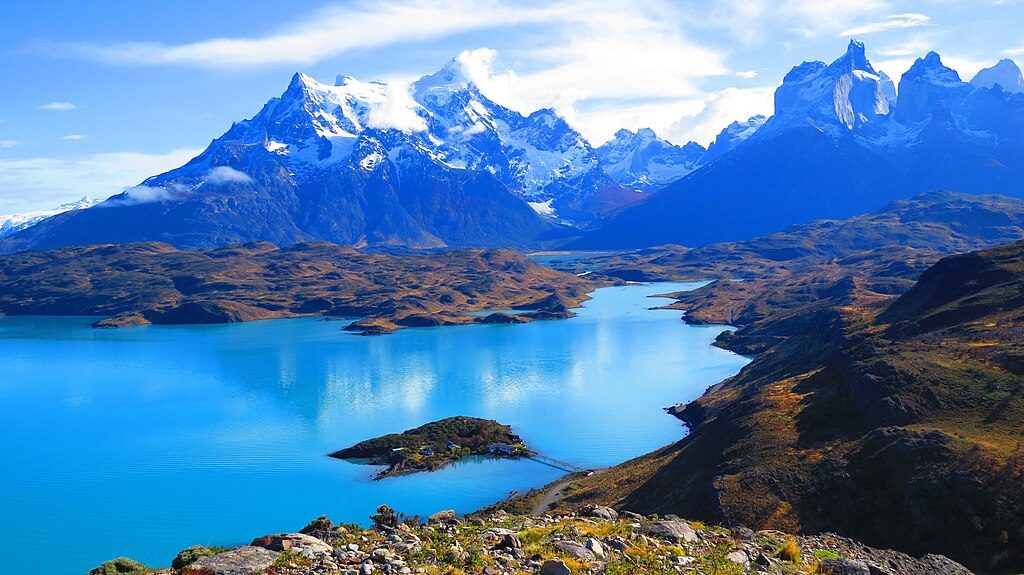
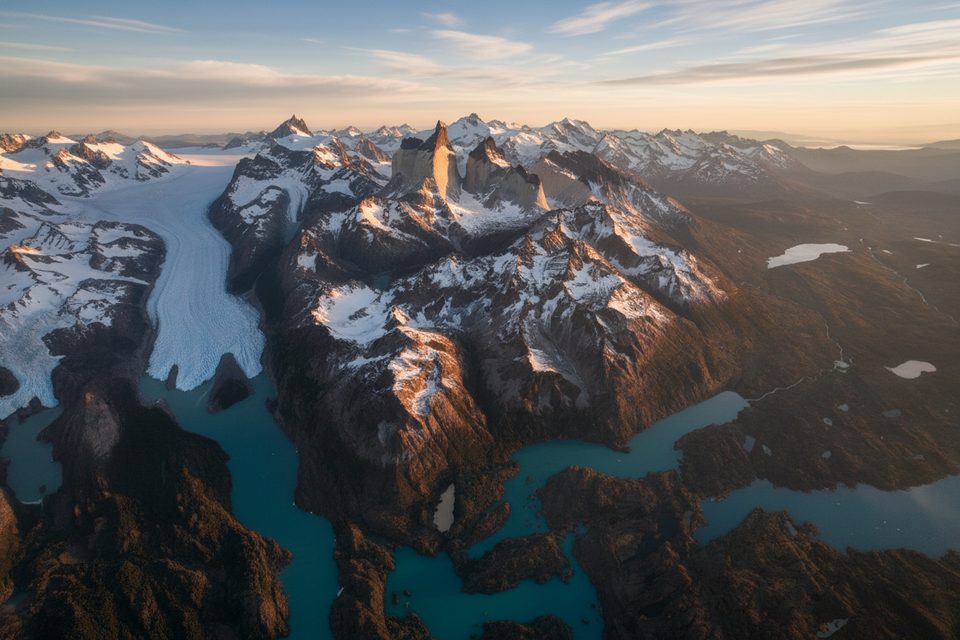
Sarmiento Lake is the park’s largest lake (about 90 km²), a wind-swept expanse of deep blue water backed by the Paine Massif. It’s an easy, high-reward stop: massive scenery with minimal walking, and the chance to see one of Patagonia’s strangest natural features right at your feet.
A bright, white fringe rims parts of the shoreline—living calcium‑carbonate thrombolites that have been forming since the last ice age. They’re fragile and still growing, so admire them from established paths and beaches; don’t touch or step on them. Nearby viewpoints and the Basin Lookout offer closer looks at these unusual microbial rock structures.
This sector is prime for roadside wildlife. Guanacos are commonly grazing near the road, and you may spot large birds riding the thermals—condors, caracaras, eagles, and hawks show up here. Pumas inhabit the area too, so keep distance, stay alert at dawn/dusk, and follow park guidance.
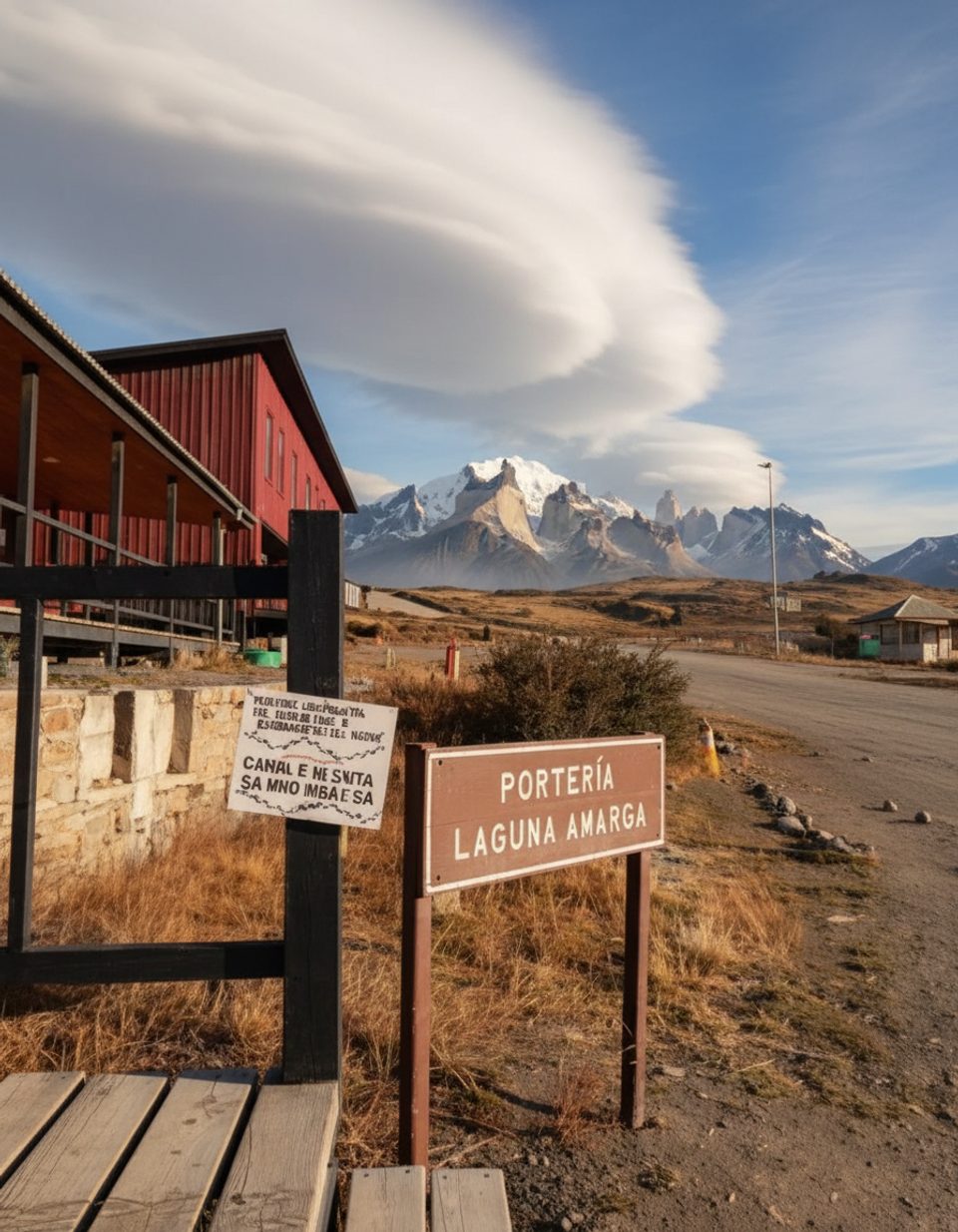
Most visitors arrive by car or tour from Puerto Natales in about 1.5–2 hours on a mix of paved and gravel roads. Buses typically serve major gates like Laguna Amarga, not the Sarmiento pullouts, so self‑drive or a guided tour is the most reliable way to stop here. There’s basic parking at viewpoints but don’t expect services; bring water and snacks and use restrooms before you arrive.
Plan 15–60 minutes for views, photos, and scanning for wildlife. Winds are part of the character—secure hats, sunglasses, and anything that can blow away. If the wind eases, wander the beach areas to study the white thrombolite rings from a respectful distance.
If you want to stretch your legs, there’s an easy scenic trail linking the Nordenskjöld and Sarmiento viewpoints, plus a longer out‑and‑back toward Aonikenk rock art (petroglyphs). The petroglyph route is often treated as a guided outing due to puma activity and has no facilities—confirm access and requirements the day you visit.
Light is best at golden hours—early morning and late afternoon—when the lake glows and the Massif pops. Summer (December–February) brings lush landscapes and the strongest winds; fall (April–May) has fewer crowds and beautiful colors but more variable weather. Any day, expect rapid shifts—pack layers and a windproof shell.
Bring a wide‑angle for the grand scene and a telephoto for peaks and wildlife. A sturdy tripod (or braced monopod) helps in gusts. Keep lens cloths handy for wind‑blown dust, and weigh down your tripod to prevent shake.
Place · 5.1 mi away
Place · 5.3 mi away
Place · 5.7 mi away
Place · 5.7 mi away
Moderate · 5.9 mi away
Challenging · 7.7 mi away
Moderate · 7.7 mi away
Challenging · 7.7 mi away

Parkwolf Tour Guide
