
Place · 0.3 mi away
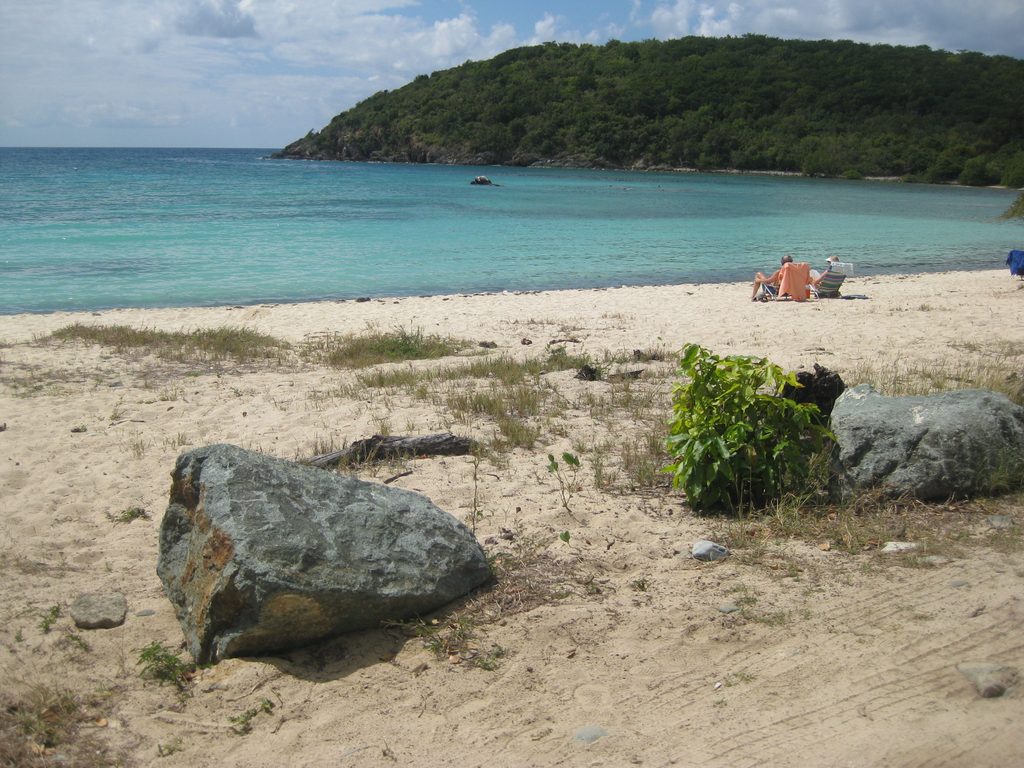
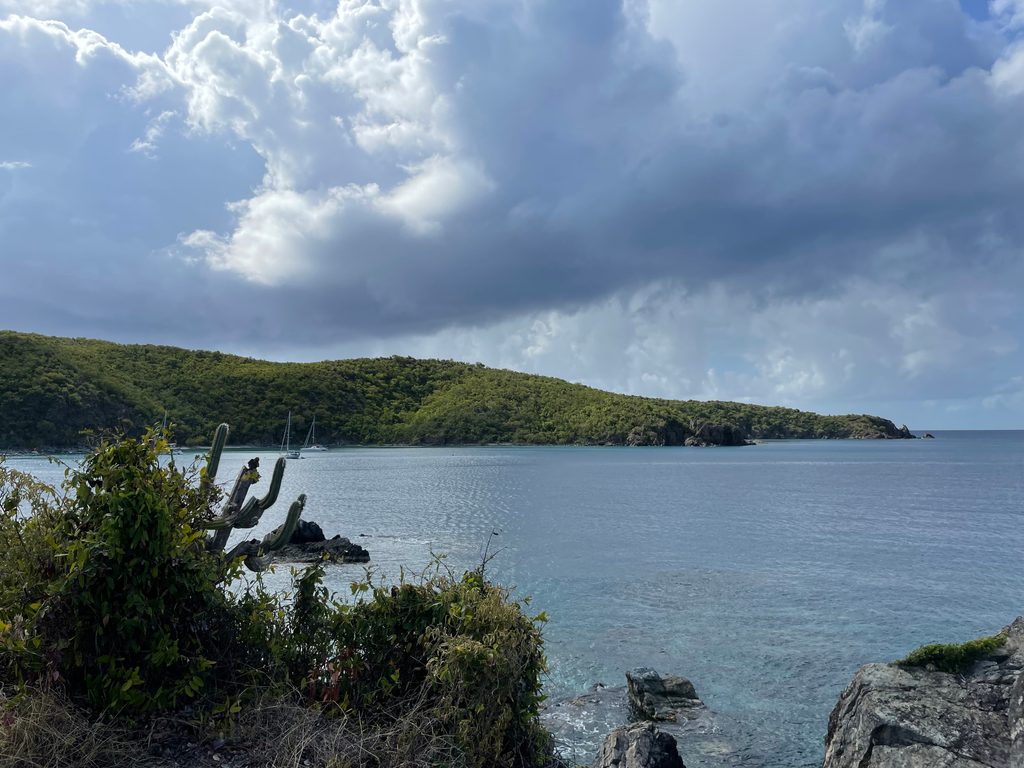
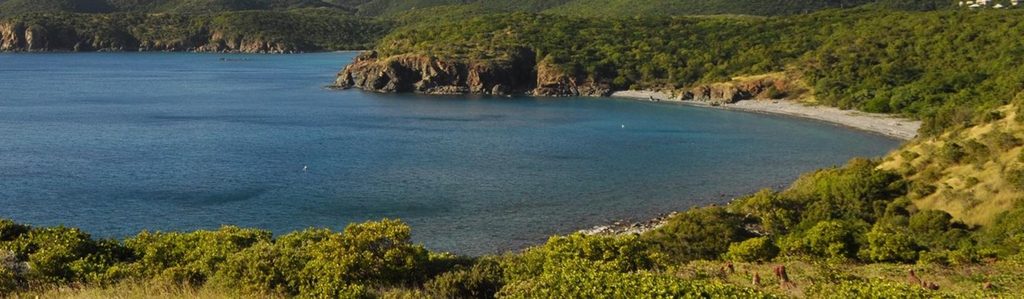
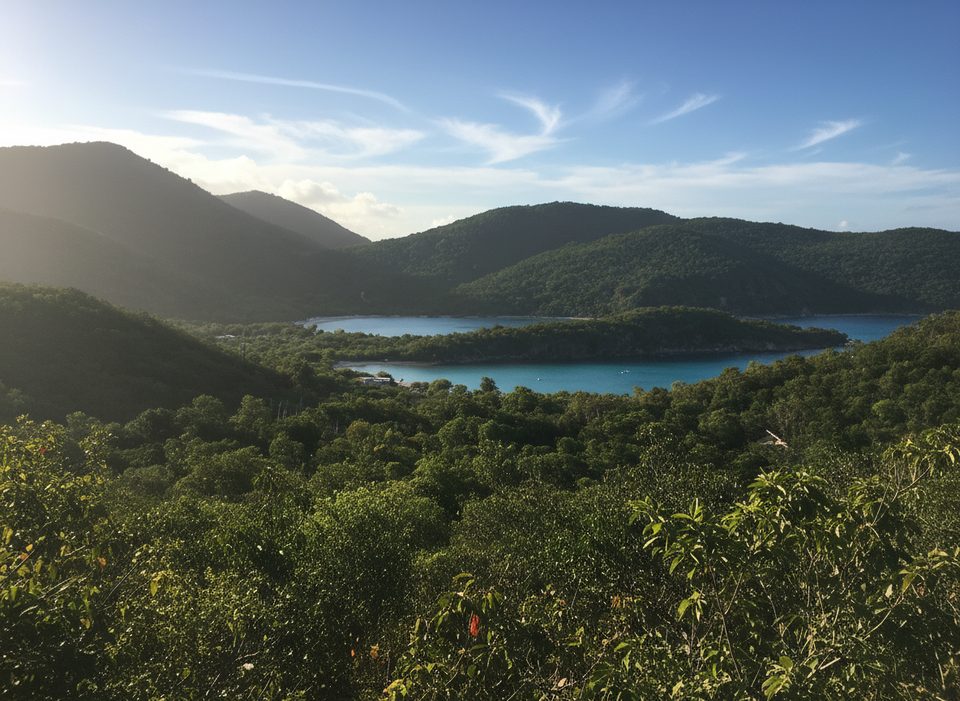
Tucked along the rugged south shore, Great Lameshur Bay trades soft sand for a cobblestone shoreline and solitude. It’s a wide, calm bay when seas are settled—great for long swims—and a solid launch point for exploring some of the park’s best snorkeling and a network of trails. Boats often anchor here, and there’s a small park dock on the west end.
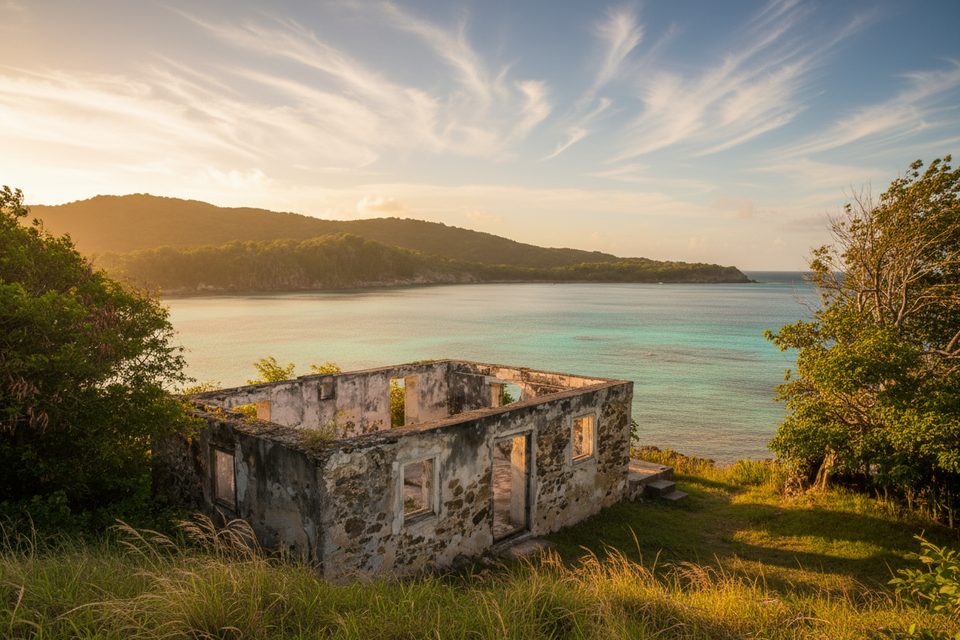
If you like your beaches quiet and a bit wild, this is your spot. The bay sits amid healthy coral reef and turtle‑grass habitat, with frequent sightings of rays, sea turtles, nurse sharks, and schooling reef fish. It’s also a gateway to history and hiking: ruins sit near the western end, and trail connections fan out from the end of the road.
Expect clear water and diverse marine life. The most interesting structure is around the points—especially toward Yawzi Point between Great and Little Lameshur—and along the eastern side where corals and fish congregate. Currents and chop can pick up around the point; assess conditions, go with a buddy, and keep close to shore if swell wraps in. Remember reef etiquette: never stand on coral and give wildlife space.
From the Lameshur area you can hop on the short, scenic Yawzi Point path for bluff views and coves, or commit to the tougher Lameshur Bay Trail that climbs inland and links toward Reef Bay and its spur to the famed petroglyphs. Trails can be hot and exposed midday—start early and carry plenty of water.
Reaching Great Lameshur is part of the adventure: continue past Salt Pond on a rocky dirt road. A high‑clearance/4×4 is strongly recommended, especially after rain when big puddles form. Parking at Great Lameshur is limited; if it’s full, continue a bit farther to Little Lameshur where there’s generally more room. Cell service is unreliable out here.
Services are minimal at Great Lameshur. Little Lameshur, just down the road, has picnic tables, BBQ grills, and an outhouse. Plan to bring everything you need—water, snacks, shade, and snorkel gear.
Mornings bring calmer water for snorkeling and cooler temps for hiking. Weekdays are typically quieter. Midday sun is intense on the trails and beach; aim for early starts or late‑afternoon returns. If swell is up or winds are wrapping the points, save the snorkel mission for a calmer day.
This bay has a long legacy of marine research, from the undersea Tektite missions to ongoing reef monitoring. Help keep it thriving: use reef‑safe sun protection, never anchor on reef or seagrass, and pack out all trash.
Place · 0.3 mi away
Place · 0.3 mi away
Place · 0.5 mi away
Place · 1.1 mi away
Easy · 0.2 mi away
Moderate · 0.4 mi away
Moderate · 0.5 mi away
Challenging · 0.5 mi away

Parkwolf Tour Guide
